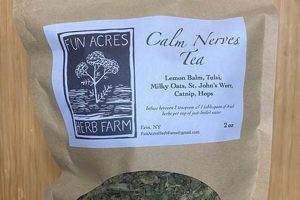
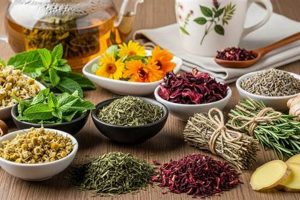
The consumption of infusions made from herbs by young children, specifically those between the ages of one and three, is a topic requiring careful consideration. These beverages, often presented as alternatives to sugary drinks, are derived from plants and offer varying degrees of purported health advantages.
Selecting appropriate drinks for toddlers is essential for optimal growth and development. Infusions from certain herbs are believed to offer soothing properties, aid digestion, or even promote relaxation. Historically, herbal remedies have been employed for generations, but the physiological impact on toddlers, who possess developing systems, warrants caution.
Understanding the potential advantages and risks associated with these beverages is paramount. Factors such as the specific herb used, preparation methods, appropriate serving sizes, and potential interactions with existing health conditions or medications will be explored to provide a comprehensive overview.
Considerations Regarding Herbal Infusions for Young Children
When assessing the appropriateness of herbal infusions for toddlers, a cautious and informed approach is crucial to ensure their well-being.
Tip 1: Consult a Pediatrician. Prior to introducing any herbal infusion into a toddler’s diet, seek professional medical advice. A pediatrician can assess potential allergies, interactions with existing medications, or contraindications based on the child’s individual health profile.
Tip 2: Identify Safe Herbs. Not all herbs are suitable for young children. Chamomile and peppermint, in diluted forms and with moderation, are generally considered safe. However, avoid herbs with known toxicity or strong medicinal properties, such as senna or ephedra.
Tip 3: Prepare Infusions Diluted. If introducing herbal infusions, use a very diluted concentration. A weak brew is gentler on a toddler’s digestive system and reduces the risk of adverse reactions.
Tip 4: Monitor for Allergic Reactions. Introduce new herbal infusions gradually, one at a time, and carefully observe the child for any signs of allergic reactions, such as rash, hives, swelling, or difficulty breathing.
Tip 5: Limit Sugar Content. Avoid adding sugar or honey to the infusion, as these can contribute to dental problems and unhealthy dietary habits. If sweetening is necessary, consider a small amount of fruit puree.
Tip 6: Consider Alternative Hydration. Plain water remains the most suitable hydrating beverage for toddlers. Herbal infusions should not replace water entirely but, rather, serve as an occasional offering, if deemed appropriate.
Tip 7: Be Aware of Potential Interactions. Some herbs can interact with medications. If the child is taking any prescription drugs, thoroughly research potential interactions with the specific herb under consideration.
Careful evaluation of potential risks and benefits, coupled with professional medical guidance, are essential when incorporating herbal infusions into a toddler’s diet. Prioritize the child’s health and well-being by making informed decisions.
The following section will address common misconceptions surrounding the use of these infusions in early childhood.
1. Herb Selection

The choice of herb is the foundational element when considering the suitability of herbal infusions for toddlers. The inherent properties of different herbs vary significantly, impacting their safety and potential effects on a child’s developing physiology. A thorough understanding of each herb’s characteristics is essential before introducing it into a toddler’s diet.
- Toxicity Levels
Certain herbs contain compounds that are toxic to humans, particularly at the dosages potentially consumed by a small child. The presence of alkaloids, glycosides, or essential oils in some herbs can cause adverse reactions ranging from gastrointestinal distress to neurological complications. Selecting herbs known to be inherently non-toxic is paramount.
- Digestive System Sensitivity
Toddlers possess a more sensitive digestive system compared to adults. Some herbs, while generally safe for adults, may cause irritation or discomfort in young children. Herbs with strong laxative or stimulant properties should be avoided due to their potential to disrupt a toddler’s digestive balance.
- Allergenic Potential
Herbal products can trigger allergic reactions in susceptible individuals. Children with a history of allergies, particularly to plants in the same family as the herb being considered, are at an increased risk. Careful observation for signs of allergic reactions, such as skin rashes, hives, or respiratory distress, is crucial upon initial introduction.
- Contraindications with Existing Conditions
Specific health conditions or medications may contraindicate the use of certain herbs. For instance, infants with liver or kidney problems require extra precaution because herbs metabolized. A healthcare professional’s advice is critical to verify the chosen herb suits a toddler’s health profile.
The careful selection of herbs, guided by considerations of toxicity, digestive sensitivity, allergenic potential, and contraindications, is a crucial determinant of whether or not an infusion is appropriate for toddlers. Prioritizing safety and seeking expert medical advice are essential steps in this process.
2. Dilution Required

The question of herbal infusions for toddlers is intrinsically linked to the necessity for significant dilution. The physiological immaturity of young children, particularly concerning their digestive and detoxification systems, renders them more susceptible to the potentially adverse effects of concentrated substances. Herbal infusions, even those derived from generally safe herbs, contain active compounds that, in sufficient quantities, can overwhelm a toddler’s system. For instance, chamomile, often cited as a calming herb, can, in undiluted form, lead to gastrointestinal upset or, in rare cases, allergic reactions. The effectiveness of an infusion does not necessitate high concentrations; a diluted preparation can still impart its therapeutic properties while minimizing the risk of harm. The concentration levels suitable for adults are inappropriate for toddlers.
The practice of diluting herbal infusions for toddlers directly mitigates risks by reducing the potency of active compounds. This strategy is analogous to administering pediatric dosages of medication, where the amount is scaled down proportionally to the child’s weight and physiological development. A common recommendation is to prepare an infusion at a fraction of the strength used for adults, often starting with a ratio of 1:4 or even greater, with 1 part infusion to 4 parts water. For example, a standard adult chamomile preparation might involve steeping one teaspoon of dried flowers in a cup of hot water; for a toddler, this could be modified to a quarter of a teaspoon in the same volume of water, or even less, ensuring a very mild concentration. Further dilution can be achieved by then adding more plain water before offering it to the child.
Understanding the importance of dilution when administering herbal infusions to toddlers is critical for safeguarding their health. Excessive concentrations can result in adverse reactions, ranging from mild digestive discomfort to more severe allergic responses. The potential benefits of herbal infusions must always be weighed against the inherent risks, and the principle of “Dilution Required” serves as a fundamental safety measure. Parents and caregivers must prioritize caution and seek professional medical guidance before introducing any herbal preparation into a toddler’s dietary regime. The implementation of proper dilution techniques and constant monitoring are vital to prevent harm and maintain the well-being of the child.
3. Allergy Awareness

Allergy awareness is a paramount concern when considering the consumption of herbal infusions by toddlers. Young children are often more susceptible to allergic reactions due to their developing immune systems, and the introduction of novel substances, such as herbal teas, requires careful monitoring. The potential for allergic reactions varies depending on the specific herb used, the child’s individual predisposition, and previous exposure to related allergens.
- Identification of Potential Allergens
Herbal infusions contain a complex mixture of compounds, some of which may act as allergens in sensitive individuals. Certain herbs, such as chamomile and echinacea, are known to have allergenic potential. Furthermore, cross-reactivity may occur between different plant species; a child allergic to ragweed, for example, may also react to chamomile. It is essential to research the allergenic properties of each herb before offering it to a toddler.
- Signs and Symptoms of Allergic Reactions
Allergic reactions to herbal infusions can manifest in a variety of ways, ranging from mild skin irritation to severe, life-threatening anaphylaxis. Common symptoms include hives, rash, itching, swelling of the lips or tongue, difficulty breathing, wheezing, vomiting, and diarrhea. Parents and caregivers should be familiar with these signs and seek immediate medical attention if any of them occur after a toddler consumes an herbal infusion.
- Introduction Protocol and Monitoring
A gradual introduction protocol is recommended when introducing herbal infusions to toddlers. Start with a very small amount of a highly diluted infusion and carefully observe the child for any signs of an allergic reaction. Wait several days before introducing another new herb. Keeping a detailed record of the herbs consumed and any associated symptoms can help identify potential allergens.
- Cross-Contamination Considerations
Even if a specific herb is considered safe for a toddler, cross-contamination can pose a risk. Herbal teas are often processed and packaged in facilities that also handle other potential allergens, such as nuts, seeds, and dairy products. Individuals with severe allergies should exercise extreme caution and choose products from manufacturers that adhere to strict allergen control measures.
The relationship between allergy awareness and the suitability of herbal infusions for toddlers is a critical one. Parents and caregivers must prioritize safety by carefully researching the allergenic potential of each herb, familiarizing themselves with the signs and symptoms of allergic reactions, and implementing a gradual introduction protocol with diligent monitoring. When considering toddler health, precaution with herbal ingredients is a must.
4. Dosage Limits

The determination of appropriate dosage limits constitutes a critical aspect in evaluating the suitability of herbal infusions for toddlers. Young children exhibit heightened sensitivity to pharmacologically active compounds, necessitating a cautious approach to minimize potential adverse effects. Establishing and adhering to appropriate dosage limits is thus fundamental in mitigating risks associated with herbal infusion consumption in this age group.
- Physiological Sensitivity
Toddlers possess organ systems that are not yet fully mature, rendering them more vulnerable to the effects of concentrated substances. The liver and kidneys, responsible for metabolizing and eliminating toxins, may function less efficiently in young children compared to adults. Consequently, a dose of an herbal infusion considered safe for an adult could exert a disproportionately strong effect on a toddler, potentially leading to adverse reactions or even toxicity. Appropriate dosage limits must account for this increased physiological sensitivity.
- Weight-Based Calculations
Dosage calculations in pediatric medicine often rely on weight-based formulas, reflecting the correlation between body mass and drug distribution and metabolism. This principle extends to herbal infusions; a lower body weight necessitates a reduced dosage to achieve the desired effect without exceeding safety thresholds. Standard adult dosages are invariably inappropriate for toddlers and must be adjusted downwards proportionally, using established pediatric dosing guidelines when available.
- Concentration Control
Dosage limits are intrinsically linked to the concentration of active compounds within the herbal infusion. Variations in herbal preparation methods, such as steeping time and herb-to-water ratios, can significantly impact the potency of the final product. Precise control over the concentration is essential to ensure that the delivered dosage falls within acceptable limits. Employing standardized herbal preparations and carefully adhering to recommended dilution protocols are vital for maintaining dosage control.
- Cumulative Exposure
The potential for cumulative exposure to active compounds must be considered when establishing dosage limits for herbal infusions. Frequent or prolonged consumption, even at low dosages, can lead to an accumulation of substances within the body, potentially exceeding tolerable levels over time. Limiting the frequency and duration of herbal infusion consumption is therefore crucial to minimize the risk of cumulative toxicity. Periodic breaks from herbal infusions can allow the body to clear any accumulated compounds and reduce the likelihood of adverse effects.
Considering the interaction of physiological sensitivity, weight-based calculations, concentration control and cumulative exposure is important in this discussion. All aspects of these should be taken into consideration when considering herbal infusions for toddlers.
5. Pediatrician Advice
Pediatrician advice forms the cornerstone of informed decision-making regarding the introduction of herbal infusions into a toddler’s diet. Given the unique physiological characteristics and potential vulnerabilities of this age group, consulting with a qualified healthcare professional is essential to ensuring safety and minimizing risks.
- Individualized Assessment of Health History
A pediatrician conducts a thorough evaluation of the toddler’s medical history, including any pre-existing conditions, allergies, or sensitivities. This assessment helps identify potential contraindications or risk factors that may render certain herbal infusions unsuitable. For example, a toddler with a history of allergic reactions to plants in the Asteraceae family (e.g., ragweed, daisies) may be at an increased risk of reacting to chamomile, an herb frequently used in calming infusions. A pediatrician can provide tailored recommendations based on the child’s specific health profile.
- Guidance on Herb Selection and Preparation
Pediatricians possess the knowledge and expertise to guide parents on the selection of appropriate herbs and preparation methods. Not all herbs are safe for toddlers, and some may require specific preparation techniques, such as dilution, to minimize potential risks. A pediatrician can recommend herbs with a proven safety record and provide clear instructions on how to prepare infusions in a manner that is both safe and effective. This guidance can prevent the unintentional use of potentially harmful herbs or preparation methods that could lead to adverse reactions.
- Dosage Recommendations and Monitoring
Determining appropriate dosage limits for herbal infusions in toddlers requires careful consideration of factors such as age, weight, and overall health status. A pediatrician can provide individualized dosage recommendations based on these factors, ensuring that the child receives a safe and effective amount. Furthermore, a pediatrician can advise parents on how to monitor their child for any signs of adverse reactions and when to seek medical attention. This proactive approach helps detect and address potential problems early on, minimizing the risk of serious complications.
- Integration with Conventional Medical Care
Pediatricians play a crucial role in integrating complementary and alternative medicine practices, such as the use of herbal infusions, with conventional medical care. They can assess potential interactions between herbal remedies and prescription medications, ensuring that the toddler receives safe and coordinated care. A pediatrician can also advise parents on when to prioritize conventional medical treatments over herbal remedies, particularly in cases of serious illness or medical emergencies. This integrative approach promotes optimal health outcomes by combining the benefits of both conventional and complementary therapies.
The consultation with a pediatrician is not merely an optional step but a necessary safeguard in the context of toddler health. Their expertise ensures that decisions regarding herbal infusions are informed by evidence-based knowledge and tailored to the individual needs of the child, promoting safety and well-being.
6. Hydration Balance

Maintaining adequate hydration is crucial for toddlers, supporting physiological functions, nutrient transport, and temperature regulation. The consumption of fluids directly impacts this balance, and the introduction of beverages beyond water requires careful consideration. Herbal infusions, while sometimes perceived as healthy alternatives to sugary drinks, present a nuanced interaction with toddler hydration balance. The primary goal must always be sufficient fluid intake; however, not all fluids contribute equally to optimal hydration. Herbal infusions, due to their potential diuretic effects or the presence of compounds that can alter electrolyte balance, may not provide the same hydrating benefits as plain water.
One practical example involves the common use of chamomile infusions for their calming properties. While a diluted chamomile infusion might offer some relaxation benefits, excessive consumption could lead to increased urination, potentially disrupting the toddler’s fluid and electrolyte balance. Similarly, infusions containing caffeine or other stimulants, even in small amounts, can have dehydrating effects. Therefore, if herbal infusions are offered, it’s essential to closely monitor the toddler’s urine output and overall fluid intake to ensure hydration needs are being met. Water should remain the primary source of hydration, with herbal infusions, if deemed appropriate, serving as an occasional supplement rather than a replacement.
In conclusion, the connection between hydration balance and herbal infusions for toddlers necessitates a cautious approach. While herbal infusions may offer certain benefits, they should not compromise the toddler’s overall hydration status. The potential risks, such as diuretic effects or electrolyte imbalances, must be weighed against the perceived advantages. Prioritizing plain water as the primary source of hydration and consulting with a pediatrician before introducing herbal infusions are essential steps in ensuring the toddler’s health and well-being. The delicate hydration balance in toddlers highlights the need for informed decisions regarding beverage choices.
Frequently Asked Questions Regarding Herbal Infusions for Toddlers
This section addresses common inquiries concerning the consumption of herbal infusions by toddlers, providing evidence-based information to assist caregivers in making informed decisions.
Question 1: Are all herbal infusions safe for toddlers?
No, not all herbal infusions are safe for toddlers. Certain herbs contain compounds that can be toxic or harmful to young children. Prior to introducing any herbal infusion, it is imperative to consult with a pediatrician to determine its suitability and potential risks.
Question 2: How should herbal infusions be prepared for toddlers?
Herbal infusions for toddlers should be prepared with extreme caution, using significantly diluted concentrations. A general guideline is to use a fraction of the strength recommended for adults, typically starting with a ratio of 1 part infusion to 4 parts water. Close monitoring is essential.
Question 3: What are the signs of an allergic reaction to herbal infusions?
Signs of an allergic reaction can vary, ranging from mild skin irritation (rash, hives, itching) to more severe symptoms (swelling of the lips or tongue, difficulty breathing). Should any signs of an allergic reaction occur, discontinue use immediately and seek medical attention.
Question 4: Can herbal infusions replace water in a toddler’s diet?
No, herbal infusions should not replace water as the primary source of hydration for toddlers. Plain water remains the most suitable hydrating beverage. If deemed appropriate, herbal infusions should serve only as an occasional supplement.
Question 5: At what age can toddlers be introduced to herbal infusions?
The introduction of herbal infusions should be approached with caution and typically considered only after the age of one year. Consultation with a pediatrician is crucial to determine the appropriate timing and to rule out any contraindications.
Question 6: Are there any herbs that should be strictly avoided for toddlers?
Yes, certain herbs should be strictly avoided due to their potential toxicity or strong medicinal properties. Examples include senna, ephedra, and any herb known to have significant stimulant or laxative effects. A comprehensive list of safe and unsafe herbs should be obtained from a pediatrician or qualified herbalist.
The consumption of herbal infusions by toddlers requires careful consideration and adherence to safety guidelines. Prioritizing pediatric consultation and implementing appropriate preparation and monitoring techniques are essential for minimizing risks.
The following section will provide a summary of key takeaways related to the consumption of herbal infusions by toddlers.
The Question of Ingesting Herbal Infusions by Toddlers
This exposition addressed the topic of whether toddlers are able to consume herbal infusions, exploring critical aspects, from herb selection and preparation techniques to potential allergic reactions and appropriate dosage limits. Pediatrician consultation was consistently emphasized as a non-negotiable prerequisite, alongside the understanding that plain water should remain the primary source of hydration. The information has underscored the inherent sensitivities of toddlers’ developing systems and the corresponding need for extreme caution.
The careful consideration of herbal infusions for toddlers is essential to informed and deliberate decision-making. Prioritizing the child’s well-being through meticulous research, professional medical guidance, and diligent monitoring promotes optimal health outcomes. The responsible introduction of such beverages, when deemed appropriate, relies upon a foundation of evidence-based knowledge and a commitment to safeguarding the toddler’s delicate physiology.