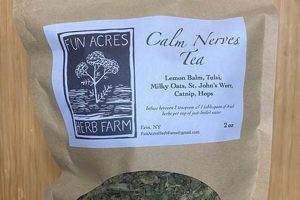
Certain herbal infusions, while often consumed for their perceived health benefits, may, in specific circumstances, contribute to a reduction in overall hydration levels. This potential stems from the diuretic properties present in some herbs, which can increase urine production and, consequently, fluid loss from the body. An example includes infusions containing senna, known for its laxative effect and resultant fluid excretion.
Maintaining adequate hydration is vital for numerous physiological functions, including temperature regulation, nutrient transportation, and waste removal. Historically, herbal remedies have been utilized for various ailments, but the impact of these remedies on fluid balance was not always fully understood. A comprehensive understanding of herbal properties and their effects on the body’s fluid regulation is essential for responsible consumption and health management.
The subsequent sections will delve into the specific herbs associated with diuretic effects, explore the factors that influence the hydration impact of herbal beverages, and provide guidelines for mitigating potential dehydration risks when incorporating these beverages into a dietary regimen.
Mitigating Dehydration Risk Associated with Herbal Infusions
The following guidelines aim to provide strategies for minimizing the potential for fluid loss when consuming herbal beverages with diuretic properties.
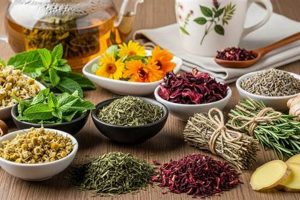
Tip 1: Identify Diuretic Herbs: Prior to regular consumption, research the properties of the herbs present in the infusion. Herbs such as dandelion, juniper, parsley, and hibiscus are known to possess diuretic effects. Awareness of these properties facilitates informed consumption.
Tip 2: Moderate Consumption: Limiting the quantity of herbal beverages consumed is crucial, particularly if they contain known diuretics. Overconsumption can lead to excessive fluid loss and electrolyte imbalance. Diluting the beverage may also reduce its potency.
Tip 3: Hydrate Proactively: Supplement herbal tea consumption with ample plain water throughout the day. This ensures that overall fluid intake remains adequate to compensate for any increased urine production induced by the infusion.
Tip 4: Monitor Urine Output: Observe the frequency and volume of urination following herbal tea consumption. A significant increase in urine output may indicate a need to adjust fluid intake or reduce herbal tea consumption.
Tip 5: Consider Timing: Avoid consuming herbal teas with diuretic properties immediately before activities where access to restroom facilities is limited, such as during long journeys or meetings. Also, avoid consumption late in the evening to prevent disrupted sleep due to frequent urination.
Tip 6: Pay Attention to Individual Sensitivities: Individuals may react differently to various herbs. It is important to be attentive to personal physiological responses and adjust consumption accordingly. Discontinue use if adverse effects are experienced.
Tip 7: Consult a Healthcare Professional: Individuals with pre-existing medical conditions, particularly kidney or cardiovascular issues, or those taking medications, should consult a healthcare professional before regularly consuming herbal teas, to ensure there are no contraindications.
The careful implementation of these strategies can help to ensure that enjoyment of herbal teas does not compromise overall hydration levels and health.
The subsequent section will summarize the critical considerations presented within this article.
1. Diuretic Herbs

The potential for herbal tea to induce dehydration is directly linked to the presence and concentration of diuretic herbs within the infusion. Diuretic herbs, by definition, promote increased urine production, thereby facilitating the expulsion of fluids from the body. This process, while sometimes therapeutically desirable for conditions like edema, can inadvertently lead to dehydration if fluid intake does not adequately compensate for the increased fluid loss. Examples of commonly used diuretic herbs include dandelion (Taraxacum officinale), juniper (Juniperus communis), parsley (Petroselinum crispum), and hibiscus (Hibiscus sabdariffa). The efficacy of these herbs in promoting diuresis is attributed to various bioactive compounds they contain, which affect renal function and electrolyte balance. The understanding of this relationship is significant because it empowers individuals to make informed choices regarding herbal tea consumption, particularly those with pre-existing conditions that could be exacerbated by fluid imbalances.
The concentration of diuretic compounds within a given herbal tea can vary significantly depending on factors such as the herb species, growing conditions, harvesting methods, and preparation techniques. Steep time, water temperature, and the amount of herb used all influence the extraction of these compounds into the final infusion. Therefore, the dehydrating potential of an herbal tea is not solely dependent on the presence of diuretic herbs but also on the strength of the brew. For example, a weak infusion of dandelion leaf tea may have minimal diuretic effect, whereas a concentrated decoction of juniper berries would likely induce significant fluid loss. Furthermore, the interaction of multiple diuretic herbs in a blend can have a synergistic effect, amplifying the overall diuretic potential of the tea.
In summary, the presence of diuretic herbs is a primary determinant of an herbal tea’s potential to contribute to dehydration. The strength of the infusion, the specific herbs included, and individual physiological responses all play crucial roles in determining the net impact on fluid balance. Awareness of these factors and responsible consumption practices are essential to mitigate the risk of dehydration and ensure the safe and beneficial use of herbal teas. This understanding necessitates proactive hydration strategies, particularly when consuming herbal teas known to possess diuretic properties.
2. Consumption Volume

The volume of herbal tea consumed directly influences the likelihood of dehydration, particularly when the infusion contains diuretic herbs. Increased consumption escalates fluid intake, but simultaneous diuretic action can negate the hydrating effect, resulting in a net fluid deficit. This cause-and-effect relationship highlights the importance of consumption volume as a crucial component of evaluating an herbal tea’s potential to dehydrate. For instance, drinking a single cup of chamomile tea before bed is unlikely to cause dehydration, but consistently consuming several large mugs of dandelion root tea throughout the day significantly increases the risk. The practical significance of this understanding lies in the ability to moderate intake based on individual needs and herbal properties.
The impact of consumption volume is further modulated by individual physiological factors, such as kidney function and overall hydration status. Individuals with compromised kidney function may be more susceptible to dehydration even with moderate consumption volumes, as their kidneys may not efficiently regulate fluid balance. Conversely, those who habitually consume ample water may be better equipped to tolerate higher volumes of diuretic herbal teas without experiencing significant dehydration. Professional athletes, for example, who intentionally use diuretics to “make weight,” demonstrate a controlled manipulation of fluid balance that requires precise knowledge of consumption volume and physiological response.
Ultimately, responsible herbal tea consumption necessitates an awareness of the delicate balance between fluid intake and fluid loss. Monitoring urine output, adjusting water intake accordingly, and being mindful of the diuretic potency of specific herbs are all essential steps in mitigating the risk of dehydration. While herbal teas can offer various health benefits, excessive consumption, particularly of diuretic varieties, should be approached with caution. Understanding the relationship between consumption volume and potential dehydration allows individuals to make informed decisions about their herbal tea habits, promoting both hydration and overall well-being.
3. Individual Sensitivity

Individual physiological responses to herbal teas exhibit considerable variation, making individual sensitivity a critical factor in assessing the potential for dehydration. The same herbal tea, consumed in equal quantities, can have markedly different effects on fluid balance across individuals. This variation necessitates a personalized approach to herbal tea consumption, particularly concerning diuretic varieties.
- Metabolic Rate and Kidney Function
Metabolic rate influences the speed at which the body processes and eliminates fluids. Individuals with higher metabolic rates may experience a more rapid diuretic effect from certain herbs, potentially leading to greater fluid loss. Kidney function plays a similar role; compromised kidney function can impair the organ’s ability to regulate fluid and electrolyte balance, increasing susceptibility to dehydration. For example, an elderly individual with reduced kidney function might experience dehydration from a mild diuretic tea that a younger, healthier person would tolerate without issue.
- Body Weight and Composition
Body weight and composition influence fluid distribution and requirements. Individuals with lower body weight or lower muscle mass, which tends to hold more water, may be more susceptible to dehydration from diuretic herbs. Furthermore, the proportion of body fat can impact hydration levels, as fat tissue contains less water than muscle tissue. As a result, two individuals consuming the same herbal tea may experience different levels of fluid depletion depending on their body composition.
- Underlying Medical Conditions
Pre-existing medical conditions significantly influence individual sensitivity to the dehydrating effects of herbal teas. Conditions such as diabetes, kidney disease, and cardiovascular disorders can compromise the body’s ability to regulate fluid balance. Individuals with these conditions are often advised to exercise caution when consuming diuretic herbs, as they may be at increased risk of dehydration and related complications. In some cases, certain herbs may also interact with medications, further complicating their impact on fluid balance.
- Medication Interactions
The interaction between herbal components and pharmaceutical medications can amplify or diminish diuretic effects. Certain medications possess diuretic properties, and their concurrent use with diuretic herbs may exacerbate fluid loss. Conversely, other medications may affect kidney function or electrolyte balance, altering an individual’s response to herbal teas. Seeking guidance from a healthcare professional or pharmacist is crucial to identify potential interactions and mitigate the risk of adverse effects, including dehydration.
These multifaceted aspects of individual sensitivity underscore the complexity of assessing the dehydrating potential of herbal teas. Considering these variables and exercising caution when consuming diuretic herbs is vital for maintaining adequate hydration and overall well-being. Monitoring individual responses and adjusting consumption accordingly is also imperative, particularly for those with pre-existing medical conditions or those taking medications that may affect fluid balance.
4. Hydration Balance
Hydration balance, the equilibrium between fluid intake and fluid output, is intrinsically linked to the question of whether herbal tea can induce dehydration. The intake of herbal tea containing diuretic compounds can disrupt this balance by increasing fluid excretion, thus tilting the scale towards dehydration. The maintenance of this balance is vital for numerous physiological processes, including thermoregulation, nutrient transport, and waste removal. For instance, excessive consumption of herbal teas containing senna or dandelion can lead to increased urine production, potentially resulting in dehydration if fluid intake does not compensate for the loss. Therefore, the question of whether herbal tea can dehydrate necessitates a careful consideration of hydration balance.
The impact of herbal teas on hydration balance is not solely determined by their diuretic properties; individual factors, such as kidney function, sweat rate, and concurrent fluid intake, also play a significant role. For example, an individual with compromised kidney function may be more susceptible to dehydration from even moderate consumption of diuretic herbal teas. Conversely, someone with a high sweat rate due to physical activity may require a higher fluid intake to maintain balance, regardless of herbal tea consumption. Proper understanding of this interplay allows for informed consumption practices. Specifically, pairing diuretic herbal tea consumption with adequate plain water intake mitigates the dehydrating effects.
In summary, the connection between hydration balance and the potential for herbal tea to dehydrate underscores the need for mindful consumption. Maintaining hydration equilibrium requires awareness of the diuretic properties of certain herbal teas and individual physiological factors affecting fluid balance. The proactive approach involves compensating fluid losses induced by diuretic herbal teas with sufficient water intake. These integrated understandings ensure that individuals derive potential benefits from herbal teas without compromising their overall hydration status.
5. Pre-existing Conditions

Pre-existing medical conditions significantly influence the impact of herbal tea consumption on hydration levels. Individuals with specific health issues may experience an increased susceptibility to dehydration, even with moderate consumption of herbal teas that might be harmless for others. This stems from the potential interaction between diuretic properties present in certain herbs and underlying physiological vulnerabilities. For instance, individuals with kidney disease often have impaired fluid regulation, making them more prone to fluid imbalances exacerbated by diuretic herbs. Similarly, those with heart conditions may experience adverse effects from electrolyte imbalances caused by excessive fluid loss.
The significance of pre-existing conditions as a component of understanding the dehydrating potential of herbal tea lies in the need for personalized consumption guidelines. Individuals with diabetes, for example, should carefully monitor blood sugar levels when consuming herbal teas, as some herbs can influence glucose metabolism. Furthermore, individuals taking medications should be aware of potential interactions between herbal constituents and their prescribed drugs, which can alter fluid balance. A real-life example involves individuals taking diuretics for hypertension, who may experience amplified fluid loss when consuming herbal teas containing diuretics like dandelion or hibiscus, leading to potentially dangerous drops in blood pressure.
In conclusion, the presence of pre-existing medical conditions fundamentally alters an individual’s response to herbal teas, especially those with diuretic properties. Awareness of these interactions and personalized consumption practices are crucial for mitigating the risk of dehydration and potential adverse effects. Individuals with underlying health issues should consult healthcare professionals before incorporating herbal teas into their diet to ensure safety and avoid complications related to fluid and electrolyte imbalances. The potential benefits of herbal teas must be weighed against the risks, acknowledging the increased vulnerability conferred by pre-existing health states.
6. Counteracting Measures
The potential for herbal tea to induce dehydration necessitates the implementation of specific strategies to mitigate fluid loss and maintain hydration balance. These counteracting measures are not merely suggestions, but rather critical components of responsible herbal tea consumption, especially concerning varieties known for their diuretic properties. The effectiveness of such measures directly influences whether herbal tea contributes to, or detracts from, overall hydration status.
- Increased Water Intake
Augmenting plain water intake is paramount. Increased water consumption directly compensates for the fluid-expelling effects of diuretic herbs present in certain teas. For instance, following a cup of dandelion tea with an equivalent volume of water helps offset the diuretic action. This ensures that the body maintains sufficient fluid reserves despite increased urine production. Insufficient water intake, conversely, amplifies the risk of dehydration, rendering the herbal tea’s dehydrating potential more pronounced.
- Electrolyte Replenishment
Diuresis induced by herbal teas can lead to electrolyte imbalances, particularly the loss of sodium and potassium. Replenishing these electrolytes is essential for maintaining proper cellular function and fluid balance. Consuming electrolyte-rich foods or beverages, such as fruits, vegetables, or specially formulated electrolyte solutions, can mitigate this loss. Ignoring electrolyte balance can result in muscle cramps, fatigue, and other adverse effects, exacerbating the symptoms of dehydration.
- Moderation of Herbal Tea Consumption
Limiting the quantity and frequency of herbal tea consumption is a direct counteracting measure. Excessive intake of diuretic herbal teas overwhelms the body’s ability to maintain fluid balance, even with increased water intake. Moderation involves restricting consumption to a reasonable amount, spacing out servings throughout the day, and avoiding consumption late in the evening to prevent disrupted sleep due to frequent urination. Failing to moderate consumption negates other counteracting efforts and heightens the risk of dehydration.
- Strategic Timing of Consumption
The timing of herbal tea consumption can influence its impact on hydration. Avoiding consumption immediately before activities where access to restroom facilities is limited or during periods of intense physical activity minimizes the inconvenience and potential risks associated with increased urination. Instead, consuming herbal tea during periods of rest allows the body to better manage fluid balance. Strategic timing maximizes the benefits of herbal tea while minimizing its potential for disruption.
The successful implementation of these counteracting measures directly determines whether herbal tea contributes to dehydration or remains a harmless or even hydrating beverage. The active engagement in these practices, therefore, is essential for responsible herbal tea consumption, particularly for those with pre-existing conditions or those sensitive to the diuretic effects of certain herbs. Neglecting these strategies undermines the potential benefits of herbal tea and increases the likelihood of adverse effects related to fluid imbalance.
Frequently Asked Questions
The following questions and answers address common concerns and misconceptions surrounding the relationship between herbal tea consumption and dehydration.
Question 1: Are all herbal teas inherently dehydrating?
No, not all herbal teas possess dehydrating properties. The diuretic effect, which contributes to fluid loss, is primarily associated with specific herbs. Teas made from herbs without diuretic properties, such as chamomile or rooibos, are generally considered hydrating and do not significantly contribute to dehydration.
Question 2: Does the temperature of the herbal tea affect its dehydrating potential?
The temperature of the herbal tea itself does not directly influence its dehydrating potential. The presence and concentration of diuretic compounds in the herbs are the primary determinants of fluid loss. However, hotter beverages may indirectly influence fluid balance by increasing perspiration, which contributes to fluid depletion.
Question 3: Can adding honey or sugar to herbal tea influence its dehydrating effect?
Adding honey or sugar to herbal tea does not directly impact its dehydrating potential. The primary concern remains the presence and concentration of diuretic herbs. However, excessive sugar consumption can contribute to osmotic diuresis, a condition where the kidneys excrete more fluid to maintain glucose balance, potentially exacerbating dehydration.
Question 4: How does herbal tea consumption compare to coffee or caffeinated tea in terms of dehydration risk?
Herbal teas with diuretic properties pose a similar dehydration risk to caffeinated beverages like coffee or tea, as caffeine is a known diuretic. However, the specific diuretic effect can vary depending on the individual’s sensitivity and the concentration of diuretic compounds present. Herbal teas without diuretic properties are generally considered more hydrating than caffeinated beverages.
Question 5: What are the signs of dehydration caused by herbal tea consumption?
The signs of dehydration caused by herbal tea consumption are similar to those of general dehydration, including thirst, dry mouth, dark urine, decreased urine output, headache, dizziness, and fatigue. Monitoring these symptoms is crucial for identifying and addressing potential fluid imbalances.
Question 6: Is it safe to consume herbal tea regularly, considering the potential for dehydration?
Regular consumption of herbal tea can be safe if approached responsibly. Identifying and moderating consumption of diuretic varieties, ensuring adequate water intake, and monitoring individual physiological responses are essential. Individuals with pre-existing medical conditions should consult a healthcare professional before incorporating herbal teas into their daily routine.
The key takeaway is that understanding the specific properties of the herbs, practicing moderation, and maintaining overall hydration are essential to mitigating any potential dehydrating effects of herbal tea.
The subsequent section will summarize the crucial considerations for herbal tea consumption and its effect on dehydration.
The Question of Herbal Tea and Dehydration
This exploration into “can herbal tea dehydrate you” has revealed that the answer is not a simple affirmative or negative. The potential for dehydration depends on several interacting factors: the specific herbs present in the tea, the volume consumed, individual physiological characteristics, and the implementation of counteracting measures such as adequate water intake. Diuretic herbs, by their very nature, can increase fluid loss, necessitating careful consideration of the overall hydration balance. Pre-existing medical conditions further complicate the equation, potentially increasing vulnerability to dehydration. Individual sensitivity varies, requiring vigilant self-monitoring and adjustments to consumption practices.
Ultimately, responsible herbal tea consumption hinges on informed awareness and proactive hydration management. The inherent health benefits of herbal teas should not overshadow the potential for fluid imbalance, particularly for vulnerable populations. A comprehensive understanding of the principles outlined herein allows individuals to enjoy herbal teas safely and responsibly, ensuring that these beverages contribute to overall well-being rather than compromising it. Continued research into the specific diuretic effects of various herbs is warranted to further refine consumption guidelines and promote informed decision-making.