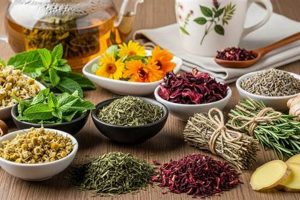
Infusions derived from herbs, spices, flowers, and other plant materials, often consumed as a beverage, generally possess negligible caloric content. The energy value of these drinks stems primarily from any added ingredients, such as sweeteners or milk products, rather than the plant matter itself. For example, a cup of chamomile tea brewed solely with dried flowers and water will contain very few calories, while the addition of honey will significantly increase the energy value.
The appeal of these beverages lies in their potential health advantages and comforting characteristics. Historically utilized for medicinal purposes across various cultures, these infusions offer a caffeine-free alternative to coffee and traditional tea. Furthermore, many varieties are rich in antioxidants and other beneficial compounds, contributing to overall well-being and promoting relaxation.
The subsequent discussion will delve into specific varieties and explore the factors that influence the potential energy contribution of these popular and healthful drinks. Understanding these factors enables consumers to make informed choices regarding their beverage consumption and dietary considerations.
Consumption Guidance
This section provides guidance for those mindful of energy intake when selecting herbal infusions.
Tip 1: Prioritize Pure Infusions: Opt for preparations consisting solely of herbs and water. Avoid pre-packaged blends that may contain added sugars or flavor enhancers, which contribute to caloric content.
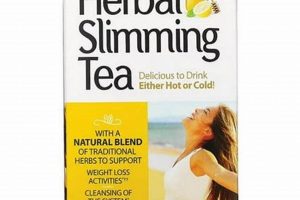
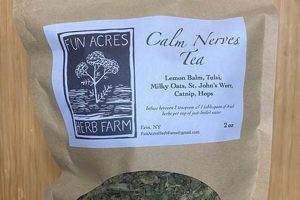
Tip 2: Scrutinize Ingredient Labels: Carefully examine ingredient lists on packaged teas. Be wary of hidden sugars such as dextrose, fructose, or corn syrup.
Tip 3: Limit Sweeteners: If sweetness is desired, employ natural, low-calorie options like stevia or a small amount of unsweetened fruit puree. Avoid artificial sweeteners where possible.
Tip 4: Consider Dairy Alternatives: When incorporating milk or cream, choose unsweetened almond milk or other low-calorie dairy substitutes to minimize the energy value.
Tip 5: Brew at Home: Preparing infusions at home allows for complete control over ingredients and eliminates the risk of unexpected additives found in commercially prepared versions.
Tip 6: Be Mindful of Portion Size: While herbal infusions are low in energy, consuming excessive quantities with added sweeteners can still contribute to overall caloric intake.
Tip 7: Read Nutrition Facts: If purchasing pre-made herbal tea blends, review the nutrition facts panel to understand the serving size, caloric content, and other relevant nutritional information before consumption.
By adhering to these recommendations, individuals can enjoy the benefits of herbal infusions while maintaining awareness of energy consumption and making informed dietary choices.
The following section will provide a concluding summary of the information presented.
1. Negligible Baseline

The term “negligible baseline,” in the context of herbal infusions, denotes the fundamentally low caloric content inherent to these beverages when brewed solely with hot water and dried plant matter. This baseline is established by the minimal carbohydrates, fats, and proteins extracted from the herbs during the infusion process. For example, a cup of peppermint tea prepared only with dried peppermint leaves and boiling water contributes virtually no measurable calories to the consumer’s daily intake. This forms a foundational understanding when evaluating the overall energy content of herbal tea preparations.
The significance of this negligible baseline lies in its role as a point of departure for assessing the impact of added ingredients. Sweeteners, dairy products, and even fruit juices can dramatically increase the energy value of an otherwise low-calorie beverage. Understanding the baseline allows individuals to make informed decisions regarding additions and portion sizes. In contrast to sugar-sweetened beverages or calorie-dense smoothies, unadulterated herbal tea presents a virtually calorie-free hydration option.
In summary, the negligible baseline represents the inherent caloric advantage of herbal infusions. Recognizing this characteristic enables health-conscious consumers to leverage these beverages as a hydrating and potentially beneficial dietary component without significantly contributing to overall energy intake. The impact of additions must be carefully considered to maintain the low-calorie profile.
2. Added Sweeteners
The addition of sweeteners represents a primary determinant of caloric content in herbal infusions. While the base infusion possesses negligible energy value, the introduction of sucrose, fructose, honey, or other sweetening agents directly elevates the beverage’s caloric density. The magnitude of this increase correlates directly with the type and quantity of sweetener employed. For instance, a teaspoon of granulated sugar contributes approximately 16 calories, whereas a tablespoon of honey contains roughly 64 calories. Consequently, even a seemingly small addition can significantly impact the overall energy value.
Consider the scenario of preparing a cup of rosehip tea. Absent any additives, the caloric contribution remains minimal. However, if the individual incorporates two teaspoons of sugar to enhance palatability, the resulting beverage now contains approximately 32 additional calories. Over the course of a day, multiple such additions across several cups of tea can accumulate to a substantial caloric intake. This effect is particularly pronounced with the use of concentrated sweeteners like syrups or agave nectar, which possess a higher caloric density per unit volume compared to granulated sugar. Furthermore, the continuous consumption of sweetened herbal teas could inadvertently contribute to dietary patterns associated with weight gain and metabolic dysregulation.
In conclusion, added sweeteners serve as a pivotal factor in determining the caloric content of herbal teas. While the inherent energy value of the infusion remains low, the selection and quantity of sweetening agents exert a disproportionate influence on the final caloric load. Therefore, individuals seeking to manage their energy intake should exercise caution and moderation when incorporating sweeteners into these beverages, opting for low-calorie alternatives or consuming the tea unsweetened whenever possible to preserve its health benefits without unnecessary caloric contribution.
3. Milk inclusion

The inclusion of milk in herbal tea significantly augments its caloric content. Herbal teas, in their pure form, possess a negligible energy value. Milk, however, introduces calories primarily from its fat and lactose components. The magnitude of this increase depends on the type of milk used; whole milk contributes a greater number of calories compared to skim or plant-based alternatives. For instance, adding one-quarter cup of whole milk to a cup of herbal tea introduces approximately 40 calories, altering the beverage from a virtually calorie-free option to one with a measurable energy impact. Therefore, milk inclusion transforms a low-calorie infusion into a more substantial source of dietary energy. This consideration is particularly pertinent for individuals monitoring their caloric intake or managing conditions such as diabetes, where carbohydrate intake, including lactose from milk, requires careful management.
The impact of milk extends beyond merely increasing caloric content; it also affects the macronutrient profile of the beverage. Milk contributes protein and fat, influencing satiety and potentially altering the absorption of certain compounds present in the herbal infusion. For example, the fat in milk may enhance the absorption of fat-soluble vitamins found in some herbs. Conversely, the protein in milk might bind to certain polyphenols, potentially reducing their bioavailability. The choice of milk also plays a crucial role. Plant-based milks, such as almond or soy milk, generally contain fewer calories than dairy milk but may also possess distinct nutritional profiles, affecting the overall health benefits and the resulting “calories in herbal tea.”
In summary, milk inclusion substantially modifies the caloric and nutritional composition of herbal tea. The type and quantity of milk used determine the extent of this change, impacting the beverage’s suitability for individuals with specific dietary needs or health goals. While milk can add nutritional value, it also introduces calories that must be accounted for when considering the overall dietary implications of herbal tea consumption. Therefore, thoughtful consideration of milk alternatives and portion control are paramount when incorporating milk into herbal infusions.
4. Ingredient Analysis

Ingredient analysis is fundamentally linked to determining the caloric content of herbal tea. The composition of the herbal blend, including the presence of added components, directly influences the final energy value of the beverage. A thorough examination of each ingredient is therefore essential for accurate assessment.
- Herbal Composition
The specific herbs included in a tea blend contribute a negligible amount of calories in their pure, unprocessed state. However, variations in plant matter, such as the inclusion of fruit pieces or flower petals, can introduce trace amounts of sugars. These amounts are generally minimal but must be considered in a comprehensive analysis. For example, a blend containing dried apple pieces may contribute slightly more calories than one composed solely of dried leaves.
- Added Sweeteners
The presence and type of added sweeteners significantly impact caloric content. Ingredient lists must be scrutinized for sugars, syrups, and artificial sweeteners. The quantity of these additives directly correlates with the increase in calories per serving. For example, a pre-packaged herbal tea blend listing sugar as the second ingredient will invariably have a higher caloric value than a blend with no added sweeteners.
- Flavor Enhancers
Certain flavor enhancers, such as fruit powders or concentrated juice extracts, can contribute both flavor and calories to herbal tea blends. While these additives may be present in small quantities, they can still impact the overall energy value, particularly if multiple enhancers are combined. For instance, a “raspberry-flavored” herbal tea might contain raspberry juice concentrate, which contributes a small amount of fructose and therefore, calories.
- Other Additives
Other ingredients, like citric acid or natural flavors, generally contribute negligible calories. However, it’s essential to verify the composition of “natural flavors,” as these can sometimes contain trace amounts of sugars or other caloric compounds. While the impact is usually minimal, a complete ingredient analysis accounts for all potential sources of energy, regardless of their magnitude.
In summary, a comprehensive ingredient analysis provides the necessary data to accurately estimate the caloric content of herbal tea. By carefully examining each component, including herbs, sweeteners, flavor enhancers, and other additives, a more precise understanding of the beverage’s energy value can be achieved. This information is crucial for individuals monitoring their caloric intake and making informed dietary choices. It is also necessary when calculating the “calories in herbal tea”.
5. Brewing method
The brewing method, while not directly introducing calories to herbal tea, influences the extraction of compounds from the plant material, potentially affecting the concentration of any trace caloric components present. While the inherent caloric content of most herbs is negligible, variations in brewing time, water temperature, and the use of agitation can alter the extent to which these components are released into the infusion. For instance, prolonged steeping at high temperatures might extract more soluble carbohydrates or other organic compounds than a brief, cooler infusion. This extraction process, although minimal in its caloric impact, represents a subtle link between the brewing method and the final composition of the tea.
The practical significance of this connection lies primarily in the standardization of herbal tea preparation. Consistent brewing techniques help to ensure a relatively uniform concentration of active compounds and, by extension, a consistent caloric profile. Variability in brewing can lead to unpredictable fluctuations in the tea’s characteristics, including its flavor, aroma, and potentially, its trace caloric content. In cases where specific herbal constituents are desired for their purported health benefits, a controlled brewing process is crucial for maximizing their extraction. Although calories may not be the primary concern, a standardized approach contributes to the overall predictability and reproducibility of the tea’s properties.
In conclusion, the brewing method exerts an indirect influence on the caloric content of herbal tea by affecting the extraction of plant compounds. While the caloric impact is generally minimal, adhering to consistent brewing practices helps to standardize the tea’s composition and ensures a more predictable product. This consideration is particularly relevant when aiming for specific health benefits or when attempting to minimize variability in the tea’s characteristics. The goal is to be precise about the “calories in herbal tea”.
6. Serving size
Serving size constitutes a fundamental factor in determining the caloric impact of herbal tea consumption. While the beverage itself may possess a low or negligible caloric density, the quantity consumed directly influences the total energy intake derived from any additives or inherent trace caloric components.
- Standard Measurement
A standard serving size of herbal tea is typically defined as one cup, equivalent to approximately 8 fluid ounces (240 milliliters). Caloric estimations for herbal tea generally refer to this standard measure. Deviations from this volume, whether through larger mugs or multiple servings, proportionally alter the total caloric intake. For instance, consuming two cups of tea with added honey doubles the caloric contribution from the sweetener.
- Additive Proportionality
The caloric impact of additives, such as sweeteners or milk, is directly proportional to the serving size. A larger cup of tea accommodates a greater quantity of these additions, resulting in a correspondingly higher caloric value. Individuals should be mindful of the concentration of additives relative to the serving size to accurately assess the energy content of their beverage. Using a larger serving size typically makes consumers add more additives.
- Cumulative Effect
The cumulative effect of multiple servings throughout the day must be considered. Even small caloric contributions from each serving can accumulate to a significant total over time. Individuals who habitually consume several cups of sweetened or milk-infused herbal tea should be particularly attentive to serving sizes and additive quantities to manage their overall caloric intake. For example, if a person drinks 5 cups of herbal tea a day, they must be precise about the serving sizes.
In summary, the serving size of herbal tea directly modulates its caloric impact. Adherence to standard serving measures and careful monitoring of additive quantities are essential strategies for controlling caloric intake from this beverage. Awareness of the cumulative effect of multiple servings further enhances the ability to manage dietary energy consumption effectively and keep the amount of “calories in herbal tea” precise.
7. Tea Variety

The selection of tea variety exerts a subtle yet discernible influence on the caloric profile of herbal infusions. While most herbal teas, when prepared with water alone, possess negligible caloric content, inherent differences in the composition of various herbs can lead to variations in the trace amounts of extractable compounds, including sugars and carbohydrates. For example, fruit-based herbal teas, such as rosehip or hibiscus, may inherently contain slightly more natural sugars than leaf-based teas like peppermint or chamomile. This difference, though often minimal, contributes to the overall caloric content of the beverage.
Furthermore, the perceived need for sweetening can be influenced by the specific variety of herbal tea. Teas with tart or bitter notes, such as dandelion or nettle, may prompt individuals to add sweeteners to enhance palatability, indirectly increasing the caloric content. Conversely, naturally sweeter herbal teas like licorice root or rooibos may require less or no added sweeteners, thereby maintaining a lower caloric profile. Consequently, tea variety acts as a determinant of caloric intake, both through its inherent composition and through its impact on sweetener usage. The choice of tea, based on individual preferences, can therefore contribute to overall dietary management.
In summary, while the caloric content of most herbal teas is minimal, tea variety introduces a subtle nuance to the equation. The inherent composition of different herbs, coupled with its influence on the need for sweeteners, renders tea variety a relevant factor in assessing the overall caloric impact of herbal infusions. Careful consideration of tea variety, alongside awareness of potential additives, empowers individuals to make informed choices that align with their dietary objectives.
Frequently Asked Questions
The following section addresses common inquiries regarding the energy content of herbal infusions, providing clarity on factors influencing caloric values.
Question 1: Does plain herbal tea contain calories?
Generally, herbal tea prepared solely with hot water and dried herbs contains a negligible number of calories, often considered to be close to zero. The plant matter contributes minimal carbohydrates, fats, or proteins.
Question 2: How do sweeteners affect the caloric content of herbal tea?
Sweeteners such as sugar, honey, or syrup significantly increase the caloric value. A single teaspoon of sugar adds approximately 16 calories, while honey contributes around 21 calories. The type and amount of sweetener directly determine the extent of caloric increase.
Question 3: Does the addition of milk or cream impact the caloric value?
Yes, milk and cream contribute calories primarily from their fat and lactose content. The caloric impact varies depending on the type of milk used, with whole milk containing more calories than skim or plant-based alternatives. Approximately 40 calories are added by one-quarter cup of whole milk.
Question 4: Are pre-packaged herbal tea blends calorie-free?
Not necessarily. Pre-packaged blends may contain added sugars, flavor enhancers, or other caloric ingredients. It is crucial to examine the ingredient list and nutrition facts panel to ascertain the caloric content per serving.
Question 5: Does the type of herb influence the caloric content?
While the difference is often minimal, fruit-based herbal teas may inherently contain slightly more natural sugars than leaf-based teas, leading to subtle variations in caloric content. The type of herb can also influence the need for sweeteners, indirectly affecting the caloric value.
Question 6: Does brewing time affect the caloric content?
The brewing time could affect the caloric content, as more components will be extracted from the tea. Despite this fact, the extracted components contribute with very low calories, as the majority of calories in herbal tea comes from milk and sweeteners.
In summary, the caloric content of herbal tea hinges primarily on added ingredients such as sweeteners and dairy products. Careful attention to serving sizes and ingredient lists enables individuals to make informed choices regarding energy intake from this beverage.
The subsequent section offers concluding remarks on managing caloric consumption through herbal tea choices.
Conclusion
The preceding analysis establishes that “calories in herbal tea” are largely contingent upon additives rather than the herbal infusion itself. The inherent energy value of most herbal teas, brewed solely with water, is negligible. However, the introduction of sweeteners, dairy products, or other caloric ingredients significantly elevates the beverage’s energy density. Therefore, individuals seeking to minimize caloric intake should exercise caution when incorporating such additives.
Given the widespread consumption of herbal teas and their potential health benefits, understanding the nuanced factors influencing their caloric content is crucial. Informed choices regarding ingredients and serving sizes empower consumers to enjoy these beverages without compromising dietary goals. Continued awareness and diligent label reading remain essential strategies for managing caloric consumption effectively and maintaining a balanced dietary approach.