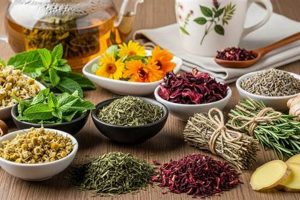
Beverages brewed from the Camellia sinensis plant, processed to undergo oxidation, stand in contrast to infusions made from herbs, spices, flowers, fruits, and other botanicals. The former originates from tea leaves, while the latter utilizes a diverse range of plant materials.
Understanding the difference is essential for informed dietary choices. The oxidized variety offers benefits such as providing antioxidants and, depending on preparation, caffeine. The botanical infusion, conversely, presents a caffeine-free option, potentially providing unique advantages based on its specific plant composition. Historically, each has played distinct roles in cultures worldwide, from traditional medicine to social rituals.
The subsequent discussion will delve into the processing, flavor profiles, potential health implications, and common uses of these two distinct categories of hot beverages, offering a clearer perspective on their individual characteristics and contributions to overall well-being.
Distinguishing Between Infusions and Oxidized Tea
Selecting the appropriate beverage requires understanding key differences. Consider the following practical tips to make informed choices aligned with individual needs and preferences.
Tip 1: Caffeine Content Assessment: Evaluate the caffeine level needed. Oxidized variations inherently contain caffeine, influencing alertness. Herbal infusions offer a naturally caffeine-free alternative.
Tip 2: Flavor Profile Differentiation: Sample diverse flavor profiles to identify personal preferences. Oxidized types range from robust and malty to light and floral. Botanical types provide an extensive spectrum, encompassing fruity, spicy, and earthy notes.
Tip 3: Ingredient Sourcing and Quality Verification: Prioritize reputable sources. Quality significantly impacts flavor and potential health benefits. Look for clear labeling regarding origin and processing methods.
Tip 4: Health Consideration Alignment: Examine potential health effects. Oxidized versions may contribute antioxidants and support cardiovascular health, while certain herbal types may offer specific benefits, such as chamomile for relaxation or ginger for digestion.
Tip 5: Brewing Method Optimization: Adhere to recommended brewing times and temperatures. Incorrect preparation can alter flavor and potentially diminish beneficial compounds.
Tip 6: Occasion-Based Selection: Choose appropriate selections based on the occasion. Oxidized versions may be more suitable for morning consumption due to the caffeine content, while herbal types can provide a calming effect in the evening.
Tip 7: Consider Blends and Mixtures: Explore pre-made or custom blends of either variety. Carefully assess the ingredients in blends to ensure they align with individual preferences and health considerations.
These considerations offer a framework for making discerning choices between these hot beverages, ensuring selection aligns with personal taste, desired effects, and health goals.
The final section will summarize the core distinctions and offer a concluding perspective on the role of each option within a balanced lifestyle.
1. Oxidation

Oxidation serves as the defining process that differentiates true oxidized tea from herbal infusions. The term refers to the enzymatic browning reaction that occurs when tea leaves are exposed to oxygen after harvesting. This process, carefully controlled by tea producers, transforms the chemical composition of the leaves, resulting in the development of characteristic flavors and darker coloration of the final product. Herbal infusions, by definition, bypass oxidation entirely, relying on the inherent flavors and properties of the raw plant materials from which they are brewed. Without oxidation, the Camellia sinensis plant yields other types of tea.
The importance of oxidation lies in its ability to unlock the unique taste profiles associated with black teas. The process converts catechins, naturally present in fresh tea leaves, into theaflavins and thearubigins. These compounds impart the bold, malty, and robust flavors associated with black teas. Insufficient oxidation can result in a light flavor, while over-oxidation can produce bitter and undesirable tastes. As oxidation does not occur with herbal materials, the flavor is from the natural taste of herbs and ingredients.
In summary, oxidation is crucial for determining a specific variety. Understanding the presence or absence of this oxidation process is fundamental to understanding its effects and its overall impact. This distinction allows consumers to appreciate their individual qualities and make informed choices based on personal preference and desired health benefits.
2. Caffeine

Caffeine constitutes a primary differentiator between traditional oxidized tea and herbal infusions. As a naturally occurring stimulant found in Camellia sinensis leaves, caffeine exerts physiological effects, influencing alertness and cognitive function. The oxidized variety contains varying levels of caffeine, dependent on factors such as tea type, leaf grade, and brewing method. In contrast, herbal infusions, derived from diverse botanical sources, are inherently caffeine-free.
The presence or absence of caffeine plays a significant role in beverage selection, influencing consumer choice based on desired outcomes. Individuals seeking a stimulating effect may opt for oxidized types to enhance focus and combat fatigue. Conversely, those sensitive to stimulants or seeking relaxation frequently choose herbal infusions as a caffeine-free alternative. For example, a student preparing for an exam might select a black tea to improve concentration, while a person winding down before sleep might prefer chamomile.
In summation, caffeine’s presence in oxidized tea and absence in herbal infusions represents a critical distinction guiding consumer selection. Awareness of this difference enables informed decisions aligned with individual physiological needs and lifestyle preferences. Recognizing the effects of caffeine allows for the optimized use of beverages to achieve desired states of alertness or relaxation, thereby enhancing overall well-being.
3. Source

The geographical origin and specific plant material serve as a fundamental point of divergence between beverages brewed from Camellia sinensis and those derived from herbal infusions. Understanding these source distinctions is critical for appreciating the unique characteristics and potential health implications of each beverage type.
- Camellia sinensis Origins
True oxidized varieties originate exclusively from the Camellia sinensis plant, cultivated in various regions across the globe. These regions, including China, India, Sri Lanka, and Africa, impart unique characteristics to the final product due to variations in climate, soil composition, and cultivation techniques. For example, Darjeeling leaves from India are known for their floral notes, while Assam leaves from the same country offer a malty profile. Understanding the origin allows consumers to anticipate flavor nuances.
- Botanical Diversity in Herbal Infusions
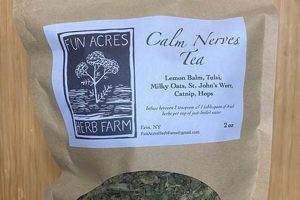
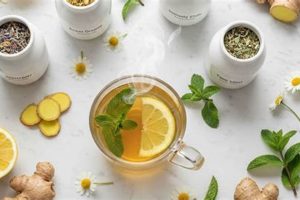
Herbal infusions, conversely, draw upon a vast array of plant sources. These infusions can be crafted from flowers (chamomile, lavender), leaves (peppermint, lemon balm), roots (ginger, licorice), fruits (rosehip, berries), and spices (cinnamon, cloves). This expansive range results in diverse flavor profiles and potential therapeutic properties. The specific source dictates the chemical composition and, therefore, the potential effects of the infusion.
- Ethical and Sustainability Considerations
The source also encompasses ethical and sustainability dimensions. Consumers may prioritize varieties sourced from producers committed to fair labor practices and environmentally responsible cultivation methods. The rise in demand for both oxidized and herbal options has prompted increased scrutiny of supply chains, with certifications such as Fair Trade and organic labels offering assurances of responsible sourcing.
In summary, the source represents a critical differentiating factor between oxidized tea and herbal infusions. The Camellia sinensis plant provides the foundation for one, while a diverse selection of botanicals underpins the other. Recognizing these distinctions enables consumers to make informed choices based on flavor preferences, desired health effects, and ethical considerations.
4. Flavor

Flavor fundamentally distinguishes the experience of consuming oxidized Camellia sinensis preparations from that of herbal infusions. The distinct flavors arise from differing chemical compositions and processing methods. In the former, oxidation yields theaflavins and thearubigins, imparting characteristic malty, brisk, or smoky notes. The resultant flavor ranges from light and floral to rich and robust, depending on factors such as cultivar, region, and oxidation level. Darjeeling, for example, possesses a delicate muscatel character, while Assam presents a bolder, more assertive profile. Herbal infusions, conversely, derive flavor from the inherent volatile oils, acids, and other compounds present in the infused plant material. Chamomile yields a gentle, apple-like flavor, while peppermint offers a cooling, mentholated sensation. The flavor possibilities are virtually limitless, mirroring the botanical diversity of the plant kingdom.
The importance of flavor extends beyond mere palatability; it influences consumer preference, perceived health benefits, and cultural significance. A consumer seeking a stimulating morning beverage might select an English Breakfast variety for its robust flavor and energizing effects. Conversely, one seeking relaxation before sleep might opt for a calming chamomile infusion. Flavor also plays a role in traditional medicine practices. The perceived efficacy of certain herbal remedies is often linked to specific flavor components. For instance, the pungent flavor of ginger is associated with its purported anti-inflammatory and digestive properties. Flavorings can be added to each and has been present for hundreds of years.
Flavor, therefore, constitutes a crucial element in differentiating oxidized tea from herbal infusions. It is not merely a sensory attribute but a complex interplay of chemical compounds, processing techniques, cultural associations, and perceived health benefits. Understanding the nuances of flavor profiles in each beverage type empowers consumers to make informed choices that align with their individual preferences, physiological needs, and cultural backgrounds. Further research in flavor will continue to emerge.
5. Benefits

The tangible advantages derived from consuming oxidized Camellia sinensis infusions versus herbal counterparts constitute a significant decision-making factor for consumers. The specific benefits depend largely on the beverage’s composition, which dictates its physiological effects. The oxidized variant, characterized by the presence of caffeine and antioxidant compounds, presents benefits related to increased alertness, cognitive enhancement, and potential cardiovascular protection. Conversely, herbal infusions, owing to their diverse botanical origins, offer a wider spectrum of benefits, ranging from relaxation and digestive support to immune modulation and anti-inflammatory effects. For example, individuals seeking to improve focus and productivity may choose oxidized types for their stimulating effects, while those experiencing digestive discomfort may turn to ginger or peppermint infusions for relief.
The distinction in benefits underscores the importance of understanding the unique properties of each beverage category. Oxidized types, due to their caffeine content, can provide a short-term boost in energy and concentration, making them suitable for situations requiring mental acuity. However, excessive consumption can lead to adverse effects such as anxiety, insomnia, and increased heart rate. Herbal infusions, being caffeine-free, provide a gentler alternative with a reduced risk of side effects. The benefits of these infusions often stem from specific bioactive compounds present in the infused plant material. Chamomile, for instance, contains apigenin, a compound that binds to receptors in the brain, promoting relaxation and reducing anxiety. The recognition and utilization of the benefits associated with Camellia sinensis and herbal infusions demonstrate informed and intentional beverage consumption.
In conclusion, the benefits linked to each represent a critical facet of their differentiation. The oxidized version provides stimulatory and antioxidant effects, while herbal infusions offer a wider range of benefits based on their botanical composition. Awareness of these benefits allows individuals to align their beverage choices with their specific needs and health goals, promoting responsible and informed consumption habits. Individual responses to all beverages vary, however, understanding the possible benefits provides insight into potential outcomes.
6. Brewing
Brewing techniques critically influence the final characteristics and perceived quality of both oxidized Camellia sinensis infusions and herbal counterparts. Precise control over brewing parameterswater temperature, steeping time, and leaf-to-water ratiois essential for extracting optimal flavor, aroma, and beneficial compounds from each beverage type. Deviations from recommended guidelines can lead to undesirable outcomes, such as bitterness, astringency, or a weak, flavorless infusion. Improper brewing obscures the inherent differences, preventing consumers from fully appreciating the nuances of each drink. For example, over-steeping oxidized varieties releases excessive tannins, resulting in a bitter taste, while under-steeping fails to fully extract the complex flavors. Conversely, delicate herbal infusions require lower water temperatures and shorter steeping times to prevent scalding and preserve volatile oils. The careful adjustment of brewing techniques is, therefore, paramount for maximizing the sensory experience and realizing the intended benefits.
Specific brewing practices further differentiate the preparation of oxidized tea from herbal infusions. Oxidized teas generally benefit from higher water temperatures (around 200-212F or 93-100C) to facilitate the extraction of tannins and other flavor compounds. Steeping times typically range from three to five minutes, depending on the leaf grade and desired strength. Certain herbal infusions, particularly those containing delicate flowers or leaves, require lower water temperatures (around 170-185F or 77-85C) to prevent damage to volatile oils and preserve their subtle flavors. Steeping times vary depending on the herb, ranging from five to ten minutes or longer for roots and barks. Infusion methods such as using a teapot or tea infuser differ. The vessel selected has a direct impact on flavor and texture.
In conclusion, brewing is a critical determinant of the quality and character of both oxidized Camellia sinensis preparations and herbal infusions. Mastering proper brewing techniques is essential for unlocking their full potential and appreciating their unique characteristics. Challenges arise from the diversity of leaf grades and herbal ingredients, necessitating a flexible approach to brewing. However, by adhering to general guidelines and experimenting with brewing parameters, consumers can optimize their beverage experience and fully appreciate the nuanced differences between black tea and herbal infusions.
7. Blending

Blending represents a significant intersection within the realm of oxidized Camellia sinensis and herbal infusions, enabling the creation of complex and nuanced flavor profiles. The practice involves combining different varieties or types of oxidized teas with each other, or incorporating herbs, spices, fruits, and other botanicals into either base. This results in synergistic effects, altering taste, aroma, and potential health benefits. The motivations behind blending range from achieving consistent flavor profiles across batches to introducing new and innovative taste experiences to consumers.
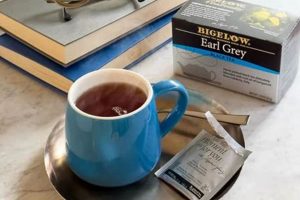
The implications of blending are multifaceted. In oxidized teas, blending different leaf grades or cultivars allows manufacturers to maintain a uniform product, mitigating variations caused by seasonal changes or regional differences. For instance, a breakfast blend might combine robust Assam leaves with brighter Ceylon leaves to create a balanced and consistent cup. Herbal infusions frequently incorporate blending to enhance flavor complexity or augment therapeutic properties. A blend designed to promote relaxation might combine chamomile, lavender, and lemon balm, each contributing unique sedative and calming effects. The skill and knowledge required to create successful blends are considerable, demanding an understanding of ingredient interactions and flavor compatibility. A poorly executed blend can result in discordant flavors or diminished health benefits, underscoring the importance of expertise in the blending process. Earl Grey tea is a classic example of blending. It combines black tea leaves with bergamot oil, extracted from the rind of the bergamot orange fruit, producing its signature citrusy aroma and flavor.
Blending is therefore a deliberate manipulation of ingredient combinations to optimize characteristics. Further, quality control and proper understanding of consumer needs create an outcome that benefits both manufacturer and consumer. Ethical sourcing and transparency in the process is required. In summation, blending in tea and herbal infusions is an art and science.
Frequently Asked Questions
The following section addresses common inquiries and misconceptions regarding the distinctions, properties, and consumption of beverages derived from Camellia sinensis and herbal infusions.
Question 1: What are the primary compounds that differentiate beverages made from oxidized Camellia sinensis from herbal infusions?
The presence of caffeine and theaflavins/thearubigins in oxidized versions contrasts with the absence of caffeine and presence of diverse phytochemicals specific to the infused plant in herbal versions. These compounds contribute to distinct physiological effects and sensory characteristics.
Question 2: Can oxidized types and herbal infusions be combined? What is the resulting effect?
Blending these beverages is possible, but the resulting flavor and physiological effects will reflect the combined properties of the ingredients. The presence of Camellia sinensis can influence the overall outcome.
Question 3: Are there specific times of day that certain ones are more suitable for consumption?
Due to the caffeine content, the oxidized variety is generally more appropriate for morning or early afternoon consumption. Herbal versions, particularly those with calming properties, are often favored in the evening.
Question 4: How do brewing parameters differ between the oxidized variety and herbal infusions?
Oxidized versions generally require higher water temperatures (90-100C) and shorter steeping times (3-5 minutes) than many herbal infusions, which often benefit from lower temperatures (70-85C) and longer steeping times (5-10 minutes).
Question 5: Are there potential allergenic concerns associated with either category?
Allergic reactions are possible with both categories, depending on individual sensitivities. Awareness of ingredients and potential cross-contamination is critical for individuals with known allergies.
Question 6: How does storage impact the quality and shelf life of each type?
Both benefit from storage in airtight containers away from light, heat, and moisture. Oxidized versions, especially those with lower oxidation, may degrade more rapidly than some herbal infusions. Check the labels for expiration dates.
The differentiation of the two beverages, from composition to benefits, ensures that informed and intentional consumption habits provide increased and sustained well-being.
Conclusion
This exploration of black tea vs herbal tea has illuminated the fundamental distinctions between these beverages, underscoring variations in origin, processing, chemical composition, and potential health effects. The oxidized Camellia sinensis plant delivers caffeine and unique flavor profiles, contrasting starkly with the caffeine-free and botanically diverse world of herbal infusions. Understanding these nuances allows for a more informed and intentional approach to beverage selection.
Informed evaluation of individual needs, health considerations, and taste preferences remains paramount. Further research into the specific properties of various botanicals and their interactions within the human body will continue to refine understanding. A conscious and discerning approach will maximize the potential benefits derived from these widely consumed beverages.