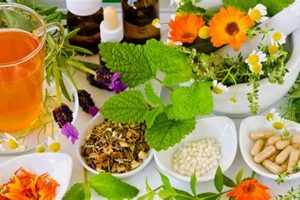
Botanical treatments and therapies intended to address erectile dysfunction represent an alternative approach to conventional pharmaceutical interventions. These remedies, derived from plants, are employed with the aim of improving blood flow, hormone balance, and overall sexual function. For instance, certain extracts are believed to promote vasodilation, which can facilitate erection.
The appeal of these plant-based options stems from a desire to mitigate potential side effects associated with prescription medications and embrace traditional healing practices. Historical records from various cultures document the use of specific plants to enhance virility and sexual performance. The efficacy and safety, however, require careful evaluation through rigorous scientific research to determine their validity.
This discussion will delve into several commonly used plants and their purported effects on erectile dysfunction. It will also examine the available scientific evidence supporting or refuting these claims, while emphasizing the importance of consulting with qualified healthcare professionals before initiating any self-treatment.
Guidance on Botanical Approaches to Erectile Dysfunction
The following points offer cautionary and informative guidance regarding the integration of plant-derived substances for managing erectile dysfunction. These are presented for informational purposes and do not constitute medical advice.
Tip 1: Prioritize Consultation with a Healthcare Professional: Engaging with a physician or qualified herbalist before initiating any course of plant-based remedy is paramount. This ensures proper diagnosis, identifies potential interactions with existing medications, and mitigates risks associated with underlying health conditions.
Tip 2: Understand Potential Interactions: Plant constituents can interact with pharmaceutical drugs, potentially altering their efficacy or increasing the risk of adverse effects. Thoroughly research potential interactions between selected plant and current medications.
Tip 3: Verify Product Quality and Source: The quality and concentration of active compounds in botanical supplements can vary considerably. Choose reputable brands that adhere to good manufacturing practices (GMP) and provide Certificates of Analysis (COA) indicating purity and potency.
Tip 4: Initiate with Low Dosages: Start with the lowest recommended dosage to assess individual tolerance and minimize the potential for adverse reactions. Gradually increase the dosage only if necessary and under the guidance of a qualified practitioner.
Tip 5: Monitor for Adverse Effects: Be vigilant for any unusual symptoms or side effects after commencing treatment. Discontinue use immediately if adverse reactions occur and seek medical attention.
Tip 6: Acknowledge Limited Scientific Evidence: While anecdotal evidence may be compelling, many botanical remedies lack robust clinical validation for the treatment of erectile dysfunction. Approach claims with caution and prioritize treatments supported by scientific research.
Tip 7: Set Realistic Expectations: Plant-derived substances may offer modest benefits for some individuals, but they are unlikely to provide a complete or immediate solution for erectile dysfunction. Maintaining a healthy lifestyle, managing underlying health conditions, and addressing psychological factors are equally important.
Tip 8: Recognize the Importance of Comprehensive Evaluation: Erectile dysfunction can stem from diverse causes, including cardiovascular disease, diabetes, and psychological factors. Addressing these underlying issues is essential for effective management, and plant-based remedies should be considered as part of a holistic approach.
By adhering to these recommendations, individuals can make informed decisions about incorporating botanical approaches into their treatment plan for erectile dysfunction, while minimizing potential risks and maximizing the likelihood of achieving beneficial outcomes.
The subsequent section will further explore the role of lifestyle modifications in supporting overall sexual health and well-being.
1. Safety Profiles

The safety profile of any therapeutic intervention, including botanical remedies for erectile dysfunction, constitutes a primary consideration. The inherent assumption that plant-derived substances are invariably safe is a misconception; many potent natural compounds possess significant pharmacological activity, which can translate into adverse effects or contraindications in certain individuals. The absence of rigorous clinical trials for many herbal remedies necessitates a cautious approach, as the long-term effects and potential risks remain largely unexplored. For example, some plants may interact negatively with anticoagulants, while others may exacerbate pre-existing cardiovascular conditions, thereby increasing the risk of stroke or cardiac events. Thus, a comprehensive understanding of a specific herb’s safety profile is essential before initiating any treatment regimen.
The evaluation of a botanical remedy’s safety profile involves several key factors, including its potential for allergic reactions, its impact on liver and kidney function, and its effects on hormone levels. Additionally, the quality and purity of the herbal product are critical determinants of safety. Contamination with heavy metals, pesticides, or other adulterants can pose significant health risks. The source and manufacturing processes used to produce the herbal remedy must be scrutinized to ensure adherence to established quality control standards. Furthermore, individuals with pre-existing medical conditions, particularly those related to the cardiovascular system, liver, or kidneys, should exercise heightened caution when considering herbal treatments for erectile dysfunction.
In conclusion, a thorough assessment of safety profiles is paramount when considering botanical remedies for erectile dysfunction. The absence of stringent regulatory oversight for herbal supplements underscores the importance of informed decision-making and consultation with qualified healthcare professionals. Individuals must prioritize safety by selecting reputable brands, understanding potential risks, and monitoring for adverse effects. Only through this diligent approach can the potential benefits of herbal remedies be realized without compromising patient well-being.
2. Dosage Standardization

Dosage standardization represents a critical challenge in the realm of botanical treatments for erectile dysfunction. Unlike pharmaceutical drugs, which undergo rigorous testing to determine precise dosages for optimal efficacy and safety, herbal remedies often lack such stringent controls. This variability stems from several factors, including differences in plant genetics, growing conditions, harvesting methods, and extraction processes. Consequently, the concentration of active compounds within herbal products can vary significantly, leading to inconsistent therapeutic effects and potential safety concerns. The absence of dosage standardization hinders the ability to conduct reliable clinical trials, making it difficult to ascertain the true efficacy and safety of many herbal remedies for erectile dysfunction. Patients may inadvertently consume insufficient or excessive doses, resulting in treatment failure or adverse events.
The importance of dosage standardization in the context of botanical approaches to erectile dysfunction cannot be overstated. Consistent dosages ensure that patients receive a predictable and reliable amount of active ingredients, maximizing the potential for therapeutic benefits while minimizing the risk of side effects. For example, if a specific plant extract contains compounds believed to enhance blood flow to the penis, a standardized dosage would help ensure that patients receive an amount sufficient to elicit this effect without causing unintended cardiovascular complications. Moreover, dosage standardization facilitates meaningful comparisons between different herbal products and enables healthcare professionals to provide more informed recommendations to their patients. Standardized extracts also enhance the reproducibility of scientific studies, allowing researchers to draw more definitive conclusions about the efficacy of herbal remedies.
In conclusion, dosage standardization represents a significant hurdle to overcome in the pursuit of effective and safe botanical treatments for erectile dysfunction. Overcoming this challenge requires the adoption of stringent quality control measures throughout the entire production process, from plant cultivation to product manufacturing. Collaboration between researchers, manufacturers, and regulatory agencies is essential to establish standardized protocols for herbal remedies. By addressing the issue of dosage standardization, the potential of plant-derived substances to contribute to the management of erectile dysfunction can be realized in a more reliable and evidence-based manner.
3. Potential Interactions

The concurrent use of plant-derived substances and conventional medications presents a critical area of concern in the context of addressing erectile dysfunction. Interactions between herbal remedies and pharmaceutical drugs can significantly alter their efficacy, increase the risk of adverse effects, or compromise patient safety.
- Pharmacodynamic Interactions
These interactions arise when herbal remedies and conventional medications exert similar or opposing effects on the body. For example, combining a botanical treatment known to lower blood pressure with an antihypertensive medication can lead to excessive hypotension. Conversely, if an herbal remedy counteracts the effects of a medication, the therapeutic benefit may be diminished. When considering botanical options for erectile dysfunction, it is crucial to evaluate how each herb impacts the specific biological mechanisms targeted by existing medications.
- Pharmacokinetic Interactions
Pharmacokinetic interactions occur when an herbal remedy affects the absorption, distribution, metabolism, or excretion of a pharmaceutical drug. Certain plants can inhibit or induce cytochrome P450 enzymes in the liver, which play a vital role in metabolizing many medications. If an herbal remedy inhibits these enzymes, drug levels in the bloodstream may increase, potentially leading to toxicity. Conversely, if an herbal remedy induces these enzymes, drug levels may decrease, potentially rendering the medication ineffective. Awareness of these processes is essential when individuals choose to integrate botanical treatments with standard pharmaceutical protocols.
- Herb-Disease Interactions
The use of herbal remedies may be contraindicated in individuals with specific pre-existing medical conditions. For example, certain plants may exacerbate bleeding disorders, liver disease, or kidney dysfunction. When considering herbal treatments for erectile dysfunction, it is imperative to evaluate whether the individual has any underlying health conditions that could be negatively affected by the plant’s pharmacological properties. Such interactions require careful assessment by a qualified healthcare professional.
- Interactions with Dietary Supplements
It is important to be aware that plant-based substances can also interact with other dietary supplements, and these combined interactions should be carefully considered, evaluated and monitored.
In conclusion, the potential for interactions between herbal remedies and conventional medications or pre-existing health conditions underscores the importance of comprehensive evaluation and consultation with qualified healthcare professionals. A thorough understanding of the pharmacological properties of herbal remedies, combined with a detailed assessment of the patient’s medical history and current medications, is essential to ensure safe and effective integration of botanical treatments into the management of erectile dysfunction.
4. Efficacy Evidence
The assessment of efficacy constitutes a cornerstone in evaluating any therapeutic intervention, including plant-derived remedies for erectile dysfunction. The presence or absence of robust scientific evidence directly influences the credibility and clinical applicability of these treatments.
- Randomized Controlled Trials (RCTs)
RCTs represent the gold standard for evaluating therapeutic efficacy. These studies involve randomly assigning participants to receive either the herbal treatment or a placebo, allowing for a comparison of outcomes. In the context of erectile dysfunction, RCTs can determine whether a specific plant extract demonstrably improves erectile function compared to a placebo. The number, size, and methodological rigor of RCTs are crucial determinants of the strength of evidence. A scarcity of well-designed RCTs limits the confidence in claims regarding the effectiveness of certain botanical remedies.
- Meta-Analyses and Systematic Reviews
Meta-analyses and systematic reviews synthesize the findings of multiple independent studies to provide a comprehensive overview of the available evidence. These analyses can identify consistent trends and assess the overall strength of support for a particular herbal remedy. In the field of erectile dysfunction, a meta-analysis may aggregate data from several RCTs to determine whether a specific plant consistently demonstrates efficacy across diverse populations. The conclusions drawn from meta-analyses are contingent upon the quality of the included studies; methodological flaws in the original studies can compromise the validity of the meta-analysis.
- Observational Studies and Anecdotal Evidence
Observational studies, such as cohort studies and case-control studies, can provide preliminary insights into the potential effects of plant-based remedies. However, these studies are susceptible to biases and confounding variables, which can obscure the true relationship between the treatment and the outcome. Anecdotal evidence, consisting of personal testimonials and individual experiences, is even less reliable due to its subjective nature and lack of control for confounding factors. While observational studies and anecdotal evidence may generate hypotheses for further research, they should not be considered definitive proof of efficacy.
- Biological Plausibility and Mechanism of Action
Establishing a biologically plausible mechanism of action can strengthen the case for a specific botanical remedy. If a plant extract contains compounds known to affect relevant physiological processes, such as vasodilation or hormone regulation, it provides a rationale for its potential efficacy in treating erectile dysfunction. However, biological plausibility alone is insufficient to establish efficacy; clinical trials are still necessary to confirm that the treatment actually produces the desired effect in humans. A well-defined mechanism of action can guide the design of clinical trials and help interpret the results.
The evaluation of efficacy evidence for botanical remedies in erectile dysfunction involves a comprehensive assessment of the available scientific literature. A hierarchy of evidence exists, with RCTs and meta-analyses providing the strongest support, while observational studies and anecdotal evidence offer weaker support. The integration of clinical trial data with an understanding of biological plausibility provides a balanced and informed perspective on the potential role of plant-derived treatments. Continued research is essential to clarify the efficacy of various herbal remedies and to guide evidence-based clinical practice.
5. Quality Control
Quality control is paramount in the context of botanical remedies for erectile dysfunction due to inherent variability in plant-derived substances. The concentration of active compounds can fluctuate widely depending on factors such as geographic location, cultivation practices, harvesting methods, and processing techniques. Without rigorous quality control measures, the efficacy and safety of these remedies become unpredictable. A lack of standardization can result in inconsistent dosages, leading to either therapeutic failure or adverse effects. Contamination with heavy metals, pesticides, or adulterants represents an additional concern, potentially posing significant health risks to consumers. Effective quality control aims to mitigate these risks by ensuring that herbal products consistently meet predefined standards for purity, potency, and identity.
The implementation of quality control measures typically involves several stages, beginning with the selection of high-quality raw materials. This includes verifying the identity of the plant species, assessing its morphological characteristics, and testing for the presence of contaminants. During the manufacturing process, quality control procedures ensure that the active compounds are extracted and concentrated according to established protocols. This may involve techniques such as high-performance liquid chromatography (HPLC) to quantify the levels of specific constituents. Finished products are then subjected to rigorous testing to confirm that they meet the required specifications for purity, potency, and stability. Certificates of Analysis (COAs) provide consumers with transparent information about the quality of herbal products, allowing them to make informed choices.
In conclusion, the integrity of plant-based treatments for erectile dysfunction hinges on robust quality control measures. These measures safeguard consumers from potential risks associated with inconsistent potency, contamination, and misidentification of plant species. By prioritizing quality control throughout the supply chain, manufacturers can ensure that herbal remedies meet established standards for efficacy and safety, thereby enhancing their credibility and clinical utility. A commitment to quality control fosters greater confidence in the potential of botanical approaches to contribute to the management of erectile dysfunction.
6. Underlying Causes

Erectile dysfunction, often viewed as a singular condition, frequently arises from a constellation of underlying factors. Addressing these root causes is paramount, as symptomatic treatment alone, including the use of botanical remedies, may provide only temporary or incomplete relief. Cardiovascular disease, diabetes, hormonal imbalances, neurological disorders, psychological factors, and lifestyle choices all contribute to the pathogenesis of erectile dysfunction. Therefore, a comprehensive evaluation that identifies and addresses these underlying causes forms an essential component of effective management, regardless of whether plant-derived interventions are considered.
The connection between underlying causes and the selection of botanical remedies is crucial. For example, if erectile dysfunction stems from endothelial dysfunction associated with cardiovascular disease, botanical agents that promote vasodilation or improve endothelial function may offer a more targeted approach. Similarly, if anxiety or depression contributes to the condition, herbal remedies with anxiolytic or mood-enhancing properties could be considered as adjuncts to psychological therapies. Neglecting to address the underlying causes not only limits the potential benefits of botanical treatments but may also mask the progression of underlying medical conditions. A man experiencing erectile dysfunction due to undiagnosed diabetes, for instance, might find temporary relief with a botanical remedy, but the long-term consequences of uncontrolled diabetes could be severe. Hence, herbal treatments are best viewed as part of an integrative approach that prioritizes the identification and management of underlying health issues.
In conclusion, understanding and addressing the underlying causes of erectile dysfunction is indispensable for effective treatment strategies. While plant-derived remedies may offer symptomatic relief or address specific pathophysiological mechanisms, they are not a substitute for comprehensive medical evaluation and management of underlying conditions. A holistic approach that integrates lifestyle modifications, psychological support, and conventional medical treatments, along with judicious use of botanical agents, offers the most promising path toward restoring erectile function and improving overall health.
7. Holistic Approach

The integration of botanical treatments for erectile dysfunction within a holistic framework acknowledges the multifaceted nature of this condition. This perspective extends beyond merely addressing symptoms; it encompasses a comprehensive evaluation and management of physical, psychological, and lifestyle factors that contribute to erectile function.
- Lifestyle Modifications
Lifestyle modifications play a pivotal role in supporting erectile function. This includes maintaining a healthy diet rich in fruits, vegetables, and whole grains, engaging in regular physical activity, and achieving a healthy body weight. Smoking cessation and moderation of alcohol consumption are also crucial. These changes positively impact cardiovascular health, hormone balance, and overall well-being, enhancing the effectiveness of botanical remedies. For instance, improved blood flow resulting from exercise can complement the vasodilatory effects of certain herbal extracts.
- Psychological Well-being
Psychological factors, such as stress, anxiety, and depression, significantly influence erectile function. Addressing these issues through psychotherapy, cognitive-behavioral therapy, or stress-reduction techniques can alleviate psychological barriers to sexual performance. Botanical remedies with anxiolytic or mood-enhancing properties may serve as adjuncts to these therapies. For example, an herb known for its calming effects may help reduce performance anxiety, improving the likelihood of successful intercourse.
- Medical Evaluation and Management
A thorough medical evaluation is essential to identify and manage any underlying medical conditions that may contribute to erectile dysfunction. Cardiovascular disease, diabetes, hormonal imbalances, and neurological disorders require appropriate medical treatment. Botanical remedies should be considered as complementary interventions within the context of a comprehensive medical plan. For instance, managing diabetes with medication and dietary changes may improve blood sugar control, which can enhance the effectiveness of herbal treatments aimed at improving circulation.
- Relationship and Communication
Relationship dynamics and open communication with a partner significantly impact sexual satisfaction and erectile function. Addressing relationship issues, improving communication skills, and fostering intimacy can create a more supportive and fulfilling sexual experience. Botanical remedies may indirectly benefit erectile function by enhancing overall well-being and reducing stress within the relationship. Clear communication about preferences, concerns, and expectations can foster a more positive and mutually satisfying sexual connection.
By integrating these facets within a holistic framework, the potential benefits of botanical remedies for erectile dysfunction are maximized. This approach recognizes that erectile function is influenced by a complex interplay of factors and that a comprehensive strategy that addresses these factors yields the most favorable outcomes. The judicious use of plant-derived substances, in conjunction with lifestyle modifications, psychological support, medical management, and relationship interventions, offers a path towards restoring sexual function and improving overall quality of life.
Frequently Asked Questions
The following addresses common inquiries regarding plant-derived remedies for erectile dysfunction, providing evidence-based information to promote informed decision-making.
Question 1: Are “natural” herbal remedies inherently safe for erectile dysfunction?
The designation “natural” does not equate to inherent safety. Botanical remedies possess pharmacological activity and can induce adverse effects or interact with medications. Consultation with a qualified healthcare professional is essential.
Question 2: Can botanical remedies completely cure erectile dysfunction?
Plant-derived treatments may offer symptomatic relief or address underlying mechanisms contributing to erectile dysfunction. A complete cure depends on the underlying cause and may require a multifaceted approach.
Question 3: How can one ascertain the quality and purity of herbal supplements for erectile dysfunction?
Select reputable brands that adhere to Good Manufacturing Practices (GMP) and provide Certificates of Analysis (COAs) indicating purity and potency. Scrutinize labels for ingredient information and potential contaminants.
Question 4: What are the potential risks associated with combining botanical remedies with conventional medications for erectile dysfunction?
Herb-drug interactions can alter the efficacy of medications or increase the risk of adverse effects. Thoroughly research potential interactions and consult with a healthcare professional.
Question 5: How can one distinguish between scientifically supported and unsubstantiated claims regarding botanical remedies for erectile dysfunction?
Prioritize treatments supported by randomized controlled trials (RCTs) and meta-analyses. Be wary of anecdotal evidence and claims lacking scientific validation.
Question 6: Is a holistic approach necessary when considering botanical remedies for erectile dysfunction?
A holistic approach, encompassing lifestyle modifications, psychological support, and medical management, is essential for optimizing outcomes. Plant-derived remedies should be integrated as part of a comprehensive treatment plan.
In summary, botanical approaches to erectile dysfunction warrant careful consideration, with a focus on safety, quality, scientific evidence, and integration within a holistic framework.
The subsequent section will explore concluding thoughts and future directions in the field.
Conclusion
The exploration of “natural herbal remedies for impotence” reveals a complex landscape of potential benefits and inherent challenges. While some plant-derived substances demonstrate promise in addressing underlying mechanisms contributing to erectile dysfunction, their efficacy and safety necessitate rigorous scientific scrutiny. Quality control, dosage standardization, and potential interactions with conventional medications remain critical considerations. The use of these botanical interventions should not overshadow the importance of addressing underlying medical conditions and adopting a holistic approach encompassing lifestyle modifications and psychological support.
Future research is essential to elucidate the true potential of botanical treatments for erectile dysfunction. Well-designed clinical trials, standardized manufacturing processes, and comprehensive safety evaluations are needed to guide informed decision-making and ensure patient well-being. The responsible integration of plant-derived options within a comprehensive medical strategy offers the most promising path towards addressing the complexities of erectile dysfunction and improving the quality of life for affected individuals.