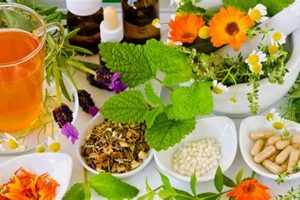
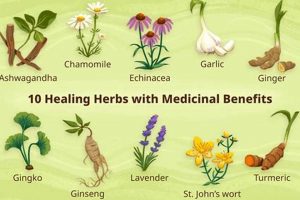
Botanical treatments utilized to alleviate discomfort within the abdominal region represent a category of therapeutic options. These treatments involve the use of plants or plant extracts, often prepared as teas, tinctures, or capsules, with the intention of reducing pain, bloating, nausea, or other symptoms associated with digestive issues. For instance, preparations derived from ginger are often used to mitigate nausea, while peppermint extracts are sometimes employed to soothe intestinal muscles.
The significance of employing botanical approaches for abdominal discomfort lies in their accessibility and potential for fewer adverse effects compared to some pharmaceutical interventions. Historically, diverse cultures have relied on traditional plant-based knowledge for managing various ailments, including digestive complaints. These practices often integrate a holistic perspective, considering the interconnectedness of physical and emotional well-being in relation to digestive health. The benefit of such treatment methods consists of ease of access and affordability for those with limited resources.
The following sections will delve into specific plants commonly incorporated into traditional practices, examining their properties and mechanisms of action in addressing different aspects of digestive distress. Considerations regarding appropriate usage, potential interactions, and the importance of professional consultation will also be addressed to ensure responsible and informed application of these options.
Guidance on Utilizing Botanical Approaches for Alleviating Abdominal Discomfort
The effective and responsible implementation of botanical strategies for managing abdominal distress necessitates adherence to key guidelines. These guidelines emphasize safety, efficacy, and informed decision-making.
Tip 1: Prioritize Accurate Identification. The correct identification of any plant used for therapeutic purposes is paramount. Misidentification can lead to the ingestion of harmful substances. Consult with experienced herbalists or botanists to confirm species.
Tip 2: Adhere to Recommended Dosages. Dosage guidelines must be strictly followed. Exceeding recommended doses can result in adverse effects, including gastrointestinal irritation or other complications. Consult reliable resources or a qualified healthcare professional for appropriate dosing.
Tip 3: Exercise Caution with Pre-Existing Conditions. Individuals with pre-existing medical conditions, particularly liver or kidney disorders, should exercise extreme caution when using botanical treatments. Certain plants may exacerbate these conditions or interfere with prescribed medications. Consultation with a physician is mandatory.
Tip 4: Consider Potential Interactions. Many plants can interact with pharmaceutical medications. Research potential interactions before initiating treatment. Inform healthcare providers of any botanical treatments being used.
Tip 5: Prepare Remedies Correctly. The method of preparation significantly impacts the efficacy and safety of botanical remedies. Follow established preparation guidelines for teas, tinctures, or other forms. Improper preparation can alter the chemical composition of the plant and potentially render it ineffective or harmful.
Tip 6: Observe for Allergic Reactions. Allergic reactions to plants are possible. Initiate treatment with a small dose and carefully monitor for any signs of allergy, such as skin rashes, itching, or difficulty breathing. Discontinue use immediately if an allergic reaction occurs.
Tip 7: Purchase from Reputable Sources. Acquire botanical products from reputable suppliers that adhere to quality control standards. This ensures the product is free from contaminants and accurately labeled.
The judicious application of these guidelines will help ensure the safe and effective use of botanical interventions for managing abdominal discomfort. It must be emphasized that self-treatment with botanical remedies should not replace professional medical evaluation and management of persistent or severe symptoms.
The following sections provide information to allow readers to further explore specific plants which are being used to target abdominal discomfort.
1. Plant Identification

The accurate identification of plants used for abdominal discomfort treatment is paramount due to the potential for significant adverse consequences resulting from misidentification. The intended therapeutic effect can be negated, or, more seriously, toxic compounds present in incorrectly identified plants can induce harm. This relationship is causal: a failure in the plant identification stage directly precipitates risk and undermines the entire botanical approach. An example is the confusion between chamomile (Matricaria chamomilla), known for its calming properties, and dog fennel (Eupatorium capillifolium), which can cause skin irritation and is not suitable for internal use. Therefore, the ability to differentiate plant species is a non-negotiable prerequisite for using botanical methods to alleviate abdominal complaints.
The practical significance of accurate plant identification extends beyond simply avoiding harm. It ensures that the desired phytochemicals, responsible for the intended therapeutic effects, are present in the plant material being utilized. For example, if attempting to use peppermint (Mentha piperita) for its antispasmodic properties to relieve intestinal cramping, misidentification could lead to using another mint species with a different chemical profile and lacking the same therapeutic benefit. Resources such as botanical keys, field guides, and expert consultation provide tools to achieve accurate identification and ensure efficacy of the botanical approach.
In summary, the connection between plant identification and the application of botanical options for abdominal discomfort is critical. The process directly impacts both the safety and the effectiveness of the chosen remedy. While botanical treatments can offer potential benefits, the foundational step of accurate species identification must always be prioritized, often demanding expert validation, to avoid potentially harmful outcomes. The challenges lie in variations between plant subspecies, differing growth stages, and similarities across different plants.
2. Preparation Methods

The method of preparation is a critical determinant in the efficacy and safety of botanical remedies used for abdominal discomfort. The extraction process dictates the concentration and availability of active compounds, directly influencing the therapeutic outcome. Different techniques yield varying chemical profiles, impacting both the intended effects and potential risks.
- Infusion vs. Decoction
Infusion, commonly used for delicate plant parts like leaves and flowers, involves steeping the material in hot water. This method extracts volatile oils and water-soluble compounds. Decoction, employed for tougher materials like roots and bark, entails boiling the plant matter for an extended period. The higher heat and longer duration are necessary to release the therapeutic constituents. Incorrectly applying infusion to roots, or decoction to leaves, may result in either inadequate extraction or degradation of the active ingredients.
- Tincture Preparation
Tinctures involve macerating plant material in alcohol, typically ethanol, for several weeks. Alcohol serves as a solvent, extracting a broader spectrum of compounds, including those less soluble in water. The alcohol concentration affects the extraction efficiency; different compounds require varying alcohol percentages for optimal dissolution. Improper alcohol concentration can lead to either incomplete extraction or extraction of undesirable substances.
- Dosage Concentration
The concentration of a prepared remedy directly influences its potency. A tea prepared with too little plant material may be ineffective, while an overly concentrated tincture could lead to adverse effects. Standardized recipes and precise measurements are essential to ensure consistent and predictable outcomes. Ignoring dosage concentration can lead to either a lack of therapeutic benefit or an increased risk of toxicity.
- Fresh vs. Dried Material
The use of fresh or dried plant material can impact preparation methods and resulting potency. Fresh plants generally contain higher water content, requiring adjustments in the preparation process. Drying concentrates the plant’s constituents but can also degrade volatile oils. Therefore, the choice between fresh and dried material, and the adjustments made accordingly in preparation, are critical determinants of the final remedy’s efficacy and safety.
In conclusion, the careful selection and execution of preparation methods are inextricably linked to the safe and effective use of botanical interventions for abdominal discomfort. The method chosen must align with the specific plant part used and the desired therapeutic outcome, while adhering to established guidelines to ensure appropriate dosage and minimize potential risks. Ignoring these considerations can lead to ineffective or even harmful outcomes, highlighting the importance of informed and precise preparation techniques.
3. Dosage Adherence

The principle of dosage adherence is critical when employing botanical treatments for abdominal discomfort. Unlike standardized pharmaceuticals, botanical remedies often lack precisely defined active compound concentrations. Therefore, adherence to established dosage guidelines becomes a primary means of ensuring both therapeutic efficacy and minimizing potential adverse effects.
- Variability in Plant Constituents
The concentration of active constituents in plants varies significantly based on factors such as growing conditions, harvest time, and storage methods. This inherent variability means that a fixed volume of a particular plant extract does not always equate to a consistent dose of the active therapeutic compounds. Dosage adherence, therefore, relies on following established guidelines based on average concentrations, recognizing that individual responses may vary.
- Potential for Adverse Effects
Exceeding recommended dosages of botanical remedies can lead to adverse effects, ranging from mild gastrointestinal upset to more severe reactions, depending on the specific plant. Some plants contain potent compounds that can be toxic in high doses. Dosage adherence helps to mitigate the risk of these adverse reactions by ensuring that the quantity of ingested active compounds remains within a safe and tolerable range.
- Impact on Therapeutic Efficacy
Insufficient dosages of botanical remedies may fail to produce the desired therapeutic effect. Many plants require a threshold concentration of active compounds to elicit a noticeable response. Adhering to recommended dosages helps to ensure that this threshold is reached, maximizing the likelihood of symptom relief. However, it must be remembered that not all individuals will respond in the same manner, as metabolism and individual physiology play a role.
- Importance of Standardized Products
When available, standardized botanical products offer a degree of dosage control. These products are formulated to contain a specific, known concentration of one or more active compounds. While still requiring adherence to dosage recommendations, standardized products reduce the variability associated with non-standardized plant preparations, providing a more predictable therapeutic response.
In conclusion, dosage adherence is a non-negotiable aspect of utilizing botanical options for abdominal discomfort. It bridges the inherent variability of plant-based remedies with the need for consistent and safe therapeutic application. By following established dosage guidelines and recognizing the factors that can influence plant constituent concentrations, individuals can optimize the potential benefits of botanical treatments while minimizing the risk of adverse effects. The complexities involved often necessitate consultation with qualified healthcare practitioners.
4. Safety Precautions

The safe application of botanical interventions for abdominal discomfort necessitates a thorough understanding and implementation of precautionary measures. The inherent variability in plant composition and individual physiological responses demands a vigilant approach to minimize potential adverse effects and ensure therapeutic benefit. These precautions are not merely advisory, but rather constitute essential components of responsible botanical usage.
- Allergy Awareness and Initial Dose Testing
Allergic reactions to plants are possible and can range from mild skin irritation to severe anaphylaxis. Individuals with known allergies to related plant species should exercise extreme caution and may consider avoiding the remedy altogether. Prior to initiating full-dose treatment, a small, test dose is recommended to assess for any signs of allergic reaction, such as skin rash, itching, swelling, or respiratory distress. Immediate discontinuation is imperative upon the observation of any such symptoms. Lack of awareness and testing carries potential for severe adverse reactions.
- Drug Interactions and Contraindications
Botanical compounds can interact with pharmaceutical medications, either enhancing or inhibiting their effects. Individuals taking prescription drugs must consult with a healthcare professional prior to using botanical remedies to identify potential interactions. Certain medical conditions may also contraindicate the use of specific plants. For example, individuals with bleeding disorders should avoid plants with anticoagulant properties, such as high-dose garlic or ginger. Failure to consider drug interactions and contraindications can lead to serious health complications.
- Proper Identification and Sourcing
Misidentification of plants can result in the ingestion of harmful or even toxic substances. Accurate identification by a qualified expert is essential prior to use, particularly when sourcing plants from the wild. Similarly, purchasing botanical products from reputable suppliers is crucial to ensure quality and purity. Contaminated or adulterated products pose significant health risks. Reliance on unverified sources or misidentified plants can have severe consequences.
- Pregnancy and Lactation Considerations
Many botanical remedies are contraindicated during pregnancy and lactation due to potential adverse effects on the developing fetus or infant. Certain plants possess emmenagogue or abortifacient properties that can induce miscarriage. Other plants may pass into breast milk and harm the nursing infant. Pregnant and lactating women should consult with a healthcare professional prior to using any botanical treatments. A lack of caution in these circumstances places both maternal and infant health at risk.
The safety precautions outlined above are indispensable for the responsible utilization of botanical treatments for abdominal discomfort. Each precaution addresses specific risks associated with plant-based remedies, emphasizing the importance of informed decision-making and professional guidance. By adhering to these safeguards, individuals can minimize the potential for adverse effects and optimize the therapeutic benefits of botanical interventions. The complexities surrounding plant chemistry and individual health necessitates a cautious and well-informed approach.
5. Interaction Potential

The interaction potential of botanical remedies for abdominal discomfort represents a critical consideration that can significantly impact both efficacy and safety. This interaction potential stems from the ability of plant-derived compounds to influence various physiological processes, including drug metabolism, receptor binding, and enzyme activity. Consequently, when botanical treatments are combined with pharmaceutical medications or even other herbal supplements, the potential for synergistic, additive, or antagonistic effects arises. Understanding this interaction potential is essential for informed decision-making and responsible application of herbal remedies.
The impact of interaction potential manifests in several ways. For example, St. John’s Wort, sometimes used for mood regulation, can induce hepatic enzymes, accelerating the metabolism of numerous drugs, including oral contraceptives and anticoagulants, potentially reducing their effectiveness. Similarly, ginger, often employed for its anti-nausea properties, possesses anticoagulant effects, and its concurrent use with blood-thinning medications like warfarin may increase the risk of bleeding. These examples highlight the practical significance of recognizing and assessing interaction potential, as seemingly benign herbal remedies can have profound and sometimes detrimental effects on conventional treatments. The livers metabolic pathways are often implicated, impacting both the rate of drug clearance and the potential for drug accumulation.
In summary, the interaction potential between botanical remedies and other substances constitutes a vital component of their overall safety profile. Careful evaluation of potential interactions, through thorough research and consultation with healthcare professionals, is paramount. While botanical treatments may offer benefits for managing abdominal discomfort, a comprehensive understanding of their interaction potential is necessary to mitigate risks and ensure the well-being of individuals utilizing these remedies. The challenges in predicting these interactions highlight the need for both ongoing research and increased awareness among both practitioners and consumers.
6. Symptom Specificity

The principle of symptom specificity dictates that the selection of botanical treatments for abdominal discomfort should be guided by a precise understanding of the specific symptoms presented. Abdominal pain encompasses a broad spectrum of underlying causes and associated manifestations, ranging from simple indigestion to more complex conditions such as irritable bowel syndrome or inflammatory bowel disease. Consequently, a ‘one-size-fits-all’ approach is inappropriate, and the efficacy of a chosen remedy is directly contingent upon its suitability for addressing the unique symptom profile. For example, a botanical treatment effective for relieving gas and bloating may be ineffective, or even detrimental, for managing pain associated with ulcers or inflammation. Therefore, accurate symptom characterization is paramount in guiding the selection of appropriate herbal interventions.
The importance of symptom specificity is further underscored by the diverse pharmacological properties of different plant species. Some herbs, such as peppermint, exhibit antispasmodic effects, relaxing intestinal muscles and alleviating cramping. Others, like chamomile, possess anti-inflammatory properties, potentially reducing inflammation in the digestive tract. Still others, such as ginger, are known for their antiemetic effects, mitigating nausea and vomiting. A mismatch between the symptom profile and the herb’s pharmacological action can lead to ineffective treatment or even exacerbation of symptoms. Consider the individual experiencing abdominal pain primarily due to constipation: an antispasmodic herb, while potentially relieving some discomfort, would fail to address the underlying cause and may even worsen the condition. In such a case, a gentle laxative herb, such as senna or psyllium, would be more appropriate. The practical significance of this understanding lies in the ability to tailor botanical treatments to individual needs, maximizing therapeutic benefit and minimizing the risk of adverse effects.
In summary, the successful application of herbal remedies for abdominal discomfort hinges upon a meticulous assessment of symptom specificity. The selection of botanical interventions must be guided by a clear understanding of the underlying cause of the symptoms and the pharmacological properties of the chosen herb. A failure to consider symptom specificity can result in ineffective treatment, exacerbation of symptoms, or even adverse health outcomes. While herbal remedies offer a potential avenue for managing abdominal complaints, their responsible use requires a nuanced and individualized approach, often necessitating consultation with qualified healthcare practitioners. The continued exploration of plant-symptom relationships is therefore crucial for optimizing the application of botanical treatments in addressing abdominal distress.
Frequently Asked Questions
This section addresses common inquiries regarding the use of botanical treatments for abdominal discomfort, providing evidence-based information to guide responsible decision-making.
Question 1: Are botanical treatments for stomach pain safe for everyone?
The safety of botanical treatments for abdominal discomfort varies depending on individual factors, including age, medical history, and concurrent medication use. Certain herbs are contraindicated during pregnancy and lactation. Individuals with pre-existing medical conditions, particularly liver or kidney disorders, should exercise caution. Consultation with a healthcare professional is recommended to assess suitability and minimize potential risks.
Question 2: How quickly do botanical remedies alleviate stomach pain?
The onset of symptom relief varies depending on the specific herb used, the dosage administered, and the individual’s physiological response. Some herbs, such as peppermint, may provide relatively rapid relief from cramping, while others, like chamomile, may require longer-term use to reduce inflammation and improve digestive function. It is important to allow sufficient time for the remedy to take effect and to monitor for any adverse reactions.
Question 3: Can botanical treatments cure chronic stomach pain?
Botanical treatments may provide symptomatic relief from chronic abdominal discomfort, but they are not typically considered a cure for underlying conditions. Chronic stomach pain often stems from complex factors, such as irritable bowel syndrome or inflammatory bowel disease, which may require comprehensive medical management. Herbal remedies can be used as an adjunct to conventional therapies to manage symptoms and improve quality of life, but they should not replace professional medical care.
Question 4: Are there any side effects associated with herbal remedies for stomach pain?
Yes, botanical remedies can cause side effects, particularly if used improperly or in excessive doses. Common side effects include gastrointestinal upset, allergic reactions, and drug interactions. Certain herbs may also have specific contraindications or warnings associated with their use. It is essential to research potential side effects and to start with a low dose, gradually increasing as tolerated. Discontinue use immediately if any adverse reactions occur.
Question 5: Where can one find reliable information about herbal remedies for stomach pain?
Reliable information about botanical treatments for abdominal discomfort can be found from several sources. Peer-reviewed scientific publications, reputable herbal medicine textbooks, and websites maintained by professional organizations (e.g., the American Herbalists Guild) provide evidence-based information on the safety and efficacy of specific herbs. Consultation with a qualified healthcare professional, such as a medical herbalist or naturopathic doctor, is also recommended for personalized guidance.
Question 6: How does one know which herbal remedy is best for specific stomach pain symptoms?
Selecting the appropriate herbal remedy for abdominal discomfort requires careful consideration of the specific symptoms experienced. Different herbs possess distinct pharmacological properties, making them suitable for addressing different types of pain. For example, peppermint may be helpful for cramping, while ginger may be effective for nausea. Consulting with a qualified healthcare professional can help to identify the underlying cause of the pain and select the most appropriate botanical treatment.
This FAQ section emphasizes the importance of informed decision-making and responsible utilization of botanical options for addressing stomach pain.
The next section will address how to combine herbal remedies for optimal wellness.
Conclusion
The preceding examination of botanical treatments for abdominal discomfort has elucidated critical facets of their application, ranging from precise plant identification and preparation methodologies to dosage adherence, safety precautions, interaction potentials, and symptom specificity. The responsible utilization of these remedies necessitates a comprehensive understanding of these elements to mitigate potential risks and maximize therapeutic benefits. The inherent variability in plant composition and individual physiological responses underscores the need for a cautious and informed approach, rather than a casual adoption of unsubstantiated claims.
Further research is warranted to establish standardized dosing guidelines and assess the long-term efficacy of botanical treatments for various abdominal ailments. Given the interaction potential with conventional medications, open communication with healthcare professionals is crucial before integrating botanical interventions into treatment plans. Ultimately, the informed and judicious use of botanical remedies holds promise for complementing conventional approaches to managing abdominal discomfort, provided that safety and evidence-based practices remain paramount considerations.