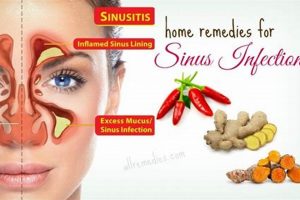
Plant-derived treatments intended to alleviate the discomfort and breathing difficulties associated with nasal or chest blockage are a traditional approach to managing such conditions. These treatments often utilize the inherent properties of various botanicals to reduce inflammation, loosen mucus, and promote easier expectoration. For example, preparations containing eucalyptus or peppermint have long been employed for their perceived decongestant effects.
The appeal of these natural approaches stems from a long history of use and a perception of gentler side effects compared to synthetic alternatives. Many cultures have independently discovered and refined methods of using plants to address respiratory ailments, leading to a rich body of traditional knowledge. The benefits can include a reduced reliance on pharmaceutical interventions, particularly for individuals seeking holistic healthcare solutions.
The subsequent sections will examine specific botanicals commonly incorporated into these traditional practices, reviewing available evidence supporting their efficacy, and outlining potential considerations for safe and effective use.
Guidance on Plant-Based Congestion Relief
The following recommendations serve as a guide for individuals considering the use of plant-derived treatments to alleviate congestion. Diligence and informed decision-making are paramount when exploring these options.
Tip 1: Source High-Quality Botanicals. Ensure that any plants or products are sourced from reputable suppliers known for quality control and accurate identification. Adulteration and misidentification can compromise efficacy and potentially pose health risks.
Tip 2: Understand Potential Interactions. Certain plants can interact with prescription medications or pre-existing health conditions. Consultation with a qualified healthcare professional is strongly advised before initiating any new treatment regimen, particularly for individuals with chronic illnesses.
Tip 3: Adhere to Recommended Dosages. Overconsumption of even seemingly benign plants can lead to adverse effects. Strictly follow recommended dosages outlined by a knowledgeable herbalist or healthcare provider.
Tip 4: Consider Delivery Method. The effectiveness of plant-based treatments can vary depending on the delivery method. Inhalation via steam, oral consumption as teas or tinctures, and topical application as balms represent distinct pathways with different absorption rates and bioavailability.
Tip 5: Monitor for Allergic Reactions. As with any substance, allergic reactions are possible. Discontinue use immediately and seek medical attention if signs of an allergic reaction, such as rash, itching, or difficulty breathing, occur.
Tip 6: Research and Verification. Engage in thorough research using credible sources to assess the evidence supporting the use of specific botanicals. Peer-reviewed studies and publications from reputable institutions provide a more reliable basis for decision-making than anecdotal evidence.
Tip 7: Recognize Limitations. Plant-based treatments may not be suitable for all types or severities of congestion. If symptoms persist or worsen despite intervention, prompt medical evaluation is crucial.
These guidelines underscore the importance of approaching plant-based remedies with a blend of respect for traditional knowledge and a commitment to evidence-based practices. When implemented responsibly, such options may offer a complementary approach to managing congestion.
The subsequent section will conclude this discussion by summarizing key considerations and offering resources for further exploration.
1. Botanical Identification

Accurate botanical identification is paramount to the safe and effective application of plant-derived treatments for congestion. The use of an incorrectly identified plant species can result in therapeutic failure, adverse health consequences, or even toxicity. The complexity of plant taxonomy necessitates a rigorous approach to ensure the correct species is utilized.
- Chemical Composition Variability
Plant species within the same genus can exhibit significant variations in their chemical composition. These variations directly impact the therapeutic properties of the plant. For example, different species of Eucalyptus possess varying concentrations of 1,8-cineole, the compound responsible for its decongestant effects. Using a species with a low concentration would render the treatment ineffective.
- Risk of Adulteration and Substitution
The herbal medicine market is susceptible to adulteration and substitution, where lower-quality or entirely different plant species are sold under the guise of the desired herb. This is particularly problematic in the absence of stringent quality control measures. For instance, common meadowsweet ( Filipendula ulmaria) can be intentionally or unintentionally substituted with other Filipendula species, some of which may lack the desired anti-inflammatory properties for congestion relief.
- Morphological Similarities and Taxonomic Confusion
Many plant species share similar morphological characteristics, making visual identification challenging, even for experienced practitioners. Taxonomic confusion can lead to the accidental use of a plant with different, or even harmful, properties. An example would be the mistaken collection of toxic water hemlock ( Cicuta maculata) in place of wild celery ( Apium graveolens). Although not directly related to congestion, this illustrates the general danger.
- Impact on Efficacy and Safety
Even closely related species may possess drastically different safety profiles. A seemingly minor substitution can introduce allergens or toxins. For instance, the use of Arnica montana for topical application must be carefully controlled due to potential skin irritation. Substituting with a different species, without understanding its chemical properties, increases the risk of adverse reactions and reduces the intended benefit.
The convergence of chemical variability, adulteration risks, morphological similarities, and differential safety profiles underscores the indispensable role of accurate botanical identification in the domain of plant-based congestion relief. Verification through microscopy, chemical analysis, or consultation with a qualified botanist is essential to ensure the safe and effective use of plant-derived treatments.
2. Traditional usage

Traditional usage forms a foundational element of numerous approaches to managing congestion using plant-derived treatments. The sustained application of specific botanicals across generations often serves as an indicator, though not definitive proof, of potential efficacy. This historical context provides an initial rationale for further investigation into the pharmacological properties of these plants. The effectiveness, safety, and potential applications of these treatments are rooted in a deep understanding of cultural practices and historical methods, often passed down through oral traditions or written texts.
Consider, for example, the long-standing employment of eucalyptus leaves in steam inhalation for respiratory relief. Across various cultures, the observed decongestant effects of eucalyptus have led to its integration into traditional remedies for colds and sinusitis. This historical usage has subsequently prompted scientific investigation into the active compounds within eucalyptus, such as 1,8-cineole (eucalyptol), revealing its anti-inflammatory and mucolytic properties. Similarly, the traditional use of ginger ( Zingiber officinale) for alleviating cold symptoms, including congestion, has stimulated research into its gingerol and shogaol content, which exhibit anti-inflammatory and antioxidant effects, potentially contributing to the observed relief. Another example involves the use of peppermint ( Mentha piperita) in traditional European medicine. Peppermint’s menthol content is known for its cooling sensation and ability to promote nasal passage opening, substantiated by both historical practices and contemporary research indicating its role in easing respiratory discomfort.
These examples emphasize the practical significance of understanding traditional usage. While historical practice alone cannot validate efficacy, it provides valuable clues for identifying plants with therapeutic potential. However, it is crucial to recognize that traditional practices must be evaluated using modern scientific methods to determine their actual effectiveness and safety. Relying solely on traditional usage without critical assessment can lead to inaccurate conclusions and potential harm. Therefore, the integration of traditional knowledge with rigorous scientific investigation is essential for the responsible development and application of herbal remedies for congestion.
3. Active compounds

The efficacy of plant-derived treatments for nasal or chest blockage is directly contingent upon the presence and concentration of specific active compounds within the botanical material. These compounds, which are often secondary metabolites produced by the plant, exert pharmacological effects on the respiratory system, influencing processes such as inflammation, mucus production, and bronchial constriction. For instance, the decongestant properties attributed to eucalyptus oil are primarily due to the presence of 1,8-cineole (eucalyptol). This compound has been shown to exhibit anti-inflammatory and mucolytic actions, facilitating the clearance of mucus from the airways and reducing swelling in the nasal passages.
Furthermore, the bioavailability and stability of these active compounds significantly impact the effectiveness of the remedy. Factors such as the method of extraction or preparation, the plant’s growing conditions, and storage methods can alter the concentration and integrity of these compounds. For example, when preparing an infusion from chamomile flowers, the water temperature and steeping time influence the extraction of active compounds like apigenin, which contributes to the plant’s anti-inflammatory and calming effects. An inadequate extraction process may result in a preparation with insufficient apigenin levels to elicit the desired therapeutic response. Similarly, the presence of volatile oils in herbs like thyme, which contribute to its expectorant and antimicrobial properties, can be diminished through improper storage, reducing the effectiveness of thyme-based treatments.
Understanding the active compounds within plant-based remedies and how various factors affect their concentration and stability is crucial for optimizing therapeutic outcomes. Standardized herbal extracts, which specify the levels of key active compounds, offer a more consistent and reliable alternative to crude plant preparations. Ultimately, the judicious selection and preparation of plant-derived treatments, guided by a thorough understanding of their active compounds, are essential for achieving effective and predictable congestion relief.
4. Preparation methods

The manner in which plant-based materials are processed significantly impacts the efficacy and safety of congestion relief efforts. Improper preparation can render a potentially beneficial plant ineffective or even harmful. Therefore, understanding the nuances of different preparation methods is critical for maximizing therapeutic benefits and minimizing risks.
- Infusion (Teas)
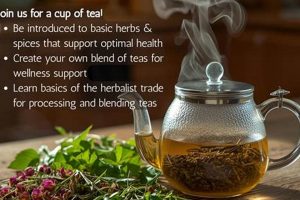
Infusions involve steeping dried or fresh plant material in hot water to extract water-soluble compounds. This method is suitable for delicate plant parts, such as flowers and leaves, and is commonly used to prepare teas. For congestion, infusions of chamomile or peppermint can provide soothing relief, with the steam aiding in nasal passage decongestion. However, prolonged or excessively hot steeping can degrade volatile oils, diminishing the therapeutic effect.
- Decoction
Decoctions involve simmering tougher plant parts, such as roots, barks, and seeds, in water for a longer duration to extract their active constituents. This method is required to break down the cell walls of these materials and release the desired compounds. Decoctions of ginger root, for example, can provide anti-inflammatory and expectorant effects to alleviate congestion. Improper decoction, such as boiling for too short a time or using insufficient water, may result in incomplete extraction.
- Tincture
Tinctures are alcoholic extracts of plant material, providing a concentrated form of the herb. Alcohol acts as a solvent to extract a wider range of compounds, including those that are not water-soluble. Tinctures of echinacea or elderberry can be used to support the immune system during a respiratory infection that causes congestion. The alcohol concentration and the duration of maceration are crucial factors in tincture preparation, impacting the potency and shelf life of the extract.
- Steam Inhalation
Steam inhalation utilizes the volatile oils of certain plants to open up nasal passages and relieve congestion. This method involves adding essential oils, such as eucalyptus or tea tree oil, to hot water and inhaling the steam. The heat and moisture help to loosen mucus, while the volatile oils provide decongestant and antimicrobial effects. Caution must be exercised to avoid burns from the hot water and to ensure that the essential oils are used in appropriate concentrations to prevent irritation.
These preparation methods each offer unique advantages and disadvantages in terms of extraction efficiency, compound stability, and ease of use. The choice of method should be carefully considered based on the specific plant material, the desired therapeutic outcome, and individual patient needs. Furthermore, regardless of the chosen method, ensuring proper hygiene and using high-quality plant material are essential to minimize the risk of contamination and maximize the effectiveness of the herbal remedy.
5. Potential interactions
The administration of plant-derived treatments for congestion is not without risk, particularly concerning potential interactions with concurrently administered pharmaceuticals or pre-existing physiological conditions. The active constituents within herbal remedies, while offering therapeutic benefits, can modulate various metabolic pathways, impacting the absorption, distribution, metabolism, or excretion of other drugs. This can lead to either reduced efficacy of the conventional medication or increased toxicity due to elevated drug levels. The absence of comprehensive clinical trials evaluating these interactions for all possible combinations of herbal remedies and medications necessitates a cautious approach.
A salient example involves the concurrent use of St. John’s Wort ( Hypericum perforatum) and certain decongestant medications. St. John’s Wort is a potent inducer of cytochrome P450 enzymes, which are responsible for metabolizing a wide array of pharmaceuticals. When combined with decongestants metabolized by these enzymes, St. John’s Wort can accelerate their breakdown, potentially reducing their therapeutic effectiveness in alleviating congestion. Another instance concerns the interaction between ginger ( Zingiber officinale) and anticoagulant medications like warfarin. Ginger possesses antiplatelet properties, and when taken in conjunction with warfarin, it can potentiate the anticoagulant effect, increasing the risk of bleeding. Similarly, certain herbal remedies may exacerbate pre-existing conditions. For instance, individuals with hypertension should exercise caution when using ephedra ( Ephedra sinica), as it can elevate blood pressure, potentially leading to adverse cardiovascular events. The practical implication is that thorough patient history-taking is crucial, encompassing both prescription and over-the-counter medication use, as well as any pre-existing health conditions, prior to recommending or administering any plant-based treatment for congestion.
The potential for interactions between herbal remedies and conventional medications represents a significant challenge in the safe and effective management of congestion. Health care professionals must be vigilant in assessing the risk of interactions and providing appropriate guidance to patients. Further research is required to elucidate the specific mechanisms and clinical consequences of these interactions to inform evidence-based recommendations. Until such data is available, a conservative approach is warranted, prioritizing patient safety and encouraging open communication between patients and healthcare providers regarding all medications and herbal supplements being used.
Frequently Asked Questions
The subsequent section addresses frequently encountered queries regarding the use of plant-derived treatments to alleviate nasal and chest blockage. The information provided herein is intended for educational purposes and does not constitute medical advice. Consultation with a qualified healthcare professional is recommended before initiating any new treatment regimen.
Question 1: Are plant-derived treatments for nasal or chest blockage a suitable alternative to conventional medications?
Plant-based treatments may provide symptomatic relief for mild to moderate congestion; however, they may not be appropriate for severe or persistent cases. The efficacy and safety of these treatments can vary, and they may not address the underlying cause of the congestion. Conventional medications, such as decongestants and antihistamines, are often more effective in alleviating symptoms quickly and may be necessary for certain conditions.
Question 2: What are the potential risks associated with using plant-derived treatments for congestion?
The use of plant-based treatments can carry potential risks, including allergic reactions, interactions with medications, and the presence of contaminants. It is essential to source high-quality herbs from reputable suppliers and to consult with a healthcare professional before use, especially if pregnant, breastfeeding, or have underlying health conditions.
Question 3: How does one ascertain the appropriate dosage and duration of use for a given herbal remedy?
Dosage and duration of use vary depending on the specific plant, the individual’s health status, and the severity of the congestion. It is recommended to follow the instructions provided on the product label or to consult with a qualified herbalist or healthcare professional for personalized guidance. Exceeding the recommended dosage or using the remedy for an extended period without medical supervision can increase the risk of adverse effects.
Question 4: Can plant-derived treatments for congestion be safely used in children?
The use of plant-based treatments in children requires special caution due to their increased vulnerability to adverse effects. Certain herbs may be contraindicated in children, and appropriate dosages may differ from those used in adults. Consultation with a pediatrician or qualified healthcare professional is essential before administering any plant-derived treatment to a child.
Question 5: Is there scientific evidence to support the efficacy of plant-derived treatments for congestion?
While some plant-based treatments have been studied for their effects on congestion, the scientific evidence is often limited or inconclusive. More rigorous research is needed to determine the efficacy and safety of these treatments. It is essential to critically evaluate the available evidence before using herbal remedies for congestion.
Question 6: How can one discern between a common cold and a more serious underlying condition causing congestion?
While congestion is a common symptom of the common cold, it can also be a sign of more serious underlying conditions, such as sinusitis, bronchitis, or pneumonia. If congestion is accompanied by fever, severe pain, difficulty breathing, or persistent symptoms, seeking medical attention is crucial to rule out a more serious condition.
In summary, while plant-derived treatments may offer some benefit for relieving mild congestion, they should be used with caution and under the guidance of a qualified healthcare professional. The potential risks and limitations of these treatments should be carefully considered before use.
The following section concludes this discussion with resources for further exploration.
Conclusion
The exploration of herbal remedies for congestion reveals a landscape characterized by both potential benefit and inherent complexity. Historical use and anecdotal evidence suggest a role for certain botanicals in alleviating symptoms of nasal or chest blockage. However, the scientific understanding of these remedies remains incomplete, and the risks associated with their use necessitate careful consideration. Accurate botanical identification, proper preparation methods, and awareness of potential interactions are essential for safe and effective application.
While these natural approaches may offer a complementary avenue for managing mild to moderate congestion, they should not be viewed as a replacement for conventional medical care, particularly in cases of severe or persistent symptoms. Continued research is necessary to fully elucidate the efficacy and safety profiles of herbal remedies for congestion, ensuring that their use is informed by evidence-based practices and prioritizes patient well-being.