The utilization of botanicals to alleviate discomfort and regulate the menstrual cycle represents a long-standing tradition in various cultures. Such natural treatments, derived from plants, aim to address symptoms like cramping, bloating, mood swings, and irregular flow. For instance, consuming chamomile tea or ginger supplements are practices employed by some individuals seeking relief from menstrual-related challenges.
The significance of plant-based approaches stems from their potential to offer gentle support for hormonal balance and uterine health. Historically, these methods were often the primary means of managing menstruation. Their appeal lies in the perceived lower risk of side effects compared to pharmaceutical interventions, coupled with a holistic focus on overall well-being. However, it is essential to acknowledge that scientific evidence supporting efficacy varies amongst different botanicals.
Therefore, a responsible exploration necessitates evaluating specific botanical options, considering safety profiles, and understanding potential interactions with other medications. Furthermore, recognizing the variability in individual responses is critical. The following sections will delve into commonly employed herbs, their purported mechanisms of action, and pertinent considerations for their use during menstruation.
Guidance on Botanical Approaches to Menstrual Well-being
The subsequent recommendations aim to provide informational guidance regarding the safe and effective incorporation of plant-derived treatments into a menstrual wellness strategy. Prior consultation with a qualified healthcare provider is strongly advised before initiating any new regimen.
Tip 1: Prioritize Consultation. Engaging with a healthcare professional is essential. A qualified practitioner can assess individual needs, review medical history, and identify potential contraindications with existing medications or conditions before commencing any new regimen.
Tip 2: Research and Selection. Thoroughly investigate available options, focusing on reputable sources and studies concerning efficacy and safety. Choose products from well-established manufacturers with verifiable quality control processes. Understand that effectiveness can vary.
Tip 3: Dosage Adherence. Strictly adhere to recommended dosages. Excessive consumption does not guarantee enhanced benefits and may increase the risk of adverse effects. Begin with the lowest recommended dose to assess tolerance and gradually increase if necessary.
Tip 4: Monitoring and Observation. Closely monitor the body’s response to the selected botanicals. Document any changes in menstrual flow, pain levels, or the emergence of unexpected symptoms. Maintain a record for reference during follow-up consultations.
Tip 5: Cycle Tracking. Maintain a detailed record of menstrual cycle patterns, including duration, flow intensity, and any associated symptoms. This data provides valuable insight into the effectiveness of the intervention and facilitates informed adjustments.
Tip 6: Lifestyle Integration. Complement botanical interventions with lifestyle adjustments, such as a balanced diet, regular physical activity, stress management techniques, and adequate sleep. These holistic measures can enhance overall well-being during menstruation.
Tip 7: Awareness of Interactions. Exercise caution regarding potential interactions between botanical treatments and conventional medications. Certain herbs can affect the metabolism of drugs, altering their efficacy or increasing the risk of side effects. Comprehensive disclosure to a healthcare provider is paramount.
The careful application of these suggestions promotes a safer and more informed approach. A proactive and attentive approach to personal health facilitates responsible decision-making when considering complementary therapies.
Ultimately, sustained well-being rests on a comprehensive understanding of individual physiology. Proceeding knowledgeably maximizes the potential of complementary interventions.
1. Plant Source

The origin of botanicals utilized as plant-derived treatments for menstrual discomfort is a foundational element influencing efficacy, safety, and overall suitability. The specific species, cultivation practices, and processing methods employed significantly impact the chemical composition and therapeutic properties of the final product. The plant sources of these therapies must be considered seriously before consumption.
- Botanical Identification and Authentication
Accurate identification of the plant species is paramount. Misidentification can lead to the use of ineffective or even harmful substances. Proper botanical authentication, involving expert evaluation and laboratory analysis, ensures that the correct plant material is used, safeguarding consumers from adulteration and substitution.
- Geographic Origin and Growing Conditions
The geographic location and environmental conditions under which a plant is cultivated influence its chemical constituents. Soil composition, climate, altitude, and sunlight exposure affect the production of active compounds. Plants grown in specific regions may exhibit superior medicinal qualities compared to those grown elsewhere.
- Harvesting and Processing Methods
The timing of harvest and the methods employed for drying, extraction, and processing impact the preservation of therapeutic compounds. Improper handling can degrade active ingredients, reducing potency. Traditional harvesting practices, coupled with modern extraction techniques, aim to maximize the retention of beneficial properties.
- Quality Control and Standardization
Rigorous quality control measures are essential to ensure consistency and purity. Standardized extracts, containing a defined concentration of active compounds, provide a more predictable therapeutic effect. Independent laboratory testing for contaminants, such as heavy metals and pesticides, further enhances safety.
Understanding these facets underscores the importance of sourcing botanicals from reputable suppliers with stringent quality control protocols. The plant source serves as the cornerstone, shaping the efficacy and safety of any botanical intervention employed for menstrual well-being. Therefore, meticulous attention to detail throughout the cultivation, harvesting, and processing stages is imperative for ensuring reliable and beneficial outcomes. The responsible sourcing of botanicals underpins the development of dependable plant-derived treatments.
2. Symptom Relief

The primary motivation for exploring plant-derived treatments for menstruation lies in the pursuit of alleviating associated discomforts. The effectiveness of botanicals in addressing specific symptomssuch as pain, bloating, and mood fluctuationsforms a critical aspect of their evaluation and usage. The relief of these symptoms is the core driver for many seeking alternatives.
- Pain Management
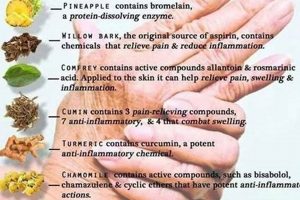
A significant proportion of individuals experience pain during menstruation, ranging from mild cramping to severe dysmenorrhea. Certain botanicals, like ginger and chamomile, possess anti-inflammatory and antispasmodic properties that may reduce uterine contractions and alleviate pain. The degree of relief varies amongst individuals and depends on the severity of the pain and the dosage used.
- Bloating Reduction
Fluid retention and gastrointestinal disturbances contribute to bloating during the menstrual cycle. Some plant-derived treatments, such as dandelion and parsley, exhibit diuretic properties that promote fluid excretion. Others, including peppermint and fennel, can ease digestive discomfort and reduce gas production, thereby mitigating abdominal distension.
- Mood Stabilization
Hormonal fluctuations during the menstrual cycle can affect mood and emotional well-being. Certain botanicals, such as St. John’s Wort and lavender, possess mood-enhancing properties that may help stabilize emotions and alleviate symptoms of anxiety and depression. However, caution is advised due to potential interactions with other medications.
- Regulation of Menstrual Flow
Irregular or heavy menstrual bleeding can disrupt daily life. Some herbal remedies are believed to influence hormonal balance and regulate uterine contractions, potentially leading to more predictable and manageable menstrual flow. Examples include chasteberry, known for its effects on prolactin levels, and yarrow, traditionally used to reduce excessive bleeding.
The targeted relief of specific symptoms through plant-derived treatments necessitates a personalized approach. The selection of appropriate botanicals, dosage adjustments, and concurrent lifestyle modifications should be guided by individual needs and preferences. Furthermore, the evaluation of efficacy requires careful monitoring and documentation of symptom changes. A multi-faceted strategy, integrating botanical interventions with conventional medical care, offers the greatest potential for optimizing menstrual well-being. Therefore, careful consideration should be given to the individual symptoms and holistic health management before deciding on any course of action.
3. Traditional Usage

The historical application of plant-derived substances to manage menstrual cycles represents a significant facet of various cultural practices. This extensive history influences contemporary understanding and application. Traditional practices, often passed down through generations, provide insight into the potential benefits and risks associated with specific botanicals. The understanding of traditional usage serves as a foundation for modern research and clinical application, offering time-tested remedies.
Examining specific examples highlights the interplay between tradition and practice. In traditional Chinese medicine, Dong Quai has been used for centuries to regulate the menstrual cycle and alleviate associated pain. Similarly, Native American traditions have long employed Black Cohosh to ease menopausal and menstrual discomfort. These historical applications inform modern research into the pharmacological properties of these plants. The traditional use of ginger, recognized across numerous cultures for its anti-inflammatory properties, has been applied to alleviate menstrual cramps. This historical use provides a basis for scientific investigations to confirm the observed effects.
The practical significance of understanding traditional usage lies in providing a framework for informed decision-making. While traditional use does not guarantee efficacy or safety, it offers a starting point for investigation and provides a context for interpreting modern scientific findings. Recognizing the limitations of anecdotal evidence and the potential for cultural biases is crucial. Integrating traditional knowledge with contemporary research allows for a more comprehensive and nuanced approach to managing menstrual health. Understanding traditional knowledge and modern research leads to a safer and more informed usage of botanical options.
4. Scientific Evidence
The validation of plant-derived treatments for menstrual symptoms rests upon rigorous scientific scrutiny. The existence and quality of scientific evidence directly influences the credibility and widespread acceptance of these remedies. Without sufficient scientific support, claims of efficacy remain speculative. Methodologically sound studies, including randomized controlled trials, are essential to ascertain the true benefits and potential risks associated with specific botanicals. The absence of such evidence impedes the integration of these remedies into evidence-based healthcare practices. For instance, while chamomile tea is popularly used for relaxation, evidence specifically linking it to significant reduction in menstrual cramp severity requires further investigation to substantiate anecdotal claims.
The process of scientific validation involves isolating active compounds, investigating their mechanisms of action, and conducting clinical trials to assess their effects on relevant physiological parameters. Studies evaluating the impact of ginger on prostaglandin synthesis, a key factor in menstrual pain, illustrate this approach. Similarly, research exploring the hormonal effects of chasteberry provides insights into its potential role in regulating menstrual cycles. Meta-analyses and systematic reviews, synthesizing data from multiple studies, offer a comprehensive overview of the available evidence and identify areas where further research is needed. These analyses frequently highlight the heterogeneity of study designs and the need for larger, well-controlled trials to draw definitive conclusions. Therefore, robust scientific evidence is the foundation for responsible and informed decision-making regarding botanical use.
Ultimately, the integration of plant-derived treatments into mainstream healthcare requires a concerted effort to generate high-quality scientific evidence. Addressing methodological limitations, conducting rigorous clinical trials, and translating research findings into practical guidelines are crucial steps. Overcoming the challenges associated with botanical research, such as the variability in plant composition and the complexity of herb-drug interactions, is paramount. A commitment to scientific rigor ensures that decisions regarding plant-derived treatments are grounded in evidence, promoting safe and effective healthcare practices for menstrual health. Future advancements depend on diligent and rigorous study.
5. Safety Profile

The assessment of risk associated with using plant-derived interventions to manage menstrual cycles is a paramount concern. The ‘Safety Profile’ serves as a critical evaluation, guiding responsible decision-making in the realm of botanical treatments. Understanding potential adverse effects, contraindications, and interactions with other medications is essential to mitigate harm and maximize benefits.
- Potential Adverse Reactions
Botanicals, while often perceived as benign, can elicit adverse reactions in susceptible individuals. Allergic responses, gastrointestinal disturbances, and dermatological manifestations represent some potential side effects. For instance, certain herbal remedies, like St. John’s Wort, may increase photosensitivity, leading to sunburn. Thorough research into the potential adverse effects associated with each botanical is imperative to minimize harm.
- Drug Interactions
The concurrent use of plant-derived treatments and conventional medications poses a risk of pharmacokinetic or pharmacodynamic interactions. Botanicals may alter the absorption, metabolism, or excretion of drugs, affecting their efficacy or increasing the likelihood of adverse effects. For example, grapefruit juice, commonly consumed, can inhibit the metabolism of certain medications. Comprehensive disclosure of all medications and supplements to a healthcare provider is essential to identify and manage potential interactions.
- Contraindications
Specific medical conditions or physiological states may contraindicate the use of certain plant-derived treatments. Pregnancy, breastfeeding, liver disease, and kidney dysfunction represent conditions where caution is warranted. Certain botanicals possess hormonal effects that could disrupt pregnancy or exacerbate existing medical conditions. Consultation with a healthcare professional is crucial to determine the suitability of plant-derived interventions for individuals with underlying health issues.
- Dosage and Quality Control
Appropriate dosage is critical for minimizing the risk of adverse effects. Exceeding recommended dosages does not necessarily enhance benefits and may increase the likelihood of toxicity. Furthermore, the quality and standardization of botanical products vary widely. Contamination with heavy metals, pesticides, or adulterants poses a significant safety concern. Sourcing products from reputable manufacturers with stringent quality control processes is essential to ensure purity and potency.
These facets underscore the significance of a comprehensive safety assessment when considering the use of plant-derived treatments for menstrual management. A responsible approach necessitates informed decision-making, thorough research, and open communication with healthcare providers. Prioritizing safety safeguards well-being while exploring complementary approaches to menstrual health.
Frequently Asked Questions
The following questions address common concerns and misconceptions regarding the utilization of plant-derived treatments for menstrual-related symptoms. The aim is to provide clarity and promote informed decision-making based on available evidence.
Question 1: Are plant-derived treatments a safe substitute for conventional medical care for menstrual disorders?
Plant-derived treatments should not be considered a replacement for conventional medical care, particularly in cases of diagnosed menstrual disorders. The efficacy and safety of many botanical remedies remain under investigation, and self-treating serious conditions can delay appropriate medical intervention. They are best considered complementary rather than alternative options.
Question 2: How can interactions between plant-derived treatments and conventional medications be avoided?
Disclosure of all medications and supplements, including plant-derived treatments, to a healthcare provider is crucial. This allows for the identification of potential interactions and adjustments to treatment plans as needed. Caution should be exercised when combining botanicals with medications that affect liver enzymes or blood clotting.
Question 3: What factors should be considered when selecting a specific botanical intervention?
The selection process should involve a thorough assessment of individual symptoms, medical history, and potential contraindications. Consulting with a qualified herbalist or healthcare provider can help determine the most appropriate botanical and dosage. The quality and standardization of the product should also be carefully evaluated.
Question 4: How long does it typically take to experience noticeable benefits from plant-derived treatments?
The time frame for experiencing noticeable benefits varies depending on the botanical, the individual’s physiology, and the severity of the symptoms. Some individuals may experience relief within a few weeks, while others may require several months of consistent use. Patience and careful monitoring of symptoms are essential.
Question 5: Are there specific plant-derived treatments that should be avoided during pregnancy or breastfeeding?
Many botanicals are contraindicated during pregnancy and breastfeeding due to potential risks to the fetus or infant. Specific examples include St. John’s Wort, Dong Quai, and certain essential oils. Consultation with a healthcare provider is imperative before using any plant-derived treatment during these periods.
Question 6: Where can reliable information regarding the efficacy and safety of specific botanical remedies be found?
Reputable sources of information include scientific journals, government health agencies, and professional organizations focused on herbal medicine. Consulting with a qualified herbalist or healthcare provider can also provide access to evidence-based guidance. Exercise caution when evaluating information from unregulated websites or anecdotal sources.
These answers underscore the importance of responsible decision-making and seeking guidance from qualified professionals when considering plant-derived treatments for menstrual health. A comprehensive understanding of potential benefits, risks, and interactions is crucial for optimizing well-being.
The following sections will further explore specific botanical options and practical considerations for their use in managing menstrual symptoms.
Conclusion
The examination of plant-derived treatments for menstrual health reveals a complex landscape of both potential benefits and inherent limitations. While historical usage and anecdotal evidence suggest efficacy for certain symptoms, rigorous scientific validation remains crucial. Factors such as botanical identification, standardization, safety profiles, and potential interactions must be carefully considered. The indiscriminate use of such treatments without professional guidance may present unforeseen risks. The exploration of herbal remedies for period reveals both potential relief and significant need for caution.
Ultimately, informed decision-making and a commitment to evidence-based practices are paramount. Further research is necessary to fully elucidate the mechanisms of action and long-term effects of specific botanicals. Individuals seeking plant-derived treatments for menstrual concerns are strongly advised to consult with qualified healthcare providers to ensure safe and appropriate integration into their overall health management strategy. A proactive approach, combined with responsible research and professional guidance, maximizes the potential for improved well-being.