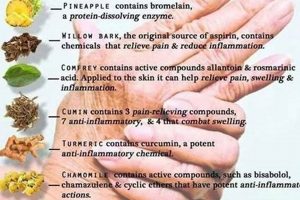
Botanical treatments utilized to alleviate elevated body temperatures represent a traditional approach to managing febrile conditions. These treatments often involve the use of plants or plant extracts believed to possess antipyretic properties. An example is the consumption of willow bark tea, historically employed to reduce fever due to its salicin content, a precursor to aspirin.
The historical significance of plant-based interventions in addressing fever lies in their accessibility and perceived gentleness. In many cultures, prior to the advent of modern medicine, plant-derived substances were the primary means of managing illness. The benefits include the potential for fewer side effects compared to synthetic pharmaceuticals and the support of traditional healing practices. However, it’s important to acknowledge the variability in efficacy and the potential for interactions with other medications.
The following sections will explore specific plants commonly associated with temperature reduction, their proposed mechanisms of action, considerations regarding dosage and preparation, and the importance of seeking professional medical advice when considering these approaches to manage a fever.
Important Considerations Regarding Botanical Treatments for Elevated Temperatures
The subsequent guidelines are presented for informational purposes only and do not constitute medical advice. Consultation with a qualified healthcare professional is imperative prior to initiating any botanical treatment for fever.
Tip 1: Identification and Sourcing: Ensure accurate identification of the plant material. Purchase from reputable suppliers to minimize the risk of adulteration or contamination. For example, confusion between different types of chamomile can lead to unintended effects.
Tip 2: Dosage and Preparation: Adhere strictly to recommended dosages. Preparation methods, such as infusions or decoctions, can affect the concentration of active compounds. Incorrect preparation can lead to ineffective treatment or adverse reactions. For instance, boiling a delicate herb for too long can destroy its beneficial properties.
Tip 3: Potential Interactions: Be aware of potential interactions with prescription medications, over-the-counter drugs, and other supplements. Certain botanicals can alter the metabolism of pharmaceuticals, leading to decreased efficacy or increased toxicity. St. John’s Wort, for example, is known to interact with numerous medications.
Tip 4: Monitoring and Observation: Closely monitor the individual’s response to treatment. Note any changes in symptoms, including the fever’s trajectory, as well as any adverse effects. Documenting these observations can provide valuable information for subsequent medical consultations.
Tip 5: Hydration: Maintain adequate hydration throughout the duration of the fever. Fever increases fluid loss, and dehydration can exacerbate symptoms. Water, herbal teas, and electrolyte-rich beverages can help replenish fluids.
Tip 6: Underlying Cause: Remember that fever is often a symptom of an underlying condition. Addressing the root cause of the fever is paramount. If the fever persists or worsens, seeking medical evaluation is crucial to determine the underlying illness.
Tip 7: Contraindications: Recognize that certain individuals, such as pregnant or breastfeeding women, infants, and those with pre-existing medical conditions, may have contraindications to specific botanical treatments. Avoid use in these populations unless specifically advised by a healthcare professional.
Prioritizing safety and informed decision-making is critical when considering these botanical interventions. The goal is to support the body’s natural healing processes while minimizing the risk of harm.
The ensuing discussion will delve into specific examples and evidence-based research, providing a more in-depth analysis of the topic.
1. Plant Identification

Accurate plant identification is paramount in the context of botanical treatments for elevated temperatures. Misidentification can lead to ineffective therapy, adverse reactions, or even toxicity. Rigorous identification processes are therefore essential to ensure patient safety and treatment efficacy.
- Morphological Characteristics
Precise observation of morphological characteristics leaf shape, stem structure, flower arrangement, and fruit characteristics is a foundational element of plant identification. Variations in these features can distinguish closely related species, some of which may possess differing chemical compositions and, consequently, therapeutic effects. For instance, distinguishing between different species of elderflower (Sambucus) is critical, as some species are more effective for reducing fever than others, while others may be toxic. Microscopic examination of plant tissues can further aid in differentiation when macroscopic features are insufficient.
- Taxonomic Classification
Understanding the taxonomic classification genus, species, and subspecies provides a framework for understanding evolutionary relationships and potential similarities in chemical constituents. Taxonomic keys and botanical databases are valuable resources for navigating this hierarchical system. Applying the scientific name ensures clarity and avoids ambiguity associated with common names, which can vary regionally. The correct scientific name allows for accessing reliable information on its properties.
- Geographical Location and Habitat
The geographical location and habitat of a plant can provide clues to its identity and chemical composition. Plants growing in specific environments may exhibit unique adaptations and accumulate distinctive secondary metabolites. Knowing the plant’s natural range and preferred growing conditions assists in narrowing down potential species and identifying look-alikes. Identifying a plant growing outside its known native region can suggest that it is an invasive species or that it has been misidentified.
- Chemical Profiling
Chemical profiling, using techniques such as chromatography and spectroscopy, provides a detailed analysis of a plant’s chemical constituents. This is especially useful in confirming the identity of plants that are morphologically similar but chemically distinct. The presence or absence of specific compounds, known to possess antipyretic properties, can validate its suitability for use in reducing fever. Chemical profiling also aids in detecting adulteration, ensuring the authenticity of the plant material.
The interconnectedness of these facets underscores the importance of a multi-faceted approach to plant identification. Relying solely on one method can lead to errors and compromise the safety and effectiveness of using that substance for fever management. Integrating morphological observation, taxonomic knowledge, geographical context, and, when necessary, chemical analysis provides a robust framework for confident and reliable plant identification, safeguarding individuals who utilize botanical treatments.
2. Preparation Methods

Preparation methods exert a significant influence on the efficacy and safety of botanical interventions for elevated temperatures. The technique employed for extracting active compounds from plant material directly affects the concentration and bioavailability of these compounds, thereby dictating the therapeutic outcome. Inappropriate preparation can render a potentially beneficial remedy ineffective or, conversely, result in toxic concentrations.
- Infusions
Infusions involve steeping plant material, typically leaves or flowers, in hot water. This method is suitable for extracting volatile oils and water-soluble compounds. Prolonged or excessive heat can degrade these delicate constituents, reducing the remedy’s effectiveness. Chamomile tea, prepared via infusion, is commonly used for its mild sedative and potential antipyretic properties.
- Decoctions
Decoctions entail simmering tougher plant parts, such as roots, barks, or seeds, in water for a longer period. This technique is necessary to extract heat-stable compounds that are not readily released through infusion. The duration of simmering affects the concentration of active ingredients, and prolonged boiling can potentially release undesirable compounds. Willow bark decoction, used historically for its salicylic acid content, requires careful preparation to avoid bitterness and optimize therapeutic effects.
- Tinctures
Tinctures involve extracting plant constituents using a solvent, typically alcohol or a mixture of alcohol and water. Alcohol acts as a preservative and enhances the extraction of both water-soluble and fat-soluble compounds. The alcohol concentration affects the solubility of different plant constituents. A higher alcohol content is generally preferred for resins and oils, while a lower content is suitable for tannins and glycosides. For example, echinacea tinctures are commonly used for immune support, and the method of extraction significantly influences their efficacy.
- Poultices
Poultices are topical preparations made by applying crushed or mashed plant material directly to the skin. This method allows for localized absorption of active compounds. The warmth and moisture of the poultice can enhance penetration. For example, a mustard seed poultice is traditionally applied to the chest to relieve congestion associated with respiratory infections and related fevers. The preparation and application technique impact the release and absorption of the active compounds.
The selection of an appropriate preparation method is crucial for maximizing the therapeutic potential of botanical remedies for elevated temperatures. Factors such as the plant part used, the chemical properties of the desired compounds, and the intended route of administration must be carefully considered. Furthermore, adherence to standardized preparation protocols is essential to ensure consistency and predictability in the final product. Improper preparation can diminish efficacy or introduce safety risks, underscoring the importance of knowledge and precision in this aspect of botanical medicine.
3. Dosage Precision

Dosage precision constitutes a critical element in the safe and effective application of botanical treatments for elevated temperatures. The concentration of active compounds within herbal remedies varies considerably based on factors such as plant species, growing conditions, preparation methods, and storage conditions. Consequently, accurate dosage is paramount to achieving the desired therapeutic effect without inducing adverse reactions. Overdosing can lead to toxicity, while insufficient dosage may result in treatment failure. For example, administering an excessive amount of willow bark, containing salicin, could lead to symptoms similar to aspirin overdose, such as tinnitus or gastrointestinal distress. Conversely, an inadequate dose would fail to provide the antipyretic benefit. The accurate measurement and administration of such remedies are therefore integral to responsible use.
The importance of precise dosing is further amplified by the variable physiological responses among individuals. Factors such as age, weight, metabolic rate, and pre-existing health conditions can influence the body’s reaction to herbal remedies. Pediatric populations, in particular, require meticulously calculated dosages due to their increased vulnerability to adverse effects. For example, the administration of feverfew, traditionally used for migraine prophylaxis and potential antipyretic effects, requires careful calibration to prevent paradoxical effects or interactions with other medications, especially in young children. Similarly, individuals with hepatic or renal impairment may exhibit altered metabolism and excretion of herbal constituents, necessitating dosage adjustments.
In summary, the link between dosage precision and botanical treatments for elevated temperatures is fundamental to ensuring patient safety and treatment efficacy. A comprehensive understanding of plant constituents, individual physiological variability, and potential drug interactions is essential for practitioners and individuals who choose to utilize herbal remedies. Adherence to established dosage guidelines and careful monitoring of patient response are imperative to maximize therapeutic benefits while minimizing the risk of adverse events. The pursuit of precise dosage protocols remains a critical area of research and development in the field of herbal medicine, aiming to optimize therapeutic outcomes and enhance patient safety.
4. Interaction Awareness

Interaction awareness, in the context of botanical treatments for elevated temperatures, signifies the understanding and proactive assessment of potential interactions between herbal remedies and other substances, including prescription medications, over-the-counter drugs, dietary supplements, and even certain foods. The cause of such interactions stems from the bioactive constituents present in plants, which can affect various physiological processes, including drug metabolism, absorption, distribution, and excretion. The absence of interaction awareness can lead to diminished therapeutic efficacy of conventional medications, increased risk of adverse drug reactions, or unexpected and potentially harmful synergistic effects. A person taking warfarin, an anticoagulant medication, while simultaneously consuming large quantities of ginger, which also possesses anticoagulant properties, might experience an increased risk of bleeding.
The importance of interaction awareness as a component of botanical fever treatments lies in its direct influence on patient safety. Many individuals self-medicate with botanical products without informing their healthcare providers, creating a potential for undetected and hazardous interactions. Certain herbs, such as St. John’s Wort, are known to induce hepatic enzymes, leading to the accelerated metabolism and reduced effectiveness of numerous medications, including some antiretrovirals, oral contraceptives, and immunosuppressants. Conversely, other herbs may inhibit drug-metabolizing enzymes, leading to increased drug levels and a heightened risk of toxicity. For instance, grapefruit juice, while not strictly an herb, contains compounds that inhibit CYP3A4 enzymes, resulting in elevated blood concentrations of certain statins, thereby increasing the risk of myopathy and liver damage. This underlines the practical significance of complete and transparent communication between patients and healthcare professionals regarding all substances being consumed.
In conclusion, interaction awareness is not merely an ancillary consideration but an integral facet of the responsible and judicious application of botanical therapies for fever management. Healthcare practitioners must proactively inquire about patients’ use of herbal remedies and possess the knowledge to assess potential interaction risks. Patients, in turn, must openly communicate their herbal use to their healthcare providers. Challenges in this area include the limited availability of comprehensive interaction data for many herbal products and the variability in the chemical composition of herbal preparations. Continuous research and education are essential to expanding the knowledge base and promoting safer integration of botanical and conventional medicine.
5. Symptom Monitoring

The systematic observation and documentation of physiological changes, or symptom monitoring, represent an indispensable component of managing elevated temperatures with botanical interventions. The cause-and-effect relationship between herbal remedies and the febrile state necessitates careful tracking of vital signs, subjective patient experiences, and any indications of adverse reactions. For example, if an individual consumes an infusion of elderflower to reduce fever, consistent monitoring of body temperature, heart rate, and respiratory rate is crucial. The decline in temperature and stabilization of other vital signs would indicate a positive therapeutic response, whereas an increasing temperature or the development of a rash would suggest the need for either a modified treatment strategy or immediate medical intervention.
Symptom monitoring’s importance to botanical fever treatment stems from its ability to provide an objective assessment of therapeutic efficacy and patient safety. Real-life scenarios illustrate this point: imagine a child receiving chamomile tea for a mild fever. Parents, acting as caregivers, must observe not only the child’s temperature but also behaviors, such as alertness, appetite, and any signs of allergic reaction, such as hives. The practical significance lies in the fact that early detection of adverse events allows for timely intervention, potentially preventing serious complications. Furthermore, symptom monitoring informs decisions regarding dosage adjustments and the continuation or discontinuation of the chosen herbal remedy. Without systematic tracking, it becomes challenging to differentiate between expected therapeutic effects, placebo responses, and genuine adverse reactions.
In conclusion, symptom monitoring is not merely a recommended practice but an ethical imperative when employing botanical treatments for elevated temperatures. The lack of stringent regulatory oversight for many herbal products necessitates a heightened level of vigilance. Challenges include patient adherence to consistent monitoring protocols and the potential for subjective bias in symptom reporting. The integration of objective measures, such as digital thermometers and wearable health trackers, can enhance the accuracy and reliability of data collection. As the use of botanical medicine grows, promoting evidence-based symptom monitoring strategies will be crucial for maximizing therapeutic benefits and mitigating risks.
6. Underlying Cause

The application of botanical treatments to alleviate elevated temperatures necessitates a thorough consideration of the underlying cause of the fever. Fever, while a symptom itself, frequently indicates an underlying infection, inflammatory process, or other pathological condition. Employing botanical remedies without addressing the root cause may temporarily mask the symptom but fail to resolve the primary ailment. For instance, fever resulting from a bacterial infection necessitates antibiotic intervention, and relying solely on antipyretic herbs could delay appropriate treatment and potentially worsen the infection. A fever caused by heatstroke requires immediate cooling measures and rehydration, with botanical treatments playing a secondary role, if any, in the acute management.
The importance of identifying the underlying cause as a component of botanical treatments for fever lies in its direct impact on the overall effectiveness and appropriateness of the therapeutic approach. Consider a scenario where an individual experiences fever due to an autoimmune condition. While certain herbs may possess anti-inflammatory properties that could temporarily reduce the fever, the underlying autoimmune process requires targeted immunomodulatory therapies. Ignoring the autoimmune cause and solely focusing on symptomatic relief may lead to disease progression and long-term complications. The practical significance is that accurate diagnosis of the fever’s origin guides the selection of the most effective treatment strategy, whether it involves botanical remedies, conventional medications, or an integrated approach. A fever could also be related to a drug side-effect, so cessation of use will be more appropriate than using a herbal medicine to stop the fever.
In conclusion, the linkage between the root of the illness and its herb treatment is intrinsic to the proper usage of herbal remedies for fever. Symptomatic treatment using botanical medicine will not treat the underlying cause of a fever. Challenges include differentiating between self-limiting viral infections where symptomatic relief with herbs may be appropriate and more serious conditions requiring conventional medical intervention. Careful assessment, diagnostic testing when indicated, and collaboration with healthcare professionals are essential to ensure that the underlying cause of fever is addressed effectively, leading to optimal patient outcomes and responsible use of botanical medicine.
7. Professional Guidance

The safe and effective utilization of botanical treatments for elevated temperatures necessitates the expertise and oversight of qualified healthcare professionals. Erroneous self-diagnosis or unsupervised application of plant-based remedies can lead to adverse outcomes, delayed appropriate medical care, and potential exacerbation of underlying conditions. The connection is causal: a lack of professional guidance directly elevates the risk of inappropriate remedy selection, incorrect dosage, and undetected interactions with existing medications. Fever, frequently indicative of an underlying condition, demands accurate diagnosis, which falls within the purview of trained medical practitioners. For example, in the case of a fever stemming from a bacterial infection, reliance solely on herbal antipyretics, without antibiotic intervention, could permit the infection to progress, resulting in serious complications. Without professional guidance, such critical diagnostic distinctions may be overlooked.
The importance of professional guidance as a component of botanical fever treatments resides in its capacity to integrate traditional knowledge with evidence-based medical practice. Real-life examples underscore this point: a patient with a history of cardiovascular disease experiencing fever might inadvertently select an herbal remedy that interacts with their existing medications, potentially leading to adverse cardiovascular events. A trained healthcare professional, aware of the patient’s medical history and medication regimen, can guide the selection of a safe and appropriate botanical treatment, or, conversely, advise against its use. The practical significance lies in minimizing the risk of harm and maximizing the potential therapeutic benefits of combining botanical and conventional medical approaches. Professional guidance extends to providing accurate information about herbal remedy preparation, dosage, and potential side effects, ensuring that patients are fully informed and empowered to make responsible healthcare decisions.
In conclusion, the relationship between professional guidance and botanical treatments for elevated temperatures is one of interdependence. Challenges include the limited availability of healthcare professionals with specialized training in both botanical medicine and conventional medical practice. Furthermore, cultural beliefs and personal preferences can influence patients’ receptivity to professional medical advice. Bridging the gap between traditional healing practices and evidence-based medicine requires collaborative efforts between healthcare providers, herbalists, and patients, fostering a shared understanding of the potential benefits and risks associated with botanical therapies. Emphasizing the role of professional guidance promotes responsible self-care and enhances the safety and effectiveness of botanical treatments for elevated temperatures.
Frequently Asked Questions
The following questions address common concerns and misconceptions regarding the use of plant-derived substances to manage elevated body temperatures. The information provided is intended for educational purposes and does not substitute for professional medical advice.
Question 1: Are botanical interventions a safe substitute for conventional fever-reducing medications?
Botanical treatments may offer some relief from fever symptoms, but they are not invariably a safe or effective replacement for conventional medications. The appropriateness of each approach depends on the underlying cause of the fever, the severity of symptoms, and individual health factors. Consulting a healthcare professional is essential to determine the most suitable treatment strategy.
Question 2: Is there scientific evidence to support the use of plant-based treatments for fever?
Some botanical substances have demonstrated antipyretic properties in laboratory studies and clinical trials. However, the quality and quantity of evidence vary considerably. More research is needed to establish the efficacy and safety of many traditional herbal remedies. Some herbs such as Willow Bark, do have an established history of use, while others are largely supported by anecdotal reports only.
Question 3: Can botanical remedies interact with prescription medications?
Yes, plant-derived substances can interact with prescription medications, potentially altering their effectiveness or increasing the risk of adverse effects. Awareness of potential interactions is crucial, and consultation with a healthcare provider or pharmacist is recommended before combining herbal and conventional treatments.
Question 4: What dosage of herbal remedies is appropriate for managing fever?
Dosage guidelines for herbal remedies vary depending on the specific plant, the method of preparation, and individual factors such as age and weight. Adhering to recommended dosages is essential to minimize the risk of adverse reactions. Seeking guidance from a qualified herbalist or healthcare professional is advisable to determine the appropriate dosage.
Question 5: Are there specific populations who should avoid using herbal remedies for fever?
Certain populations, including pregnant or breastfeeding women, infants, and individuals with pre-existing medical conditions, may need to avoid certain botanical remedies. Potential risks and contraindications should be carefully considered, and consultation with a healthcare provider is essential.
Question 6: What are the potential side effects of plant-based fever treatments?
Herbal remedies, like all medications, can cause side effects. These can range from mild gastrointestinal upset to more serious allergic reactions or interactions with other medications. Discontinuing use and seeking medical attention is warranted if any concerning symptoms develop.
In summary, the use of botanical substances to manage fever should be approached with caution and informed decision-making. Professional guidance, evidence-based information, and careful monitoring are essential to ensure patient safety and treatment effectiveness.
The subsequent section will delve into best practices when sourcing and preparing herbal medicines.
Herbal Remedies for Fever
This exposition has explored the multifaceted aspects of botanical interventions intended to mitigate elevated body temperatures. It has underscored the criticality of accurate plant identification, precise preparation methods, appropriate dosage, awareness of potential interactions, diligent symptom monitoring, and, most importantly, addressing the underlying cause of the fever. The necessity for professional guidance in navigating the complexities of herbal medicine has been emphasized throughout.
The information presented serves as a foundation for informed decision-making, not as a prescription for self-treatment. The judicious use of plant-derived substances necessitates a commitment to evidence-based practices, comprehensive patient assessment, and a collaborative approach between individuals and qualified healthcare professionals. Further research into the efficacy and safety of specific botanical remedies is warranted to refine treatment protocols and maximize positive patient outcomes. In cases of elevated body temperature, obtaining a definitive diagnosis from a licensed healthcare professional is still of upmost importance.