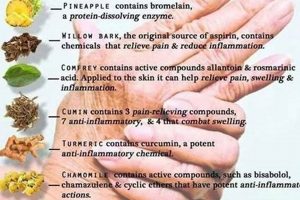
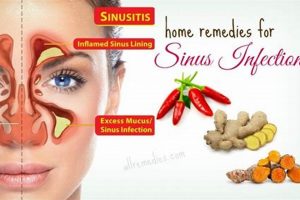
Natural substances derived from plants, aimed at alleviating the symptoms of allergic reactions, represent a growing area of interest for individuals seeking alternative or complementary treatments. These plant-based options encompass a wide array of botanicals, often formulated into teas, capsules, or tinctures, and are used with the intention of modulating the body’s immune response and reducing inflammation associated with allergies. An example includes the use of butterbur extract to potentially mitigate symptoms of seasonal allergic rhinitis.
The appeal of plant-derived interventions stems from several factors, including a perceived gentler impact on the body compared to conventional medications, as well as a desire to explore natural approaches to wellness. Historically, various cultures have employed plants for their medicinal properties, and this tradition informs the ongoing exploration of botanicals to address health concerns. Their perceived benefits may include fewer side effects for some individuals and the potential to address the underlying causes of allergic reactions, rather than merely suppressing symptoms.
The subsequent sections will delve into specific plants that are commonly associated with allergy relief, examining the scientific evidence supporting their efficacy, potential risks and side effects, and guidelines for responsible use. Further discussion will address the importance of consulting with healthcare professionals before incorporating these substances into a treatment regimen, and explore the regulatory landscape surrounding these natural products.
The following provides guidance for those considering incorporating plant-derived substances into their allergy management strategy. These recommendations emphasize responsible usage, informed decision-making, and collaboration with healthcare professionals.
Tip 1: Prioritize Consultation with Qualified Healthcare Professionals: Prior to initiating any plant-based intervention, it is imperative to consult with a physician, allergist, or qualified herbalist. This ensures that the chosen plant is appropriate for the individual’s specific condition, does not interact with existing medications, and is used at a safe dosage.
Tip 2: Conduct Thorough Research on Specific Plants: Investigate the scientific evidence supporting the efficacy of a particular plant for allergy relief. Reputable sources, such as peer-reviewed journals and evidence-based databases, provide valuable information on a plant’s potential benefits and risks.
Tip 3: Understand Potential Side Effects and Interactions: All plant-derived substances possess the potential to cause side effects or interact with medications. Research known adverse reactions and potential drug interactions before use. Common side effects may include gastrointestinal upset, skin reactions, or allergic reactions.
Tip 4: Source Products from Reputable Manufacturers: Choose products from reputable manufacturers that adhere to quality control standards. Look for certifications from third-party organizations that verify the purity and potency of the plant material.
Tip 5: Adhere to Recommended Dosages: Carefully follow the dosage instructions provided by the manufacturer or healthcare professional. Exceeding the recommended dose does not necessarily enhance efficacy and may increase the risk of adverse effects.
Tip 6: Monitor for Allergic Reactions: Some individuals may experience allergic reactions to specific plants. Start with a low dose and monitor for any signs of an allergic reaction, such as rash, itching, swelling, or difficulty breathing. Discontinue use immediately and seek medical attention if an allergic reaction occurs.
Tip 7: Be Aware of Potential Contaminants: Plant-derived substances can be contaminated with heavy metals, pesticides, or other harmful substances. Choose products that have been tested for contaminants to ensure safety.
Tip 8: Consider the Form of Administration: The form of administration (e.g., tea, capsule, tincture) can affect the absorption and bioavailability of the plant’s active compounds. Discuss the optimal form of administration with a healthcare professional.
Adhering to these recommendations promotes informed and responsible use of plant-derived substances in allergy management. The key takeaway is that these should be viewed as complementary, not alternative, to conventional medical treatments and should always be undertaken with professional guidance.
The subsequent sections will provide a detailed analysis of commonly used plants, their respective mechanisms of action, and considerations for their safe and effective use.
1. Plant Identification

Accurate plant identification forms the cornerstone of safe and effective use of botanicals for allergy symptom management. Misidentification can lead to ingestion of inactive, ineffective, or, more critically, toxic plants, negating any potential benefits and potentially causing significant harm. This is of paramount importance when sourcing, preparing, and utilizing plants for allergy relief.
- Taxonomic Precision and Chemotype Variation
Correct taxonomic classification is essential. Even within the same species, different chemotypes (plants with different chemical compositions) may exist. For example, two varieties of chamomile ( Matricaria chamomilla ) may differ in their concentrations of anti-inflammatory compounds like apigenin. Inaccurate identification can result in a plant with significantly lower or even absent therapeutic potential being used, providing no benefit to the allergy sufferer. A qualified botanist or herbalist can assist in definitive identification.
- Differentiation from Toxic Look-alikes
Numerous poisonous plants bear a resemblance to beneficial ones. Water hemlock ( Cicuta maculata) is a deadly poisonous plant that can be mistaken for edible plants in the carrot family, some of which are traditionally used for allergy symptom relief. Careful examination of botanical characteristics, such as leaf shape, stem structure, and flower arrangement, is crucial. Reliance on non-expert identification methods, such as visual inspection alone, is highly discouraged.
- Impact on Sourcing and Preparation
Accurate identification impacts sourcing practices. Improperly identified plants sourced from unreliable suppliers may contain adulterants or contaminants. Moreover, different plant parts (root, stem, leaf, flower) may contain varying concentrations of active compounds or even different compounds altogether. Correct identification allows for the appropriate plant part to be harvested and prepared using the correct methods to optimize efficacy and minimize the risk of adverse reactions. For instance, only the aerial parts of stinging nettle ( Urtica dioica) are typically used for allergy purposes, not the roots.
- Consequences for Adverse Reactions
In the event of an adverse reaction, accurate plant identification is essential for effective medical intervention. Knowing the specific plant ingested allows healthcare professionals to administer the appropriate treatment. Unidentified plant exposures complicate diagnosis and treatment, potentially leading to delayed or inappropriate care. Maintaining detailed records of plant sources and preparations is crucial for patient safety.
The facets above highlight the critical link between accurate plant identification and the responsible use of botanicals for allergies. Accurate identification safeguards against ineffectiveness and, more seriously, toxicity. The complexity of plant identification underscores the importance of seeking guidance from experienced herbalists or botanists before utilizing any plant-derived intervention. Due diligence in plant identification forms the foundational element for the responsible use of plant interventions for allergies.
2. Efficacy Validation

Efficacy validation constitutes a critical process in determining the genuine therapeutic benefits of plant-derived substances intended for allergy symptom relief. The growing interest in plant-based interventions necessitates rigorous scientific evaluation to ascertain whether purported benefits are supported by credible evidence, protecting consumers from ineffective or potentially harmful treatments.
- Randomized Controlled Trials (RCTs)
RCTs represent the gold standard for assessing the efficacy of plant interventions. These trials involve randomly assigning participants with allergies to either a treatment group receiving the plant-derived substance or a control group receiving a placebo or standard treatment. Outcome measures, such as symptom scores, inflammatory markers, and quality of life, are compared between the groups to determine if the plant-derived substance demonstrates a statistically significant improvement compared to the control. Lack of well-designed RCTs casts doubt on the actual efficacy of a particular plant intervention for allergy relief.
- Systematic Reviews and Meta-Analyses
Systematic reviews and meta-analyses synthesize the results of multiple RCTs to provide a comprehensive overview of the evidence for a particular plant intervention. These analyses assess the methodological quality of the included studies and pool the data to determine the overall effect size. A positive meta-analysis provides stronger evidence for efficacy than individual studies alone. Conversely, a lack of systematic reviews or meta-analyses, or the presence of negative findings, indicates a need for further research or suggests that the intervention is unlikely to be effective.
- Considerations for Plant Complexity
Plants contain a complex mixture of chemical compounds, and it can be challenging to isolate the specific compounds responsible for therapeutic effects. Researchers must identify and standardize the active constituents to ensure consistency in product formulations. Factors such as plant genetics, growing conditions, and processing methods can influence the chemical composition of plant-derived substances, affecting their efficacy. Standardized extracts, with known concentrations of active compounds, are preferred for clinical trials.
- Dosage and Route of Administration
The efficacy of a plant intervention can depend on the dosage and route of administration. The optimal dosage may vary depending on the individual’s age, weight, and severity of allergies. Different routes of administration (e.g., oral, topical, inhaled) can affect the absorption and bioavailability of the active compounds. Clinical trials should investigate different dosages and routes of administration to determine the most effective regimen.
In conclusion, the facets presented underscore the necessity of efficacy validation in the context of plant-derived interventions for allergies. Without sound scientific evidence, the use of these remedies remains speculative, potentially leading to financial costs, delayed access to effective treatment, or even adverse health outcomes. A commitment to rigorous testing and transparency in research is essential to inform evidence-based recommendations for allergy management.
3. Dosage Precision

Dosage precision is of paramount importance when considering plant-derived interventions for allergy management. Plant-based remedies contain complex chemical constituents, and the therapeutic window between efficacy and toxicity can be narrow. Consequently, careful attention to dosage is essential to maximize benefits while minimizing the risk of adverse effects.
- Variable Bioavailability
The bioavailability of active compounds in plant interventions can vary significantly depending on factors such as the plant species, growing conditions, processing methods, and individual patient characteristics. Bioavailability refers to the fraction of the administered dose that reaches the systemic circulation and is available to exert its therapeutic effect. For example, curcumin, a compound found in turmeric, has poor bioavailability, meaning that a large oral dose may be required to achieve therapeutic concentrations in the body. Dosage adjustments are often necessary to compensate for variable bioavailability.
- Concentration Variability
The concentration of active constituents can vary considerably between different batches of the same plant-derived product. This variability can be due to differences in plant genetics, growing conditions, harvesting practices, and extraction methods. Products that lack standardization and quality control are more likely to exhibit concentration variability, increasing the risk of under- or over-dosing. For example, echinacea products have been shown to vary significantly in their concentrations of alkylamides, the compounds thought to be responsible for its immune-modulating effects. Precise dosage requires standardized products with consistent concentrations of active compounds.
- Individual Patient Factors
Individual patient factors, such as age, weight, liver function, kidney function, and concomitant medications, can affect the metabolism and elimination of plant-derived compounds. These factors can influence the optimal dosage of a particular intervention. For example, elderly patients with impaired liver or kidney function may require lower doses to avoid toxicity. Similarly, patients taking medications that affect liver enzyme activity may require dosage adjustments. Precise dosage necessitates consideration of individual patient characteristics.
- Interactions with Conventional Medications
Plant-derived substances can interact with conventional medications, either enhancing or reducing their effects. These interactions can alter the optimal dosage of both the plant-derived substance and the conventional medication. For example, St. John’s Wort can induce liver enzymes, reducing the effectiveness of certain medications. Careful monitoring and dosage adjustments are essential when combining plant interventions with conventional medications. Consulting with a healthcare professional knowledgeable about drug interactions is crucial.
In summary, dosage precision is critical for the safe and effective use of plant interventions for allergy management. The factors affecting bioavailability, concentration variability, individual patient characteristics, and potential interactions with conventional medications all necessitate careful attention to dosage. Standardized products, consideration of individual patient factors, and consultation with healthcare professionals are essential to ensure optimal outcomes and minimize the risk of adverse effects. Dosage should be viewed as dynamic, subject to adjustment based on individual response and ongoing monitoring.
4. Interaction Awareness

Interaction awareness, pertaining to plant-derived interventions for allergies, signifies the comprehensive understanding of how these substances interact with other medications, supplements, foods, or underlying health conditions. This understanding is not merely advisory but fundamentally crucial for patient safety and treatment efficacy. It necessitates rigorous investigation and careful consideration to prevent adverse events and optimize therapeutic outcomes.
- Pharmacokinetic Interactions
Pharmacokinetic interactions involve alterations in the absorption, distribution, metabolism, or excretion of either the plant-derived substance or a co-administered medication. For example, St. John’s Wort, known for its potential antidepressant effects, induces cytochrome P450 enzymes in the liver. This induction can accelerate the metabolism of numerous drugs, including antihistamines commonly used for allergy relief, potentially reducing their efficacy. Conversely, grapefruit juice can inhibit certain cytochrome P450 enzymes, leading to increased levels of medications in the bloodstream, potentially causing toxicity. Awareness of these interactions is essential to prevent unintended consequences.
- Pharmacodynamic Interactions
Pharmacodynamic interactions occur when two or more substances have additive, synergistic, or antagonistic effects on the body. For instance, combining a plant with sedative properties, such as valerian root, with antihistamines, which can also cause drowsiness, can lead to excessive sedation and impaired cognitive function. Conversely, a plant with anti-inflammatory properties may enhance the effects of conventional anti-inflammatory medications, potentially increasing the risk of gastrointestinal bleeding or other side effects. Recognizing these interactions helps to avoid unwanted additive or antagonistic effects.
- Herb-Disease Interactions
Certain plant-derived substances can exacerbate existing medical conditions. For example, individuals with autoimmune diseases, such as rheumatoid arthritis, should exercise caution when using plant interventions that stimulate the immune system, as these may worsen their condition. Similarly, individuals with kidney disease may need to avoid plants high in potassium or oxalate, as these can further strain kidney function. Knowledge of potential herb-disease interactions is crucial for patient safety.
- Allergic Sensitivities and Cross-Reactivity
Individuals with known allergies to certain plants may experience cross-reactivity to other botanicals, even if they have not been previously exposed. For example, individuals allergic to ragweed may also be allergic to chamomile, echinacea, and other members of the Asteraceae family. Furthermore, plant-derived substances can trigger new allergic reactions in susceptible individuals. Careful monitoring for allergic reactions is essential, and healthcare providers should obtain a thorough allergy history before recommending any plant intervention.
These interactions highlight the complexity of utilizing plant-derived substances for allergy management. A thorough understanding of pharmacokinetic, pharmacodynamic, and herb-disease interactions, as well as potential allergic sensitivities, is essential for minimizing risks and optimizing therapeutic outcomes. The importance of consultation with healthcare professionals well-versed in plant interventions and drug interactions cannot be overstated. Comprehensive interaction awareness should be an integral component of any plan involving plant-derived substances for allergies.
5. Quality Assurance

In the domain of plant-derived interventions for allergy management, quality assurance transcends mere regulatory compliance, representing a multifaceted system designed to ensure product safety, consistency, and efficacy. The inherent variability of plant materials necessitates stringent controls throughout the sourcing, manufacturing, and distribution processes.
- Authentication and Source Verification
Quality assurance begins with accurate identification and authentication of plant species. Adulteration, substitution, and misidentification pose significant risks. Source verification ensures that raw materials originate from reputable suppliers adhering to sustainable harvesting practices. For example, genetic testing or macroscopic and microscopic analysis can confirm the botanical identity of chamomile flower, preventing substitution with similar-looking but less effective or even toxic species. Documentation verifying geographic origin and cultivation practices provides further assurance.
- Contaminant Testing and Purity Standards
Plant materials can be contaminated with heavy metals, pesticides, mycotoxins, and microbial pathogens. Quality assurance protocols mandate rigorous testing for these contaminants to ensure that products meet established purity standards. Limits for lead, cadmium, arsenic, and mercury, for instance, are typically defined by regulatory bodies. Certificates of analysis from independent laboratories provide verifiable evidence of contaminant levels, ensuring that products are safe for consumption.
- Standardization and Bioactive Compound Consistency
The efficacy of plant-derived remedies depends on the consistent presence of bioactive compounds. Standardization involves quantifying the concentration of key marker compounds and ensuring that each batch meets a predefined specification. For instance, butterbur extracts intended for allergy relief are often standardized to contain a specific level of petasin and isopetasin, the compounds believed to be responsible for its anti-inflammatory effects. Batch-to-batch consistency ensures that consumers receive a product with predictable therapeutic activity.
- Good Manufacturing Practices (GMP) and Traceability
Adherence to GMP guidelines is essential for ensuring product quality and safety. GMP encompasses all aspects of manufacturing, including facility design, equipment maintenance, personnel training, and record-keeping. Traceability systems allow manufacturers to track raw materials from their origin through the entire production process, enabling rapid identification and recall of defective products. Detailed batch records documenting all stages of manufacturing provide transparency and accountability.
Collectively, these facets of quality assurance constitute a robust framework for ensuring the integrity and reliability of plant-derived interventions for allergy symptom management. Without these measures, the potential benefits of such interventions remain uncertain, and the risk of harm increases significantly. The investment in comprehensive quality assurance programs is essential for building consumer trust and promoting the responsible use of these natural products.
Frequently Asked Questions
This section addresses common inquiries regarding plant-derived approaches for managing allergy symptoms. The information presented aims to provide clarity and promote informed decision-making.
Question 1: Are plant-based allergy treatments a substitute for conventional medical care?
Plant-based options should be considered complementary to, not replacements for, conventional medical care. Individuals should consult with their healthcare provider to determine the most appropriate treatment plan.
Question 2: Is the term “natural” synonymous with “safe” in the context of botanical interventions?
The term “natural” does not guarantee safety. All plant-derived substances have the potential to cause adverse effects or interact with other medications. Responsible use requires careful consideration and professional guidance.
Question 3: What scientific evidence supports the use of plant-derived substances for allergy relief?
The scientific evidence supporting the efficacy of plant interventions varies. Some plants have been studied in clinical trials, while others lack rigorous evaluation. Reputable sources, such as peer-reviewed journals and evidence-based databases, should be consulted for information.
Question 4: How can one ensure the quality and purity of botanical products?
Choose products from reputable manufacturers that adhere to quality control standards. Look for certifications from third-party organizations that verify the purity and potency of the plant material.
Question 5: What are some potential risks associated with plant interventions for allergies?
Potential risks include allergic reactions, interactions with medications, and contamination with heavy metals or pesticides. Thorough research and professional guidance are essential to minimize these risks.
Question 6: Where can reliable information about plant-based approaches be found?
Reliable information can be found in peer-reviewed scientific literature, reputable herbal medicine databases, and consultations with qualified healthcare professionals. Avoid relying solely on anecdotal evidence or unverified sources.
In conclusion, while plant-derived interventions may offer potential benefits for some individuals, responsible and informed use is paramount. Collaboration with healthcare professionals and adherence to quality assurance standards are essential.
The next section will explore specific plants commonly associated with allergy relief in detail.
Conclusion
This exploration of herbal allergy remedies has illuminated the complexities surrounding their utilization. While the allure of natural solutions for allergy symptom management is undeniable, a rigorous understanding of plant identification, efficacy validation, dosage precision, interaction awareness, and quality assurance is paramount. These factors represent critical determinants of both safety and therapeutic benefit.
The responsible integration of herbal allergy remedies into any treatment plan necessitates a commitment to evidence-based decision-making and collaboration with qualified healthcare professionals. The future of these interventions lies in continued scientific investigation and the establishment of robust quality control standards, ensuring that their potential benefits are realized without compromising patient safety. The pursuit of allergy relief should always be grounded in informed and cautious practices.