Plant-derived treatments utilized to alleviate discomfort associated with dental issues are a traditional approach to pain management. These interventions often involve the application of botanical extracts or preparations believed to possess analgesic, anti-inflammatory, or antimicrobial properties. For example, clove oil has long been employed to numb the affected area and potentially reduce inflammation related to toothaches.
The significance of these natural solutions lies in their accessibility, particularly in regions with limited access to conventional dental care. Furthermore, they represent a historical continuum, with various cultures developing and refining their own pharmacopoeia of botanicals for oral health over centuries. The benefits may include a reduced reliance on synthetic pharmaceuticals, although scientific validation is crucial for safe and effective application.
The following sections will delve into specific plant-based substances frequently cited for their potential to mitigate dental pain, examining available research and considerations for their use. Discussion will encompass preparation methods, potential side effects, and the necessity for consultation with qualified healthcare professionals before incorporating them into a treatment plan.
Guidance on Plant-Based Approaches to Dental Discomfort
The following suggestions provide considerations when exploring plant-derived options for managing tooth pain. It is essential to emphasize that these are not substitutes for professional dental evaluation and treatment.
Tip 1: Prioritize consultation with a qualified dental professional. Accurate diagnosis of the underlying cause of tooth pain is paramount before attempting any self-treatment.
Tip 2: Research the specific botanical being considered. Understand its purported mechanisms of action, potential side effects, and any interactions with existing medications.
Tip 3: Ensure the source of the botanical is reputable and the product is of high quality. Contamination or adulteration can negate benefits and introduce harmful substances.
Tip 4: Adhere to recommended dosages and application methods. Excessive use of even natural substances can lead to adverse reactions.
Tip 5: Monitor for any allergic reactions or sensitivities. Discontinue use immediately if redness, swelling, itching, or difficulty breathing occurs.
Tip 6: Understand that the efficacy of these options may vary. Individual responses to plant-based interventions can differ based on various factors, including the severity of the pain and individual physiology.
Tip 7: Do not delay seeking professional dental care if symptoms persist or worsen. Self-treatment should not postpone definitive treatment for dental conditions.
The intelligent use of these options necessitates a thorough understanding of their properties, potential risks, and limitations. They may offer temporary relief or act as adjuncts to conventional treatments, but they are not replacements for comprehensive dental care.
The subsequent section will address potential risks associated with reliance on these options and the importance of integrating them responsibly within a broader approach to oral health.
1. Analgesic Properties

Analgesic properties, or the pain-relieving capabilities of substances, are a central consideration when evaluating plant-derived treatments for dental discomfort. The presence and efficacy of these properties dictate the degree to which a botanical remedy can alleviate tooth pain symptoms.
- Nociception Modulation
Analgesic substances modulate nociception, the sensory process that relays pain signals to the brain. Certain plant compounds interfere with pain pathways, reducing the perception of discomfort. For instance, eugenol, a constituent of clove oil, is believed to inhibit nerve transmission, producing a numbing effect.
- Active Compounds and Mechanisms
Various active compounds contribute to the pain-relieving effects of botanicals. Alkaloids, terpenoids, and flavonoids are examples of plant constituents that may exhibit analgesic activity through different mechanisms, such as COX-2 inhibition (reducing inflammation) or opioid receptor activation (reducing pain sensation). However, the specific mechanisms of action are not always fully elucidated.
- Dosage and Administration Considerations
The analgesic effect depends on the concentration of active compounds and the method of administration. A diluted tea may offer minimal relief compared to a concentrated extract applied directly to the affected area. Incorrect dosage or application can result in inadequate pain relief or adverse effects.
- Variability and Individual Response
Individuals respond differently to analgesic substances. Factors such as pain tolerance, metabolism, and the severity of the underlying dental issue can affect the perceived level of pain relief from plant-derived interventions. A remedy that provides significant relief for one individual may have minimal effect on another.
The presence of demonstrable analgesic properties in plant-based substances is essential for their utility in managing tooth pain. However, the analgesic effects should be considered within the context of other factors, such as anti-inflammatory and antimicrobial actions, to achieve a more comprehensive approach to addressing the source of the pain. Additionally, recognition of potential risks is paramount.
2. Anti-inflammatory action

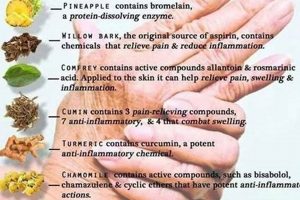
Inflammation is a key component of tooth pain, often arising from infection, trauma, or other irritants affecting the dental pulp or surrounding tissues. Plant-derived treatments that exhibit anti-inflammatory action directly address this aspect of dental discomfort. By reducing inflammation, these remedies can alleviate pain, reduce swelling, and promote tissue healing. The presence of such action is thus critical for a botanical to be considered a viable solution for tooth pain. For example, ginger, containing gingerol, and turmeric, with its curcumin content, are known for their anti-inflammatory properties and may be incorporated into oral rinses to ease inflammation-related toothaches.
The therapeutic effects of anti-inflammatory botanicals stem from their ability to modulate inflammatory pathways. Certain plant compounds inhibit the production of pro-inflammatory mediators, such as prostaglandins and cytokines, which are crucial in the inflammatory response. By suppressing these mediators, the botanicals mitigate the inflammatory cascade. In practice, this may manifest as reduced sensitivity to pressure on the affected tooth, decreased redness of the gums, and a diminished throbbing sensation. The application of chamomile tea bags to the affected area allows chamomile’s anti-inflammatory compounds to interact locally with the inflamed tissues.
In summary, anti-inflammatory action is an indispensable component of many plant-based treatments used to manage tooth pain. By targeting inflammation at its source, these botanical interventions can alleviate pain, reduce swelling, and foster tissue repair. Recognizing this connection emphasizes the need for further investigation into the specific anti-inflammatory mechanisms of various botanicals and their potential integration into comprehensive dental care protocols. It must always be remembered that such applications do not negate the need for professional diagnosis and treatment when necessary.
3. Antimicrobial effects

The presence of bacteria is a common factor in many dental conditions, including cavities, gingivitis, and periodontitis, all of which can contribute to tooth pain. Plant-derived treatments with antimicrobial properties address this underlying cause by inhibiting the growth or killing bacteria within the oral cavity. This facet of herbal remedies is critical for managing infections and reducing pain associated with bacterial proliferation.
- Targeting Oral Pathogens
Antimicrobial botanicals target specific bacteria implicated in dental diseases. For example, Streptococcus mutans is a primary culprit in the formation of dental plaque and cavities. Plant extracts, such as those from tea tree oil or neem, contain compounds that disrupt bacterial cell membranes or interfere with metabolic processes, leading to bacterial death or reduced virulence. This action can reduce the bacterial load in the mouth and slow down the progression of dental caries.
- Biofilm Disruption
Bacteria often form biofilms, complex communities encased in a protective matrix, on tooth surfaces. These biofilms are highly resistant to conventional antimicrobial agents. Certain botanicals possess the ability to disrupt biofilms, making the bacteria within more susceptible to destruction. Cranberry extract, for example, contains compounds that interfere with bacterial adhesion, preventing the formation of new biofilms and weakening existing ones. Disrupting biofilms is crucial for preventing and managing chronic dental infections.
- Mechanisms of Action
The antimicrobial action of botanicals stems from a variety of mechanisms. Some compounds act as membrane disruptors, causing leakage of cellular contents and leading to bacterial death. Others interfere with essential bacterial enzymes, inhibiting metabolic processes. Still others inhibit bacterial adhesion to tooth surfaces, preventing colonization. The diversity of mechanisms allows for a broader spectrum of activity against different types of oral bacteria. Clove oil’s eugenol disrupts bacterial cell walls, while green tea’s catechins can inhibit bacterial enzymes.
- Limitations and Considerations
While botanical antimicrobial agents can be effective, it’s important to recognize their limitations. The concentration of active compounds in herbal preparations can vary, affecting their efficacy. Furthermore, bacteria can develop resistance to antimicrobials, including those derived from plants. Additionally, some antimicrobial botanicals may have side effects or interact with medications. Proper dosage and appropriate use are critical to maximize benefits and minimize risks.
The incorporation of antimicrobial properties into herbal remedies for tooth pain represents a valuable strategy for addressing the bacterial component of dental diseases. These properties, targeting oral pathogens, disrupting biofilms, and employing varied mechanisms of action, offer potential benefits in managing dental infections and alleviating associated pain. Recognizing the limitations and considering factors such as dosage and potential side effects remains essential for responsible and effective use.
4. Preparation methods

The efficacy of plant-derived interventions for dental discomfort is inextricably linked to their preparation. Proper extraction, processing, and formulation methods are paramount in determining the concentration of active compounds and, consequently, the therapeutic potential of the remedy.
- Infusions and Decoctions
Infusions, created by steeping plant material in hot water, and decoctions, achieved by boiling plant material, are common methods for extracting water-soluble compounds. The specific compounds extracted and their concentration vary depending on the plant part used (leaves, roots, bark), water temperature, and steeping or boiling time. For example, chamomile tea (an infusion) is often recommended for its anti-inflammatory properties, while a decoction of oak bark may be used for its astringent effects. Inadequate preparation can result in a weak infusion or decoction, delivering insufficient active compounds to provide meaningful relief. Conversely, excessive boiling can degrade sensitive compounds.
- Tinctures and Extracts
Tinctures involve macerating plant material in alcohol, while extracts use other solvents (e.g., glycerin, vinegar) to draw out plant constituents. Alcohol is often preferred as it extracts a broader range of compounds, including those not soluble in water, and acts as a preservative. Tinctures and extracts are generally more concentrated than infusions or decoctions, allowing for smaller dosages. Improper preparation can lead to incomplete extraction or the presence of unwanted compounds in the final product. The use of inappropriate solvents can also pose health risks.
- Poultices and Compresses
Poultices involve applying crushed or macerated plant material directly to the affected area, while compresses use a cloth soaked in an herbal preparation. These methods allow for localized delivery of active compounds. The effectiveness depends on the plant material used, the preparation method (e.g., heating, mixing with other substances), and the duration of application. An example is applying a poultice of garlic to the gums to potentially combat infection. Insufficient maceration or improper application can hinder the release and absorption of active compounds.
- Oils and Salves
Oils are created by infusing plant material in a carrier oil (e.g., olive oil, coconut oil), while salves combine herbal oils with a thickening agent (e.g., beeswax). These preparations allow for the topical application of oil-soluble compounds. Clove oil, for instance, is commonly used to alleviate tooth pain due to its eugenol content. The quality of the carrier oil, the extraction method, and the concentration of plant material influence the potency of the final product. Improper storage can lead to rancidity and degradation of active compounds.
The choice of preparation method influences the chemical profile and therapeutic activity of these botanical interventions. Understanding the specific properties of the plant and selecting the appropriate preparation technique is essential for maximizing the potential benefits and minimizing risks. The preparation method is a crucial determinant of the final composition and clinical effect.
5. Potential side effects

Plant-derived treatments, despite their natural origins, are not invariably benign. The potential for adverse reactions necessitates careful consideration before incorporating them into a regimen for managing dental discomfort. The subsequent points detail potential negative outcomes stemming from the use of these interventions.
- Allergic Reactions
Exposure to plant-derived substances can trigger allergic responses in susceptible individuals. These reactions can manifest as localized skin irritation, such as redness, itching, or swelling around the mouth. More severe systemic reactions, including difficulty breathing or anaphylaxis, are possible, albeit rare. Prior sensitization or cross-reactivity with related plant species may increase the risk. For example, individuals with ragweed allergies may exhibit sensitivity to chamomile.
- Drug Interactions
Certain compounds present in botanicals can interact with prescription or over-the-counter medications, altering their effectiveness or increasing the risk of adverse effects. For instance, St. John’s Wort, while not typically used for tooth pain, is known to interfere with the metabolism of various drugs. Even seemingly innocuous plants can pose interaction risks. Prior consultation with a healthcare professional is crucial to avoid potentially harmful drug interactions.
- Gastrointestinal Distress
Oral or systemic ingestion of plant preparations can induce gastrointestinal disturbances, such as nausea, vomiting, diarrhea, or abdominal cramping. The severity of these symptoms varies depending on the botanical, the dosage, and individual sensitivity. Certain plants contain irritant compounds that directly affect the gastrointestinal lining. Peppermint oil, though sometimes used for pain relief, can trigger heartburn in some individuals.
- Toxicity and Overdose
Excessive consumption or improper preparation of certain plant-derived treatments can lead to toxicity. Some plants contain inherently toxic compounds that can cause organ damage or other serious health problems. For example, prolonged use of pennyroyal oil, historically used for various ailments, can result in liver damage. Adherence to recommended dosages and consultation with knowledgeable practitioners are essential for mitigating the risk of toxicity.
The aforementioned potential side effects emphasize the importance of approaching plant-derived treatments with caution and informed awareness. While these interventions may offer relief from dental discomfort, a thorough understanding of their risks is necessary for responsible and safe application.
6. Evidence validation

The substantiation of claims regarding the efficacy and safety of plant-derived treatments for dental discomfort necessitates rigorous scientific evaluation. Lacking such validation, the use of these interventions remains largely anecdotal, potentially misleading, and possibly harmful.
- Randomized Controlled Trials (RCTs)
RCTs are considered the gold standard for assessing treatment efficacy. In the context of plant-based dental remedies, RCTs involve comparing the effects of a specific botanical preparation to a placebo or standard treatment in a controlled setting. For example, an RCT might evaluate the pain-relieving effects of clove oil compared to a local anesthetic after a tooth extraction. The results of well-designed RCTs provide robust evidence for or against the effectiveness of the remedy.
- Systematic Reviews and Meta-Analyses
Systematic reviews compile and critically assess the findings of multiple studies addressing the same research question. Meta-analyses statistically combine the data from these studies to provide a more precise estimate of the treatment effect. A systematic review might analyze the evidence for various plant-based interventions for managing gingivitis. These reviews provide a comprehensive overview of the available evidence and can identify gaps in the research.
- Chemical Composition Analysis
Identifying and quantifying the active compounds present in plant-based dental remedies is crucial for understanding their mechanisms of action and ensuring product consistency. Chemical analysis techniques, such as chromatography and mass spectrometry, can be used to determine the concentration of key compounds, such as eugenol in clove oil or curcumin in turmeric. This analysis helps standardize preparations and ensures that patients are receiving a consistent dose of active ingredients.
- Safety and Toxicity Studies
Assessing the safety and toxicity of plant-derived dental treatments is paramount before widespread use. These studies involve evaluating the potential for adverse effects, such as allergic reactions, drug interactions, and organ damage. In vitro and in vivo studies can be used to assess the toxicity of specific plant compounds. Clinical trials can monitor for adverse events in human subjects. This research provides essential information for establishing safe usage guidelines and identifying potential risks.
The integration of evidence-based practices into the realm of plant-derived dental treatments is critical for ensuring patient safety and promoting informed decision-making. While traditional knowledge and anecdotal evidence may offer valuable insights, rigorous scientific validation is essential for substantiating claims and translating these remedies into reliable and effective therapeutic options. The absence of such validation underscores the importance of exercising caution and consulting with qualified healthcare professionals before using these interventions.
Frequently Asked Questions Regarding Herbal Remedies for Tooth Pain
This section addresses common inquiries concerning the use of plant-derived substances to alleviate dental discomfort. It aims to provide clarity and dispel potential misconceptions.
Question 1: Is complete reliance on herbal remedies advisable for severe tooth pain?
Complete reliance on plant-derived treatments for intense dental pain is generally inadvisable. While some herbal remedies may provide temporary relief, they typically do not address the underlying cause of severe pain, which may indicate a serious dental issue requiring professional intervention. A qualified dental professional should evaluate the condition and provide appropriate treatment.
Question 2: Are there specific herbal remedies universally recognized as effective for tooth pain?
No singular botanical treatment possesses universal recognition for effectively addressing all types of tooth pain. Clove oil is frequently cited for its potential analgesic properties, but its efficacy can vary depending on the underlying cause and individual response. The absence of a universally effective remedy underscores the necessity of individualized assessment and treatment.
Question 3: Can herbal remedies eliminate the need for professional dental procedures, such as root canals or extractions?
Plant-derived treatments are not substitutes for professional dental procedures. Conditions necessitating root canals or extractions involve irreversible damage to the tooth or surrounding tissues, requiring definitive intervention by a trained dental practitioner. Attempting to manage such conditions solely with herbal remedies can delay appropriate treatment and potentially exacerbate the problem.
Question 4: Are there potential risks associated with the prolonged use of herbal remedies for tooth pain?
Prolonged use of botanical interventions for dental discomfort may entail certain risks. These include the potential for allergic reactions, drug interactions, and masking of underlying dental problems that require professional attention. Excessive use of some herbal remedies can also lead to toxicity or adverse effects. Consultation with a healthcare professional is advised before initiating long-term use.
Question 5: How does one ascertain the quality and safety of commercially available herbal remedies for tooth pain?
Assessing the quality and safety of commercially available plant-based treatments involves careful scrutiny of product labeling and sourcing. Look for products from reputable manufacturers that provide detailed information regarding ingredients, dosage, and potential side effects. Third-party certifications may indicate that the product has undergone independent testing for purity and potency. Consulting with a pharmacist or healthcare professional can also provide valuable insights.
Question 6: Is there a regulatory framework governing the production and marketing of herbal remedies for tooth pain?
The regulatory landscape surrounding these treatments varies across jurisdictions. In many regions, herbal remedies are classified as dietary supplements or traditional medicines and are subject to less stringent regulations than pharmaceutical drugs. This may lead to inconsistencies in product quality and labeling. Consumers should exercise caution and seek reliable information from trusted sources.
The application of herbal remedies necessitates a clear understanding of their potential benefits, limitations, and risks. Professional dental evaluation remains paramount for proper diagnosis and treatment.
The subsequent section will discuss alternative and complementary therapies for oral health that warrant exploration in conjunction with traditional dental care.
Conclusion
This exploration of plant-derived treatments for dental discomfort has highlighted both the potential benefits and inherent limitations associated with their use. While certain botanical substances may offer temporary relief from tooth pain, they should not be considered a replacement for professional dental evaluation and treatment. The effectiveness of these interventions varies depending on the underlying cause of the pain, the specific botanical used, and individual physiological factors. Rigorous scientific validation is essential for substantiating claims of efficacy and ensuring patient safety.
The responsible integration of plant-based approaches into oral health management necessitates a comprehensive understanding of their properties, potential risks, and limitations. Individuals experiencing persistent or severe tooth pain are strongly encouraged to seek prompt evaluation and care from a qualified dental professional to address the underlying cause and prevent potential complications. The utilization of plant-derived remedies should be considered an adjunct to, rather than a substitute for, conventional dental care.