Natural analgesic options derived from plants offer a method of addressing discomfort. These options encompass various preparations using botanical elements to alleviate suffering. Examples include topical applications containing capsaicin for localized pain and oral supplements with turmeric for its anti-inflammatory properties.
The appeal of plant-derived analgesics lies in their potential to provide relief with fewer adverse effects than some pharmaceutical alternatives. Historically, cultures worldwide have utilized these resources for managing ailments. Contemporary interest reflects a growing desire for holistic wellness approaches that harmonize with the body’s inherent healing mechanisms.
The following sections will delve into specific plant-based substances recognized for their analgesic properties, examining their mechanisms of action, potential applications, and current scientific validation.
This section provides guidance on the judicious utilization of plant-derived options for discomfort management. Adherence to these guidelines can promote safer and more effective integration of these resources into a comprehensive wellness strategy.
Tip 1: Consult with a Qualified Healthcare Provider: Prior to initiating any regimen, seek advice from a physician, herbalist, or other healthcare professional. This ensures compatibility with existing health conditions and medications, mitigating potential adverse interactions.
Tip 2: Prioritize Product Quality and Sourcing: Select products from reputable manufacturers that adhere to stringent quality control standards. Verify third-party testing for purity and potency to ensure accurate labeling and minimize contamination risks.
Tip 3: Begin with Low Dosages: Initiate use with conservative dosages, gradually increasing as tolerated. This approach facilitates identification of individual sensitivities and optimization of therapeutic effects while minimizing potential side effects.
Tip 4: Monitor for Allergic Reactions: Be vigilant for signs of allergic reactions, such as skin rashes, itching, or respiratory distress. Discontinue use immediately and seek medical attention if any adverse symptoms manifest.
Tip 5: Understand Potential Interactions: Research potential interactions with pharmaceutical medications, over-the-counter drugs, and other supplements. Certain botanical substances can potentiate or diminish the effects of conventional treatments.
Tip 6: Employ a Holistic Approach: Recognize that these botanical substances are most effective when integrated within a comprehensive pain management strategy that includes lifestyle modifications, such as regular exercise, stress reduction techniques, and a balanced diet.
Tip 7: Maintain Realistic Expectations: Understand that plant-derived options may provide relief for certain types of discomfort, but they may not be a panacea for all pain conditions. Set achievable goals and maintain open communication with healthcare providers regarding treatment efficacy.
By adhering to these recommendations, individuals can more safely and effectively explore the potential benefits of plant-derived options for discomfort relief, contributing to a more holistic and personalized approach to well-being.
The subsequent sections will delve into the scientific evidence supporting the use of specific botanicals and explore the future directions of research in this evolving field.
1. Plant compounds mechanisms

The efficacy of botanical analgesics is fundamentally linked to the mechanisms by which their constituent compounds interact with physiological systems. Understanding these mechanisms is crucial for predicting therapeutic outcomes and mitigating potential adverse effects. These compounds exert their analgesic effects through diverse pathways, including modulation of inflammatory cascades, interaction with pain receptors, and alteration of neuronal signaling.
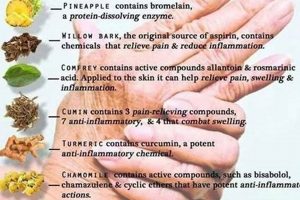
One prominent example involves the capsaicinoids found in chili peppers. Capsaicin, a key component, binds to the TRPV1 receptor, initially causing a sensation of heat, followed by desensitization of the nerve endings responsible for pain transmission. This mechanism explains the use of capsaicin creams for localized discomfort. Another illustration is the anti-inflammatory action of curcumin, a compound derived from turmeric. Curcumin inhibits the activity of cyclooxygenase-2 (COX-2), an enzyme involved in the production of pro-inflammatory prostaglandins, thereby reducing inflammation and associated discomfort.
The practical significance of understanding these mechanisms lies in the ability to develop targeted and personalized analgesic strategies. By identifying the specific pathways involved in an individual’s discomfort, healthcare providers can select botanical substances with mechanisms of action best suited to address the underlying cause. Furthermore, this knowledge facilitates the development of novel botanical formulations with enhanced bioavailability and targeted delivery, optimizing therapeutic efficacy while minimizing the risk of adverse effects.
2. Inflammation reduction capacity

The analgesic properties of many plant-derived substances are directly attributable to their inflammation reduction capacity. Inflammation, a complex physiological response to injury or infection, frequently underlies various forms of discomfort. Consequently, the ability to modulate inflammatory pathways is a crucial mechanism by which these remedies exert their effects.
Certain botanical compounds, such as those found in ginger and willow bark, inhibit the production of pro-inflammatory mediators, thereby attenuating the inflammatory cascade and alleviating associated discomfort. Willow bark, for example, contains salicin, a precursor to salicylic acid, which is converted into aspirin in the body. Aspirin’s anti-inflammatory and analgesic effects are well-documented. Similarly, compounds in ginger have been shown to inhibit the synthesis of prostaglandins and leukotrienes, both of which contribute to inflammation. The practical significance of this lies in the potential for targeted application of these remedies to address inflammatory conditions, such as arthritis and muscle strains. Careful consideration of the specific inflammatory pathways affected by different plant compounds allows for a more tailored approach to pain management.
In summary, the relationship between inflammation reduction capacity and the analgesic effects of plant-derived substances is fundamental. By understanding the mechanisms by which these compounds modulate inflammation, healthcare practitioners can more effectively integrate these remedies into comprehensive pain management strategies. Ongoing research continues to elucidate the complexities of these interactions, offering the promise of even more targeted and effective interventions. However, challenges remain in standardizing extracts and ensuring consistent potency across different preparations.
3. Traditional Usage Applications

Historical ethnobotanical knowledge represents a valuable resource for identifying plants with analgesic properties. Traditional practices, developed over centuries through observation and experimentation, offer insights into the safe and effective use of these plants for pain management. This accumulated wisdom often predates modern scientific validation, providing a rich foundation for contemporary research.
- Cultural Specificity and Variation
Traditional applications of plant-derived analgesics are deeply embedded within specific cultural contexts. The plants used, methods of preparation, and modes of administration vary significantly across different regions and populations. For example, traditional Chinese medicine utilizes a complex system of herbal formulas to address specific pain patterns, while indigenous cultures in the Americas have long relied on plants like willow bark for its analgesic properties. The efficacy of these practices is often intertwined with cultural beliefs and rituals.
- Methods of Preparation and Administration
Traditional usage encompasses a wide range of preparation methods, including infusions, decoctions, poultices, and tinctures. The choice of preparation method can significantly affect the bioavailability and efficacy of the active compounds. For instance, boiling certain plant materials can extract water-soluble compounds, while macerating them in alcohol can extract non-polar constituents. Similarly, the route of administration, whether oral, topical, or inhaled, influences the speed and extent of absorption. In some cultures, ritualistic preparation practices may be believed to enhance the therapeutic effects.
- Empirical Evidence and Observational Learning
Traditional usage is primarily based on empirical evidence and observational learning passed down through generations. While lacking the rigorous controls of modern clinical trials, these accumulated observations provide valuable clues regarding the potential benefits and risks associated with specific plants. For example, the consistent use of a particular plant for a specific ailment over many years suggests a potential therapeutic effect, even if the underlying mechanisms are not fully understood. Such practices often form the basis for subsequent scientific investigation.
- Integration with Holistic Healing Systems
Traditional usage of plant-derived analgesics is often integrated within broader holistic healing systems that address the physical, emotional, and spiritual dimensions of well-being. Pain is not viewed as an isolated symptom but as a manifestation of imbalances within the individual and their environment. Herbal remedies are used in conjunction with other therapies, such as acupuncture, massage, and meditation, to promote overall health and healing. This holistic approach acknowledges the interconnectedness of mind, body, and spirit in the experience of pain.
The study of traditional usage applications offers valuable context for understanding and evaluating the potential of herbal analgesics. While modern science provides the tools to isolate and analyze the active compounds within these plants, the accumulated knowledge of traditional practitioners provides a starting point for identifying promising candidates and guiding clinical research. However, it is crucial to approach traditional practices with a critical eye, recognizing the limitations of empirical evidence and the potential for cultural biases. Combining traditional wisdom with scientific rigor can lead to the discovery of novel and effective strategies for pain management.
4. Potential side effects

The application of plant-derived analgesics is not without the potential for adverse effects. While often perceived as inherently safe due to their natural origin, these substances contain bioactive compounds that can interact with physiological systems in complex ways. Consequently, a thorough understanding of potential side effects is paramount when considering the use of such remedies for discomfort relief. Adverse reactions can range from mild gastrointestinal disturbances to more severe allergic responses or interactions with pharmaceutical medications. For example, St. John’s Wort, commonly used for mood disorders, can interfere with the metabolism of certain prescription drugs, diminishing their efficacy or increasing their toxicity.
Specific side effects are linked to particular plants and their constituent compounds. Some herbs may exhibit anticoagulant properties, increasing the risk of bleeding, particularly in individuals taking blood-thinning medications or those scheduled for surgery. Others may exert hepatotoxic effects, potentially damaging the liver with prolonged use or in susceptible individuals. Furthermore, the quality and source of plant-derived remedies can significantly influence the risk of adverse effects. Contamination with heavy metals, pesticides, or adulterants can lead to unintended consequences. Therefore, selecting products from reputable manufacturers that adhere to stringent quality control standards is crucial to minimizing the risk of side effects.
The significance of understanding potential side effects cannot be overstated. Individuals should consult with qualified healthcare providers before initiating use of plant-derived analgesics, particularly if they have pre-existing health conditions or are taking other medications. Close monitoring for any adverse symptoms is essential, and prompt discontinuation of use should occur if such symptoms arise. Balancing the potential benefits with the risks is vital for responsible and effective utilization. Ultimately, a comprehensive understanding of the mechanisms, indications, and potential side effects of each remedy allows for more informed decisions regarding their use in alleviating suffering.
5. Scientific evidence levels

The evidentiary support for plant-derived analgesics varies significantly. This variability impacts their acceptance and integration into mainstream medical practice. The levels of scientific evidence range from anecdotal reports and traditional use to rigorous randomized controlled trials (RCTs). A direct correlation exists between the strength of evidence and the confidence with which these remedies can be recommended. Remedies supported by robust RCTs are more likely to be adopted by healthcare professionals and included in clinical guidelines. The lack of high-quality evidence for many plant-derived analgesics presents a challenge to their widespread use.
Clinical trials evaluating plant-based analgesics face methodological challenges, including standardization of plant extracts, blinding procedures, and placebo effects. Variability in the chemical composition of plant materials, influenced by factors such as growing conditions and harvesting methods, complicates standardization. Blinding can be difficult due to the characteristic taste or odor of certain preparations. Placebo effects, which can be particularly strong in pain management studies, further confound interpretation. Despite these challenges, some plant-derived remedies, such as topical capsaicin for neuropathic pain and certain herbal combinations for osteoarthritis, have demonstrated efficacy in well-designed clinical trials. The translation of positive research findings into clinical practice requires careful consideration of the risk-benefit ratio and the availability of standardized, high-quality products.
In conclusion, the scientific evidence levels surrounding plant-derived analgesics represent a critical determinant of their credibility and clinical utility. While traditional use and anecdotal evidence provide a foundation for further investigation, rigorous scientific evaluation is essential for establishing efficacy and safety. Addressing methodological challenges and promoting high-quality research will facilitate the integration of evidence-based plant-derived analgesics into conventional healthcare, providing additional options for pain management. The continuous review of emerging evidence is essential for healthcare professionals and consumers who seek safe and effective treatments for pain.
Frequently Asked Questions
This section addresses common inquiries regarding plant-derived analgesics. It aims to provide clarity on various aspects of their use, efficacy, and safety.
Question 1: Are plant-derived analgesics inherently safer than pharmaceutical options?
The perception of increased safety is not universally accurate. Plant-derived substances contain bioactive compounds that can interact with the body and induce adverse effects. Consultation with healthcare providers is crucial before commencing any treatment regimen.
Question 2: How can product quality be assured when purchasing these substances?
Select products from reputable manufacturers that adhere to stringent quality control standards. Verify third-party testing for purity and potency to ensure accurate labeling and minimize contamination risks.
Question 3: What is the expected timeframe for experiencing relief from plant-derived analgesics?
The onset of analgesic effects varies depending on the specific remedy, the individual’s physiology, and the nature of the discomfort. Some may provide immediate relief, while others require prolonged use to achieve noticeable benefits.
Question 4: Are there specific conditions for which plant-derived analgesics are most effective?
Certain plant-derived remedies exhibit efficacy for specific types of discomfort. For example, topical capsaicin is frequently employed for neuropathic pain, while ginger is often utilized for reducing inflammation associated with arthritis.
Question 5: How should potential interactions with pharmaceutical medications be managed?
Research potential interactions with pharmaceutical medications, over-the-counter drugs, and other supplements. Certain botanical substances can potentiate or diminish the effects of conventional treatments. Consult a healthcare provider to assess potential risks.
Question 6: Is scientific evidence supporting the use of all plant-derived analgesics equally strong?
The level of scientific evidence varies significantly among different remedies. Some are supported by rigorous clinical trials, while others rely primarily on traditional use and anecdotal reports. Critically evaluate the available evidence before making treatment decisions.
In summary, plant-derived analgesics offer a potentially valuable approach to discomfort relief. A cautious and informed approach, involving consultation with healthcare providers and critical evaluation of scientific evidence, is essential for safe and effective utilization.
The concluding section will offer a summary of key considerations and future directions in the field of herbal pain management.
Conclusion
The preceding exploration has illuminated various facets of herbal pain remedies, from their mechanisms of action to the levels of scientific support. The analysis has underscored the potential for plant-derived substances to alleviate discomfort, while simultaneously emphasizing the imperative for cautious and informed utilization. Understanding potential side effects, evaluating product quality, and consulting with healthcare professionals are crucial elements in the responsible application of these therapies.
Continued research and rigorous clinical trials are essential to further validate the efficacy and safety of plant-derived analgesics. This endeavor will facilitate the integration of evidence-based herbal options into conventional healthcare, providing individuals with a broader range of choices for managing discomfort and improving overall well-being. A commitment to scientific rigor and responsible application will shape the future of herbal pain management.