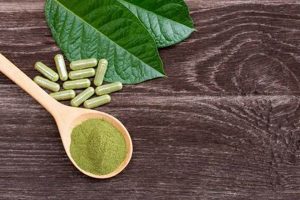
These products represent a category of complementary medicine aimed at alleviating symptoms associated with allergic reactions. They typically contain plant-derived compounds believed to possess antihistamine, anti-inflammatory, or immunomodulatory properties. An example includes preparations containing quercetin, a flavonoid found in many plants, often promoted for its potential to stabilize mast cells and reduce histamine release.
The appeal of these remedies stems from a desire for natural alternatives to conventional allergy medications. Proponents suggest they may offer a gentler approach with fewer side effects, although scientific evidence supporting their effectiveness varies. Historically, certain plants have been used in traditional medicine systems for centuries to manage allergic conditions, predating the development of modern pharmaceuticals.
The subsequent sections will delve into specific ingredients commonly found in these formulations, examine the available scientific evidence regarding their efficacy, and discuss potential risks and interactions. Considerations for selecting and using these products responsibly will also be addressed.
Considerations for Utilizing Plant-Based Allergy Products
This section offers guidance on the responsible and informed use of plant-derived products intended to manage allergy symptoms. Due diligence is paramount when incorporating these options into a health regimen.
Tip 1: Consult a Healthcare Professional: Prior to initiating any herbal supplement, a consultation with a physician or qualified healthcare provider is essential. This ensures that the supplement is appropriate for the individual’s specific condition, medical history, and current medications.
Tip 2: Research Ingredients Thoroughly: Investigate the specific ingredients in the formulation. Examine the available scientific literature regarding their efficacy and safety profile. Reputable sources include peer-reviewed journals and evidence-based databases.
Tip 3: Verify Product Quality: Choose products from reputable manufacturers that adhere to Good Manufacturing Practices (GMP). Look for third-party certifications that verify the product’s purity and potency.
Tip 4: Be Aware of Potential Interactions: Certain plant-derived compounds can interact with prescription medications. Inform the healthcare provider about all supplements being taken to avoid potential adverse reactions.
Tip 5: Start with a Low Dosage: When introducing a new supplement, begin with a low dosage and gradually increase it as tolerated. This allows for the assessment of individual sensitivity and minimizes the risk of side effects.
Tip 6: Monitor for Side Effects: Pay close attention to any adverse reactions, such as skin rashes, digestive upset, or changes in breathing. Discontinue use immediately and seek medical attention if any concerning symptoms arise.
Tip 7: Do Not Replace Conventional Treatments: Plant-derived allergy products should not be considered a replacement for conventional allergy treatments prescribed by a healthcare professional. They may be used as a complementary therapy under medical supervision.
These guidelines emphasize the importance of informed decision-making and responsible usage. By adhering to these considerations, individuals can better navigate the complexities of plant-based allergy solutions.
The following sections will provide further information regarding the specific types of plant-derived compounds commonly used for allergy relief and the scientific evidence supporting their use.
1. Ingredients

The efficacy and safety of products marketed for allergy relief are inextricably linked to their constituent ingredients. A detailed understanding of these components is crucial for informed decision-making.
- Active Compounds and Their Mechanisms
The purported benefits of these products often stem from specific active compounds found within the plant extracts. For example, bromelain, derived from pineapple, is believed to possess anti-inflammatory properties that may alleviate nasal congestion. Understanding the mechanism by which these compounds interact with the body is essential for assessing their potential effectiveness. This knowledge also allows for a more nuanced understanding of potential side effects.
- Standardization and Potency
The concentration of active ingredients can vary significantly between different products and even between batches of the same product. Standardization refers to the process of ensuring a consistent level of the key active compound(s). Products that specify the percentage of a particular active compound, such as quercetin or curcumin, offer a greater degree of predictability. Without standardization, it is difficult to ascertain the potency of the product and, consequently, its potential effectiveness.
- Inactive Ingredients and Fillers
In addition to the active compounds, these products often contain inactive ingredients, such as fillers, binders, and preservatives. While these ingredients are typically considered inert, some individuals may be sensitive or allergic to them. It is crucial to carefully review the ingredient list to identify any potential allergens or substances of concern. The source and quality of these inactive ingredients also contribute to the overall quality of the product.
- Ingredient Sourcing and Quality Control
The source and quality of the plant material used to extract the active compounds can significantly impact the safety and efficacy of the final product. Plants grown in contaminated soil may accumulate heavy metals or pesticides, which can then be present in the supplement. Reputable manufacturers implement rigorous quality control measures to ensure the purity and safety of their ingredients. Certificates of analysis from third-party testing laboratories can provide assurance of product quality and purity.
In summary, a thorough examination of the ingredients, their standardization, the presence of inactive components, and the sourcing practices of the manufacturer is paramount when evaluating products marketed for allergy relief. These factors collectively determine the product’s potential benefits, risks, and overall value.
2. Efficacy

The determination of efficacy stands as a pivotal consideration when evaluating plant-derived products intended for allergy management. The subjective perception of relief should be distinguished from objectively measured clinical outcomes derived from rigorous scientific investigation.
- Placebo Effects and Perceived Relief
The administration of a placebo can elicit a tangible reduction in reported symptoms, attributable to psychological factors. Studies involving plant-based remedies must account for this phenomenon by including placebo control groups. Without such controls, the true effectiveness of the intervention remains indeterminate. Reports of symptom improvement may not necessarily equate to a genuine pharmacological effect.
- Clinical Trial Methodologies
The strength of evidence supporting the efficacy of these products hinges on the rigor of the clinical trials conducted. Randomized, double-blind, placebo-controlled trials represent the gold standard. These trials minimize bias and provide the most reliable assessment of treatment effect. Smaller studies with methodological limitations yield less conclusive evidence and necessitate cautious interpretation.
- Specificity of Action
Efficacy should be assessed in relation to specific allergy types and symptom profiles. A product demonstrating effectiveness for seasonal allergic rhinitis may not necessarily be effective for food allergies or atopic dermatitis. The mechanism of action of the plant-derived compounds should align with the underlying pathophysiology of the targeted allergic condition. Blanket claims of efficacy across diverse allergy types require critical scrutiny.
- Variability in Product Formulation
The composition and concentration of active ingredients can vary significantly across different brands and formulations. This variability poses a challenge to establishing consistent efficacy. Studies evaluating one specific product may not be generalizable to other products containing similar ingredients. Standardization of plant extracts is crucial for ensuring consistent therapeutic effects.
In summation, the assessment of efficacy for plant-based allergy products demands a discerning approach. The interpretation of evidence necessitates a critical evaluation of clinical trial methodologies, consideration of placebo effects, and an awareness of product variability. Claims of efficacy should be substantiated by robust scientific evidence and carefully contextualized to the specific allergy type and product formulation under consideration.
3. Safety

The safety profile of plant-derived allergy products constitutes a critical aspect of their evaluation. While often perceived as benign due to their natural origin, these products are not inherently devoid of potential risks. Adverse effects can arise from various sources, including inherent toxicity of certain plant compounds, allergic reactions to specific ingredients, contamination with heavy metals or pesticides, and interactions with concurrently administered medications. A thorough understanding of these potential hazards is essential for responsible use.
One crucial area of concern involves interactions with prescription drugs. Certain herbal constituents can either enhance or diminish the effects of conventional medications, leading to potentially serious consequences. For example, St. John’s Wort, sometimes included in formulations marketed for its purported antihistamine properties, is a known inducer of cytochrome P450 enzymes, which can accelerate the metabolism and reduce the efficacy of numerous drugs, including oral contraceptives and certain antidepressants. Similarly, some herbal remedies can increase the risk of bleeding when taken in conjunction with anticoagulant medications such as warfarin. Thorough evaluation of possible interactions is paramount. The lack of robust regulation in the herbal supplement industry further compounds safety concerns. Variations in manufacturing processes, inconsistencies in ingredient sourcing, and inadequate quality control measures can lead to products containing undisclosed ingredients, adulterants, or contaminants. This lack of standardization poses a significant challenge to accurately assessing the safety of these products.
The safety of plant-derived allergy products warrants careful consideration. Potential adverse effects can stem from diverse sources, encompassing inherent toxicity, allergic sensitivities, environmental contamination, and medication interactions. The absence of stringent regulatory oversight amplifies these concerns. A meticulous assessment of individual ingredients, potential drug interactions, and product quality is paramount for mitigating risks and ensuring the responsible use of these remedies. Consultation with a healthcare professional is strongly advised before incorporating plant-derived products into an allergy management strategy.
4. Dosage

The effectiveness and safety of products depend heavily on dosage. An insufficient dose may render the product ineffective, while an excessive dose can lead to adverse effects. Dosage recommendations often vary depending on factors such as age, weight, the severity of allergy symptoms, and the presence of other medical conditions. For example, the appropriate dosage of quercetin for allergy relief might differ between a child and an adult, or between an individual with mild seasonal allergies and one with severe perennial allergies. The absence of standardized dosage guidelines across different brands and formulations further complicates matters. Some manufacturers may provide specific dosage instructions based on their particular product, while others may offer more general recommendations. This lack of uniformity necessitates careful attention to product labels and consultation with a healthcare professional. The determination of the optimal dosage often involves a process of trial and error, starting with a low dose and gradually increasing it as tolerated, while closely monitoring for both beneficial effects and adverse reactions.
The impact of improper dosing is observable in several real-world scenarios. An individual attempting to self-treat allergic rhinitis with an insufficient dose of a plant-derived product may experience continued symptoms and conclude that the product is ineffective. Conversely, another individual taking an excessive dose may experience adverse effects such as gastrointestinal upset or headache, leading to discontinuation of the product. The potential for interactions with other medications further underscores the importance of careful dosage considerations. Certain herbal constituents can alter the metabolism or excretion of prescription drugs, requiring dosage adjustments to maintain therapeutic efficacy or avoid toxicity. For instance, if an individual takes a plant-derived allergy product alongside a prescription antihistamine, the combined sedative effects could be amplified, leading to excessive drowsiness. Understanding the impact of dosage on outcomes is essential for both consumers and healthcare providers. Consumers can make more informed decisions about product selection and usage, while healthcare providers can provide more personalized recommendations based on individual patient characteristics and medical history.
In conclusion, the accurate determination and careful adherence to appropriate dosage guidelines are paramount for maximizing the benefits and minimizing the risks associated with these products. The variability in dosage recommendations across different brands and formulations, coupled with the potential for interactions with other medications, underscores the importance of consultation with a healthcare professional. The safe and effective use of products hinges on a thorough understanding of dosage considerations.
5. Interactions

The potential for interactions between allergy herbal supplements and conventional medications or other supplements represents a significant safety concern. These interactions can alter the efficacy or toxicity of either the supplement or the medication, potentially leading to adverse health outcomes. Understanding these interactions is crucial for healthcare professionals and individuals considering the use of herbal supplements for allergy relief.
- Pharmacokinetic Interactions
Pharmacokinetic interactions occur when an herbal supplement affects the absorption, distribution, metabolism, or excretion of a drug. For example, certain herbal constituents can inhibit or induce cytochrome P450 enzymes in the liver, which are responsible for metabolizing many drugs. This can lead to increased drug levels, potentially causing toxicity, or decreased drug levels, reducing effectiveness. An example is grapefruit juice which is knows to increase the concentration of some drugs. The interaction is not always bad. Some drugs are prodrugs and needs cyp450 to be converted into active form. In this case inhibition would be harmful.
- Pharmacodynamic Interactions
Pharmacodynamic interactions occur when an herbal supplement and a drug have additive, synergistic, or antagonistic effects on the body. For example, combining a sedating herbal supplement with a prescription antihistamine could lead to excessive drowsiness and impaired cognitive function. Conversely, an herbal supplement with immunostimulatory properties could counteract the effects of immunosuppressant drugs.
- Herb-Herb Interactions
It is important to note that interactions can also occur between different herbal supplements. Taking multiple herbal products concurrently increases the risk of adverse effects and unpredictable interactions. Some herbal supplements may contain overlapping or similar constituents, leading to additive effects. Others may have opposing effects, potentially negating the benefits of one or both supplements.
- Impact on Specific Allergy Medications
The interactions between herbal supplements and specific allergy medications, such as antihistamines, corticosteroids, and leukotriene inhibitors, warrant particular attention. Certain herbal constituents may affect the absorption or metabolism of these medications, altering their efficacy or increasing the risk of side effects. For example, some herbs may interact with corticosteroids, potentially increasing the risk of hyperglycemia or immunosuppression.
In summary, the potential for interactions represents a significant safety consideration when evaluating products. These interactions can be pharmacokinetic, pharmacodynamic, or herb-herb in nature, and can affect the efficacy or toxicity of either the supplement or the medication. Thorough evaluation of potential interactions, consultation with a healthcare professional, and careful monitoring for adverse effects are essential for minimizing risks and ensuring the safe and effective use of these remedies.
6. Quality

The quality of plant-derived products intended for allergy relief is paramount, impacting both their efficacy and safety. Variations in quality can arise from numerous factors, including sourcing practices, manufacturing processes, and storage conditions. A lack of quality control can lead to products containing inconsistent levels of active ingredients, contaminants, or adulterants, thereby diminishing their therapeutic potential and posing potential health risks.
- Sourcing and Authentication
The origin of plant material significantly influences its quality. Plants grown in contaminated soil or improperly harvested may contain heavy metals, pesticides, or other toxins. Authentication of plant species is also crucial to prevent substitution with related but less effective or even harmful species. Reputable manufacturers prioritize sourcing from reliable suppliers and employ rigorous authentication methods, such as DNA barcoding, to ensure the identity and purity of their raw materials. Example: A product claiming to contain Echinacea, but actually containing a cheaper, less potent species, would be considered of low quality.
- Manufacturing Practices
Adherence to Good Manufacturing Practices (GMP) is essential for maintaining product quality and consistency. GMP guidelines address various aspects of the manufacturing process, including equipment cleanliness, personnel training, process validation, and quality control testing. Manufacturers that comply with GMP standards are more likely to produce products that meet established quality specifications. Example: A company with poor facility hygiene could produce allergy herbal supplements contaminated with bacteria or mold.
- Standardization and Potency
Standardization refers to the process of ensuring a consistent level of active compounds in each batch of product. This is achieved through careful monitoring and adjustment of extraction and purification processes. Potency refers to the concentration of active compounds in the final product. Products that are standardized to a specific potency provide a more predictable and reliable therapeutic effect. Example: Two different brands of quercetin supplements might have drastically different levels of actual quercetin if one is not properly standardized.
- Testing and Certification
Independent third-party testing provides an objective assessment of product quality and purity. Testing laboratories can verify the identity and potency of active ingredients, as well as screen for contaminants such as heavy metals, pesticides, and microbes. Products that have been certified by reputable organizations, such as NSF International or USP, have undergone rigorous testing and meet established quality standards. Example: A plant-derived allergy product bearing the USP Verified Mark has been independently tested and certified to contain the ingredients listed on the label, in the declared amounts, and to be free of harmful contaminants.
In summary, the quality of products marketed for allergy relief is multifactorial, encompassing sourcing practices, manufacturing processes, standardization, and testing. Consumers should prioritize products from reputable manufacturers that adhere to GMP standards, provide third-party testing results, and offer standardized extracts. Prioritizing quality enhances the likelihood of obtaining a safe and effective product for allergy symptom management.
7. Regulation
The regulatory landscape surrounding products marketed for allergy relief is complex and varies significantly across different jurisdictions. This variability impacts product quality, labeling accuracy, and the availability of reliable information for consumers.
- Dietary Supplement Regulation
In many countries, including the United States, herbal supplements are regulated as dietary supplements rather than drugs. This distinction carries significant implications. Dietary supplements generally do not require pre-market approval from regulatory agencies like the Food and Drug Administration (FDA) in the US. Manufacturers are responsible for ensuring the safety of their products, but the FDA’s oversight is primarily reactive, focusing on products already on the market. This contrasts sharply with the stringent pre-approval requirements for pharmaceutical drugs, which must undergo rigorous clinical trials to demonstrate safety and efficacy before they can be sold. Example: A dietary supplement manufacturer can introduce a new herbal product for allergy relief without first proving that it is safe or effective. The FDA can take action against the product if it is found to be adulterated or misbranded, or if reports of adverse events raise safety concerns.
- Labeling Requirements
Labeling regulations dictate what information must be included on product packaging. Requirements typically include a list of ingredients, recommended dosage, and cautionary statements. However, the level of detail and enforcement varies. Some countries have strict labeling requirements that mandate accurate identification of plant species and quantification of active compounds. Others have more lenient requirements, potentially allowing for inaccurate or misleading claims. Example: A product label might state that it contains a specific herb known for its anti-inflammatory properties, but the label may not specify the quantity of the active compound present, making it difficult for consumers to assess the product’s potency.
- Adverse Event Reporting
Adverse event reporting systems play a crucial role in monitoring the safety of products post-market. These systems allow healthcare professionals and consumers to report suspected adverse reactions to herbal supplements. The data collected through these systems can help regulatory agencies identify potential safety issues and take appropriate action. However, adverse event reporting is often voluntary, and many adverse events may go unreported. Furthermore, establishing a causal link between a specific herbal supplement and an adverse event can be challenging. Example: If a consumer experiences a severe allergic reaction after taking an herbal supplement for allergy relief, they can report the event to the relevant regulatory agency. The agency may then investigate the report to determine if the supplement was the likely cause of the reaction and if further action is warranted.
- Quality Control Standards
Quality control standards aim to ensure the consistency and purity of herbal products. These standards typically cover aspects such as sourcing of raw materials, manufacturing processes, and testing methods. Some countries have mandatory quality control standards for herbal supplements, while others rely on voluntary certification programs. The absence of consistent quality control standards can lead to products containing contaminants, adulterants, or inaccurate levels of active ingredients. Example: A voluntary certification program might require manufacturers to test their products for heavy metals, pesticides, and microbial contamination. Products that pass these tests can display a certification seal on their label, providing consumers with added assurance of quality.
In conclusion, the regulatory framework governing products marketed for allergy relief varies considerably, impacting labeling accuracy, quality control, and the availability of safety information. Consumers must exercise caution and critically evaluate product claims, seeking advice from healthcare professionals when necessary. Stricter regulation and enforcement could enhance product quality and safety, providing greater assurance for individuals seeking alternative allergy management options.
Frequently Asked Questions
The following questions address common concerns and misconceptions regarding plant-derived products marketed for allergy relief. The answers provided are intended to offer clarification and promote informed decision-making.
Question 1: Are “allergy herbal supplements” a safe alternative to conventional allergy medications?
The safety profile of these products varies depending on the specific ingredients, manufacturing practices, and individual health conditions. While some plant-derived compounds may offer a gentler approach with fewer side effects compared to certain conventional medications, they are not inherently risk-free. Potential adverse effects, drug interactions, and quality control issues must be considered.
Question 2: Can “allergy herbal supplements” completely cure allergies?
Currently, no scientific evidence supports the claim that these products can cure allergies. They may, however, provide symptomatic relief by reducing inflammation, stabilizing mast cells, or modulating the immune response. The effectiveness of these products can vary depending on the individual and the specific type of allergy.
Question 3: Are all “allergy herbal supplements” created equal in terms of quality and effectiveness?
No. Quality control varies significantly among different manufacturers and brands. Factors such as sourcing practices, manufacturing processes, and standardization of active ingredients can impact the quality and effectiveness of these products. It is crucial to choose products from reputable manufacturers that adhere to Good Manufacturing Practices (GMP) and provide third-party testing results.
Question 4: Should “allergy herbal supplements” be used in place of prescribed allergy medications?
These products should not be considered a replacement for conventional allergy treatments prescribed by a healthcare professional. They may be used as a complementary therapy under medical supervision, but it is essential to consult with a physician before making any changes to the treatment plan.
Question 5: How can potential interactions between “allergy herbal supplements” and other medications be avoided?
To minimize the risk of interactions, it is crucial to inform the healthcare provider about all supplements being taken, including plant-derived products. A physician or pharmacist can assess potential interactions and provide guidance on safe usage. Certain plant-derived compounds can interfere with the metabolism or excretion of prescription medications, altering their efficacy or increasing the risk of side effects.
Question 6: Are “allergy herbal supplements” safe for pregnant or breastfeeding women?
The safety of these products for pregnant or breastfeeding women has not been extensively studied. Some plant-derived compounds may pose risks to the developing fetus or infant. It is essential to consult with a healthcare professional before using these products during pregnancy or breastfeeding.
The information provided in this FAQ section is intended for general knowledge and informational purposes only, and does not constitute medical advice. It is essential to consult with a qualified healthcare professional for any health concerns or before making any decisions related to health or treatment.
The next section will explore the scientific evidence supporting the use of specific plant-derived compounds for allergy relief.
Conclusion
The preceding examination of “allergy herbal supplements” underscores a complex reality. While the allure of natural remedies for allergy symptom management persists, a comprehensive understanding of their ingredients, efficacy, safety, dosage, potential interactions, quality control, and regulatory landscape is essential. The limited scientific evidence supporting the broad use of these products warrants careful consideration.
Ultimately, responsible utilization of these products demands diligence. Individuals should engage in thorough research, seek guidance from qualified healthcare professionals, and prioritize products from reputable manufacturers committed to quality and transparency. The future of this field may lie in more rigorous scientific investigation, standardized formulations, and enhanced regulatory oversight to ensure both safety and efficacy for those seeking alternative allergy relief options.