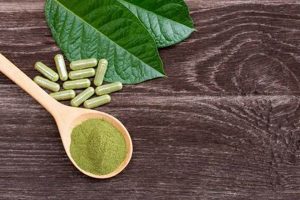
Remedies derived from plants, marketed as aids in managing allergic reactions, constitute a growing segment within the broader alternative medicine market. These preparations encompass various plant parts, including roots, leaves, and flowers, and are available in forms such as capsules, tinctures, and teas. An example includes using extracts from certain plants, like butterbur, to potentially alleviate seasonal allergy symptoms.
The appeal of plant-based remedies lies in their perceived natural origin and the belief that they offer a gentler approach to managing health conditions compared to conventional pharmaceuticals. Historically, different cultures have employed various botanical substances to address symptoms associated with hypersensitivity and inflammation. However, it’s crucial to acknowledge that scientific validation and rigorous clinical trials are essential for definitively establishing the efficacy and safety profiles of these preparations.
The following sections will delve into the purported mechanisms of action of select plant-derived options, examine the existing scientific evidence regarding their effectiveness in reducing allergic responses, and discuss potential risks and interactions. This exploration provides a balanced perspective on the role of these preparations in allergy management, emphasizing the need for informed decision-making and professional guidance.
Important Considerations for Plant-Based Allergy Aids
When exploring plant-derived options for allergy symptom management, several key factors warrant careful consideration. The following points offer guidance for informed decision-making.
Tip 1: Consult a Qualified Healthcare Professional: Prior to initiating any new regimen involving plant-based remedies, seek advice from a physician or qualified herbalist. This consultation ensures appropriateness for individual health conditions and helps identify potential interactions with existing medications.
Tip 2: Research Reputable Brands and Products: Not all manufacturers adhere to stringent quality control standards. Prioritize products from established companies with transparent sourcing and manufacturing practices. Look for third-party certifications verifying purity and potency.
Tip 3: Understand Potential Side Effects: Plant-derived options, like conventional drugs, can induce adverse reactions. Common side effects may include gastrointestinal discomfort, skin irritation, or allergic reactions. Discontinue use and seek medical attention if any concerning symptoms arise.
Tip 4: Be Aware of Potential Interactions: Plant-based remedies can interact with prescription medications, over-the-counter drugs, and other supplements. This interaction can alter the efficacy or increase the risk of side effects. Thoroughly disclose all medications and supplements to healthcare providers.
Tip 5: Start with Low Doses: When introducing a new preparation, begin with a low dosage and gradually increase it as tolerated. This approach allows for monitoring of any adverse reactions and helps establish an effective and safe dosage level.
Tip 6: Consider the Form of Preparation: Plant-derived remedies are available in various forms, including capsules, tinctures, and teas. The bioavailability and absorption rates may vary depending on the formulation. Choose a form that aligns with individual preferences and therapeutic goals.
Tip 7: Acknowledge Limited Scientific Evidence: While some plant-derived options show promise in managing allergy symptoms, rigorous scientific evidence supporting their efficacy and safety is often limited. Exercise caution and maintain realistic expectations regarding treatment outcomes.
These considerations underscore the importance of a responsible and informed approach to incorporating plant-derived remedies into allergy management strategies. Healthcare professional guidance, diligent product research, and awareness of potential risks are essential for ensuring safe and effective use.
The subsequent sections will delve further into the existing research and provide a comprehensive overview of specific plant-derived options commonly used for allergy relief.
1. Efficacy and Safety

The evaluation of efficacy and safety is paramount when considering plant-derived remedies for managing allergic responses. Given the increasing popularity of these options, a rigorous assessment of their benefits and potential risks is essential for informed decision-making.
- Clinical Trial Evidence
The availability of robust clinical trial data significantly influences the determination of efficacy. Well-designed, placebo-controlled studies provide the strongest evidence for whether a particular plant-derived remedy is effective in alleviating allergy symptoms. A lack of sufficient clinical trials makes it challenging to definitively establish efficacy. The findings of such studies are then reviewed by practitioners for the treatment of allergies.
- Adverse Effect Profiles
Understanding the potential adverse effects associated with a given plant-derived remedy is crucial for safety assessment. While some remedies may have mild side effects, others can cause more serious reactions, especially in individuals with pre-existing medical conditions or those taking other medications. Documented adverse effects, and risk management protocols are key elements in the safe use of herbal supplements.
- Dosage and Formulation Considerations
The efficacy and safety of plant-derived remedies can be influenced by dosage and formulation. Optimal dosages vary depending on the individual, the specific remedy, and the severity of allergy symptoms. Furthermore, different formulations (e.g., capsules, tinctures, teas) may have varying bioavailability and absorption rates, impacting their effectiveness and potential for adverse effects.
- Quality Control and Standardization
Variations in quality control and standardization can significantly impact the efficacy and safety of plant-derived remedies. Products from different manufacturers may contain varying concentrations of active compounds, leading to inconsistent results. Standardized extracts, which contain a defined percentage of active constituents, are generally preferred to ensure consistent potency and predictable effects.
In summary, the efficacy and safety of plant-derived options for allergy relief depend on a confluence of factors, including clinical trial evidence, adverse effect profiles, dosage and formulation considerations, and quality control measures. A thorough evaluation of these aspects is essential for making informed decisions about the use of these remedies and for ensuring patient safety.
2. Quality Control

The quality control standards applied during the production of plant-derived options intended for allergy symptom management critically affect product safety and efficacy. Variations in cultivation, harvesting, processing, and manufacturing can introduce inconsistencies in the final product. Contamination with heavy metals, pesticides, or other adulterants poses a direct threat to consumer health. Inadequate quality control directly impairs the reliability of reported benefits and introduces potential risks. For example, a batch of butterbur extract contaminated with pyrrolizidine alkaloids, hepatotoxic compounds, could cause liver damage rather than alleviate allergy symptoms. The absence of rigorous quality checks undermines the rationale for using these alternatives to conventional medicines, making it essential to prioritize independently verified and tested products.
Standardized extraction processes and testing procedures are crucial components of effective quality control. Standardized extracts ensure a consistent concentration of active compounds, allowing for more predictable therapeutic effects. Testing for contaminants, including microbial pathogens and heavy metals, safeguards against potential harm. Independent certifications, such as those provided by organizations like USP (United States Pharmacopeia) or NSF International, offer assurance that a product has undergone rigorous testing and meets specified quality standards. Consumers can use these certifications as a guide when selecting plant-derived remedies, mitigating the risk of purchasing substandard or adulterated products.
In summary, quality control is an indispensable aspect of plant-derived remedies for allergy relief. It functions as a safeguard against product variability, contamination, and potential health risks. Prioritizing products from reputable manufacturers that adhere to stringent quality control standards, verified by independent certifications, is essential for responsible and informed use. The challenges related to standardization and regulation highlight the ongoing need for improved oversight to ensure the safety and efficacy of these increasingly popular alternative treatments.
3. Individual Variability

The effectiveness of plant-derived options for allergy management is significantly influenced by individual variability. This inherent variation stems from a multitude of factors, including genetic predispositions, physiological differences, pre-existing health conditions, and concurrent medication use. Consequently, the same plant-derived preparation may elicit disparate responses across different individuals. For example, one person might experience substantial relief from seasonal allergy symptoms using quercetin, while another might notice minimal benefit or even encounter adverse effects like gastrointestinal upset. This variability underscores the limitations of a one-size-fits-all approach and highlights the necessity for personalized treatment strategies when employing plant-based remedies.
Genetic factors play a crucial role in determining an individual’s response to plant-derived options. Variations in genes encoding metabolic enzymes, immune system components, and receptor proteins can influence the absorption, distribution, metabolism, and excretion (ADME) of active compounds found in these preparations. Furthermore, differences in gut microbiome composition can affect the bioavailability and bioactivity of certain plant constituents. Individual physiological factors, such as age, sex, and body weight, can also influence the pharmacokinetic and pharmacodynamic properties of plant-derived remedies. The presence of underlying health conditions, like liver or kidney disease, can further complicate matters by impairing drug metabolism and excretion, increasing the risk of adverse effects. Finally, concurrent use of prescription medications or other supplements can lead to interactions that alter the efficacy or safety of plant-derived allergy treatments. For instance, certain plant-derived options may inhibit or induce cytochrome P450 enzymes, affecting the metabolism of various drugs.
Recognizing and addressing individual variability is essential for optimizing the use of plant-derived options in allergy management. A comprehensive patient assessment, including a detailed medical history, medication review, and consideration of genetic and physiological factors, is crucial for tailoring treatment plans to individual needs. Starting with low doses and gradually titrating upwards, while closely monitoring for adverse effects, can help minimize risks and maximize benefits. Educating patients about the potential for individual variability and the importance of open communication with healthcare providers is also critical. Ultimately, a personalized approach that acknowledges and addresses individual differences offers the best chance of achieving successful outcomes with plant-derived remedies for allergy relief. However, the inherent complexity of individual variability necessitates ongoing research to identify reliable biomarkers that can predict treatment responses and guide personalized therapeutic strategies.
4. Mechanism of Action

Understanding the mechanism of action of plant-derived remedies for allergies is crucial for evaluating their efficacy and safety. Without a clear understanding of how a particular plant-derived compound interacts with the body’s physiological systems, it is difficult to ascertain whether its observed effects are truly therapeutic or merely coincidental. The mechanism of action describes the specific biochemical or physiological processes by which a substance produces its effect. In the context of allergies, this might involve inhibiting histamine release, modulating inflammatory pathways, or influencing immune cell function. A well-defined mechanism of action provides a rationale for the use of a particular plant-derived option and can inform optimal dosing strategies. For instance, if a plant-derived compound is known to inhibit the activity of a specific enzyme involved in inflammation, the dosage can be adjusted to achieve the desired level of enzyme inhibition.
However, elucidating the mechanisms of action of plant-derived remedies can be challenging due to the complex chemical composition of many herbal extracts. Unlike single-molecule drugs, herbal extracts contain a multitude of compounds that may interact synergistically or antagonistically. Identifying the specific compounds responsible for the observed therapeutic effects and determining their individual and combined mechanisms of action requires sophisticated analytical techniques and rigorous scientific investigation. Furthermore, the mechanisms of action of plant-derived options may vary depending on the target cells or tissues. For example, a plant-derived compound might exert its anti-inflammatory effects through different signaling pathways in different types of immune cells. Despite these challenges, ongoing research is gradually unraveling the mechanisms of action of various plant-derived remedies for allergies. Studies have shown that certain plant compounds, such as quercetin and resveratrol, can inhibit the release of histamine from mast cells, a key event in allergic reactions. Other plant-derived options, like butterbur extract, appear to exert their effects by blocking the action of leukotrienes, inflammatory mediators that contribute to nasal congestion and airway inflammation.
In conclusion, a comprehensive understanding of the mechanisms of action of plant-derived remedies for allergies is essential for promoting their safe and effective use. Further research is needed to elucidate the complex interactions between plant compounds and the body’s physiological systems. Ultimately, this knowledge will enable healthcare providers to make more informed decisions about the use of these remedies and to personalize treatment strategies based on individual patient needs and responses. The absence of mechanistic understanding poses a significant barrier to integrating these plant-based options effectively within established medical practices.
5. Drug Interactions

The concurrent use of plant-derived remedies and conventional pharmaceuticals presents a significant potential for drug interactions. These interactions, arising from pharmacokinetic or pharmacodynamic mechanisms, can alter the efficacy and safety profiles of both the plant-derived option and the conventional drug. Reduced therapeutic effect, increased toxicity, or unexpected adverse events may occur. This necessitates careful consideration of potential interactions whenever plant-derived remedies are used in conjunction with prescription or over-the-counter medications. For instance, concomitant use of St. John’s Wort, an herbal supplement often used for mood regulation, with certain antidepressants can lead to serotonin syndrome, a potentially life-threatening condition characterized by agitation, confusion, rapid heart rate, and muscle rigidity. Similarly, plant-derived remedies with anticoagulant properties, such as high-dose garlic or ginger, may potentiate the effects of warfarin, increasing the risk of bleeding complications. A thorough understanding of potential drug interactions is, therefore, critical for safe and effective use.
Many plant-derived remedies influence drug metabolism by affecting the activity of cytochrome P450 (CYP) enzymes, a family of enzymes responsible for metabolizing a large proportion of pharmaceutical drugs. Some plant compounds inhibit CYP enzymes, slowing down drug metabolism and increasing drug concentrations in the body, potentially leading to toxicity. Conversely, other plant compounds induce CYP enzymes, accelerating drug metabolism and reducing drug concentrations, potentially leading to therapeutic failure. For example, grapefruit juice, though technically a food rather than a supplement, is a well-known CYP3A4 inhibitor and can significantly increase the plasma concentrations of various drugs, including certain statins and calcium channel blockers. Similarly, milk thistle has been shown to inhibit certain CYP enzymes, potentially affecting the metabolism of various medications. Careful attention to known CYP enzyme interactions is essential when assessing the risks associated with combining plant-derived remedies and conventional drugs.
In summary, the potential for drug interactions is a critical consideration when using plant-derived remedies for allergy relief. These interactions can alter the efficacy and safety of both the plant-derived option and the conventional drug, leading to reduced therapeutic effects, increased toxicity, or unexpected adverse events. A thorough understanding of potential pharmacokinetic and pharmacodynamic mechanisms, as well as the influence of plant compounds on CYP enzyme activity, is essential for safe and effective use. Healthcare providers should routinely inquire about the use of plant-derived remedies when prescribing or dispensing medications, and patients should be encouraged to disclose all supplements and medications they are taking. Ongoing research is needed to further elucidate the potential drug interactions associated with plant-derived remedies and to develop evidence-based guidelines for their safe and effective use. A lack of awareness presents an unacceptable risk.
Frequently Asked Questions
This section addresses common queries and clarifies misunderstandings concerning the use of plant-derived options in the context of allergy management. It aims to provide evidence-based answers to promote informed decision-making.
Question 1: Are plant-derived options a guaranteed cure for allergies?
No. Plant-derived options should not be considered a guaranteed cure. While some individuals may experience symptomatic relief, scientific evidence supporting their efficacy in completely eliminating allergies is limited. These preparations may serve as complementary therapies, but should not replace conventional medical treatments without professional guidance.
Question 2: Are plant-derived preparations inherently safe because they are “natural”?
The term “natural” does not automatically equate to safety. Plant-derived options can possess potent pharmacological effects and may cause adverse reactions or interact with medications. It is imperative to approach their use with caution and under the supervision of a qualified healthcare professional.
Question 3: Is it safe to self-diagnose and self-treat allergies with plant-derived remedies?
Self-diagnosis and self-treatment of allergies are strongly discouraged. Accurate diagnosis requires proper allergy testing by a healthcare professional. Additionally, the selection of appropriate plant-derived remedies, dosages, and potential interactions necessitates expert guidance.
Question 4: How can the quality and purity of plant-derived allergy products be ensured?
Ensuring quality and purity requires selecting products from reputable manufacturers with transparent sourcing and manufacturing practices. Look for third-party certifications from organizations like USP or NSF International, indicating independent testing for potency and contaminants.
Question 5: Can plant-derived preparations be used safely during pregnancy or breastfeeding?
The safety of plant-derived options during pregnancy or breastfeeding is often unknown. Many plant compounds can cross the placental barrier or be excreted in breast milk, potentially affecting the developing fetus or infant. Consulting a physician before use is essential.
Question 6: Where can reliable information about plant-derived remedies for allergies be found?
Reliable information can be obtained from peer-reviewed scientific journals, reputable medical websites (e.g., the National Institutes of Health), and qualified healthcare professionals, including physicians, pharmacists, and registered herbalists. Avoid relying solely on anecdotal evidence or marketing claims.
In summary, the use of plant-derived preparations for allergy management requires a cautious and informed approach. Consulting a healthcare professional, selecting high-quality products, and understanding potential risks and interactions are crucial for ensuring safe and effective use.
The next section will explore avenues for seeking professional guidance and integrating plant-derived remedies into comprehensive allergy management plans.
Conclusion
The preceding analysis has explored various facets of herbal supplements for allergies. Key considerations include limited scientific validation, potential for adverse effects and drug interactions, inconsistent product quality, and individual variability in treatment response. While some plant-derived compounds demonstrate promising mechanisms of action, definitive clinical evidence supporting their broad efficacy remains incomplete. The unregulated nature of the supplement industry necessitates caution and critical evaluation.
Given the complexities and potential risks associated with herbal supplements for allergies, a collaborative approach involving healthcare professionals is paramount. Individuals considering these options should engage in open communication with their physicians to ensure informed decision-making and mitigate potential harms. Further rigorous research is essential to fully elucidate the efficacy, safety, and optimal utilization of these products within a comprehensive allergy management framework. Until such evidence becomes available, a measured and evidence-based perspective is warranted.