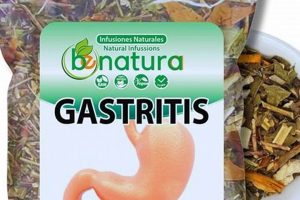
Infusions combining various herbs are marketed as aids in weight management. These products, often available in teabag or loose-leaf form, typically contain a blend of ingredients believed to promote metabolism, suppress appetite, or reduce water retention. For instance, formulations may include green tea, senna, dandelion, or other botanicals known for their purported diuretic or thermogenic properties.
The appeal of these herbal blends stems from a perceived natural approach to weight control. Historically, various cultures have utilized herbs for their medicinal properties, including those related to digestion and metabolism. Modern iterations capitalize on this historical context while also adapting to contemporary health trends and consumer preferences. Potential benefits often cited include increased energy levels, detoxification support, and a convenient way to incorporate beneficial plant compounds into one’s daily routine.
The following sections will delve into the specific components commonly found in these preparations, examine the scientific evidence supporting their purported effects, and address considerations regarding safety and responsible usage.
Guidance on Incorporating Herbal Weight Management Teas
The following recommendations provide a structured approach to integrating herbal infusions for weight management, emphasizing informed choices and responsible practices.
Tip 1: Ingredient Scrutiny. Prioritize reviewing the ingredient list. Research each component to understand its potential effects and contraindications. Avoid products with proprietary blends that obscure specific dosages.
Tip 2: Dosage Adherence. Strictly adhere to the manufacturer’s recommended dosage. Exceeding the suggested amount does not necessarily amplify benefits and may increase the risk of adverse effects.
Tip 3: Timing Considerations. Note the optimal time of day for consumption. Certain herbs may have stimulant effects, making morning or early afternoon consumption preferable to evening use to avoid sleep disruption.
Tip 4: Hydration Maintenance. Supplement herbal tea consumption with adequate water intake. Diuretic herbs can increase fluid loss, making proper hydration essential.
Tip 5: Dietary Synergy. Recognize that herbal infusions are most effective when integrated into a balanced dietary regimen. Avoid relying solely on these products without addressing overall nutritional habits.
Tip 6: Exercise Integration. Complement herbal tea consumption with regular physical activity. A combination of dietary adjustments and exercise provides a more comprehensive approach to weight management.
Tip 7: Medical Consultation. Seek guidance from a healthcare professional before initiating use, particularly if pre-existing medical conditions are present or medications are being taken. Herbal ingredients can interact with pharmaceuticals.
Tip 8: Monitoring and Adjustment. Observe and document any physiological or psychological effects experienced. Adjust dosage or discontinue use if adverse reactions occur. Continuous monitoring aids in optimizing the product’s integration into one’s health routine.
These guidelines emphasize a holistic and cautious approach. Responsible integration of herbal infusions within a broader framework of healthy habits may contribute to weight management goals.
The subsequent section will address frequently asked questions regarding the use and efficacy of these products.
1. Ingredients

The selection of ingredients forms the bedrock of any herbal slimming tea’s purported effectiveness and safety profile. The composition directly determines the tea’s potential physiological effects, influencing factors such as metabolism, appetite, and fluid balance. For example, teas containing senna act as a laxative, which may lead to short-term weight reduction through fluid loss, but this is not a sustainable or healthy weight management strategy. Conversely, green tea, frequently included due to its epigallocatechin gallate (EGCG) content, is believed to have thermogenic properties, potentially contributing to increased calorie expenditure. The specific ingredients, their concentrations, and their interactions collectively define the tea’s potential benefits and risks.
Understanding the role of individual components is crucial for assessing the tea’s suitability for a given individual. For instance, individuals sensitive to caffeine should avoid teas containing green tea, guarana, or yerba mate, as these can cause anxiety, insomnia, or palpitations. Similarly, those with pre-existing gastrointestinal conditions should exercise caution with teas containing strong laxative herbs like senna or cascara. The presence of undisclosed ingredients or inconsistent ingredient quality can also pose significant risks, highlighting the importance of sourcing teas from reputable manufacturers that adhere to rigorous quality control standards. Moreover, the synergistic or antagonistic interactions between multiple herbs in a blend remain largely unexplored, introducing further complexity to the evaluation process. In some instances, interactions may enhance the desired effect, while in others, they may lead to unexpected adverse reactions.
In summary, the composition of herbal slimming teas is paramount. A thorough understanding of the individual ingredients, their known effects, and potential interactions is essential for informed decision-making and responsible usage. The absence of rigorous regulatory oversight in the herbal supplement industry underscores the importance of consumer vigilance and critical evaluation of product claims. Choosing products with transparent ingredient lists, supported by scientific evidence, and sourced from reputable manufacturers can mitigate potential risks and promote safer consumption.
2. Efficacy

Efficacy, in the context of herbal slimming teas, represents the measurable capacity of these products to produce a desired weight management outcome. Determining the true efficacy requires rigorous scientific evaluation, a process often complicated by variability in ingredients, formulations, and study methodologies.
- Clinical Evidence and Trial Design
The presence or absence of robust clinical trials directly impacts the assessment of efficacy. Well-designed studies, utilizing randomized controlled trials (RCTs) with clearly defined endpoints, provide the most reliable data. However, many herbal slimming teas lack comprehensive RCT data, relying instead on anecdotal evidence or small-scale studies with limited statistical power. Meta-analyses of existing research can offer a broader perspective, but these are only as reliable as the studies they include. For instance, a meta-analysis of green tea extract and weight loss might reveal a statistically significant but clinically modest effect, indicating that while green tea can contribute to weight loss, its impact alone is unlikely to be dramatic. Trial design flaws, such as inadequate blinding or high dropout rates, further compromise the validity of efficacy claims.
- Variability in Herbal Formulations
The lack of standardization in herbal formulations presents a significant challenge to efficacy evaluation. Different brands may use varying concentrations of active ingredients, leading to inconsistent results. Even within the same brand, batch-to-batch variability can occur due to differences in plant sourcing and extraction methods. This heterogeneity makes it difficult to generalize findings from one study to another or to predict the effects of a particular tea based solely on its listed ingredients. For example, two teas both labeled as “dandelion root tea” may have significantly different concentrations of the active compounds responsible for its diuretic effects, resulting in different degrees of water loss.
- Mechanism of Action and Targeted Outcomes
Understanding the proposed mechanism of action is crucial for interpreting efficacy data. Herbal slimming teas often claim to work through various mechanisms, including increasing metabolism, suppressing appetite, or promoting detoxification. However, the scientific evidence supporting these claims varies widely. For example, some ingredients may demonstrate thermogenic effects in vitro (in test tubes), but whether these effects translate to meaningful weight loss in vivo (in living organisms) remains uncertain. Furthermore, the definition of a “successful” outcome is subjective and can vary across studies. Some studies may focus on short-term weight loss, while others assess changes in body composition or metabolic markers over a longer period.
- Placebo Effect and Lifestyle Factors
The placebo effect can significantly influence perceived efficacy. Individuals who believe a product will work may experience positive results regardless of its actual pharmacological effects. Therefore, it’s essential to compare the effects of the tea to a placebo control group to isolate the true contribution of the active ingredients. Moreover, lifestyle factors, such as diet and exercise, play a critical role in weight management. It’s difficult to determine whether weight loss is due to the tea itself or to concomitant changes in lifestyle habits. Studies that fail to control for these confounding factors may overestimate the efficacy of the herbal slimming tea.
The assessment of efficacy for herbal slimming teas remains a complex and challenging endeavor. The inherent variability in formulations, the limited availability of rigorous clinical trial data, and the influence of placebo effects and lifestyle factors all contribute to the difficulty in determining the true impact of these products. Consumers should approach efficacy claims with a critical eye, prioritizing evidence-based information and consulting with healthcare professionals before incorporating herbal slimming teas into their weight management regimen.
3. Safety

The safety profile of herbal slimming teas represents a critical consideration, influencing consumer well-being and product viability. Potential adverse effects stem from various sources, including inherent properties of herbal ingredients, interactions with pre-existing medical conditions or medications, and manufacturing inconsistencies. The absence of stringent regulatory oversight further compounds safety concerns, requiring diligent assessment and responsible usage.
Certain ingredients, commonly found in these teas, pose specific risks. Senna, a potent laxative, can cause dehydration, electrolyte imbalances, and dependence with prolonged use. High caffeine content, often derived from green tea or guarana, may lead to anxiety, insomnia, and palpitations, particularly in sensitive individuals. Interactions with pharmaceuticals represent another significant concern. For instance, St. John’s Wort, occasionally included for mood enhancement, can interfere with the efficacy of oral contraceptives and certain antidepressants. Manufacturing practices also influence safety. Contamination with heavy metals, pesticides, or adulterants poses a risk, especially when sourcing from unregulated suppliers. Real-world examples include instances of liver damage associated with herbal products containing pyrrolizidine alkaloids and reports of allergic reactions to undeclared allergens. The importance of verifying product purity and sourcing from reputable manufacturers cannot be overstated.
Responsible consumption necessitates thorough research and medical consultation. Individuals with pre-existing medical conditions, such as cardiovascular disease, kidney disorders, or gastrointestinal problems, should exercise particular caution. Pregnant or breastfeeding women should generally avoid herbal slimming teas due to potential risks to fetal development or infant health. Prior to initiating use, consulting with a healthcare professional can help identify potential contraindications or interactions. Monitoring for adverse effects and discontinuing use at the first sign of discomfort are crucial. A comprehensive understanding of potential safety risks is essential for informed decision-making and promoting responsible use of herbal slimming teas within a broader health and wellness framework.
4. Regulation
The regulatory landscape governing herbal slimming teas is complex, characterized by varying degrees of oversight across jurisdictions. This environment necessitates a careful understanding of the applicable rules and standards to ensure both consumer safety and product integrity.
- Dietary Supplement Classification
In many countries, herbal slimming teas are classified as dietary supplements rather than pharmaceuticals. This categorization often results in less stringent pre-market approval requirements compared to drugs. Manufacturers typically do not need to demonstrate safety and efficacy through clinical trials before introducing their products to the market. The burden of proof often falls on regulatory agencies to demonstrate that a product is unsafe before it can be removed from shelves.
- Good Manufacturing Practices (GMP)
While pre-market approval may be limited, Good Manufacturing Practices (GMP) are designed to ensure that dietary supplements, including herbal slimming teas, are consistently produced according to quality standards. GMP regulations address aspects such as facility sanitation, equipment maintenance, and ingredient sourcing. However, enforcement of GMP regulations can vary, and some manufacturers may not fully comply, leading to potential quality control issues and contamination risks.
- Labeling Requirements
Labeling regulations for herbal slimming teas typically require manufacturers to list ingredients, serving sizes, and potential allergens. However, the accuracy and completeness of labeling information can be problematic. Some manufacturers may use proprietary blends that obscure the specific amounts of each ingredient, making it difficult for consumers to assess the potential risks and benefits. Claims made on product labels must also be truthful and not misleading, but enforcement of these regulations can be challenging, particularly for products sold online.
- Adverse Event Reporting
Adverse event reporting systems are designed to collect information about adverse reactions associated with dietary supplements. Healthcare professionals and consumers can report suspected adverse events to regulatory agencies, which then investigate the reports to determine whether a causal relationship exists. However, adverse event reporting is often voluntary, and many adverse reactions may go unreported, making it difficult to obtain a complete picture of the safety risks associated with herbal slimming teas.
The interplay between these regulatory facets shapes the availability, safety, and marketing of herbal slimming teas. The relatively light regulatory touch places a greater emphasis on consumer education and informed decision-making. By understanding the limitations of the regulatory framework, consumers can better assess the risks and benefits associated with these products and make choices that align with their individual health needs and preferences.
5. Marketing

Marketing plays a pivotal role in shaping consumer perceptions and driving demand for 21st-century herbal slimming teas. Strategies employed by manufacturers often leverage a combination of health claims, celebrity endorsements, and persuasive advertising to position these products as effective and desirable weight management solutions.
- Health Claims and Endorsements
Health claims, often highlighting “natural” ingredients and purported benefits such as increased metabolism or detoxification, form a cornerstone of marketing strategies. These claims may be supported by limited scientific evidence or rely on anecdotal testimonials. Celebrity endorsements further amplify the perceived credibility and desirability of the products, influencing consumer purchasing decisions through association and aspirational appeal. An example includes promotional materials featuring individuals with idealized physiques attributing their success to the consumption of a particular herbal tea.
- Digital Marketing and Social Media Influence
Digital marketing and social media platforms provide fertile ground for promoting herbal slimming teas. Targeted advertising, influencer marketing, and user-generated content create a pervasive online presence, reaching a broad audience with tailored messages. Visual marketing, such as before-and-after photos, often accompanied by unsubstantiated claims, can be particularly impactful. Transparency concerns arise when sponsored content is not clearly identified as such, blurring the lines between genuine recommendations and paid promotions.
- Packaging and Branding
Packaging and branding contribute significantly to product appeal. Visually attractive packaging, often employing imagery associated with health, wellness, and natural environments, aims to capture consumer attention and convey a sense of quality and trustworthiness. Brand names and slogans reinforce desired associations, such as “detoxifying” or “fat-burning,” influencing consumer perceptions and shaping brand identity. The overall design aesthetic is carefully crafted to align with target demographics and their perceived needs and preferences.
- Promotional Offers and Pricing Strategies
Promotional offers, such as discounts, bundled packages, and free trials, are frequently used to incentivize purchases. Limited-time offers and scarcity tactics create a sense of urgency, encouraging consumers to act quickly. Pricing strategies also play a crucial role, with some products positioned as premium offerings to convey higher quality and efficacy, while others are marketed as affordable options to appeal to budget-conscious consumers. Marketing campaigns sometimes use multi-level marketing strategies too, which may require scrutiny.
The multifaceted nature of marketing for herbal slimming teas underscores the importance of critical consumer evaluation. Understanding the persuasive techniques employed by marketers allows consumers to make informed decisions based on scientific evidence and individual needs, rather than succumbing to unsubstantiated claims and manipulative tactics. A discerning approach to marketing messages is essential for navigating the complex landscape of weight management solutions and promoting responsible health behaviors.
Frequently Asked Questions
The following addresses common inquiries regarding herbal slimming teas, providing objective information to aid in informed decision-making.
Question 1: What constitutes the primary mechanism of action in the typical herbal slimming tea?
The purported mechanisms vary depending on the tea’s composition. Common mechanisms include diuretic effects leading to temporary water loss, laxative effects promoting bowel movement, and thermogenic effects claimed to increase metabolism. Substantiation through rigorous scientific study is often lacking.
Question 2: Are there potential side effects associated with regular consumption of herbal slimming tea?
Potential side effects depend on the ingredients. Common side effects may include dehydration, electrolyte imbalances, gastrointestinal distress, and interactions with medications. Individuals with pre-existing medical conditions should consult a healthcare professional prior to use.
Question 3: Is scientific evidence definitively supportive of the weight loss claims associated with herbal slimming tea?
The scientific evidence is generally limited and inconclusive. While some ingredients may exhibit specific properties in vitro, the extent to which these translate to meaningful weight loss in vivo is often unsubstantiated. Many studies lack robust controls and adequate sample sizes.
Question 4: How does the regulatory landscape impact the safety and efficacy of herbal slimming tea products?
Herbal slimming teas are often classified as dietary supplements, subjecting them to less stringent regulations than pharmaceuticals. This classification means that manufacturers do not necessarily need to demonstrate safety and efficacy prior to marketing. Enforcement of existing regulations can also be inconsistent.
Question 5: Can herbal slimming tea replace a balanced diet and regular exercise in a comprehensive weight management strategy?
Herbal slimming tea should not be considered a substitute for a balanced diet and regular exercise. These products may serve as adjuncts to a broader weight management strategy, but sustainable weight loss requires fundamental lifestyle modifications.
Question 6: What are the key considerations when selecting a reputable herbal slimming tea product?
Key considerations include reviewing the ingredient list, researching the manufacturer’s reputation, and consulting with a healthcare professional. Products with transparent ingredient lists and certifications from independent testing organizations may offer increased assurance of quality and safety.
The information presented herein is intended for educational purposes and should not be interpreted as medical advice. Responsible use of herbal slimming teas requires careful consideration and consultation with qualified healthcare professionals.
The subsequent section will address concluding thoughts and recommendations.
Conclusion
The preceding exploration of 21st-century herbal slimming tea reveals a complex landscape characterized by potential benefits, inherent risks, and regulatory ambiguities. Scientific substantiation for weight loss claims remains limited, necessitating cautious interpretation of marketing materials. Responsible usage requires careful consideration of ingredients, potential side effects, and interactions with pre-existing health conditions or medications.
Ongoing research and heightened regulatory scrutiny are essential to clarify the true efficacy and safety profile of these products. Consumers are urged to prioritize evidence-based decision-making and consult with healthcare professionals before incorporating herbal slimming teas into weight management regimens. A balanced approach, encompassing a healthy diet, regular exercise, and informed consumption choices, remains paramount for achieving sustainable and responsible weight management outcomes.