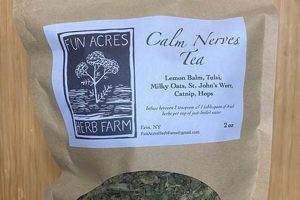
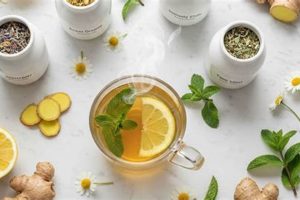
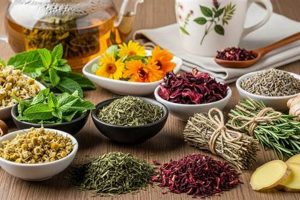
Certain plant-derived infusions may offer symptomatic relief from inflammation of the stomach lining. These beverages, distinct from traditional teas derived from Camellia sinensis, are prepared by steeping herbs, flowers, roots, or other plant parts in hot water. Examples include chamomile, ginger, and licorice root preparations, often consumed for their purported soothing properties.
The potential advantages of these infusions stem from the inherent characteristics of the botanical ingredients used. Historically, various cultures have employed plants to address digestive discomfort. The appeal of these natural remedies lies in their perceived mildness and accessibility, frequently considered as complementary approaches to conventional medical treatments.
The subsequent discussion will delve into specific botanical options, examining their reported mechanisms of action and potential benefits in mitigating gastric distress. Further exploration will consider considerations for appropriate usage, including potential contraindications and interactions.
Guidance on Utilizing Botanical Infusions for Gastric Discomfort
The following recommendations offer practical considerations for individuals exploring the potential of herbal infusions to alleviate symptoms associated with inflammation of the stomach lining. Adherence to these guidelines may optimize efficacy and minimize potential adverse effects.
Tip 1: Select Appropriate Botanicals: Prioritize herbs with documented anti-inflammatory or soothing properties. Chamomile, ginger, licorice root, and marshmallow root are commonly cited examples. Consult reliable sources to verify the purported benefits of specific herbs.
Tip 2: Prepare Infusions Correctly: Employ proper steeping techniques to extract beneficial compounds effectively. Utilize filtered water heated to the appropriate temperature for the chosen herb. Steeping times typically range from five to ten minutes, depending on the botanical material.
Tip 3: Monitor Dosage and Frequency: Begin with conservative quantities to assess individual tolerance. A typical starting point is one cup of infusion taken two to three times daily. Adjust dosage based on individual response and professional guidance.
Tip 4: Be Aware of Potential Interactions: Herbal remedies can interact with conventional medications. Consult a healthcare professional or pharmacist to evaluate potential interactions, especially if taking prescription drugs or over-the-counter medications.
Tip 5: Source High-Quality Ingredients: Opt for certified organic or sustainably sourced herbs to minimize exposure to contaminants. Purchase products from reputable suppliers known for quality control and transparency.
Tip 6: Consider Potential Allergies: Exercise caution when introducing new botanicals, especially if prone to allergies. Start with a small amount and monitor for any adverse reactions such as skin rash, itching, or difficulty breathing.
Tip 7: Integrate with a Holistic Approach: Recognize that botanical infusions are often most effective when combined with dietary modifications and stress management techniques. Focus on consuming easily digestible foods and minimizing known gastric irritants.
Proper selection, preparation, and monitoring are essential for the safe and effective utilization of plant-derived infusions to manage gastric discomfort. Prioritizing quality ingredients and consulting healthcare professionals are crucial aspects of a responsible approach.
The succeeding section will address cautionary measures and contraindications associated with using botanical infusions to manage inflammation of the stomach lining.
1. Soothing Inflammation

Reducing inflammation within the gastric environment is a central aim in managing discomfort of the stomach lining. Certain botanical infusions are recognized for their potential anti-inflammatory properties, suggesting a possible avenue for symptomatic relief.
- Chamomile’s Role
Chamomile contains compounds such as apigenin, which exhibits anti-inflammatory activity. This botanical may help reduce the production of inflammatory cytokines within the gastrointestinal tract, potentially easing discomfort. Its gentle action makes it a frequently recommended option.
- Ginger’s Influence
Ginger possesses gingerol, a compound with established anti-inflammatory effects. This compound may inhibit prostaglandin synthesis, a key mediator of inflammation. Furthermore, ginger can promote gastric emptying, addressing a contributing factor to gastric distress.
- Licorice Root’s Contribution
Licorice root contains glycyrrhizic acid, which, while requiring caution due to potential side effects, can exhibit anti-inflammatory actions. Deglycyrrhizinated licorice (DGL) is often preferred, as it lacks this compound but retains other potentially beneficial properties for soothing the gastric lining.
- Marshmallow Root’s Demulcent Action
Marshmallow root is characterized by its demulcent properties, forming a protective layer over inflamed mucosal surfaces. This action creates a physical barrier, shielding the gastric lining from irritants and promoting healing.
The aforementioned botanical infusions, with their respective anti-inflammatory mechanisms, offer varied approaches to soothing inflammation of the stomach lining. Selection of a specific infusion should consider individual sensitivities, potential interactions, and, ideally, guidance from a healthcare professional. The benefits are commonly observed when integrated with dietary and lifestyle modifications.
2. Digestive Support

Botanical infusions are frequently employed to enhance digestive function, a crucial aspect in managing discomfort in the stomach lining. Impaired digestion can exacerbate inflammation, as incompletely digested food may irritate the gastric mucosa. Specific herbs possess properties that facilitate digestion, potentially alleviating the underlying causes of gastric distress. For instance, ginger promotes gastric emptying, thereby reducing the duration of food exposure to the stomach lining. Peppermint, in some individuals, can relax the smooth muscles of the gastrointestinal tract, easing spasms and improving the passage of food. The cause-and-effect relationship is apparent: improved digestion reduces irritation, leading to decreased inflammation.
The importance of digestive support as a component of botanical infusions is highlighted by the traditional use of these remedies after meals. Postprandial administration allows the herbs to directly aid in the digestive process. An example includes the use of chamomile after meals to reduce bloating and gas, both indicators of inefficient digestion that can contribute to gastric discomfort. Similarly, some individuals find that fennel seed infusions can alleviate indigestion and related symptoms. The practical significance of this understanding lies in tailoring the choice of botanical to the specific digestive challenges experienced. A person with delayed gastric emptying might benefit more from ginger than from a demulcent herb such as marshmallow root.
In summary, digestive support constitutes a critical element of the benefits derived from botanical infusions in the context of inflammation of the stomach lining. Herbs that promote efficient digestion can mitigate irritation and reduce the severity of gastric symptoms. Challenges remain in determining the appropriate herbal remedy for each individual’s unique digestive profile. Ultimately, a strategic approach that considers the specific digestive dysfunction is vital for maximizing the therapeutic effects of these botanical interventions within a comprehensive management plan.
3. Mucosal Protection

Protection of the gastric mucosa is paramount in mitigating discomfort associated with inflammation of the stomach lining. Compromised mucosal integrity renders the stomach vulnerable to acidic and enzymatic damage, exacerbating existing conditions. Certain botanical infusions promote mucosal protection, forming a barrier against irritants and fostering a conducive environment for healing.
- Demulcent Action of Marshmallow Root
Marshmallow root contains mucilage, a viscous substance that coats and soothes irritated tissues. When consumed as an infusion, mucilage adheres to the gastric mucosa, creating a protective layer that shields it from the corrosive effects of stomach acid and digestive enzymes. This barrier function reduces pain and allows the underlying inflammation to subside.
- Licorice Root and Mucus Production
Licorice root, specifically deglycyrrhizinated licorice (DGL), stimulates the production of mucus in the stomach. Mucus acts as a natural protectant, forming a barrier that prevents acid from directly contacting the stomach lining. This stimulation is achieved through the activation of prostaglandin synthesis, a process that promotes the secretion of protective mucus.
- Slippery Elm Bark’s Protective Coating
Slippery elm bark, when mixed with water, forms a gel-like substance that coats the gastrointestinal tract. This coating provides a physical barrier against irritants, including stomach acid and certain foods. The demulcent properties of slippery elm bark contribute to reducing inflammation and promoting healing of the damaged mucosa.
- Chamomile’s Soothing Effects on Mucosal Tissue
While chamomile is primarily known for its anti-inflammatory and calming properties, it also exerts a soothing effect on mucosal tissues. By reducing inflammation and promoting relaxation, chamomile may indirectly contribute to mucosal protection. A calmer gastric environment allows the mucosal lining to recover and function more effectively.
The multifaceted approach to mucosal protection offered by various botanical infusions underscores their potential role in managing inflammation of the stomach lining. Each botanical possesses unique mechanisms that contribute to shielding the gastric mucosa from damage and promoting healing. The benefits are frequently maximized when integrated with other strategies, such as dietary modifications and stress management techniques, tailored to individual needs.
4. Reduced acidity

The reduction of gastric acidity represents a significant therapeutic objective in managing discomfort associated with inflammation of the stomach lining. Elevated acidity levels exacerbate irritation of the gastric mucosa, impeding healing and prolonging symptomatic episodes. Certain botanical infusions are traditionally employed to modulate gastric pH, offering potential benefits in this context.
- Influence of Alkalizing Herbs
Specific botanical preparations possess inherent alkalizing properties that can contribute to neutralizing excess stomach acid. While not as potent as pharmaceutical antacids, these herbs may provide a gentle buffering effect, raising gastric pH slightly and alleviating symptoms associated with acidity. Caution is necessary, as excessive alkalization can disrupt the digestive process.
- Promotion of Gastric Emptying
Infusions of ginger, for example, are known to promote gastric motility and accelerate the emptying of stomach contents. By reducing the residence time of acidic chyme in the stomach, the duration of mucosal exposure to acid is diminished, potentially mitigating irritation and inflammation. This mechanism indirectly contributes to lower acidity levels.
- Stimulation of Mucus Secretion
Certain herbs, such as licorice root (specifically DGL), stimulate the production of protective mucus in the stomach lining. An enhanced mucus barrier reduces the direct contact between gastric acid and the sensitive mucosal tissue, minimizing the damaging effects of acidity. This protective effect indirectly lessens the perceived level of acidity.
- Indirect Acid Reduction via Inflammation Control
By addressing underlying inflammation, some herbal infusions may indirectly reduce acid production. Inflammation can stimulate acid secretion, creating a feedback loop that perpetuates the condition. Botanical agents that mitigate gastric inflammation may, therefore, help to normalize acid secretion patterns.
The utilization of botanical infusions to achieve reduced acidity should be approached cautiously and in conjunction with appropriate dietary modifications and lifestyle adjustments. Consultation with a qualified healthcare professional is advisable to determine the suitability of herbal remedies and to ensure that they do not interfere with other medical treatments. The goal is to support the body’s natural mechanisms for regulating gastric acidity while fostering a conducive environment for healing.
5. Symptom Management

Symptom management is a central focus in addressing the discomfort associated with inflammation of the stomach lining. Botanical infusions are frequently considered as a complementary approach to alleviate specific manifestations of the condition. The selection of herbal remedies should align with the predominant symptoms experienced, with the understanding that individual responses may vary. The goal is targeted relief and improved quality of life.
- Alleviation of Epigastric Pain
Epigastric pain, or discomfort in the upper abdomen, is a common symptom. Infusions of chamomile or ginger may provide relief through their anti-inflammatory and antispasmodic properties. Chamomile can relax smooth muscles in the digestive tract, while ginger can reduce prostaglandin synthesis, thereby decreasing pain signals. Regular consumption may offer a sustained reduction in pain intensity.
- Mitigation of Nausea and Vomiting
Nausea and vomiting often accompany gastric inflammation. Ginger is well-established for its antiemetic effects. Its active compounds can modulate serotonin receptors in the gastrointestinal tract, suppressing nausea. A small amount of ginger infusion, consumed slowly, may help alleviate these symptoms. Timing is crucial; administering ginger before meals can preemptively reduce nausea.
- Reduction of Bloating and Flatulence
Bloating and excessive gas production frequently arise from impaired digestion. Peppermint or fennel seed infusions may promote digestive efficiency and reduce gas formation. Peppermint can relax the lower esophageal sphincter, facilitating the release of trapped gas, while fennel seeds contain compounds that inhibit microbial fermentation, minimizing gas production in the colon.
- Soothing Heartburn and Acid Reflux
Heartburn and acid reflux are indicative of gastric acid escaping into the esophagus. Licorice root, particularly deglycyrrhizinated licorice (DGL), can stimulate mucus production, creating a protective barrier against acid erosion. Marshmallow root possesses demulcent properties, coating the esophagus and stomach lining, thus reducing irritation from acid exposure. These infusions offer a physical barrier against acid reflux.
- Managing appetite loss
Gastritis may result in appetite loss, a factor potentially hindering recovery. Some herbs, such as gentian, are considered appetite stimulants. Their bitter compounds can trigger digestive secretions, enhancing appetite. Care must be taken as bitter herbs could aggravate the inflammation. Infusions can encourage better food intake, essential for healing.
The presented botanical infusions represent viable options for targeted symptom management in cases of inflammation of the stomach lining. The therapeutic value stems from their ability to address specific symptoms through diverse mechanisms of action. Empirical observation and guidance from healthcare practitioners are essential to optimize outcomes and prevent adverse effects.
Frequently Asked Questions
The following section addresses common inquiries regarding the utilization of botanical infusions in the context of inflammation of the stomach lining. The information presented aims to clarify misconceptions and provide a factual overview.
Question 1: Are all herbal teas suitable for individuals experiencing gastric distress?
No. Certain botanicals possess irritant properties or interact adversely with existing medical conditions. Selection requires careful consideration of the specific botanical profile and individual patient factors. Consumption of peppermint infusions, for example, can relax the lower esophageal sphincter, potentially exacerbating acid reflux in susceptible individuals.
Question 2: How long does it typically take to experience the benefits of botanical infusions?
The onset of therapeutic effects varies based on the specific botanical employed, the severity of the condition, and individual physiological responses. Some individuals report symptomatic relief within days of consistent use, while others may require several weeks to observe significant improvement. Patience and adherence to recommended dosages are crucial.
Question 3: Is it safe to combine botanical infusions with prescription medications for gastric conditions?
Potential interactions between herbal remedies and prescription medications exist. Concurrent use necessitates careful evaluation by a qualified healthcare professional to mitigate the risk of adverse effects. Licorice root, for instance, can interfere with certain blood pressure medications.
Question 4: Can botanical infusions completely replace conventional medical treatments for inflammation of the stomach lining?
Botanical infusions serve as a complementary approach to symptom management and should not be regarded as a substitute for established medical therapies. Consultation with a physician or gastroenterologist remains essential for accurate diagnosis and appropriate treatment planning. Reliance solely on herbal remedies without professional medical oversight carries inherent risks.
Question 5: Are there specific contraindications to the use of botanical infusions in managing gastric inflammation?
Certain medical conditions or physiological states preclude the use of specific herbal remedies. Pregnancy, lactation, and pre-existing liver or kidney disorders represent potential contraindications. Individuals with known allergies to specific plants should exercise extreme caution.
Question 6: How does one ensure the quality and safety of botanical infusions?
Sourcing herbal products from reputable suppliers that adhere to stringent quality control standards is paramount. Certified organic or sustainably harvested botanicals minimize exposure to pesticides and contaminants. Verifying the botanical identity through laboratory testing further enhances product safety.
The prudent utilization of botanical infusions necessitates a comprehensive understanding of their potential benefits, risks, and interactions. Informed decision-making, coupled with professional medical guidance, remains fundamental to optimizing therapeutic outcomes and ensuring patient safety.
The following section presents a summary of the key considerations for the responsible integration of plant-derived infusions for alleviating inflammation of the stomach lining.
Conclusion
The preceding exploration of infusions for inflammation of the stomach lining has highlighted potential benefits. Specific botanicals, including chamomile, ginger, and licorice root, offer anti-inflammatory, digestive-supportive, and mucosal-protective properties. Judicious selection, proper preparation, and awareness of potential contraindications are crucial elements for responsible utilization.
The role of plant-derived infusions in managing inflammation warrants further investigation. Integration within a holistic treatment plan, guided by healthcare professionals, can optimize outcomes. Future research should focus on clarifying the efficacy and safety profiles of specific botanical combinations in diverse patient populations. The evidence suggests these could play a supplementary role in the multifaceted approach required to manage gastric distress, yet are by no means an alternative to seeing a doctor.