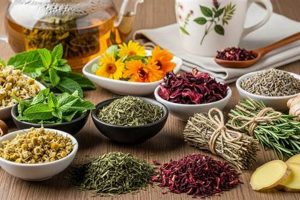
Specific plant infusions can offer support for the body’s filtration system. These beverages, prepared by steeping various herbs, are often considered complementary approaches to maintaining renal health. The selection and preparation of these infusions warrant careful consideration.
The potential of these beverages lies in their diuretic properties and antioxidant content. Historically, numerous cultures have incorporated these remedies into their wellness practices to promote efficient waste removal and safeguard against cellular damage. These benefits may contribute to the overall well-being of the kidneys.
The following sections will delve into particular herbal teas recognized for their potential positive effects on renal health. This exploration will cover their mechanisms of action and highlight important considerations for their consumption.
Tips for Choosing Herbal Teas to Support Renal Health
The selection of herbal teas for kidney support requires careful consideration of the ingredients and potential interactions. Prioritize informed choices to ensure safety and efficacy.
Tip 1: Dandelion Leaf: Ensure the dandelion leaf used in the tea is sourced from a reputable supplier to minimize potential contamination. Dandelion leaf possesses diuretic properties, promoting urine production and potentially aiding in waste removal.
Tip 2: Parsley: Use fresh or dried parsley from trusted sources. Compounds in parsley can act as diuretics, supporting kidney function by increasing urine flow.
Tip 3: Ginger: Opt for organic ginger root for tea preparation. Ginger’s anti-inflammatory properties can be beneficial. However, moderation is advised, as excessive consumption may interact with certain medications.
Tip 4: Turmeric: Select turmeric teas with piperine (black pepper extract) to enhance curcumin absorption. Curcumin, the active compound in turmeric, possesses antioxidant properties that may protect against kidney damage.
Tip 5: Nettle Leaf: Choose nettle leaf teas that have undergone appropriate processing to remove stinging compounds. Nettle leaf has diuretic properties and contains nutrients that can support overall health.
Tip 6: Green Tea: Consume green tea in moderation due to its caffeine content, which can have diuretic effects and potentially dehydrate if overused. Select high-quality green tea leaves for optimal antioxidant benefits.
Tip 7: Marshmallow Root: Opt for marshmallow root tea from a reputable source. Marshmallow root is believed to have soothing properties that may protect the lining of the urinary tract.
These tips emphasize the importance of sourcing quality ingredients and understanding the potential effects of each herb. Consistent hydration alongside herbal tea consumption is vital for optimal kidney function.
The following section will discuss the potential risks and precautions associated with using herbal teas for renal support.
1. Diuretic Properties

Diuretic properties, as they relate to specific herbal teas, constitute a primary mechanism by which these beverages may support renal function. Diuretics increase urine production, facilitating the removal of waste products and excess fluids from the body. This increased fluid turnover can reduce the workload on the kidneys and potentially mitigate the formation of kidney stones by preventing the concentration of minerals in the urinary tract. Certain compounds within herbs, such as those found in dandelion leaf and parsley, stimulate this diuretic action.
The efficacy of diuretic herbal teas hinges on several factors, including the concentration of active compounds in the tea, the individual’s hydration status, and the presence of any underlying medical conditions. For instance, consistently consuming dandelion leaf tea, alongside adequate water intake, may aid in flushing out small kidney stones. However, the diuretic effect can also lead to electrolyte imbalances if not carefully managed, particularly in individuals with pre-existing kidney conditions or those taking other diuretic medications. Therefore, understanding the specific diuretic potency of an herbal tea and its potential interactions is crucial.
In summary, the diuretic properties of certain herbal teas represent a potentially beneficial aspect of their effect on kidney health, promoting waste removal and fluid balance. However, the implementation of these teas for renal support necessitates careful consideration of individual health factors and a comprehensive understanding of potential risks, emphasizing the importance of consulting with a healthcare professional. The perceived benefits should be evaluated against the potential for adverse effects, ensuring a balanced and informed approach.
2. Antioxidant Content

Antioxidant content is a critical factor when evaluating which herbal teas may be suitable for supporting kidney function. The kidneys, as primary filtration organs, are consistently exposed to metabolic waste and toxins, leading to oxidative stress. This stress arises from an imbalance between the production of reactive oxygen species (free radicals) and the body’s ability to neutralize them. Chronic oxidative stress can damage kidney cells, impairing their functionality and potentially contributing to the development of kidney disease. Herbal teas rich in antioxidants can help mitigate this damage by neutralizing free radicals, protecting renal cells, and promoting overall kidney health. The presence of compounds like polyphenols, flavonoids, and catechins in certain herbal teas is directly linked to their antioxidant capacity.
Green tea and turmeric tea serve as prime examples. Green tea is abundant in catechins, particularly epigallocatechin gallate (EGCG), a potent antioxidant known to protect against cellular damage. Turmeric tea contains curcumin, which exhibits significant antioxidant and anti-inflammatory properties. Curcumin’s ability to scavenge free radicals and reduce inflammation may help prevent or slow the progression of kidney disorders. The practical significance lies in the potential for regular consumption of these teas to contribute to long-term kidney health, especially in individuals with risk factors for kidney disease, such as diabetes or hypertension. However, it is important to note that while antioxidant-rich teas can provide support, they should not be considered a replacement for conventional medical treatments.
In conclusion, the antioxidant content of specific herbal teas plays a vital role in their potential benefits for kidney health. By reducing oxidative stress and protecting kidney cells from damage, these teas can serve as a valuable complementary strategy for maintaining renal function. While the understanding of their benefits is valuable, the application of these teas in renal support must be approached cautiously, integrating them into a comprehensive healthcare plan under the guidance of a qualified healthcare professional. The challenge lies in striking a balance between potential benefits and the avoidance of potential adverse effects or interactions.
3. Inflammation Reduction
The reduction of inflammation is a crucial aspect when considering the potential benefits of certain herbal teas for kidney function. Chronic inflammation can contribute to the development and progression of kidney diseases. Certain herbal teas possess anti-inflammatory properties that may help mitigate this inflammatory response, supporting overall renal health.
- Active Compounds and Mechanisms
Specific compounds within herbal teas, such as curcumin in turmeric and gingerol in ginger, exhibit anti-inflammatory actions. These compounds can inhibit the production of inflammatory cytokines, molecules that promote inflammation in the body. By reducing the levels of these cytokines, herbal teas may help decrease inflammation within the kidneys, protecting renal tissue from damage. For example, ginger tea consumed regularly may alleviate inflammatory markers in individuals with kidney ailments.
- Impact on Kidney Disease Progression
Chronic kidney disease (CKD) is often characterized by persistent inflammation. This inflammation can accelerate the decline of kidney function. Herbal teas with anti-inflammatory properties may help slow the progression of CKD by reducing the inflammatory burden on the kidneys. For instance, studies suggest that regular consumption of turmeric tea may improve kidney function and reduce inflammation in individuals with early stages of CKD. However, further research is required to confirm these findings definitively.
- Role in Autoimmune Kidney Disorders
Some kidney disorders, such as lupus nephritis, are autoimmune in nature, characterized by an overactive immune system that attacks the kidneys, leading to inflammation and damage. Herbal teas with anti-inflammatory properties may modulate the immune response and reduce inflammation in these conditions. While not a substitute for conventional treatments, these teas may offer adjunctive support. However, the use of herbal teas in autoimmune kidney disorders should be approached with caution and under the guidance of a healthcare professional.
- Considerations for Consumption
While herbal teas can offer anti-inflammatory benefits, it is essential to consider potential interactions with medications and individual health conditions. Some anti-inflammatory herbs may have blood-thinning effects or interact with immunosuppressants. Therefore, individuals with kidney disease or those taking medications should consult with a healthcare provider before incorporating herbal teas into their regimen. Furthermore, the quality and sourcing of herbal teas are critical to ensure safety and efficacy.
In conclusion, the anti-inflammatory properties of certain herbal teas provide a potential avenue for supporting kidney health by mitigating inflammation and protecting renal tissue. The use of herbal teas to reduce inflammation should be approached with consideration, recognizing their potential benefits and limitations. An informed and cautious approach, guided by healthcare professionals, is essential to ensure optimal outcomes.
4. Kidney Stone Prevention

Kidney stone prevention constitutes a significant aspect of renal health, and specific herbal teas may offer a complementary approach to reducing the risk of stone formation. The underlying mechanisms involve altering urine composition, increasing fluid intake, and influencing factors that contribute to stone development.
- Citrate Levels
Citrate, a naturally occurring substance in urine, inhibits the formation of calcium oxalate stones, the most common type of kidney stones. Certain herbal teas, through their mineral content or diuretic effects, may influence citrate excretion. For example, infusions that promote alkaline urine pH could increase citrate levels, thereby reducing the likelihood of calcium oxalate crystallization. While direct evidence linking specific teas to sustained citrate increases remains limited, the potential for such an effect warrants consideration. The implications are most relevant for individuals with hypocitraturia, a condition characterized by low urinary citrate.
- Diuretic Action and Hydration
Adequate hydration is a cornerstone of kidney stone prevention, as it dilutes urine and reduces the concentration of stone-forming substances. Herbal teas, by promoting diuresis, can contribute to increased fluid intake and urine output. The increased fluid flow helps flush out minerals and salts that can precipitate into stones. For instance, regularly consuming herbal teas like dandelion or parsley infusions can enhance urine volume. It should be noted that the diuretic effect must be balanced with overall fluid intake to avoid dehydration, particularly in hot climates or during physical activity.
- Oxalate Content Considerations
Oxalate, a compound found in many foods and some herbs, can bind with calcium in the urine to form calcium oxalate stones. While certain herbal teas may offer benefits for kidney health, it is essential to consider their oxalate content, particularly for individuals prone to oxalate stones. Teas high in oxalate could potentially increase the risk of stone formation in susceptible individuals. Therefore, those with a history of oxalate stones should exercise caution and potentially limit their intake of high-oxalate herbal teas, such as black tea, while prioritizing low-oxalate alternatives. Consultation with a healthcare provider or dietitian is advisable.
- Magnesium Influence
Magnesium, an essential mineral, plays a role in preventing calcium oxalate stones by binding to oxalate in the intestines, reducing its absorption into the bloodstream and subsequent excretion in the urine. Some herbal teas contain magnesium, which may contribute to this protective effect. However, the magnesium content in herbal teas is typically low, and dietary sources of magnesium are more significant. The potential benefit of magnesium from herbal teas is likely modest but may complement other dietary and lifestyle strategies for kidney stone prevention. Prioritizing a balanced diet rich in magnesium-containing foods remains essential.
In summary, the connection between kidney stone prevention and herbal teas is multifaceted, involving considerations related to citrate levels, hydration, oxalate content, and mineral composition. While certain herbal teas may offer complementary support for kidney stone prevention, it is crucial to approach their use with caution, considering individual risk factors and potential interactions. Prioritizing adequate hydration, a balanced diet, and consultation with healthcare professionals remains paramount for effective kidney stone prevention strategies.
5. Proper Hydration

Adequate fluid intake constitutes a cornerstone of kidney health, directly impacting the efficacy and safety of incorporating specific herbal teas into a renal support regimen. Proper hydration facilitates optimal kidney function, aiding in waste removal and maintaining electrolyte balance. The integration of herbal teas necessitates a comprehensive understanding of their diuretic properties and potential effects on fluid balance.
- Enhanced Waste Removal
Sufficient fluid intake dilutes urine, facilitating the excretion of metabolic waste products and toxins. When herbal teas are consumed as part of a proper hydration strategy, their diuretic effects can augment this process. For example, incorporating dandelion leaf tea into a daily routine that includes adequate water intake can promote efficient waste elimination, reducing the workload on the kidneys. However, the diuretic potential of herbal teas must be balanced with adequate overall fluid consumption to prevent dehydration, which could paradoxically impair kidney function.
- Reduced Risk of Kidney Stone Formation
Dehydration increases the concentration of minerals and salts in the urine, elevating the risk of kidney stone formation. Proper hydration dilutes these substances, decreasing the likelihood of crystallization and stone development. Herbal teas, by promoting increased urine output, can contribute to this protective effect. For instance, regular consumption of parsley tea, alongside sufficient water intake, can help maintain a lower concentration of stone-forming substances in the urine. However, individuals with a history of kidney stones should consider the oxalate content of certain herbal teas, as high oxalate levels could potentially increase the risk of stone formation if hydration is inadequate.
- Maintenance of Electrolyte Balance
Proper hydration is crucial for maintaining the balance of electrolytes, such as sodium, potassium, and chloride, which are essential for various bodily functions. Diuretic herbal teas can influence electrolyte levels, potentially leading to imbalances if not carefully managed. Consuming these teas within the context of adequate hydration helps mitigate the risk of electrolyte disturbances. For example, individuals consuming ginger tea, known for its diuretic properties, should ensure sufficient intake of water and electrolyte-rich foods to maintain proper balance. Monitoring electrolyte levels may be advisable for individuals with pre-existing kidney conditions or those taking medications that affect electrolyte balance.
- Support for Overall Kidney Function
Adequate hydration is essential for supporting the overall functionality of the kidneys. It helps maintain blood volume and pressure, which are necessary for optimal glomerular filtration. Herbal teas, when consumed as part of a comprehensive hydration strategy, can contribute to this support. For instance, incorporating nettle leaf tea, known for its diuretic and nutrient content, into a well-hydrated routine can help maintain kidney health. However, it is crucial to recognize that herbal teas should not be viewed as a replacement for adequate water intake. They serve as a complementary approach to support kidney function within the context of proper hydration.
In conclusion, the relationship between proper hydration and the potential benefits of herbal teas for kidney function is inextricably linked. While specific herbal teas may offer diuretic, antioxidant, or anti-inflammatory properties, their effectiveness and safety depend on maintaining adequate fluid intake. A balanced approach, emphasizing proper hydration and informed selection of herbal teas, is essential for optimizing renal health.
Frequently Asked Questions
This section addresses common inquiries regarding the use of herbal teas for kidney support, providing clarity on their potential benefits and limitations.
Question 1: Are herbal teas a substitute for conventional medical treatment for kidney disease?
Herbal teas should not be considered a replacement for conventional medical treatments prescribed by healthcare professionals for kidney disease. These infusions may serve as complementary support, but they do not address the underlying pathology of renal conditions. Adherence to medical advice and prescribed medications remains paramount.
Question 2: Can excessive consumption of herbal teas harm the kidneys?
Excessive consumption of any fluid, including herbal teas, can potentially strain the kidneys. Furthermore, certain herbs may contain compounds that could be detrimental to renal function if consumed in large quantities. Moderation and awareness of individual herbal properties are crucial.
Question 3: Are all herbal teas safe for individuals with pre-existing kidney conditions?
Not all herbal teas are safe for individuals with pre-existing kidney conditions. Some herbs may interact with medications or exacerbate renal dysfunction. Consultation with a healthcare provider is essential before incorporating any herbal tea into the diet of someone with kidney disease.
Question 4: How do diuretic herbal teas impact kidney function?
Diuretic herbal teas increase urine production, which can aid in flushing out toxins and waste products. However, excessive diuresis can lead to dehydration and electrolyte imbalances, potentially stressing the kidneys. Careful monitoring of fluid intake and electrolyte levels is necessary.
Question 5: What role does the quality of herbal tea play in its efficacy and safety?
The quality of herbal tea is paramount. Contaminated or adulterated herbs can pose significant health risks. Sourcing teas from reputable suppliers and ensuring proper storage are essential for maximizing benefits and minimizing potential harm.
Question 6: Can herbal teas prevent the formation of kidney stones?
Some herbal teas may contribute to kidney stone prevention by increasing fluid intake and altering urine composition. However, they are not a guaranteed preventative measure. A comprehensive approach, including dietary modifications and medical management, is often necessary for effective kidney stone prevention.
The information provided in this FAQ section serves as a general guideline. Individual circumstances and health conditions warrant specific consideration and professional medical advice.
The following section will discuss practical considerations for safely incorporating herbal teas into a kidney-friendly lifestyle.
Conclusion
The preceding exploration has elucidated the potential role of specific herbal teas in supporting kidney function. Key aspects, including diuretic properties, antioxidant content, inflammation reduction, and kidney stone prevention, have been examined. Furthermore, the critical importance of proper hydration and the potential risks associated with herbal tea consumption have been emphasized. The information presented underscores the complexity of the relationship between herbal infusions and renal health.
While certain herbal teas may offer complementary support for kidney function, their use must be approached with informed caution. Individuals should consult with healthcare professionals to determine the suitability of herbal teas for their specific health conditions and to ensure they do not interfere with existing medical treatments. The ultimate goal is to integrate these natural remedies responsibly into a comprehensive strategy for maintaining renal well-being, prioritizing evidence-based practices and professional guidance.