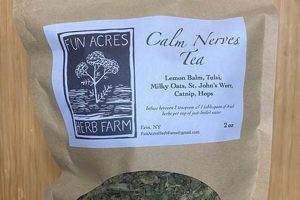
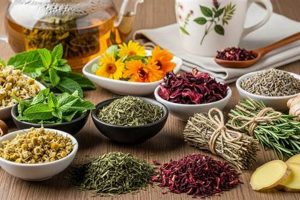
The consumption of infusions derived from plants, other than Camellia sinensis, and the subsequent experience of loose, watery stools represents a complex interaction. These botanical beverages, often consumed for their perceived health benefits, may inadvertently trigger or exacerbate gastrointestinal distress in certain individuals. The reaction can vary greatly depending on the specific plant components, the concentration of the brew, and the individual’s physiological response.
Historically, various plant-based preparations have been utilized for their purported medicinal properties, including digestive aids. However, it is crucial to acknowledge that not all botanical ingredients are universally benign. Some compounds present in these infusions can stimulate bowel movements or irritate the digestive tract, leading to an acceleration of transit time. The resultant malabsorption of fluids and electrolytes can then manifest as this specific gastrointestinal symptom. The perceived wellness advantages must be weighed against the potential for adverse effects.
Understanding the nuanced connection between plant-derived beverages and altered bowel function requires further examination. The subsequent sections will delve into specific botanical ingredients known to influence gastrointestinal motility, potential mechanisms by which these effects occur, and factors that can contribute to individual susceptibility. Furthermore, recommendations for responsible consumption and strategies for mitigating adverse reactions will be provided.
Guidance Regarding Plant-Based Infusions and Gastrointestinal Discomfort
This section provides cautionary guidelines concerning the consumption of herbal preparations and their potential association with bowel irregularities. Prudence and informed decision-making are paramount when incorporating these beverages into one’s diet.
Tip 1: Identify Causative Agents: Meticulously track the consumption of specific herbal infusions and monitor for any associated changes in bowel habits. Discontinuation of suspect beverages may assist in identifying the causative agent.
Tip 2: Moderate Consumption: Excessive intake of any herbal infusion, irrespective of perceived safety, may increase the risk of gastrointestinal distress. Adhere to recommended serving sizes and frequency of consumption.
Tip 3: Be Aware of Laxative Herbs: Certain botanicals, such as senna, cascara sagrada, and aloe vera, are known for their potent laxative effects. Avoid or limit the consumption of infusions containing these ingredients, particularly if prone to bowel irregularities.
Tip 4: Consider Underlying Conditions: Individuals with pre-existing gastrointestinal disorders, such as Irritable Bowel Syndrome (IBS) or inflammatory bowel disease (IBD), should exercise heightened caution when consuming herbal infusions. Consult with a healthcare professional before incorporating new herbal preparations into their diet.
Tip 5: Assess Herb-Drug Interactions: Some herbal constituents may interact with prescription or over-the-counter medications. Consult with a pharmacist or physician to evaluate potential drug interactions before consuming herbal infusions regularly.
Tip 6: Choose Reputable Sources: Procure herbal infusions from reputable suppliers who adhere to quality control standards. Contamination with bacteria or other adulterants may exacerbate gastrointestinal symptoms.
Tip 7: Brew Properly: Adhere to recommended brewing instructions for each herbal infusion. Over-steeping or improper preparation may alter the concentration of active constituents, potentially increasing the risk of adverse effects.
The informed selection and moderate consumption of plant-based infusions are crucial to minimize the potential for gastrointestinal disruptions. Should adverse reactions occur, prompt discontinuation and consultation with a healthcare provider are recommended.
The ensuing sections will address specific herbal ingredients of concern and explore alternative approaches to promoting digestive wellness.
1. Herb-induced Bowel Movement

The phenomenon of herb-induced bowel movement directly contributes to the occurrence of loose, watery stools, representing a significant facet of “herbal tea and diarrhea”. This causal relationship stems from specific compounds within certain botanical ingredients that stimulate gastrointestinal motility. These compounds, often acting as irritants or promoting osmotic shifts within the intestinal lumen, accelerate the passage of fecal matter, resulting in decreased water absorption and the clinical presentation of diarrhea. The importance of herb-induced bowel movement lies in its role as a primary mechanism through which plant-based infusions trigger adverse gastrointestinal effects. For instance, teas containing senna or cascara, traditionally used as laxatives, contain anthraquinone glycosides. These compounds, upon hydrolysis within the colon, release active aglycones that stimulate colonic peristalsis, leading to rapid bowel evacuation and potentially diarrhea.
Further complicating this mechanism is the potential for individual variability in response to herb-induced bowel movement. Factors such as pre-existing gastrointestinal conditions, concomitant medication use, and variations in gut microbiota composition can influence an individual’s susceptibility to experiencing these effects. For example, individuals with Irritable Bowel Syndrome (IBS) may exhibit heightened sensitivity to the pro-motility effects of certain herbal infusions, experiencing more pronounced symptoms of bowel movement even at low doses. Furthermore, the chronic use of herbal teas with laxative properties can lead to dependency and impaired bowel function over time, further exacerbating the risk of chronic diarrhea.
In summary, herb-induced bowel movement serves as a central mechanism in the manifestation of “herbal tea and diarrhea.” Understanding the specific botanical compounds responsible for this effect, recognizing individual risk factors, and promoting responsible consumption practices are crucial for mitigating the adverse gastrointestinal consequences associated with certain plant-based infusions. The complex relationship between herbs and bowel motility necessitates a cautious and informed approach to herbal tea consumption, particularly among vulnerable populations or those with pre-existing gastrointestinal conditions.
2. Gastrointestinal Tract Irritation

Gastrointestinal tract irritation is a critical pathway through which certain herbal teas contribute to the development of diarrhea. Specific components within these infusions can directly inflame or disrupt the lining of the stomach and intestines, compromising their normal function and leading to altered bowel habits. This irritation impedes the absorption of water and electrolytes, resulting in the passage of loose, watery stools characteristic of diarrhea. The importance of gastrointestinal tract irritation as a component of “herbal tea and diarrhea” lies in its direct involvement in disrupting the digestive process and triggering the onset of symptoms.
Consider, for example, teas containing high concentrations of tannins. These compounds, while possessing antioxidant properties, can also act as astringents, causing contraction of tissues within the digestive tract. This contraction can irritate the lining, leading to inflammation and increased permeability. Similarly, some herbal teas may contain oils or resins that directly stimulate the intestinal lining, prompting increased mucus production and motility, ultimately resulting in diarrhea. The extent of gastrointestinal tract irritation, and consequently the severity of the diarrhea, is influenced by factors such as the concentration of irritating compounds in the tea, the frequency of consumption, and the individual’s inherent sensitivity to these substances.
Understanding the potential for gastrointestinal tract irritation is of practical significance in preventing and managing diarrhea associated with herbal tea consumption. Careful selection of herbal teas, awareness of potentially irritating ingredients, and moderation in consumption are essential strategies. Individuals with pre-existing gastrointestinal conditions, such as gastritis or irritable bowel syndrome, may be particularly susceptible to the irritant effects of certain herbal teas and should exercise caution. Recognizing gastrointestinal tract irritation as a significant component of “herbal tea and diarrhea” allows for informed decision-making and responsible consumption practices, reducing the risk of adverse effects and promoting digestive health.
3. Dehydration Risk

The loss of fluids and electrolytes associated with diarrhea significantly elevates the risk of dehydration. When considering “herbal tea and diarrhea,” the increased frequency and volume of bowel movements overwhelm the body’s ability to absorb fluids effectively. This leads to a depletion of essential electrolytes such as sodium, potassium, and chloride, further exacerbating the fluid imbalance. The dehydration risk inherent in this scenario is particularly acute for vulnerable populations, including infants, young children, and the elderly, whose physiological reserves are more limited. Failure to adequately address fluid loss can result in serious complications, ranging from electrolyte imbalances and muscle cramps to kidney dysfunction and, in severe cases, hypovolemic shock.
The causative link between herbal tea and dehydration risk is further influenced by the diuretic properties of certain botanical ingredients. Some herbs, such as dandelion and hibiscus, promote increased urine production, compounding the fluid loss resulting from diarrhea. If these teas are consumed while experiencing diarrhea, the combined effect can rapidly accelerate dehydration. Practical implications extend to recognizing early signs of dehydration, including thirst, decreased urination, dark urine, dizziness, and fatigue. Oral rehydration solutions containing appropriate electrolyte concentrations are crucial for replenishing lost fluids and minerals. In cases of severe dehydration, intravenous fluid administration may be necessary.
In summary, understanding the association between dehydration risk and “herbal tea and diarrhea” is paramount for informed health management. The physiological mechanisms underlying fluid and electrolyte loss, coupled with the potential diuretic effects of specific herbal ingredients, underscore the need for vigilance and proactive rehydration strategies. Responsible consumption practices, tailored to individual health status and awareness of dehydration symptoms, are essential in mitigating the adverse consequences associated with this interaction. The clinical relevance of this understanding resides in its capacity to guide preventative measures and timely interventions, thereby minimizing the morbidity and mortality associated with dehydration resulting from herb-induced diarrhea.
4. Electrolyte Imbalance

Electrolyte imbalance represents a significant physiological consequence of diarrhea, a condition that can be induced or exacerbated by certain herbal teas. The disruption of normal electrolyte concentrations within the body can have far-reaching effects on cellular function, nerve impulse transmission, and overall homeostasis. The association between herbal teas and diarrhea, therefore, carries the inherent risk of precipitating clinically relevant electrolyte disturbances.
- Potassium Depletion (Hypokalemia)
Diarrhea, regardless of its etiology, leads to the loss of potassium through the intestinal tract. This loss is amplified when certain herbal teas, acting as laxatives or diuretics, promote increased bowel movements or urinary excretion. Hypokalemia manifests as muscle weakness, fatigue, cardiac arrhythmias, and, in severe cases, paralysis. For example, chronic use of senna tea, a known laxative, can deplete potassium reserves, posing a significant risk to individuals with pre-existing cardiac conditions or those taking medications that also affect potassium levels.
- Sodium Imbalance (Hyponatremia or Hypernatremia)
While potassium depletion is often the primary concern, sodium imbalances can also occur. Hyponatremia (low sodium) results from excessive sodium loss through diarrheal fluids, coupled with inadequate replacement. Symptoms include nausea, headache, confusion, and seizures. Conversely, hypernatremia (high sodium) may develop if fluid losses are not adequately replaced with electrolyte-containing solutions, leading to cellular dehydration and neurological dysfunction. Certain herbal teas with diuretic properties may indirectly contribute to sodium imbalances by altering renal sodium handling.
- Magnesium Deficiency (Hypomagnesemia)
Magnesium, an essential mineral involved in numerous enzymatic reactions, is also susceptible to depletion during episodes of diarrhea. Hypomagnesemia can manifest as muscle cramps, tremors, cardiac arrhythmias, and seizures. The chronic consumption of herbal teas that induce diarrhea can gradually deplete magnesium stores, increasing the risk of these adverse effects. Furthermore, magnesium deficiency can exacerbate potassium imbalances, further complicating the clinical picture.
- Acid-Base Disturbances
Severe or prolonged diarrhea can lead to metabolic acidosis, a condition characterized by an excess of acid in the body fluids. This occurs due to the loss of bicarbonate, an alkaline buffer, through the intestinal tract. The body attempts to compensate for this imbalance, but if the diarrhea is severe or prolonged, the compensatory mechanisms may be overwhelmed. Acidosis can disrupt cellular function and exacerbate the symptoms of electrolyte imbalances.
The constellation of electrolyte imbalances associated with diarrhea, particularly when linked to the consumption of certain herbal teas, underscores the importance of cautious and informed use. Recognition of at-risk individuals, prompt identification of electrolyte disturbances, and appropriate rehydration strategies are essential for mitigating the potential adverse consequences. The integration of knowledge regarding the specific herbal teas with the potential to induce diarrhea and the resultant electrolyte imbalances into clinical practice and public health education is paramount for ensuring patient safety and promoting responsible herbal tea consumption.
5. Malabsorption Consequences

The impaired absorption of nutrients resulting from diarrhea, whether induced or aggravated by herbal tea consumption, elicits a cascade of potential malabsorption consequences. These consequences extend beyond mere transient discomfort, potentially impacting overall health and well-being.
- Nutrient Deficiencies
Diarrhea accelerates the transit of intestinal contents, reducing the time available for nutrient absorption. This can lead to deficiencies in essential vitamins, minerals, and macronutrients. For instance, fat-soluble vitamins (A, D, E, K) are particularly vulnerable to malabsorption in cases of chronic diarrhea. Deficiencies in these vitamins can manifest as impaired vision, bone disorders, neurological dysfunction, and bleeding disorders, respectively. Iron and folate malabsorption can result in anemia, contributing to fatigue and impaired cognitive function. Protein malabsorption can lead to muscle wasting and impaired immune function. The specific deficiencies that arise depend on the duration and severity of the diarrhea, as well as the individual’s pre-existing nutritional status.
- Weight Loss and Muscle Wasting
Reduced nutrient absorption translates directly into a deficit of calories and essential amino acids, leading to unintended weight loss. When caloric intake is insufficient to meet metabolic demands, the body resorts to utilizing stored energy reserves, including muscle tissue. This process, known as catabolism, results in muscle wasting or sarcopenia, characterized by a decline in muscle mass and strength. This muscle wasting not only impairs physical function but also weakens the immune system, increasing susceptibility to infections and further exacerbating the overall health decline. The magnitude of weight loss and muscle wasting correlates with the severity and duration of the malabsorptive state.
- Fluid and Electrolyte Imbalances
Malabsorption contributes to fluid and electrolyte imbalances, compounding the direct losses from diarrhea. Impaired absorption of sodium, potassium, and water disrupts the body’s homeostatic mechanisms, leading to dehydration and electrolyte abnormalities. These imbalances can manifest as muscle cramps, weakness, cardiac arrhythmias, and, in severe cases, neurological dysfunction. The chronic disruption of fluid and electrolyte balance further exacerbates the malabsorptive state, creating a vicious cycle of impaired nutrient absorption and physiological dysfunction.
- Impaired Immune Function
The gastrointestinal tract plays a critical role in immune function, housing a significant portion of the body’s immune cells and serving as a barrier against pathogens. Malabsorption, resulting from diarrhea, disrupts the normal function of the gut-associated lymphoid tissue (GALT), compromising immune defenses. Nutrient deficiencies, particularly of zinc, iron, and vitamins A, C, and E, further impair immune cell function. This weakened immune system increases susceptibility to infections, which can further exacerbate diarrhea and contribute to a cycle of chronic illness.
The interplay between herbal tea consumption, diarrhea, and malabsorption consequences underscores the importance of informed decision-making regarding herbal remedies. Individuals experiencing persistent diarrhea, regardless of the suspected cause, should seek medical evaluation to address potential malabsorption issues and prevent long-term health complications. Nutritional assessment and appropriate supplementation may be necessary to mitigate the adverse effects of nutrient deficiencies.
6. Underlying Condition Exacerbation

The consumption of certain herbal teas can exacerbate pre-existing medical conditions, particularly those affecting the gastrointestinal tract. The underlying mechanism involves the interaction of herbal constituents with the pathophysiology of the existing condition, leading to a worsening of symptoms, including diarrhea. This phenomenon highlights the importance of considering individual health status when evaluating the potential risks associated with herbal tea consumption. In individuals with Irritable Bowel Syndrome (IBS), for example, certain herbal teas containing stimulants or irritants can trigger or intensify abdominal pain, bloating, and altered bowel habits. Similarly, in individuals with inflammatory bowel diseases (IBD) such as Crohn’s disease or ulcerative colitis, specific herbal ingredients may exacerbate intestinal inflammation, leading to increased diarrhea, abdominal cramping, and bleeding.
The practical significance of understanding the connection between underlying condition exacerbation and herbal tea consumption lies in the need for individualized risk assessment and management. Individuals with pre-existing gastrointestinal disorders should exercise caution when incorporating new herbal teas into their diet and consult with a healthcare professional to assess potential risks. Furthermore, careful monitoring of symptoms following herbal tea consumption is crucial for identifying potential exacerbations of underlying conditions. For instance, a patient with a history of gastritis who consumes a tea high in tannins may experience an increase in abdominal pain and nausea, indicating an exacerbation of their pre-existing condition. In such cases, discontinuation of the offending tea and appropriate medical intervention are warranted.
In summary, the potential for herbal teas to exacerbate underlying medical conditions, particularly those affecting the gastrointestinal tract, underscores the importance of individualized risk assessment and informed decision-making. Awareness of pre-existing conditions, careful selection of herbal teas, and vigilant monitoring of symptoms are essential strategies for mitigating the risks associated with herbal tea consumption. The challenge lies in effectively communicating these risks to the public and ensuring that individuals with underlying conditions have access to appropriate information and guidance to make informed choices about their herbal tea consumption.
7. Specific Herb Correlation

Establishing a definitive correlation between specific herbal ingredients and the onset of diarrhea represents a crucial step in understanding and mitigating the risks associated with herbal tea consumption. Identifying these specific herb correlations allows for targeted avoidance strategies and informed decision-making, minimizing the likelihood of adverse gastrointestinal events. This process requires a systematic approach, involving meticulous record-keeping, careful observation of symptoms, and, in some cases, formal medical evaluation.
- Senna and Cascara Sagrada
These herbs, commonly employed as laxatives, contain anthraquinone glycosides. These compounds stimulate colonic peristalsis, leading to accelerated bowel movements and potentially diarrhea. Prolonged or excessive consumption can disrupt normal bowel function and induce electrolyte imbalances. Individuals with pre-existing gastrointestinal disorders should exercise extreme caution when using teas containing senna or cascara sagrada.
- Aloe Vera (Inner Leaf)
The inner leaf of the aloe vera plant contains potent laxative compounds similar to those found in senna and cascara sagrada. While aloe vera juice is often marketed for its health benefits, excessive consumption can result in diarrhea, abdominal cramping, and electrolyte depletion. The outer leaf of the aloe plant does not contain these laxative compounds and is generally considered safe for consumption.
- Licorice Root
Licorice root contains glycyrrhizin, a compound that can affect electrolyte balance and blood pressure. While not directly causing diarrhea in all individuals, licorice can potentiate the effects of other laxative herbs or exacerbate diarrhea caused by other factors. Furthermore, licorice consumption can lead to sodium retention and potassium loss, potentially contributing to diarrhea through osmotic mechanisms.
- Certain Chamomile Varieties
While chamomile is generally considered a safe and soothing herb, certain varieties or preparations may contain compounds that can trigger mild diarrhea in sensitive individuals. Furthermore, chamomile can interact with certain medications, potentially altering their effects and contributing to gastrointestinal distress. Allergic reactions to chamomile, though rare, can also manifest as diarrhea and abdominal discomfort.
In summary, the establishment of specific herb correlations with diarrhea is essential for responsible herbal tea consumption. By identifying and avoiding herbs known to trigger or exacerbate diarrhea, individuals can minimize the risk of adverse gastrointestinal events and promote overall well-being. Furthermore, individuals experiencing persistent diarrhea following herbal tea consumption should seek medical evaluation to rule out underlying medical conditions and receive appropriate management.
Frequently Asked Questions
This section addresses common inquiries regarding the relationship between herbal tea consumption and the occurrence of diarrhea. The aim is to provide clear, concise, and evidence-based information to promote informed decision-making.
Question 1: Can herbal tea directly cause diarrhea?
Certain herbal teas contain compounds that can stimulate bowel movements or irritate the gastrointestinal tract, leading to diarrhea. The specific herbs involved and individual susceptibility play significant roles.
Question 2: Which herbal teas are most likely to induce diarrhea?
Herbs with known laxative properties, such as senna, cascara sagrada, and aloe vera (inner leaf), are most commonly associated with diarrhea. Teas containing high concentrations of tannins may also contribute.
Question 3: How quickly can diarrhea develop after drinking herbal tea?
The onset of diarrhea can vary depending on the individual, the specific herbal tea, and the concentration of active compounds. Symptoms may appear within a few hours of consumption.
Question 4: Is diarrhea from herbal tea always a cause for concern?
Occasional, mild diarrhea may not be a serious issue. However, persistent, severe, or bloody diarrhea warrants medical attention. Dehydration and electrolyte imbalances are potential complications.
Question 5: Can herbal tea diarrhea be treated at home?
Mild cases may respond to simple measures such as rehydration with electrolyte-containing solutions. Discontinuation of the suspect herbal tea is essential. Medical advice should be sought for more severe symptoms.
Question 6: Are there any benefits to drinking herbal tea while experiencing diarrhea?
Generally, it is advisable to avoid herbal teas during episodes of diarrhea, unless specifically recommended by a healthcare professional. Certain herbal teas, such as those containing tannins, may paradoxically worsen symptoms.
In summary, while herbal teas are often perceived as beneficial, certain types can induce or exacerbate diarrhea. Prudent selection, moderate consumption, and awareness of individual sensitivities are crucial for minimizing risks.
The subsequent section will explore alternative beverages suitable for maintaining hydration and supporting gastrointestinal health.
Conclusion
The exploration of the relationship between herbal tea and diarrhea reveals a complex interplay of botanical constituents and individual physiological responses. The preceding sections have elucidated the potential for certain herbal teas to induce or exacerbate gastrointestinal distress, leading to various complications including dehydration, electrolyte imbalances, and malabsorption. Specific herbs, such as senna and cascara sagrada, have been identified as primary culprits due to their inherent laxative properties. Understanding the mechanisms by which these herbs affect the digestive system is crucial for informed decision-making and responsible consumption.
Given the potential for adverse effects, particularly among vulnerable populations and individuals with pre-existing gastrointestinal conditions, a cautious and evidence-based approach to herbal tea consumption is warranted. Further research is needed to fully elucidate the specific herb correlations and individual risk factors associated with herbal tea-induced diarrhea. Healthcare professionals should remain vigilant in assessing patients presenting with gastrointestinal complaints, considering the potential role of herbal teas in symptom etiology. The information presented serves as a reminder that while herbal remedies may offer potential benefits, they are not without risk and should be approached with due diligence.