The inquiry addresses the potential for certain plant-based infusions to cause discoloration of dental enamel. This concern stems from the presence of pigments and potentially acidic components in some herbal preparations, mirroring the staining effects observed with coffee, tea, and red wine.
Addressing this issue is crucial for maintaining both oral hygiene and aesthetic dental appearance. Understanding which herbal beverages present a higher risk of staining allows individuals to make informed choices about their consumption habits. Furthermore, exploring the historical use of herbs as both remedies and beverages provides context for the modern concern regarding their potential impact on teeth.
Therefore, this discussion will examine the specific constituents in various herbal teas that contribute to staining, compare their staining potential to that of other common beverages, and outline strategies for mitigating any discoloration effects. This will include exploring the impact of factors such as brewing time, concentration, and individual oral hygiene practices.
Mitigating Dental Discoloration from Herbal Infusions
The following recommendations are intended to minimize the risk of dental staining associated with consumption of plant-based beverages.
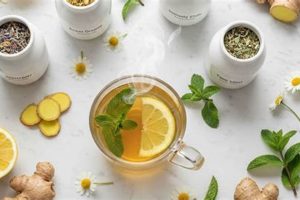
Tip 1: Choose Less Pigmented Varieties: Opt for herbal teas with lighter colors, such as chamomile or ginger. Darker infusions, including those with berries or hibiscus, often possess a higher staining potential.
Tip 2: Reduce Brewing Time: Extended steeping times can increase the concentration of pigments released into the tea. Adhering to recommended brewing durations can help reduce the intensity of the beverage’s staining properties.
Tip 3: Rinse with Water After Consumption: Swishing water in the mouth after drinking herbal tea can help remove lingering pigments and acids, preventing them from adhering to the enamel surface.
Tip 4: Maintain Excellent Oral Hygiene: Regular brushing and flossing are essential for removing surface stains and preventing plaque buildup. Incorporate a whitening toothpaste into the routine for enhanced stain removal.
Tip 5: Consider Using a Straw: While not always practical, using a straw can help direct the liquid away from the front teeth, reducing direct contact with the enamel.
Tip 6: Limit Frequency of Consumption: Reducing the number of times herbal teas are consumed throughout the day can lessen the cumulative impact on dental coloration.
Tip 7: Professional Dental Cleanings: Schedule regular dental check-ups and cleanings. Dentists can effectively remove existing stains and provide personalized advice on stain prevention.
These strategies can assist in minimizing the chance of visible changes to tooth enamel, enabling the enjoyment of herbal beverages while maintaining a bright smile.
Implementing these preventive steps can contribute to long-term dental health and aesthetic appearance.
1. Pigment Concentration

The concentration of pigments within herbal teas directly correlates with their potential to cause dental staining. A higher pigment concentration increases the likelihood of chromogens adhering to the dental enamel, resulting in visible discoloration.
- Chromogen Types
Herbal teas contain various chromogens, including tannins, which are polyphenolic compounds known for their staining properties. The type and amount of chromogens present vary based on the specific herb and brewing process. For example, teas derived from dark berries or roots often contain higher concentrations of tannins than those made from flowers or leaves.
- Brewing Influence
The brewing process significantly affects pigment concentration. Longer steeping times and higher water temperatures extract more pigments from the herbs, leading to a darker and more concentrated brew. Consequently, excessively brewed herbal teas pose a greater risk of staining compared to those prepared according to recommended guidelines.
- Solubility and Adhesion
Pigment solubility influences its ability to interact with and adhere to dental enamel. Highly soluble pigments can more easily penetrate the microscopic pores and irregularities on the tooth surface, resulting in staining. Additionally, the adhesive properties of certain chromogens, like tannins, promote their binding to proteins in saliva and the enamel pellicle, further contributing to discoloration.
- Antioxidant Activity
Many chromogens, particularly polyphenols, possess antioxidant properties. However, these beneficial compounds can also contribute to staining. The presence of antioxidants does not negate the staining potential; instead, it highlights the complex interplay between health benefits and aesthetic considerations when consuming herbal teas.
The relationship between pigment concentration and dental staining is multifaceted. While high pigment concentration generally increases the likelihood of discoloration, factors such as the specific chromogen types, brewing methods, and individual oral hygiene practices also play crucial roles. Understanding these interdependencies enables informed choices regarding herbal tea consumption to mitigate unwanted staining effects.
2. Acidity Levels

The acidity of herbal teas plays a significant role in their potential to cause dental staining. Elevated acidity can erode the enamel, making it more susceptible to absorbing pigments from the beverage. This erosion roughens the tooth surface, increasing the likelihood of stain adherence and discoloration.
- Enamel Erosion
Acids present in herbal teas can dissolve the minerals that constitute dental enamel, a process known as enamel erosion. This weakens the enamel, creating microscopic pores and irregularities that provide more surface area for stain-causing pigments to bind. The severity of erosion depends on the pH level of the tea and the duration of exposure.
- Pellicle Modification
The acquired pellicle, a thin protein layer that forms on the tooth surface, is also affected by acidity. Acidic conditions can alter the pellicle’s composition and structure, making it more prone to attracting and retaining stains. Furthermore, a compromised pellicle offers less protection to the underlying enamel, exacerbating the effects of pigment penetration.
- Chelation
Certain acids, such as citric acid found in some herbal teas, can act as chelating agents. Chelation involves the binding of metal ions, including those present in pigments. This complexation can enhance the pigment’s ability to adhere to the enamel surface, promoting stain formation. This is particularly relevant for herbal teas containing dark-colored ingredients.
- pH Dependence
The pH of a herbal tea is a critical determinant of its erosive potential. Teas with a pH below the critical level of approximately 5.5 are considered potentially erosive. The lower the pH, the greater the risk of enamel erosion and subsequent staining. Measuring the pH of different herbal teas allows for a comparative assessment of their potential impact on dental health.
In summary, the acidity levels in herbal teas exert a multifaceted influence on dental staining. Enamel erosion, pellicle modification, chelation, and pH dependence all contribute to the overall staining potential of these beverages. Consequently, understanding the acidity of specific herbal teas is essential for making informed choices to minimize the risk of tooth discoloration.
3. Enamel Porosity
The structural integrity of dental enamel, particularly its porosity, profoundly influences its susceptibility to staining from various sources, including herbal teas. Enamel porosity refers to the presence of microscopic pores and channels within the enamel layer. Higher porosity increases the surface area available for chromogens, the color-producing compounds in herbal teas, to penetrate and become embedded, thus leading to visible discoloration. This phenomenon is exacerbated by factors such as age, genetic predisposition, and exposure to acidic substances, all of which can increase enamel porosity over time. For instance, individuals with a history of consuming acidic beverages or those who have undergone teeth whitening procedures, which can temporarily increase enamel porosity, may find their teeth more readily stained by herbal teas.
The practical significance of understanding the relationship between enamel porosity and staining lies in the ability to implement targeted preventative measures. Individuals with known or suspected high enamel porosity can adopt specific oral hygiene practices, such as using fluoride toothpaste to help remineralize and strengthen the enamel. Furthermore, the use of tooth sealants, professionally applied by a dentist, can physically block pores, reducing the penetration of staining agents. Dietary modifications, such as limiting the consumption of highly pigmented herbal teas or rinsing with water after consumption, can also mitigate the staining effects. For example, someone who regularly drinks dark herbal teas, such as those containing berries, might switch to lighter-colored varieties or reduce the steeping time to minimize pigment concentration.
In conclusion, enamel porosity serves as a critical determinant in the staining process caused by herbal teas. Its impact is mediated by the increased surface area available for chromogen adhesion. Addressing enamel porosity through appropriate oral hygiene practices, professional interventions, and dietary adjustments provides a means to minimize discoloration and maintain dental aesthetics. Recognizing this connection allows for proactive and informed choices, thereby preserving tooth appearance and overall oral health.
4. Consumption Frequency

The regularity with which herbal teas are ingested constitutes a pivotal factor in the accumulation of dental stains. Repeated exposure to chromogens and acids, even in relatively low concentrations, can lead to a gradual but noticeable discoloration of the enamel surface over time.
- Cumulative Exposure
Frequent consumption results in cumulative exposure of teeth to staining compounds. Each instance of drinking herbal tea deposits pigments on the enamel, which, if not effectively removed, gradually build up and become more resistant to routine oral hygiene practices. For example, drinking herbal tea multiple times daily, versus only occasionally, significantly increases the likelihood of visible staining.
- Salivary Clearance
Saliva plays a crucial role in clearing food particles and neutralizing acids in the mouth. However, with high consumption frequency, the salivary flow may be insufficient to counteract the staining effects of herbal teas completely. This limited salivary clearance allows pigments prolonged contact with the enamel, facilitating their adherence and penetration. Reduced salivary flow due to medications or certain health conditions can exacerbate this effect.
- Enamel Saturation
Repeated exposure can lead to enamel saturation, wherein the enamel reaches a point where it can no longer effectively resist the absorption of pigments. This saturation point varies among individuals depending on enamel density, porosity, and oral hygiene habits. Once saturated, even occasional consumption may contribute to noticeable stain development. For instance, teeth that are already prone to staining due to prior exposure will saturate more quickly than those with minimal prior exposure.
- Intermittent Prevention Effectiveness
The efficacy of preventive measures, such as rinsing with water or brushing teeth, is diminished if consumption is too frequent. When teeth are constantly exposed to staining agents, intermittent preventive efforts become less effective in removing existing stains and preventing new ones from forming. Regular dental cleanings become increasingly necessary to combat the cumulative staining effects.
Ultimately, the impact of herbal tea consumption on dental staining is directly related to the frequency of exposure. By understanding how cumulative exposure, salivary clearance, enamel saturation, and the effectiveness of preventive measures are all affected by consumption frequency, individuals can make informed decisions about their herbal tea habits and implement targeted strategies to minimize the risk of dental discoloration.
5. Oral Hygiene

The presence and effectiveness of oral hygiene practices directly influence the degree to which herbal teas contribute to dental staining. Inadequate removal of plaque and surface debris facilitates the adhesion of chromogens present in these beverages to the tooth enamel. Consequently, individuals with suboptimal oral hygiene habits are more susceptible to experiencing noticeable tooth discoloration from regular consumption of herbal teas.
Effective oral hygiene encompasses several key components: consistent brushing, flossing, and the use of appropriate oral hygiene aids. Brushing with fluoride toothpaste removes surface stains and prevents the formation of a conducive environment for chromogen adhesion. Flossing eliminates plaque and food particles from interdental spaces, areas that are particularly vulnerable to staining. Real-life examples include individuals who diligently brush and floss after consuming herbal teas exhibiting significantly less staining compared to those who neglect these practices. The practical significance lies in the ability to mitigate the aesthetic impact of herbal tea consumption through proactive dental care. Individuals undergoing orthodontic treatment, for instance, often require heightened oral hygiene measures due to increased plaque accumulation around brackets and wires, further emphasizing the crucial role of oral hygiene in preventing staining from beverages like herbal teas.
In conclusion, while herbal teas may possess staining potential, the impact is significantly modulated by the individual’s commitment to and proficiency in maintaining proper oral hygiene. A comprehensive approach to oral hygiene, coupled with informed consumption habits, provides a means to minimize unwanted tooth discoloration and preserve dental aesthetics. The challenge lies in consistently adhering to recommended oral hygiene practices, requiring patient education and reinforcement from dental professionals. This connection underscores the broader theme of personal responsibility in managing oral health and mitigating the negative effects of dietary choices on tooth appearance.
6. Tea Variety

The type of herbal tea consumed significantly influences the likelihood and extent of dental staining. Variations in the chemical composition, specifically the presence and concentration of chromogens and acids, differ substantially among various herbal infusions, leading to a wide range of staining potential.
- Pigment Intensity Correlation
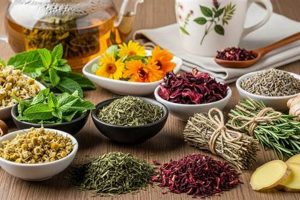
Darker, more intensely colored herbal teas generally possess a higher staining potential due to their elevated chromogen content. For example, hibiscus and rooibos teas, characterized by their deep red hues, contain substantial amounts of pigments that readily adhere to dental enamel. Conversely, lighter-colored teas such as chamomile or white tea exhibit lower staining potential.
- Acidity Level Variance
The acidity levels vary considerably between different herbal tea types. Teas with higher acidity levels, such as those containing citric acid or other organic acids, can erode the enamel surface, increasing its susceptibility to staining. Fruit-based herbal teas often exhibit higher acidity compared to those derived from roots or flowers.
- Tannin Concentration Impact
Tannins, a type of polyphenol found in many herbal teas, contribute to staining due to their ability to bind to proteins on the tooth surface. Teas with high tannin concentrations, such as black tea (while not strictly herbal, it serves as a relevant comparison) and some herbal blends containing bark or leaves, exhibit a greater propensity for causing discoloration.
- Blend Composition Significance
The composition of herbal tea blends further influences staining potential. Mixtures containing staining-prone ingredients, like berries or spices with strong pigments, can lead to a cumulative staining effect. Understanding the individual components of a blend allows for a more accurate assessment of its overall impact on dental aesthetics.
The variety of herbal tea consumed, therefore, acts as a primary determinant in the potential for dental staining. By understanding the pigment intensity, acidity levels, tannin concentration, and blend composition of different herbal teas, individuals can make informed choices to minimize unwanted discoloration and maintain a brighter smile. Knowledge of these distinctions empowers consumers to prioritize dental health alongside their beverage preferences.
Frequently Asked Questions
The following addresses common inquiries regarding the potential of herbal teas to discolor dental enamel.
Question 1: What substances in herbal teas contribute to tooth discoloration?
Chromogens, the color-producing compounds, and acids are the primary contributors to tooth discoloration. Chromogens, especially tannins, adhere to the enamel surface, while acids erode the enamel, making it more susceptible to staining.
Question 2: Does the color of the herbal tea indicate its staining potential?
Generally, darker herbal teas, such as those with deep red or brown hues, possess a higher staining potential due to their greater concentration of chromogens. Lighter-colored teas are typically less likely to cause noticeable discoloration.
Question 3: Can whitening toothpastes counteract staining from herbal tea consumption?
Whitening toothpastes containing abrasive agents or chemical stain removers can help remove surface stains caused by herbal teas. However, they are less effective against deeply embedded stains that have penetrated the enamel.
Question 4: How does brewing time affect the staining potential of herbal tea?
Longer brewing times extract more chromogens from the herbs, resulting in a more concentrated brew with a higher staining potential. Adhering to recommended brewing durations can help minimize discoloration effects.
Question 5: Is rinsing with water after drinking herbal tea an effective preventative measure?
Rinsing with water after consuming herbal tea helps remove lingering pigments and acids from the mouth, reducing their contact time with the enamel surface. This simple practice can contribute to minimizing stain formation.
Question 6: Are professional dental cleanings necessary to address staining from herbal teas?
Professional dental cleanings effectively remove accumulated stains and provide personalized advice on stain prevention. Regular cleanings are especially beneficial for individuals who frequently consume staining beverages, including herbal teas.
In summary, awareness of the staining agents in herbal teas, coupled with proactive oral hygiene practices, can help mitigate potential tooth discoloration. Consult a dental professional for personalized recommendations.
The following section delves into the impact of various lifestyle factors on dental staining susceptibility.
Do Herbal Teas Stain Teeth
The examination presented herein demonstrates that the question of whether plant-based infusions cause dental discoloration is multifaceted. Several factors influence the staining potential of these beverages, including pigment concentration, acidity levels, enamel porosity, consumption frequency, oral hygiene practices, and the specific variety of herbal tea consumed. While some herbal teas possess a higher propensity to cause staining due to their inherent chemical composition, preventative measures, such as meticulous oral hygiene and informed consumption habits, can mitigate these effects.
Ultimately, maintaining dental aesthetics amidst herbal tea consumption requires a proactive and informed approach. Individuals should prioritize preventive oral care and exercise discernment in beverage selection. Further research into specific herbal tea components and their interaction with dental enamel may yield more targeted strategies for stain prevention. The long-term preservation of dental health and appearance necessitates a continued commitment to evidence-based practices and personalized oral care regimens.