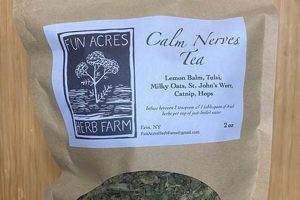
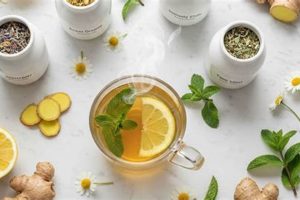
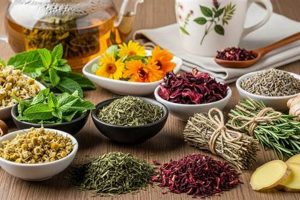
Infusions derived from plants other than Camellia sinensis are widely consumed for their diverse flavors and potential health benefits. These beverages encompass a broad spectrum of botanicals, including flowers, leaves, roots, seeds, and barks. A common example includes chamomile, known for its calming properties, and peppermint, often used to aid digestion. These preparations offer a caffeine-free alternative to traditional tea.
The consumption of these botanical infusions has a long and rich history, dating back centuries across various cultures. They are valued not only for their pleasant taste but also for their perceived therapeutic effects. Potential advantages range from promoting relaxation and sleep to supporting immune function and digestive health. Historically, these brews were often central to traditional medicine practices.
The subsequent sections will delve into the classification and specific characteristics of different botanical infusions, categorizing them based on their primary ingredients and associated attributes. Consideration will be given to factors influencing flavor profiles and potential wellness benefits.
Guidance on Herbal Infusions
Optimizing the preparation and consumption of plant-based infusions can enhance both the sensory experience and the potential for deriving benefits.
Tip 1: Source Quality Ingredients: Opt for organic or responsibly wildcrafted herbs from reputable suppliers. This minimizes exposure to pesticides and ensures the herbs are harvested sustainably.
Tip 2: Utilize Appropriate Water Temperature: Boiling water can scorch delicate herbs and alter the flavor profile. Generally, water heated to between 200-212F (93-100C) is suitable for heartier herbs, while cooler temperatures (around 170-185F or 77-85C) are preferable for floral or leafy varieties.
Tip 3: Steep for the Recommended Duration: Steeping time varies depending on the herb. Follow specific guidelines, but generally, 5-10 minutes is adequate for most infusions. Over-steeping can result in a bitter taste.
Tip 4: Employ Proper Storage Techniques: Store dried herbs in airtight containers away from direct sunlight, heat, and moisture. This preserves their potency and flavor.
Tip 5: Consider Blending for Synergistic Effects: Combining various herbs can create unique flavor profiles and potentially enhance therapeutic properties through synergistic interactions. Consult with a qualified herbalist for guidance on effective combinations.
Tip 6: Start with Small Quantities: Introduce new herbal infusions gradually to assess individual tolerance and potential allergic reactions.
Tip 7: Be Mindful of Potential Interactions: Certain herbs may interact with medications or pre-existing health conditions. Consult a healthcare professional before incorporating new herbs into a daily regimen, especially if taking prescription drugs.
Implementing these suggestions can lead to a more fulfilling and potentially beneficial experience with herbal infusions.
The subsequent section will provide a conclusion summarizing the key aspects discussed regarding herbal infusions.
1. Plant Origin

The plant source fundamentally defines the category and characteristics of herbal infusions. The chemical composition, and thus the potential therapeutic effect and flavor, are intrinsically linked to the botanical species used. For example, chamomile ( Matricaria chamomilla) yields a beverage known for its calming properties due to the presence of compounds like apigenin. In contrast, rooibos ( Aspalathus linearis), originating from South Africa, offers a reddish infusion with antioxidant properties stemming from its unique flavonoid profile. Therefore, understanding the plant’s origin is paramount in predicting the properties of the resultant infusion.
The specific part of the plant utilized further differentiates infusions within a broad category. A tea derived from the leaves of peppermint ( Mentha piperita) will exhibit distinct properties compared to an infusion made from its flowers. Similarly, ginger ( Zingiber officinale) root provides a markedly different sensory experience than ginger leaves. Consideration must also be given to cultivation practices and environmental factors influencing the plant’s chemical makeup. Soil composition, climate, and harvesting methods all contribute to the final product’s characteristics. Furthermore, correct plant identification is crucial to avoid consuming toxic species.
In summary, the source plant is the primary determinant of an infusion’s identity, dictating its flavor, potential benefits, and safety profile. Recognizing the direct correlation between plant origin and the properties of herbal beverages is essential for informed selection and responsible consumption. Any ambiguity regarding the plant’s identity or provenance should be addressed before use.
2. Flavor Profile

Flavor profile is a defining characteristic of different botanical infusions, significantly influencing consumer preference and perceived therapeutic value. The taste and aroma are determined by the volatile organic compounds and other chemical constituents present in the plant material. Cause-and-effect relationships are evident; for instance, the presence of menthol in peppermint leaves directly results in a cooling and refreshing flavor. The distinct flavor of chamomile is attributed to compounds like bisabolol and chamazulene, imparting a slightly sweet and floral taste. As a key component, flavor makes these drinks pleasurable, encouraging consistent consumption, especially when seeking specific health benefits.
Understanding the flavor profile offers practical advantages. Individuals seeking relaxation might prefer lavender or chamomile infusions due to their subtle, floral, and calming tastes. Those requiring digestive support may opt for ginger or fennel, characterized by their spicy or anise-like notes, respectively. Moreover, knowledge of flavor nuances facilitates the creation of blends that are both palatable and potentially synergistic in their therapeutic effects. Experienced practitioners often combine complementary herbs, balancing flavors to enhance both taste and efficacy.
In summary, flavor is more than a mere sensory attribute; it is integral to the selection, enjoyment, and perceived effectiveness of botanical infusions. Challenges include the subjective nature of taste perception and the variability in plant chemistry due to environmental factors. Nonetheless, appreciating the connection between flavor profile and the diverse botanical infusion types is crucial for informed decision-making and optimized consumption.
3. Therapeutic Properties

Therapeutic properties are intrinsic to the value and categorization of plant-derived infusions. The perception of benefit derived from these beverages is a primary driver of their consumption. The chemical constituents within each plant exert specific physiological effects, resulting in a range of therapeutic applications. Cause-and-effect relationships are demonstrable, where compounds such as valerenic acid in valerian root contribute to its sedative properties. This explains its use for sleep disorders. Similarly, ginger’s anti-inflammatory effects are attributed to gingerol compounds, making it a common remedy for nausea. Understanding these relationships is crucial when selecting herbal infusions for specific health goals.
The therapeutic properties inherent in distinct herbal preparations have direct impact on their categorization and application. The use of chamomile for its anxiolytic effects contrasts with the energizing properties associated with infusions derived from yerba mate ( Ilex paraguariensis). These characteristics inform their respective traditional uses and current applications. Furthermore, awareness of potential contraindications and interactions with pharmaceuticals is imperative. For instance, St. John’s Wort ( Hypericum perforatum) may interact with certain antidepressants, necessitating caution and professional consultation.
The connection between therapeutic properties and botanical infusions underscores the importance of informed selection. Challenges include variability in plant chemistry due to environmental factors and cultivation practices, as well as the potential for misidentification or adulteration. Despite these limitations, acknowledging the therapeutic potential and associated safety considerations allows for a more responsible and effective utilization of herbal infusions in support of overall health and well-being.
4. Preparation Method

The preparation method significantly influences the final characteristics and perceived therapeutic benefits of plant-based infusions. Diverse techniques exist for extracting the desired compounds, each affecting the flavor profile, concentration of active ingredients, and overall quality of the resulting beverage.
- Water Temperature
Water temperature is a crucial factor. High heat can degrade volatile oils in delicate flowers and leaves, resulting in a bitter or altered taste. Conversely, insufficient heat may fail to extract the full spectrum of beneficial compounds from heartier roots and barks. Specific recommendations often vary by plant; for example, green tea (not a true herbal infusion but illustrates the point) benefits from lower temperatures to prevent bitterness, while ginger root requires hotter water to release its pungent compounds. This distinction is critical for optimizing the sensory and therapeutic aspects of different preparations.
- Steeping Time
The duration of steeping directly impacts the strength and flavor of the infusion. Prolonged steeping can lead to the release of tannins, resulting in a bitter taste. Insufficient steeping, however, may yield a weak and flavorless brew. The optimal steeping time depends on the plant part used and the desired intensity. For example, delicate floral infusions like chamomile typically require a shorter steeping time than robust root infusions such as dandelion root.
- Infusion Vessel Material
The material of the steeping vessel can subtly affect the final product. Chemically inert materials such as glass or ceramic are generally preferred to prevent unwanted interactions between the herbs and the vessel. Metallic containers, particularly those made of reactive metals, can impart off-flavors or potentially leach harmful substances into the infusion. Selecting an appropriate vessel helps maintain the purity and intended flavor of the herbal preparation.
- Filtration Method
The method of filtering the infusion influences the clarity and texture of the final beverage. Fine-mesh filters effectively remove small particles, resulting in a cleaner taste and appearance. Coarser filters, such as those used in French presses, allow more sediment to pass through, potentially altering the mouthfeel and flavor profile. Choosing the appropriate filtration method allows for control over the sensory characteristics of the herbal preparation.
These facets demonstrate that the preparation method is not merely a passive step but an active determinant of the final product’s characteristics. By carefully controlling water temperature, steeping time, infusion vessel material, and filtration method, individuals can optimize the flavor, aroma, and potential therapeutic benefits of various plant-based infusions, achieving the desired results for their intended purpose.
5. Geographical Source

The geographical origin of plants used in herbal infusions exerts a profound influence on their chemical composition, flavor profiles, and therapeutic properties. Environmental factors, such as soil composition, climate, and altitude, directly impact the plant’s development and expression of secondary metabolites, resulting in significant variations across different regions. Consequently, the geographical source becomes a key determinant in classifying and understanding the diverse characteristics of herbal infusions.
- Soil Composition
Soil composition directly affects the mineral content and nutrient uptake of plants. For instance, chamomile grown in calcium-rich soil may exhibit higher concentrations of certain flavonoids, potentially enhancing its anti-inflammatory properties. Similarly, rooibos cultivated in the unique soil conditions of the Cederberg region of South Africa develops its distinctive flavor and antioxidant profile. These variations underscore the critical role of soil composition in shaping the characteristics of herbal infusions.
- Climate and Altitude
Climatic factors, including temperature, rainfall, and sunlight exposure, play a significant role in determining plant growth and the production of secondary metabolites. High-altitude environments, for example, often lead to increased levels of essential oils in plants like peppermint and lavender. Conversely, plants grown in arid climates may develop higher concentrations of antioxidants to protect against environmental stress. Therefore, climate and altitude contribute substantially to the chemical diversity of herbal infusions sourced from different regions.
- Traditional Cultivation Practices
Geographical regions often develop unique cultivation practices that further influence the characteristics of herbal infusions. Traditional farming methods, such as organic or biodynamic agriculture, prioritize soil health and biodiversity, leading to enhanced flavor and nutrient content in plants. Conversely, conventional farming practices involving the use of pesticides and synthetic fertilizers can negatively impact the chemical composition and overall quality of herbal infusions. Consequently, cultivation practices contribute significantly to the regional variations observed in these plant-based beverages.
- Biodiversity and Endemic Species
Certain geographical regions are characterized by high levels of biodiversity and the presence of endemic plant species. These unique ecosystems provide a wealth of botanical resources for herbal infusions, offering distinctive flavor profiles and therapeutic properties. For example, the Amazon rainforest harbors a diverse array of medicinal plants used in traditional healing practices, while the Mediterranean region is known for its aromatic herbs with culinary and medicinal applications. The presence of endemic species and rich biodiversity contributes significantly to the regional uniqueness of herbal infusions.
In conclusion, the geographical source is a fundamental factor shaping the diverse characteristics of herbal infusions. Soil composition, climate and altitude, traditional cultivation practices, and biodiversity all contribute to the unique flavor profiles, chemical compositions, and therapeutic properties of these beverages. By understanding the influence of geographical origin, consumers can better appreciate the complexity and diversity of the herbal infusion landscape and make informed choices based on their individual preferences and health goals. Further research into the specific environmental and cultural factors influencing plant development in different regions is essential for preserving the quality and authenticity of herbal infusions for future generations.
6. Traditional Usage
Traditional usage provides a crucial lens through which the multifaceted nature of herbal infusions can be understood. It is the historical precedent that establishes the foundation for current applications, revealing the cause-and-effect relationships between specific plants and their perceived therapeutic effects. Infusions of chamomile, for example, have a long-standing tradition in various cultures as a sleep aid and calming agent, which directly influences their modern application for these purposes. Similarly, the use of ginger in traditional Chinese medicine for digestive ailments informs its contemporary use as a remedy for nausea and indigestion. Understanding this historical context elevates the appreciation of herbal infusions beyond mere beverage consumption.
The importance of traditional usage lies in its empirical basis, accumulated over centuries of observation and experimentation. This collective knowledge highlights the practical significance of certain plants within specific cultural contexts. For instance, the traditional use of yerba mate in South American cultures as a stimulant and social beverage provides insight into its current popularity as a natural energy booster and social facilitator. Moreover, traditional usage often dictates the preparation methods and dosage regimens employed, reflecting a nuanced understanding of the plant’s properties and potential effects. Practical application includes ethnobotanical studies, which reveal the ways various cultures have employed herbal infusions for healing and wellness purposes, providing a valuable resource for modern herbalists and researchers.
In summary, traditional usage is an indispensable component of comprehending the types of herbal infusions. It provides a historical and cultural framework for understanding their applications, highlighting the interconnectedness between plant properties, preparation methods, and therapeutic benefits. Challenges exist in validating traditional claims through modern scientific research and in preserving this knowledge in the face of globalization. Nevertheless, the study of traditional usage offers a valuable resource for both practitioners and consumers seeking to harness the potential of herbal infusions for health and well-being. The preservation and study of traditional knowledge ensures the continued relevance and responsible use of these plant-derived beverages.
Frequently Asked Questions about Types of Herbal Teas
The following section addresses common inquiries and clarifies misconceptions regarding herbal teas. The information provided is intended to enhance understanding and promote informed consumption.
Question 1: Are all herbal teas caffeine-free?
While the majority of herbal teas are naturally caffeine-free, this is not universally true. Some infusions, such as those containing guayusa or yerba mate, do contain caffeine. It is essential to examine the ingredient list to determine the caffeine content of a specific herbal tea blend.
Question 2: Can herbal teas interact with medications?
Certain herbal teas can indeed interact with pharmaceutical medications. Herbs such as St. John’s Wort are known to interfere with the metabolism of various drugs. Individuals taking prescription medications should consult with a healthcare professional before incorporating new herbal teas into their diet.
Question 3: What is the shelf life of herbal teas?
The shelf life of herbal teas varies depending on the specific herbs and storage conditions. In general, dried herbs retain their potency and flavor best when stored in airtight containers away from direct sunlight, heat, and moisture. Most herbal teas are best consumed within one to two years of purchase.
Question 4: Are organic herbal teas better than non-organic?
Organic herbal teas are grown without the use of synthetic pesticides and fertilizers, which is generally considered preferable. Consuming organic products reduces exposure to potentially harmful chemicals. However, non-organic herbal teas can still be safe and beneficial, provided they are sourced from reputable suppliers who adhere to quality control standards.
Question 5: How should herbal teas be properly steeped?
Proper steeping involves using the correct water temperature and steeping time for the specific herbs. Boiling water can damage delicate herbs, while insufficient steeping may not extract their full flavor and therapeutic properties. Research the recommended steeping guidelines for each type of herbal tea to optimize the brewing process.
Question 6: Can herbal teas be used to treat medical conditions?
While some herbal teas possess therapeutic properties, they should not be considered a substitute for conventional medical treatment. Herbal teas can be a complementary addition to a healthy lifestyle, but it is crucial to consult with a healthcare professional for the diagnosis and management of medical conditions. Self-treating serious illnesses with herbal teas alone is strongly discouraged.
In summary, herbal teas offer a diverse range of flavors and potential health benefits. However, understanding their caffeine content, potential interactions with medications, proper storage, and safe usage is crucial for responsible consumption.
The subsequent section will provide a concluding overview of types of herbal teas
Types of Herbal Teas
This exploration has underscored the considerable diversity inherent within the realm of herbal infusions. From their botanical origins and flavor profiles to their therapeutic properties, preparation methods, geographical sources, and traditional usages, types of herbal teas present a complex tapestry of factors that influence their characteristics and applications. A comprehensive understanding of these elements is crucial for responsible consumption and informed selection.
As interest in natural remedies and holistic wellness continues to grow, the demand for herbal infusions is likely to increase. Further research is warranted to validate traditional claims, elucidate the mechanisms of action of various herbal constituents, and ensure the safety and efficacy of these plant-derived beverages. A commitment to quality sourcing, responsible cultivation practices, and transparent labeling is essential for maintaining the integrity and value of the diverse types of herbal teas available to consumers.