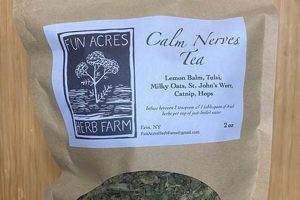
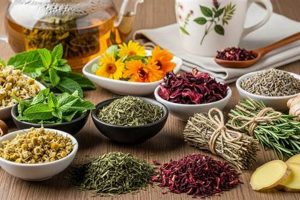
Herbal infusions, derived from plants other than Camellia sinensis (the tea plant), encompass a wide range of beverages crafted from herbs, spices, flowers, and other botanical materials. These infusions, often referred to colloquially as “tea,” are consumed for various purposes, including hydration, relaxation, and perceived health benefits. Chamomile, peppermint, and rooibos are common examples.
The perceived health benefits of herbal infusions have been recognized across cultures for centuries. Historically, different plants were employed for their specific properties, from promoting sleep to aiding digestion. The current interest in these beverages is driven by a desire for natural alternatives and a holistic approach to wellness. The value lies in their potential to provide supplementary benefits alongside a balanced diet and healthy lifestyle.
A comprehensive examination of the potential adverse effects associated with the consumption of various herbal infusions is warranted. This includes investigating potential interactions with medications, allergic reactions, and the impact of excessive consumption of specific herbs. Understanding these factors is crucial for making informed decisions about incorporating herbal infusions into one’s dietary regimen.
Considerations for Consumption
Navigating the realm of herbal infusions necessitates a cautious approach. While often perceived as inherently safe, several factors warrant careful consideration to mitigate potential adverse effects.
Tip 1: Research Herbal Properties. Prior to regular consumption, thoroughly research the specific properties of each herb. Understand its traditional uses, potential benefits, and documented side effects. Utilize reputable sources, such as peer-reviewed scientific literature and established herbal databases.
Tip 2: Be Aware of Potential Allergens. Individuals with known plant allergies should exercise extreme caution. Some herbal infusions may contain allergens that can trigger reactions, ranging from mild skin irritation to severe anaphylaxis. Begin with a small amount to assess tolerance.
Tip 3: Monitor for Medication Interactions. Certain herbs can interact with prescription medications, potentially altering their effectiveness or increasing the risk of side effects. Consult a healthcare professional or pharmacist to identify any potential interactions before combining herbal infusions with prescribed medications.
Tip 4: Practice Moderation. Excessive consumption of any herbal infusion can lead to adverse effects. Limit daily intake and avoid relying on herbal infusions as a substitute for a balanced diet and adequate hydration with water.
Tip 5: Source from Reputable Suppliers. The quality and purity of herbal infusions can vary significantly. Purchase from reputable suppliers that adhere to quality control standards and provide detailed information about the sourcing and processing of their products. This minimizes the risk of contamination with pesticides, heavy metals, or adulterants.
Tip 6: Pay Attention to Individual Sensitivity. Each individual responds differently to herbal infusions. Monitor for any adverse symptoms, such as digestive upset, skin rashes, or headaches. Discontinue use if any concerning symptoms develop.
The informed consumption of herbal infusions requires vigilance and a proactive approach. By carefully considering these aspects, individuals can minimize potential risks and maximize the benefits of these botanical beverages.
The following sections will delve into specific types of herbal infusions and their associated risk profiles, providing a more detailed analysis of their potential impact on health.
1. Allergenic Potential

The allergenic potential of herbal infusions represents a significant consideration when evaluating their safety. These beverages, derived from diverse plant sources, can contain allergenic compounds capable of triggering adverse immune responses in susceptible individuals. Understanding the specific risks and manifestations of these allergic reactions is crucial for safe consumption.
- Cross-Reactivity with Known Allergens
Many herbal infusions are derived from plants belonging to families known to contain potent allergens. Individuals with existing allergies to pollen, specific foods (e.g., nuts, fruits), or latex may exhibit cross-reactivity to related herbs. For instance, chamomile, a popular herbal infusion, belongs to the Asteraceae family, which also includes ragweed. Individuals with ragweed allergies may experience allergic reactions to chamomile due to shared allergenic proteins. Similarly, those allergic to birch pollen may react to herbal infusions containing birch leaves or bark.
- Identification and Prevalence of Allergenic Herbs
Certain herbal infusions are more frequently associated with allergic reactions than others. Chamomile, as mentioned, is a known allergen. Other examples include Echinacea, which can trigger reactions in individuals with Asteraceae allergies, and peppermint, which, although less common, has been reported to cause allergic contact dermatitis. The prevalence of these allergies varies depending on geographical location and individual sensitization. It is important to note that allergic reactions can occur even with herbs that are generally considered safe.
- Manifestations of Allergic Reactions
Allergic reactions to herbal infusions can manifest in a variety of ways, ranging from mild to severe. Common symptoms include skin rashes (hives, eczema), itching, swelling of the lips, tongue, or throat, nasal congestion, sneezing, and watery eyes. Gastrointestinal symptoms, such as nausea, vomiting, diarrhea, and abdominal pain, may also occur. In rare but severe cases, anaphylaxis, a life-threatening allergic reaction characterized by difficulty breathing, wheezing, loss of consciousness, and a sudden drop in blood pressure, can develop. Prompt medical attention is crucial in cases of anaphylaxis.
- Hidden Allergens and Contamination
The risk of allergic reactions can be further complicated by the presence of hidden allergens or contamination in herbal infusion products. Some manufacturers may add undisclosed ingredients or fail to adequately separate herbs during processing, leading to cross-contamination. Individuals with severe allergies should exercise caution and choose reputable brands that employ strict quality control measures. Reading product labels carefully and contacting the manufacturer to inquire about potential allergens is also advisable.
The allergenic potential of herbal infusions must be a primary consideration, especially for individuals with known allergies or a history of allergic reactions. Cross-reactivity, the identification of allergenic herbs, varied reaction manifestations, and the risk of hidden allergens contribute to a complex picture. Careful evaluation, informed decision-making, and vigilance in monitoring for any adverse symptoms are essential to mitigating risks and enjoying herbal infusions safely.
2. Medication Interactions

The concurrent consumption of herbal infusions and prescription medications can lead to clinically significant interactions, altering drug efficacy and increasing the risk of adverse effects. These interactions stem from various mechanisms, including altered drug absorption, metabolism, and elimination. The severity of these interactions varies depending on the specific herb, the medication involved, and individual patient factors. Certain herbal components can either inhibit or induce cytochrome P450 enzymes, crucial for drug metabolism in the liver, leading to altered drug concentrations in the body. This underscores the importance of healthcare provider consultation before combining herbal infusions with prescribed medications.
Specific examples illustrate the potential risks. St. John’s Wort, a popular herbal remedy for depression, is a potent inducer of CYP3A4, an enzyme responsible for metabolizing numerous medications, including oral contraceptives, warfarin, and certain HIV protease inhibitors. Concurrent use can lead to decreased drug levels and therapeutic failure. Conversely, grapefruit juice, while not strictly an herbal infusion, contains compounds that inhibit CYP3A4, potentially increasing drug levels and the risk of toxicity. Similarly, green tea, due to its high vitamin K content, can interfere with the anticoagulant effects of warfarin. These examples highlight the diverse mechanisms and potential consequences of herb-drug interactions.
The risk of medication interactions underscores the need for comprehensive patient education. Patients should inform their healthcare providers about all herbal infusions and supplements they are consuming. Healthcare providers should proactively inquire about herbal use and consider potential interactions when prescribing medications. Furthermore, pharmacists play a crucial role in identifying and preventing herb-drug interactions. A collaborative approach involving patients, physicians, and pharmacists is essential to ensuring safe medication management in the context of herbal infusion consumption. Failure to address this issue can lead to suboptimal treatment outcomes and increased patient morbidity.
3. Contaminant risk
Contamination of herbal infusions with various substances constitutes a significant determinant in assessing their overall safety. The presence of contaminants introduces potential health hazards, directly influencing whether a particular herbal infusion presents a risk to the consumer. The cause of contamination can stem from various points in the supply chain, from agricultural practices to processing and packaging methods. Examples include pesticide residues from crops grown using non-organic methods, heavy metals absorbed from contaminated soil, microbial contamination during processing or storage, and adulteration with undeclared plant materials. The presence of these contaminants directly affects the safety profile of the herbal infusion, potentially negating or overshadowing any purported health benefits. Therefore, contaminant risk forms an integral component in the determination of whether a specific herbal infusion is detrimental to health.
The impact of contaminant risk manifests in various health outcomes. Exposure to pesticide residues, even at low levels, can lead to chronic health problems, including endocrine disruption and neurological effects. Heavy metal contamination, particularly with lead, cadmium, and arsenic, poses significant risks to kidney and neurological function. Microbial contamination, such as with Salmonella or E. coli, can cause acute gastrointestinal illnesses. Adulteration, the substitution of one plant material for another, can introduce unexpected allergens or toxins, leading to adverse reactions. Mitigating contaminant risk involves rigorous testing and quality control measures throughout the production process, including sourcing herbs from reputable suppliers who adhere to organic or sustainable farming practices and employing advanced analytical techniques to detect and quantify contaminants.
In summary, contaminant risk represents a critical factor in evaluating the potential adverse effects associated with herbal infusion consumption. The source and nature of contaminants vary, and their impact on health can range from acute illness to chronic health problems. Addressing this risk requires a multi-faceted approach involving stringent quality control measures, responsible sourcing practices, and consumer awareness. Ultimately, reducing the likelihood of contamination is essential to ensure the safety and well-being of individuals who incorporate herbal infusions into their dietary regimen, therefore minimizing adverse effects.
4. Excessive consumption

The link between excessive consumption of herbal infusions and potential adverse health outcomes is a critical consideration in evaluating their overall safety. While many herbal infusions are consumed for their purported health benefits, exceeding recommended intake levels can negate these benefits and, in some instances, induce harmful effects. The causative relationship lies in the fact that herbs contain bioactive compounds, and while low doses of these compounds may be therapeutic, excessive quantities can overwhelm the body’s detoxification mechanisms or exert unintended pharmacological effects. The importance of regulating intake is thus paramount in determining whether an herbal infusion is detrimental. The concept of “the dose makes the poison” is particularly relevant in this context.
Real-life examples illustrate the potential consequences of excessive consumption. For instance, excessive intake of licorice root tea can lead to pseudoaldosteronism, a condition characterized by hypertension, edema, and hypokalemia due to licorice’s glycyrrhizic acid inhibiting the enzyme that metabolizes cortisol. Similarly, excessive consumption of senna tea, a known laxative, can cause electrolyte imbalances and dependence on the laxative effect. Even seemingly benign herbal infusions such as chamomile, when consumed in excessive quantities, can induce nausea or vomiting in sensitive individuals. The practical significance of understanding this connection lies in informing responsible consumption practices and preventing avoidable health complications. Proper knowledge regarding recommended dosages and potential side effects is crucial for mitigating risks.
In conclusion, the excessive consumption of herbal infusions can indeed contribute to adverse health outcomes, thereby validating the proposition that they can be “bad” when consumed inappropriately. The presence of bioactive compounds in herbs necessitates adherence to recommended dosages, and the failure to do so can result in a range of health problems, from mild discomfort to more serious complications. Furthermore, individual sensitivity and pre-existing health conditions can modify the threshold at which adverse effects manifest. A balanced approach, guided by informed decision-making, is essential for maximizing the benefits of herbal infusions while minimizing potential risks, therefore emphasizing the need for moderation and awareness.
5. Specific herb toxicity
The inherent toxicity of certain herbs represents a direct and significant pathway through which herbal infusions can pose a risk to health. While many herbal preparations are perceived as safe, some contain compounds that are intrinsically toxic, even at low doses. Understanding these specific toxicities is paramount when evaluating whether a particular herbal infusion may be detrimental.
- Pyrrolizidine Alkaloids (PAs)
PAs are a class of hepatotoxic compounds found in various plants, including comfrey, borage, and coltsfoot. Ingestion of PAs can cause veno-occlusive disease (VOD), a severe liver condition characterized by blockage of small veins in the liver. Chronic exposure to PAs, even at low levels, can lead to liver cirrhosis and potentially liver cancer. The presence of PAs renders herbal infusions derived from these plants inherently unsafe for human consumption. Regulations in many countries restrict or prohibit the sale of herbs containing significant levels of PAs.
- Aristolochic Acids (AAs)
AAs are nephrotoxic and carcinogenic compounds found in plants of the Aristolochia genus. Exposure to AAs has been linked to aristolochic acid nephropathy (AAN), a progressive kidney disease, and urothelial cancer (cancer of the urinary tract). Even small amounts of AAs can cause irreversible kidney damage. The use of Aristolochia species in herbal remedies has resulted in numerous cases of AAN worldwide. Herbal infusions containing Aristolochia are considered highly toxic and pose a significant health risk.
- Thujone
Thujone is a monoterpene found in wormwood (Artemisia absinthium), a key ingredient in absinthe. High doses of thujone can cause neurotoxicity, leading to seizures and convulsions. While absinthe is typically consumed as an alcoholic beverage, herbal infusions containing wormwood can also pose a risk of thujone toxicity if consumed in large quantities or if the thujone concentration is excessively high. The potential for neurotoxic effects underscores the need for caution when using wormwood-containing herbal preparations.
- Cyanogenic Glycosides
Cyanogenic glycosides are compounds found in certain plants, such as apricot kernels and cassava, that can release cyanide upon hydrolysis. Cyanide is a potent poison that inhibits cellular respiration. While typically associated with food sources, herbal infusions made from plants containing cyanogenic glycosides can pose a risk of cyanide toxicity if not properly processed or if consumed in large quantities. Proper preparation methods, such as soaking and boiling, are necessary to reduce the cyanide content of these plants.
The examples above demonstrate that the inherent toxicity of certain herbs represents a direct mechanism through which herbal infusions can be detrimental. The presence of PAs, AAs, thujone, and cyanogenic glycosides can lead to severe health consequences, ranging from liver damage and kidney disease to neurological effects and cyanide poisoning. A thorough understanding of the potential toxicities associated with specific herbs is essential for making informed decisions about the safety of herbal infusions, therefore reinforcing the principle that not all herbal preparations are inherently safe and that caution is warranted.
6. Pregnancy/breastfeeding
The physiological states of pregnancy and breastfeeding introduce unique vulnerabilities, rendering the consumption of certain herbal infusions potentially detrimental to both the mother and the developing or nursing infant. During pregnancy, alterations in hormonal balance and immune function can amplify the effects of herbal constituents. Specific herbs, even those generally considered safe, may possess emmenagogue or abortifacient properties, potentially stimulating uterine contractions and increasing the risk of miscarriage or premature labor. Furthermore, some herbal compounds can cross the placental barrier, directly affecting fetal development. During breastfeeding, ingested substances are excreted into breast milk, potentially exposing the infant to harmful constituents. The immaturity of the infant’s detoxification systems further exacerbates the risk of adverse effects.
Examples highlight the potential risks. Black cohosh, often used for menopausal symptoms, possesses emmenagogue properties and should be avoided during pregnancy. Similarly, pennyroyal, traditionally used to induce menstruation, is highly toxic and can cause liver damage, seizures, and death in both the mother and fetus. Even seemingly mild herbs such as peppermint, when consumed in large quantities, may reduce milk supply in some breastfeeding mothers. The practical significance lies in informing pregnant and breastfeeding women about potential risks and promoting informed decision-making in conjunction with healthcare professionals. The indiscriminate use of herbal infusions during these periods can have serious consequences.
In summary, pregnancy and breastfeeding represent periods of heightened susceptibility to the adverse effects of herbal infusions. The potential for emmenagogue or abortifacient effects, placental transfer, and excretion into breast milk necessitates caution. While some herbal infusions may be considered safe in moderation, others pose significant risks to both the mother and infant. Consulting with a healthcare provider or qualified herbalist is essential before consuming any herbal infusion during pregnancy or breastfeeding to ensure safety and minimize potential harm, consequently addressing potential dangers associated with herbal consumption during critical developmental periods.
7. Individual sensitivity
Individual sensitivity represents a crucial factor in determining whether herbal infusions pose a risk to health. The physiological response to herbal constituents varies significantly among individuals due to differences in genetics, metabolism, existing health conditions, and prior exposure. This variability means that an herbal infusion considered safe for one person may elicit adverse reactions in another. Therefore, a blanket statement regarding the safety of herbal infusions is inherently inaccurate; individual susceptibility must be considered.
The manifestation of individual sensitivity can range from mild allergic reactions, such as skin irritation or digestive upset, to more severe systemic responses. For example, an individual with a pre-existing liver condition may be more susceptible to the hepatotoxic effects of certain herbs, even at doses considered safe for a healthy person. Similarly, genetic variations in drug-metabolizing enzymes can affect the way the body processes herbal compounds, leading to altered drug efficacy or increased risk of side effects. Real-world examples include the varying reactions to chamomile, with some individuals experiencing relaxation while others report headaches or allergic reactions. The practical significance lies in recognizing the need for personalized assessment and self-monitoring. Individuals should introduce new herbal infusions cautiously, starting with small amounts and observing for any adverse effects.
In conclusion, individual sensitivity functions as a critical modifier of the potential risks associated with herbal infusion consumption. While general guidelines regarding safety exist, the ultimate determination of whether an herbal infusion is “bad” for an individual hinges on their unique physiological profile and response. Awareness of individual susceptibility, coupled with careful self-monitoring and, when necessary, consultation with a healthcare professional, is paramount in ensuring the safe and responsible use of herbal infusions.
Frequently Asked Questions
This section addresses common inquiries concerning the safety and potential risks associated with consuming herbal infusions.
Question 1: Are all herbal infusions safe for consumption?
No, not all herbal infusions are inherently safe. The safety profile depends on the specific herb, its origin, processing methods, and individual factors such as allergies, pre-existing health conditions, and medication use. Certain herbs contain toxic compounds that can cause adverse effects, even at low doses.
Question 2: Can herbal infusions interact with prescription medications?
Yes, herbal infusions can interact with prescription medications. Certain herbs can affect drug metabolism, absorption, or elimination, potentially altering drug efficacy or increasing the risk of side effects. Consult a healthcare professional or pharmacist before combining herbal infusions with medications.
Question 3: Are organic herbal infusions safer than non-organic options?
Organic herbal infusions may reduce exposure to pesticide residues and synthetic fertilizers. However, organic certification does not guarantee the absence of all contaminants, such as heavy metals or microbial pathogens. It is advisable to choose reputable brands that conduct thorough testing for contaminants.
Question 4: Is it safe to consume herbal infusions during pregnancy and breastfeeding?
Certain herbal infusions are contraindicated during pregnancy and breastfeeding due to potential risks to the fetus or infant. Some herbs can stimulate uterine contractions or be excreted into breast milk, potentially causing harm. Consult a healthcare provider or qualified herbalist before consuming herbal infusions during these periods.
Question 5: Can excessive consumption of herbal infusions be harmful?
Yes, excessive consumption of any herbal infusion can lead to adverse effects. Herbs contain bioactive compounds, and high doses can overwhelm the body’s detoxification mechanisms or exert unintended pharmacological effects. Adherence to recommended dosage guidelines is essential.
Question 6: How can one minimize the risks associated with herbal infusion consumption?
Mitigating risks involves researching herbal properties, being aware of potential allergens, monitoring for medication interactions, practicing moderation, sourcing from reputable suppliers, and paying attention to individual sensitivity. Consulting with a healthcare professional or qualified herbalist can provide personalized guidance.
In summary, the safety of herbal infusions hinges on various factors, and informed decision-making is crucial to minimize potential risks. Consultation with healthcare professionals is recommended, particularly for individuals with pre-existing health conditions, allergies, or those taking medications.
The following section will provide practical guidelines for safe herbal infusion consumption.
Conclusion
The exploration of whether “is herbal tea bad for you” reveals a nuanced landscape. It is clear that herbal infusions are not uniformly safe, and the potential for adverse effects hinges upon a confluence of factors: the specific herb’s inherent properties, potential for contamination, interactions with medications, individual sensitivities, and conditions like pregnancy or breastfeeding. Generalizations about safety are unreliable; a personalized and informed approach is essential.
Ultimately, the integration of herbal infusions into one’s lifestyle should be approached with caution and a commitment to responsible consumption. Continued research and heightened awareness among both consumers and healthcare professionals are crucial to maximizing potential benefits while mitigating inherent risks. The proactive assessment of individual needs and sensitivities, coupled with informed decision-making, represents the most prudent path forward.