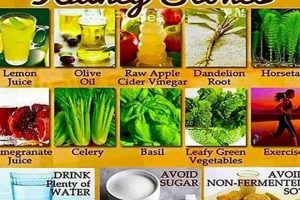
Approaches utilizing plants to modulate the body’s inflammatory response are a significant area of interest. These methods involve the application of botanical substances, often in the form of extracts or whole plant preparations, to alleviate symptoms associated with immune system activation. For instance, compounds derived from ginger have demonstrated the capacity to inhibit the production of certain inflammatory mediators.
The appeal of these botanical interventions stems from several factors, including a long history of traditional use and a perception, although not always substantiated, of reduced adverse effects compared to conventional pharmaceuticals. Throughout history, many cultures have relied on plants for their perceived ability to support overall well-being and manage various conditions. These traditions provide a rich body of knowledge, although scientific validation is often required to confirm efficacy and safety.
The following sections will delve into specific examples of plants commonly associated with anti-inflammatory properties, exploring their purported mechanisms of action and reviewing the available evidence supporting their use. Furthermore, the article will address critical considerations related to safety, dosage, and potential interactions with conventional medications, emphasizing the importance of consulting with qualified healthcare professionals before incorporating these approaches into a treatment regimen.
Guidance on Botanical Approaches to Inflammation
The following points offer important considerations when exploring the potential of plants to influence inflammatory processes within the body. This guidance underscores the need for diligent research, informed decision-making, and professional oversight when integrating these approaches into health management strategies.
Tip 1: Identify the Root Cause: Before initiating any plant-based regimen aimed at managing inflammation, determine the underlying cause. Chronic inflammation can be a symptom of various conditions, and targeting the root cause is paramount.
Tip 2: Conduct Thorough Research: Investigate the scientific literature pertaining to the specific plant or compound of interest. Focus on studies evaluating efficacy, safety, and potential interactions. Reputable databases, such as PubMed and Cochrane Library, are valuable resources.
Tip 3: Prioritize Quality and Sourcing: Opt for products from reputable suppliers who adhere to rigorous quality control standards. Look for certifications indicating third-party testing for purity, potency, and absence of contaminants.
Tip 4: Start with Low Doses: Initiate use with conservative dosages to assess individual tolerance and minimize the risk of adverse reactions. Gradual increases in dosage, if warranted, should be guided by experienced healthcare providers.
Tip 5: Monitor for Adverse Effects: Be vigilant in observing for any adverse reactions, such as allergic responses, digestive disturbances, or interactions with prescription medications. Discontinue use immediately if any concerning symptoms arise.
Tip 6: Consult with Healthcare Professionals: Engage in open communication with physicians, pharmacists, and qualified herbalists. These experts can provide individualized guidance, assess potential risks, and ensure the safe integration of these modalities into the overall treatment plan.
Tip 7: Recognize Limitations: Acknowledge that these botanical interventions may not be a substitute for conventional medical treatment, particularly in acute or severe cases. They may serve as a complementary approach, but should not replace established medical protocols without professional guidance.
Adherence to these guidelines can facilitate a more informed and responsible approach to exploring botanical options. Emphasis on evidence-based decision-making, quality control, and professional oversight is vital for maximizing potential benefits and minimizing potential risks.
The subsequent sections will offer deeper insights into specific plant-based substances and their documented effects on inflammatory pathways. It will also emphasize the crucial role of responsible use and knowledgeable guidance.
1. Efficacy Varies

The efficacy of plant-based approaches to modulate inflammation is not uniform. Variability stems from a confluence of factors, including the specific plant species, growing conditions, extraction methods, and the individual characteristics of the recipient. Consequently, reported outcomes range from substantial symptom relief to negligible effects, emphasizing the need for critical evaluation of evidence.
The active compounds within a given plant can vary considerably depending on environmental stressors, harvesting practices, and processing techniques. For example, two samples of ginger from different regions may exhibit significantly different concentrations of gingerol, a key constituent associated with anti-inflammatory action. Furthermore, individual factors, such as genetics, gut microbiome composition, and co-existing health conditions, can influence how a person responds to a botanical intervention. A study examining the effects of willow bark extract for back pain, for instance, may reveal significant benefits for some participants while others experience no improvement.
In light of this variability, it is incumbent upon practitioners and consumers alike to approach plant-based interventions with a discerning eye. The presence of anecdotal evidence or traditional use is not a substitute for rigorous scientific investigation. A clear understanding of the potential limitations and the need for personalized assessment is essential to avoid unrealistic expectations and ensure that these approaches are used safely and effectively. Future research should focus on identifying biomarkers that can predict individual responses to botanical interventions, thereby enabling a more tailored and evidence-based approach to inflammation management.
2. Safety profiles

The safety profiles associated with plant-based approaches to inflammation represent a critical consideration in their application. While perceived as natural, these substances are not inherently benign, and their use necessitates careful evaluation of potential risks and interactions.
- Dosage Dependency
The safety of many plants is dose-dependent, meaning that low to moderate doses may be well-tolerated, while higher doses can elicit adverse effects. For instance, licorice root, often cited for its anti-inflammatory properties, can lead to hypertension and electrolyte imbalances when consumed in excessive quantities or for prolonged periods. Understanding the appropriate dosage range is crucial for mitigating these risks.
- Potential for Allergies
Plant-derived substances can trigger allergic reactions in susceptible individuals. These reactions may range from mild skin irritation to severe anaphylaxis. Common allergenic plants include chamomile, arnica, and echinacea. Individuals with known allergies to related plants should exercise caution and perform a patch test before widespread use.
- Drug Interactions
Significant interactions can occur between herbal remedies and conventional pharmaceuticals. For example, St. John’s Wort, a known inducer of cytochrome P450 enzymes, can reduce the efficacy of various medications, including anticoagulants, oral contraceptives, and immunosuppressants. A thorough review of all medications is necessary to identify potential interactions.
- Contamination Risks
The quality and safety of herbal products can be compromised by contamination with heavy metals, pesticides, or adulterants. Sourcing from reputable suppliers who adhere to Good Manufacturing Practices (GMP) is essential to minimize these risks. Third-party testing for purity and potency provides an additional layer of assurance.
In summary, the safety profiles of plant-based approaches to inflammation are complex and multifaceted. Thorough research, careful consideration of individual risk factors, and consultation with qualified healthcare professionals are paramount to ensure their safe and effective use. The perception of “natural” does not equate to “safe,” and responsible application requires a comprehensive understanding of potential adverse effects and interactions.
3. Traditional use

The historical employment of plants to address inflammatory conditions represents a substantial body of knowledge. Traditional use provides insights into potential therapeutic applications, although scientific validation remains essential for establishing efficacy and safety.
- Cultural Specificity and Diversity
Traditional practices related to plant-based inflammation management vary significantly across cultures. For instance, Ayurvedic medicine in India has long employed turmeric (Curcuma longa) for its purported anti-inflammatory properties, while traditional Chinese medicine utilizes various herbal formulas containing ingredients like ginger (Zingiber officinale) and licorice (Glycyrrhiza glabra). This diversity underscores the need for considering cultural context when evaluating traditional uses.
- Empirical Observation and Knowledge Transmission
Traditional knowledge is often based on centuries of empirical observation and is transmitted through generations via oral tradition or written texts. This accumulated experience can provide valuable clues regarding plant efficacy and potential side effects. However, the absence of controlled studies in traditional systems necessitates rigorous scientific investigation to confirm these claims.
- Methods of Preparation and Administration
Traditional methods of preparing and administering herbal remedies can influence their bioavailability and therapeutic effects. Decoctions, infusions, poultices, and tinctures represent diverse approaches to extracting and delivering plant constituents. The specific method employed can impact the concentration of active compounds and their absorption into the body.
- Limitations and Potential Risks
Traditional use, while valuable, is not without limitations. The absence of standardized dosages, potential for misidentification of plant species, and the risk of contamination pose significant challenges. Furthermore, traditional practices may not adequately address potential drug interactions or contraindications, highlighting the importance of professional oversight.
While traditional use offers a rich source of information regarding plant-based approaches to inflammation, it is imperative to approach this knowledge with a critical and evidence-based perspective. Integrating traditional insights with modern scientific methods can facilitate the development of safe and effective therapies for managing inflammatory conditions.
4. Quality control

The efficacy and safety of plant-based approaches for addressing inflammation are inextricably linked to stringent quality control measures. Variations in plant species, growing conditions, harvesting techniques, and manufacturing processes can significantly influence the chemical composition and therapeutic properties of herbal products. Consequently, the absence of rigorous quality control jeopardizes the consistency, purity, and potency of plant-derived interventions, thereby compromising their effectiveness and potentially introducing safety risks.
Adulteration, contamination, and misidentification represent significant challenges in the herbal industry. Adulteration involves the deliberate substitution of authentic plant material with less expensive or inferior ingredients. Contamination can occur through exposure to pesticides, heavy metals, or microbial pathogens. Misidentification can lead to the use of incorrect plant species, resulting in ineffective or even harmful outcomes. For example, a product labeled as “turmeric” may contain significant amounts of lead, cadmium, or other heavy metals if proper quality control protocols are not implemented during sourcing and manufacturing. Similarly, an herbal supplement containing the wrong plant species might not possess the desired anti-inflammatory properties or, worse, contain toxic compounds. Standardized extraction processes, chromatographic analysis, and DNA barcoding are among the analytical techniques employed to ensure product identity, purity, and potency. GMP (Good Manufacturing Practices) certification further demonstrates adherence to established quality control standards.
In summary, quality control is not merely a procedural formality but a fundamental prerequisite for ensuring the safety and effectiveness of plant-based approaches to inflammation management. Robust quality control measures are essential to mitigate risks associated with adulteration, contamination, and misidentification. The implementation of standardized analytical techniques, adherence to GMP guidelines, and independent third-party testing contribute to the production of consistent, high-quality herbal products that can be used with greater confidence. Prioritizing quality control safeguards both consumer health and the integrity of plant-based medicine.
5. Interactions possible

The concurrent use of plant-based substances intended to mitigate inflammation and conventional medications introduces a significant risk of pharmacological interactions. These interactions, stemming from complex mechanisms such as altered drug metabolism or synergistic effects, can compromise treatment efficacy or elevate the likelihood of adverse events. The potential for these interactions necessitates careful evaluation and informed clinical decision-making.
One prominent example involves the combination of warfarin, an anticoagulant, and herbs containing coumarin derivatives, such as chamomile or sweet clover. The additive anticoagulant effects can increase the risk of bleeding complications. Similarly, individuals taking nonsteroidal anti-inflammatory drugs (NSAIDs) should exercise caution when using herbs that also possess anti-inflammatory properties, like ginger or turmeric, as this combination may increase the risk of gastrointestinal ulceration. Furthermore, some herbal remedies can affect hepatic enzymes responsible for drug metabolism, either inhibiting or inducing their activity, thereby altering drug levels in the body. St. John’s Wort, for instance, is a known inducer of cytochrome P450 enzymes and can reduce the effectiveness of numerous drugs, including oral contraceptives and immunosuppressants.
In conclusion, the possibility of interactions between plant-derived interventions and conventional drugs presents a significant clinical concern. A comprehensive medication history, including herbal supplements, is crucial for identifying potential risks. Healthcare providers should possess a thorough understanding of herb-drug interactions and advise patients accordingly. Further research is warranted to elucidate the mechanisms underlying these interactions and to develop evidence-based guidelines for their management, thus ensuring patient safety and optimal therapeutic outcomes.
Frequently Asked Questions About Plant-Based Approaches to Inflammation
This section addresses common inquiries regarding the application of plants for mitigating inflammation. The information presented is intended for educational purposes and should not be construed as medical advice. Consultation with a qualified healthcare professional is essential before initiating any new treatment regimen.
Question 1: Are plant-based remedies invariably safer than conventional anti-inflammatory medications?
The assumption that plant-based remedies are inherently safer is inaccurate. Plant-derived substances possess pharmacological activity and are capable of inducing adverse effects and interactions. Safety depends on factors such as dosage, individual sensitivity, product quality, and potential interactions with other medications. Rigorous evaluation and professional guidance are essential.
Question 2: Is it possible to use plant-based remedies as a sole treatment for chronic inflammatory conditions?
The suitability of plant-based remedies as a standalone treatment depends on the severity and nature of the inflammatory condition. In some cases, they may provide adequate symptom relief. However, for chronic or severe conditions, a combination of plant-based approaches and conventional medical treatments may be necessary. Decisions regarding treatment strategies should be made in consultation with a healthcare provider.
Question 3: How can one assess the quality and purity of plant-based products?
Assessing the quality and purity of plant-based products requires careful evaluation. Look for products from reputable suppliers that adhere to Good Manufacturing Practices (GMP). Third-party certifications and laboratory analyses can provide additional assurance of product quality and the absence of contaminants.
Question 4: What are the potential risks associated with combining plant-based remedies with conventional medications?
Combining plant-based remedies with conventional medications can increase the risk of drug interactions. Some herbs can affect the metabolism or absorption of prescription drugs, leading to decreased efficacy or increased toxicity. A comprehensive review of all medications, including herbal supplements, is essential to identify potential interactions and ensure patient safety.
Question 5: How long does it typically take to experience the benefits of plant-based anti-inflammatory remedies?
The time required to experience the benefits of plant-based anti-inflammatory remedies varies depending on individual factors, the specific plant used, and the severity of the condition. Some individuals may experience noticeable improvements within a few weeks, while others may require several months of consistent use. Patience and realistic expectations are essential.
Question 6: Is there scientific evidence to support the use of all plant-based remedies for inflammation?
The level of scientific evidence supporting the use of various plant-based remedies for inflammation varies significantly. While some plants, such as turmeric and ginger, have been extensively studied and demonstrate promising anti-inflammatory effects, others lack robust scientific validation. Critical evaluation of available research is essential before using any plant-based remedy.
The information provided in this FAQ section underscores the importance of approaching plant-based therapies with caution, critical evaluation, and professional guidance. While these approaches may offer potential benefits for managing inflammation, their use should be integrated thoughtfully into a comprehensive treatment plan.
The subsequent section will explore legal and regulatory aspects surrounding plant-based remedies, further contributing to a complete understanding of this field.
Conclusion
This exploration of inflammation herbal remedies has revealed a multifaceted landscape, encompassing both potential benefits and inherent challenges. While anecdotal evidence and traditional practices have long lauded the anti-inflammatory properties of various plants, the scientific validation of these claims remains an ongoing process. The variable efficacy, potential safety concerns, and the risk of interactions with conventional medications underscore the need for judicious use and professional guidance.
Moving forward, rigorous scientific investigation, standardized quality control measures, and open communication between patients and healthcare providers are crucial for optimizing the therapeutic potential of inflammation herbal remedies. A commitment to evidence-based decision-making and a cautious approach to self-treatment will be essential for ensuring patient safety and fostering responsible utilization of these plant-derived interventions.