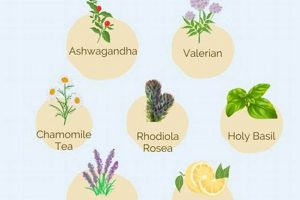
The use of plant-derived substances to address the symptoms of Attention-Deficit/Hyperactivity Disorder (ADHD) represents an alternative approach to conventional pharmaceutical interventions. This approach often involves utilizing specific herbs or botanical formulations believed to modulate neurotransmitter activity or improve cognitive function. For instance, practitioners may employ preparations of Bacopa monnieri to potentially enhance memory and focus in individuals diagnosed with ADHD.
Historically, various cultures have incorporated plant-based remedies into their traditional medical systems for managing conditions exhibiting characteristics similar to ADHD. The perceived benefits often include a potentially reduced risk of side effects compared to synthetic medications, coupled with a more holistic approach to wellness. This may encompass lifestyle modifications and dietary adjustments alongside the selected botanical interventions. The increasing interest stems from a desire for complementary or alternative strategies, particularly when conventional treatments yield unsatisfactory results or elicit adverse reactions.
This article will delve into the scientific evidence surrounding different botanical options, examining their purported mechanisms of action and potential efficacy. It will also address crucial aspects such as safety considerations, potential interactions with conventional medications, and the importance of consulting with qualified healthcare professionals before initiating any such regimen. Furthermore, it will explore the challenges associated with researching these interventions, including standardization of herbal preparations and methodological complexities in clinical trials.
Guidance on Complementary Botanical Approaches for Attention Regulation
The following points offer guidance when considering integrating botanical elements into an attention management strategy. These are intended as informational, not prescriptive, and should be carefully evaluated alongside expert medical advice.
Tip 1: Prioritize Professional Consultation: Before commencing any novel treatment regimen, a thorough evaluation by a qualified healthcare practitioner is paramount. This includes disclosing all existing medications and medical conditions to preclude potential adverse interactions.
Tip 2: Research Reputable Sources: Investigate botanical options through peer-reviewed studies and reputable scientific databases. Scrutinize claims made by manufacturers and prioritize evidence-based information over anecdotal endorsements.
Tip 3: Emphasize Ingredient Standardization: Select products that clearly specify the concentration of active compounds. Standardized extracts ensure consistency and reliability in dosage and therapeutic effect.
Tip 4: Initiate with Low Doses: When introducing a new botanical substance, begin with a conservative dosage, gradually increasing it while closely monitoring for any untoward effects. A slow titration process aids in identifying individual sensitivities.
Tip 5: Monitor for Therapeutic Efficacy: Maintain meticulous records of symptom changes and any associated side effects. Objective observation allows for an informed assessment of the intervention’s impact on attention and behavior.
Tip 6: Consider Synergistic Approaches: Explore the potential benefits of integrating botanical strategies with established behavioral therapies and lifestyle modifications. A multifaceted approach may yield more comprehensive outcomes.
Tip 7: Verify Product Quality: Ensure products undergo independent third-party testing for purity, potency, and contaminants. Certificates of analysis can provide verification of product quality and adherence to safety standards.
Diligent research and cautious implementation are essential when exploring alternative methods for attention modulation. Any integrated approach should be tailored to individual needs and continuously monitored under professional medical supervision.
The subsequent sections will further elaborate on specific botanical options and their associated considerations.
1. Efficacy Research

Efficacy research stands as a cornerstone in evaluating the merit of botanical interventions for managing ADHD. The assessment of effectiveness is not merely a desirable attribute, but a fundamental requirement for integrating any therapeutic approach into clinical practice.
- Rigorous Clinical Trials
Randomized, controlled trials (RCTs) constitute the gold standard for efficacy research. These trials compare the effects of herbal treatments against placebo or standard medications. The design necessitates clear inclusion and exclusion criteria for participants, standardized herbal preparations, and validated outcome measures to assess changes in ADHD symptoms. Trials with methodological weaknesses or small sample sizes offer limited evidentiary value.
- Objective Outcome Measures
Reliance on subjective reports alone is insufficient for determining efficacy. Objective measures, such as neuropsychological testing, continuous performance tests (CPTs), and behavioral observations, provide quantifiable data on attention, impulsivity, and hyperactivity. Combining subjective and objective assessments strengthens the overall validity of efficacy claims.
- Meta-Analysis and Systematic Reviews
Synthesizing data from multiple clinical trials through meta-analyses and systematic reviews offers a comprehensive overview of the available evidence. These analyses pool results from individual studies, increasing statistical power and allowing for the identification of trends and inconsistencies. However, the quality of meta-analyses depends heavily on the quality of the included studies.
- Long-Term Effects and Maintenance of Benefit
Efficacy research should extend beyond short-term symptom reduction to investigate the long-term effects and maintenance of benefit. Studies that track outcomes over months or years provide valuable information on the durability of treatment effects and potential for tolerance or adaptation. This is especially critical for chronic conditions such as ADHD.
The rigor of efficacy research directly influences the credibility of any botanical intervention for ADHD. Without robust scientific evidence, the therapeutic value remains uncertain, potentially exposing individuals to ineffective treatments or even adverse effects. Therefore, clinicians and consumers alike should prioritize interventions supported by well-designed and rigorously conducted efficacy research.
2. Safety Profiles

The safety profile of any intervention, particularly when considering alternatives like botanical remedies for ADHD, warrants meticulous scrutiny. Unlike synthetic pharmaceuticals, herbal treatments are often perceived as inherently safe due to their natural origin. However, this assumption can be misleading. The complexity of herbal constituents, variations in plant cultivation and processing, and potential interactions with conventional medications necessitate a rigorous evaluation of safety. Adverse effects, though potentially less frequent or severe than those associated with stimulant medications, can still occur. These may range from mild gastrointestinal upset to more serious allergic reactions or liver toxicity. A comprehensive understanding of the safety profile, therefore, is not merely a precautionary measure but a fundamental component of responsible clinical decision-making.
The impact of herbal remedies on children with ADHD is particularly salient due to their developing physiology and potential vulnerability to adverse effects. For instance, certain herbal preparations, if contaminated with heavy metals or adulterants, can pose a significant health risk. Furthermore, the lack of standardized dosing guidelines and limited pharmacokinetic data in pediatric populations underscore the need for caution. Parental vigilance and close monitoring by healthcare professionals are crucial when considering herbal interventions for children. Specific examples, such as cases of liver injury associated with certain herbal supplements, highlight the potential consequences of neglecting thorough safety assessments. Consequently, emphasizing the importance of certified, quality-controlled products becomes a practical necessity.
In summary, the safety profile represents an indispensable element in the responsible application of herbal treatments for ADHD. While anecdotal evidence may suggest benefits, a commitment to evidence-based practices necessitates a thorough understanding of potential risks. Challenges persist due to the inherent variability of herbal products and the limited availability of comprehensive safety data. Nevertheless, prioritizing safety through rigorous testing, informed decision-making, and close collaboration between patients, healthcare providers, and regulatory bodies remains paramount. This approach ensures that the pursuit of alternative treatments does not compromise the well-being of individuals seeking relief from ADHD symptoms.
3. Dosage Precision

Precise dosage constitutes a critical determinant of both the efficacy and safety of botanical interventions employed in addressing ADHD symptomatology. Unlike many conventional pharmaceuticals that offer refined, standardized dosages, herbal treatments frequently exhibit inherent variability in their bioactive compound concentrations. This variability stems from factors such as plant genetics, cultivation conditions, harvesting methods, and extraction processes. Consequently, achieving accurate and consistent dosing becomes a significant challenge. Insufficient dosages may lead to a lack of therapeutic effect, leaving ADHD symptoms unaddressed. Conversely, excessive dosages elevate the risk of adverse events, potentially exacerbating existing health concerns. The absence of precise dosage control can render herbal treatments unpredictable and potentially unsafe, underscoring the need for meticulous attention to this aspect.
The complexities surrounding dosage precision extend to the specific formulations utilized. Herbal products can exist in various forms, including teas, tinctures, capsules, and extracts. Each form presents distinct bioavailability and pharmacokinetic profiles, influencing the rate and extent of absorption, distribution, metabolism, and excretion of the active compounds. For instance, a standardized extract, which specifies the concentration of a particular bioactive constituent (e.g., bacosides in Bacopa monnieri), offers greater dosage control compared to a crude herbal powder. Furthermore, individual variations in metabolism, age, weight, and concurrent medications can significantly impact the appropriate dosage. Therefore, a standardized approach to dosage calculation, accounting for these individual factors, is crucial. A failure to precisely calibrate dosages can result in inconsistent therapeutic outcomes and heightened potential for adverse reactions, especially in vulnerable populations such as children.
In conclusion, dosage precision remains a paramount consideration in the responsible and effective implementation of herbal treatments for ADHD. The inherent variability in herbal preparations, coupled with individual physiological differences, necessitates a cautious and individualized approach to dosage determination. Prioritizing standardized extracts, consulting with qualified healthcare practitioners experienced in herbal medicine, and carefully monitoring for therapeutic effects and adverse reactions are essential steps in mitigating the risks associated with imprecise dosing. Future research focused on optimizing herbal formulations and establishing clear dosage guidelines will further enhance the safety and efficacy of these interventions. The link between dosage precision and treatment outcomes underscores the complexity of herbal medicine and the importance of a scientifically informed approach.
4. Interaction Potential

The interaction potential inherent in combining herbal remedies with conventional medications represents a critical concern when considering botanical approaches for Attention-Deficit/Hyperactivity Disorder (ADHD). This potential arises from the complex biochemical constituents present in herbal preparations, which may influence the pharmacokinetic and pharmacodynamic properties of prescription drugs.
- Cytochrome P450 Enzyme Modulation
Herbal constituents can either inhibit or induce cytochrome P450 (CYP) enzymes, a family of enzymes responsible for metabolizing a significant proportion of pharmaceuticals. For instance, St. John’s Wort, though not typically used directly for ADHD, is a potent inducer of CYP3A4, potentially reducing the plasma concentrations and effectiveness of medications like methylphenidate or atomoxetine. Conversely, other herbs may inhibit CYP enzymes, increasing the risk of adverse effects from co-administered drugs.
- Pharmacodynamic Synergism or Antagonism
Herbal remedies and conventional medications may exhibit synergistic or antagonistic effects on neurotransmitter systems. For example, combining an herbal product with serotonergic activity with a selective serotonin reuptake inhibitor (SSRI) could increase the risk of serotonin syndrome, a potentially life-threatening condition. Conversely, an herbal remedy with opposing effects could diminish the therapeutic benefits of a prescribed medication.
- Absorption Interference
Certain herbal substances, such as those containing high levels of tannins, can bind to medications in the gastrointestinal tract, reducing their absorption and bioavailability. This interaction can compromise the efficacy of conventional ADHD medications, requiring dosage adjustments or alternative treatment strategies.
- Additive Side Effects
The concurrent use of herbal remedies and conventional medications may increase the likelihood of experiencing additive side effects. For example, both stimulant medications and certain herbal preparations can elevate blood pressure or heart rate. Combining these could potentiate these effects, increasing the risk of cardiovascular complications.
These facets underscore the necessity of a thorough assessment of interaction potential when considering herbal treatments for ADHD alongside conventional pharmaceuticals. Healthcare providers must obtain a comprehensive medication history, including all herbal supplements, and exercise caution when recommending or prescribing such combinations. The absence of robust research on herbal-drug interactions necessitates a conservative approach, prioritizing patient safety and minimizing the risk of adverse events.
5. Regulation Oversight

Effective regulation oversight constitutes a pivotal component in ensuring the safety and efficacy of herbal treatments utilized for managing ADHD. The inherent variability in herbal product quality, arising from differences in plant sourcing, manufacturing processes, and the potential for adulteration, necessitates stringent regulatory frameworks to safeguard consumer health. Absence of adequate oversight can expose individuals to products that are either ineffective due to insufficient active compounds or, more alarmingly, harmful due to the presence of contaminants such as heavy metals, pesticides, or undeclared pharmaceuticals. This deficiency creates a precarious situation, potentially undermining the intended therapeutic benefits and posing significant health risks to individuals seeking relief from ADHD symptoms.
The impact of regulatory deficiencies can be illustrated through historical examples. Cases of herbal supplements containing undisclosed prescription medications, such as stimulants, have been documented, presenting severe health risks to unsuspecting consumers. Similarly, instances of liver damage and other adverse events linked to contaminated or misidentified herbal products underscore the critical role of rigorous testing and quality control measures. In jurisdictions with robust regulatory frameworks, such as those requiring Good Manufacturing Practices (GMP) certification and independent third-party testing, the likelihood of encountering substandard or adulterated products is significantly reduced. These frameworks ensure that manufacturers adhere to established standards for product purity, potency, and accurate labeling, thereby enhancing consumer confidence and minimizing potential harm. The practical significance of effective regulation oversight lies in its ability to create a level playing field for responsible manufacturers and to provide consumers with reliable information to make informed choices about their health.
In summary, regulation oversight is not merely an administrative formality but an essential safeguard that directly influences the safety and efficacy of herbal treatments for ADHD. By establishing and enforcing quality standards, promoting transparency in product labeling, and ensuring access to reliable information, regulatory agencies play a vital role in protecting consumers and fostering responsible practices within the herbal medicine industry. Challenges remain in harmonizing regulatory standards across different jurisdictions and addressing the ongoing issue of fraudulent or misleading marketing practices. However, continued efforts to strengthen regulation oversight are paramount in harnessing the potential benefits of herbal treatments while minimizing the associated risks, ensuring that individuals seeking alternative approaches to ADHD management can do so with confidence and safety.
Frequently Asked Questions about Herbal Treatment for ADHD
The following section addresses common queries regarding the use of botanical remedies for Attention-Deficit/Hyperactivity Disorder (ADHD). The information provided aims to offer clarity on pertinent aspects and inform responsible decision-making.
Question 1: Are herbal treatments a scientifically proven method for managing ADHD?
The scientific evidence supporting the efficacy of botanical interventions for ADHD remains limited and varies depending on the specific herb under consideration. Some studies suggest potential benefits, but more rigorous research, including large-scale, randomized controlled trials, is needed to establish definitive efficacy.
Question 2: Are herbal treatments safe for children diagnosed with ADHD?
The safety of herbal treatments for children with ADHD requires careful evaluation. Due to their developing physiology, children may be more susceptible to adverse effects. Consultation with a qualified healthcare professional experienced in pediatric herbal medicine is essential to assess potential risks and benefits.
Question 3: Can herbal treatments replace conventional ADHD medications?
Herbal treatments should not be considered a direct replacement for conventional ADHD medications without consulting a medical professional. The decision to transition from or supplement pharmaceutical interventions with herbal remedies must be based on a comprehensive assessment of individual needs and potential risks.
Question 4: What are the potential side effects of herbal treatments for ADHD?
Herbal treatments can elicit a range of side effects, depending on the specific herb and individual sensitivity. Common side effects may include gastrointestinal upset, allergic reactions, or interactions with other medications. It is imperative to monitor for any adverse effects and report them to a healthcare provider.
Question 5: How can the quality and purity of herbal products be ensured?
Ensuring the quality and purity of herbal products requires careful sourcing and selection. Look for products that have undergone third-party testing for contaminants and that are manufactured according to Good Manufacturing Practices (GMP) standards. Reputable manufacturers should provide certificates of analysis (COAs) verifying product quality.
Question 6: What type of healthcare professional should be consulted for guidance on herbal treatments for ADHD?
Guidance on herbal treatments for ADHD should be sought from a qualified healthcare professional with expertise in both ADHD and herbal medicine. This may include a medical doctor, naturopathic physician, or herbalist who is knowledgeable about the potential benefits and risks of botanical interventions.
These FAQs highlight the complexity surrounding the integration of botanical remedies in addressing ADHD. The need for rigorous scientific evidence, careful safety assessments, and professional guidance remains paramount.
The subsequent section will provide a concise summary of the article’s key findings and recommendations.
Conclusion
The exploration of herbal treatment for adhd reveals a landscape characterized by both potential and caution. While anecdotal reports and preliminary studies suggest benefits, definitive scientific evidence remains limited. Rigorous research is imperative to ascertain efficacy, establish safe dosage parameters, and comprehensively evaluate interaction potential with conventional medications. Furthermore, consistent regulation oversight is crucial to ensure product quality and protect consumers from substandard or adulterated herbal preparations.
Given the complexities and uncertainties surrounding herbal treatment for adhd, a collaborative approach is essential. Patients, healthcare providers, and regulatory bodies must engage in informed dialogue, prioritize evidence-based practices, and exercise vigilance in monitoring outcomes. Until more robust scientific data emerges, the integration of herbal remedies into ADHD management should proceed with caution and under the guidance of qualified healthcare professionals. The long-term benefits and risks associated with these interventions warrant continued investigation to inform future clinical guidelines and regulatory policies.