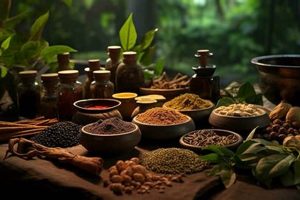
Solutions derived from botanical sources intended to alleviate the discomfort associated with gastric acid rising into the esophagus are considered a form of complementary medicine. These remedies often include the use of specific plants or plant extracts known for their potential soothing or acid-reducing properties. For example, ginger has been traditionally employed to reduce nausea and inflammation, which may indirectly aid in managing symptoms.
The significance of exploring plant-based options lies in their accessibility and perceived gentler impact compared to some pharmaceutical interventions. Throughout history, various cultures have relied on natural pharmacopoeia for managing digestive ailments. The appeal stems from the belief that these options offer a holistic approach, addressing not just the symptoms but also potentially the underlying causes of the condition.
The subsequent discussion will delve into particular botanical agents commonly used for ameliorating the symptoms. Furthermore, it will examine the scientific evidence supporting their effectiveness, and highlight potential risks and considerations when incorporating these agents into a health management regimen.
Guidance on Botanical Remedies for Gastric Reflux
The following recommendations offer practical considerations when exploring plant-derived options to manage acid reflux symptoms. It is essential to consult with a healthcare provider prior to initiating any new regimen, especially if currently taking medication or have pre-existing health conditions.
Tip 1: Identify Trigger Foods: Prioritize identifying and avoiding foods known to exacerbate symptoms. Common triggers include spicy foods, citrus fruits, tomatoes, caffeine, chocolate, and alcohol. Keeping a food diary can aid in pinpointing specific dietary culprits.
Tip 2: Employ Ginger Strategically: Ginger, possessing anti-inflammatory properties, may provide relief. Consume small amounts of fresh ginger or ginger tea approximately 30 minutes before meals. However, excessive intake may, paradoxically, aggravate symptoms in some individuals.
Tip 3: Consider Slippery Elm: Slippery elm bark, available in lozenge or powder form, can coat and soothe the esophagus. Take slippery elm preparations separately from other medications to avoid interference with absorption.
Tip 4: Evaluate Chamomile Tea: Chamomile possesses calming properties that may indirectly aid digestion and reduce stress, a potential reflux trigger. Consume chamomile tea between meals, ensuring it does not interfere with prescribed medications.
Tip 5: Explore Deglycyrrhizinated Licorice (DGL): DGL, a form of licorice with glycyrrhizin removed to minimize potential side effects, may help protect the stomach lining. Chew DGL tablets before meals.
Tip 6: Practice Proper Posture: Avoid lying down immediately after eating. Maintain an upright posture for at least three hours to minimize reflux episodes.
Tip 7: Elevate the Head of the Bed: Elevating the head of the bed by 6-8 inches can reduce nocturnal reflux by preventing stomach acid from flowing upward. Use bed risers or a wedge pillow for optimal elevation.
Botanical interventions can offer supplemental support in managing reflux symptoms when combined with dietary and lifestyle modifications. Consistent adherence to these guidelines, under the supervision of a qualified healthcare professional, is paramount for achieving optimal results.
The subsequent section will address precautions and potential contraindications associated with specific botanical agents, emphasizing the importance of informed decision-making.
1. Botanical Identification

Botanical identification forms the bedrock of safe and effective application within the realm of plant-based solutions for gastric reflux. The accurate determination of the plant species utilized is paramount, directly influencing both the therapeutic benefit and the avoidance of potential adverse reactions.
- Species Confirmation
Precise identification ensures that the intended plant, possessing the desired chemical constituents, is actually being used. Misidentification can lead to the use of inactive or, more seriously, toxic species. For example, incorrectly substituting foxglove (Digitalis purpurea) for a seemingly similar, yet benign, herb could have severe cardiovascular consequences.
- Chemotype Variation
Even within a single plant species, the chemical composition, or chemotype, can vary significantly based on geographical location, growing conditions, and genetic factors. This variation directly impacts the potency and efficacy of the derived treatment. Consider chamomile; different chemotypes may exhibit varying concentrations of active compounds like bisabolol, affecting its anti-inflammatory potential.
- Adulteration Detection
Commercial herbal products are susceptible to adulteration, where lower-quality or entirely different plant materials are added to increase profit margins or compensate for supply shortages. Accurate botanical identification, often through macroscopic and microscopic analysis or chemical fingerprinting, is crucial for detecting such adulteration and ensuring product integrity.
- Standardized Nomenclature
The use of standardized botanical nomenclature (e.g., Latin binomial names) is essential for unambiguous communication regarding specific plant species. This avoids confusion arising from the use of common names, which can vary regionally and apply to multiple different plants. Using Matricaria chamomilla instead of simply “chamomile” ensures clarity and consistency across research, manufacturing, and clinical practice.
The confluence of these facets underscores the critical nature of botanical identification in safeguarding the safe and effective employment of plant-based strategies for managing acid reflux. Neglecting this fundamental aspect can compromise therapeutic outcomes and potentially jeopardize patient health.
2. Mechanism of Action

The efficacy of plant-derived treatments for acid reflux hinges on understanding their specific mechanisms of action. Without elucidating how a particular botanical agent interacts with the gastrointestinal system, its application remains largely empirical, lacking a sound scientific basis. Acid reflux, characterized by the backflow of gastric contents into the esophagus, is influenced by factors such as lower esophageal sphincter (LES) dysfunction, delayed gastric emptying, and excessive acid production. Consequently, potential botanical interventions may target one or more of these mechanisms.
For example, ginger has been proposed to exert its effects through accelerating gastric emptying and reducing inflammation. Components within ginger may stimulate motility in the stomach, facilitating the quicker passage of contents into the small intestine, thereby lessening the pressure gradient that can contribute to reflux. Slippery elm, conversely, forms a mucilaginous coating that can protect the esophageal lining from the damaging effects of stomach acid. This protective layer serves as a physical barrier, reducing irritation and promoting healing. Understanding these distinct mechanisms allows for a more rational selection of botanical agents, tailoring the intervention to the specific underlying pathophysiology of the individual’s reflux.
In summary, deciphering the mechanism of action is not merely an academic exercise but a critical component of applying plant-based treatments for acid reflux effectively. By understanding how a particular herb interacts with the digestive system, healthcare professionals can make more informed recommendations, potentially improving patient outcomes while minimizing the risk of adverse effects. Furthermore, this mechanistic understanding fosters further research, guiding the development of novel and targeted botanical interventions.
3. Dosage Considerations

Dosage within plant-derived interventions for gastric reflux necessitates meticulous attention due to the inherent variability in active compound concentrations found in botanical sources. Unlike synthesized pharmaceuticals where precise dosages are readily attainable, plant-based treatments often exhibit variations contingent upon factors such as plant provenance, harvesting techniques, and extraction methods. Exceeding recommended dosages may instigate adverse reactions, potentially exacerbating the very symptoms intended for mitigation. Conversely, insufficient dosages may render the treatment ineffective, leading to a continuation of discomfort and a perceived lack of efficacy. For instance, while ginger is often recommended for reducing nausea associated with reflux, excessive consumption can, paradoxically, worsen heartburn symptoms due to its potential stimulation of gastric acid secretion.
The establishment of appropriate dosages for herbal interventions requires a nuanced understanding of individual patient factors. Body weight, age, existing medical conditions, and concurrent medication usage can all influence how an individual responds to a particular botanical agent. Furthermore, the method of administration whether in the form of teas, capsules, tinctures, or standardized extracts significantly impacts bioavailability and, consequently, the effective dose. Deglycyrrhizinated licorice (DGL), a common remedy for soothing the esophageal lining, demonstrates this point clearly; chewed tablets allow for direct contact with the affected area, potentially providing more immediate relief than swallowed capsules, necessitating adjustments in dosage to account for this difference in delivery.
Ultimately, the determination of appropriate dosage within a regimen for gastric reflux necessitates a collaborative approach between the patient and a knowledgeable healthcare provider. Precise record-keeping of symptoms, dosages, and any observed side effects is crucial for fine-tuning the treatment plan and optimizing outcomes. The inherent complexity surrounding dosage considerations underscores the importance of proceeding with caution and seeking professional guidance to ensure both the safety and efficacy of plant-derived interventions. This approach minimizes the potential for adverse events while maximizing the therapeutic benefits offered by these remedies.
4. Potential Interactions

The realm of plant-based treatments for gastric reflux mandates diligent consideration of potential interactions with both pharmaceutical medications and other botanical agents. This is crucial due to the capacity of certain herbs to either enhance or diminish the efficacy, or amplify the toxicity, of concurrently administered substances. The ramifications of overlooking these interactions can range from therapeutic failure to severe adverse health consequences.
Specific examples underscore the clinical significance of this issue. St. John’s Wort, sometimes employed for its mood-regulating properties, is a potent inducer of cytochrome P450 enzymes, which are responsible for metabolizing a wide array of drugs, including proton pump inhibitors (PPIs) frequently prescribed for acid reflux. The concomitant use of St. John’s Wort and PPIs may result in reduced PPI plasma concentrations, thereby diminishing their acid-suppressing effects and potentially leading to a resurgence of reflux symptoms. Similarly, licorice, often utilized for its anti-inflammatory and demulcent properties, contains glycyrrhizin, a compound capable of inducing pseudoaldosteronism, characterized by sodium retention, potassium depletion, and elevated blood pressure. The concurrent use of licorice and antihypertensive medications may compromise the efficacy of the latter, complicating blood pressure management. Furthermore, certain herbs, such as garlic, ginger, and ginkgo biloba, possess anticoagulant properties. Their combined use with anticoagulant medications, such as warfarin or aspirin, may potentiate the risk of bleeding complications.
Given the complexity of potential interactions, individuals contemplating or currently using botanical treatments for acid reflux must disclose all concurrent medications and supplements to their healthcare provider. Comprehensive assessment of potential drug-herb and herb-herb interactions, utilizing established databases and resources, is essential. Vigilant monitoring for adverse effects and adjustment of dosages, as warranted, are paramount to ensuring the safe and effective integration of botanical interventions into a holistic treatment approach. The proactive identification and mitigation of potential interactions serve as a cornerstone of responsible and patient-centered care.
5. Symptom Management

Effective symptom management is the primary objective for individuals seeking plant-based solutions for gastric reflux. The alleviation of discomfort, reduction in the frequency of reflux episodes, and improvement in overall quality of life serve as key indicators of success. Botanical interventions, therefore, are often evaluated based on their capacity to address specific reflux symptoms.
- Heartburn Mitigation
Heartburn, characterized by a burning sensation in the chest, is a prevalent symptom of gastric reflux. Certain herbs, such as chamomile and licorice, may possess anti-inflammatory and demulcent properties that soothe the esophageal lining, thereby reducing the intensity of heartburn. The effectiveness of these treatments varies, with some individuals experiencing significant relief while others find them less beneficial. Lifestyle modifications, such as avoiding trigger foods and elevating the head of the bed, frequently complement the use of botanical agents in managing heartburn.
- Regurgitation Control
Regurgitation, the involuntary backflow of stomach contents into the mouth or throat, is another common manifestation of reflux. While botanical agents may not directly strengthen the lower esophageal sphincter (LES), some, like ginger, are believed to promote gastric emptying, potentially reducing the volume of stomach contents available for regurgitation. The efficacy of ginger in controlling regurgitation requires further investigation, and dietary adjustments often play a more significant role in managing this symptom.
- Dyspepsia Relief
Dyspepsia, encompassing symptoms such as bloating, nausea, and upper abdominal discomfort, frequently accompanies gastric reflux. Certain herbs, including peppermint and fennel, have demonstrated carminative properties, which may alleviate bloating and promote the expulsion of gas. However, peppermint can, paradoxically, relax the LES in some individuals, potentially exacerbating reflux. The judicious use of carminative herbs, therefore, requires careful consideration of individual responses.
- Sleep Disturbance Reduction
Nocturnal reflux, occurring during sleep, can disrupt sleep patterns and contribute to fatigue. Elevating the head of the bed is a widely recommended strategy for minimizing nighttime reflux episodes. Certain herbs, such as valerian root and chamomile, may possess sedative properties that promote relaxation and improve sleep quality, indirectly addressing the impact of reflux on sleep. The use of sedative herbs should be approached with caution, particularly in individuals taking other medications that cause drowsiness.
The integration of botanical agents into a symptom management plan for gastric reflux necessitates a comprehensive understanding of individual symptoms, potential herb-drug interactions, and the variability in treatment responses. Careful monitoring of symptoms and open communication with a healthcare provider are essential for optimizing outcomes and ensuring patient safety. The effectiveness of symptom management is related on botanical agents require careful consideration of individual symptoms, potential herb-drug interactions, and the variability in treatment responses.
6. Long-Term Efficacy

The sustained effectiveness of plant-based solutions for gastric reflux represents a critical, yet often under-investigated, aspect of their therapeutic potential. While short-term symptom relief may be readily achievable with certain botanical agents, the maintenance of this relief over extended periods requires careful consideration of several factors.
- Adaptogenic Effects and Tolerance
Prolonged usage of some herbs may lead to the development of tolerance, diminishing their initial therapeutic effects. Adaptogenic herbs, theoretically designed to modulate physiological processes, may not consistently deliver the same benefits over time, necessitating dosage adjustments or cycling of different remedies. For instance, the continuous use of certain anti-inflammatory herbs may result in reduced sensitivity, requiring intermittent breaks or the incorporation of alternative strategies to maintain efficacy.
- Underlying Pathophysiology and Disease Progression
The long-term efficacy of herbal treatments may be influenced by the underlying pathophysiology of reflux disease. If the root cause of the reflux, such as hiatal hernia or LES dysfunction, is not addressed, botanical agents may only provide temporary symptomatic relief, with the condition potentially worsening over time. In such cases, the focus should shift towards addressing the underlying anatomical or physiological abnormalities, possibly involving lifestyle changes, medical interventions, or surgical correction.
- Maintenance of Lifestyle Modifications
The success of herbal treatments in the long term is inextricably linked to the consistent maintenance of lifestyle modifications. Dietary adjustments, weight management, and avoidance of trigger foods are essential components of a comprehensive reflux management plan. If these lifestyle changes are abandoned, the benefits of herbal remedies are likely to diminish, leading to a recurrence of symptoms.
- Gut Microbiome Modulation
Emerging research suggests a potential role for the gut microbiome in influencing reflux symptoms. Certain herbs may exert prebiotic effects, modulating the composition and function of the gut microbiota. The long-term efficacy of these herbs may depend on their sustained impact on the gut microbiome and its subsequent influence on inflammation, gastric motility, and acid production. Further investigation is needed to fully elucidate the relationship between herbal treatments, the gut microbiome, and long-term reflux control.
The achievement of sustained symptom control in gastric reflux through plant-based interventions necessitates a holistic approach, encompassing not only the selection of appropriate botanical agents but also the concurrent implementation of lifestyle modifications and a comprehensive understanding of the underlying pathophysiology. Long-term efficacy should be rigorously evaluated through well-designed clinical trials, assessing both symptomatic relief and objective measures of esophageal health.
7. Quality Assurance

Quality assurance constitutes a critical aspect of utilizing plant-derived remedies for gastric reflux, ensuring product safety, efficacy, and consistency. The inherent variability in botanical sources necessitates stringent quality control measures throughout the production process to mitigate potential risks and optimize therapeutic outcomes.
- Botanical Authentication and Identification
Accurate identification of the plant species employed is paramount. This involves macroscopic and microscopic analysis, as well as chemical fingerprinting techniques, to verify that the correct botanical material is being used. Misidentification can lead to the inclusion of inactive or even toxic plant species. For instance, substituting Hypericum perforatum (St. John’s Wort) with a similar-looking, yet less effective, species would compromise the product’s intended therapeutic effect.
- Purity and Contaminant Testing
Herbal products must be rigorously tested for the presence of contaminants, including heavy metals (e.g., lead, mercury, arsenic), pesticides, and microbial pathogens. These contaminants can pose significant health risks, particularly with long-term use. Stringent testing protocols, adhering to established regulatory guidelines, are essential to ensure product purity and consumer safety. Failure to adequately test for aflatoxins, for example, could expose consumers to carcinogenic compounds.
- Standardization of Active Constituents
Standardization involves quantifying the levels of specific bioactive compounds known to contribute to the therapeutic effect of the herb. This ensures batch-to-batch consistency and allows for more precise dosage recommendations. For example, a ginger extract standardized to a specific gingerol content provides greater assurance of consistent efficacy in alleviating nausea associated with reflux compared to a non-standardized product.
- Good Manufacturing Practices (GMP) Compliance
Adherence to GMP guidelines ensures that herbal products are manufactured under controlled conditions, minimizing the risk of contamination, adulteration, and variability. GMP compliance encompasses all aspects of the manufacturing process, from raw material sourcing to packaging and labeling. Certification by reputable organizations demonstrates a commitment to quality and provides consumers with added assurance.
The interplay of these facets within a robust quality assurance framework directly influences the safety and effectiveness of plant-derived interventions for gastric reflux. Consumers are advised to seek products from reputable manufacturers that prioritize quality control and provide transparent information regarding sourcing, testing, and standardization. This approach mitigates potential risks and maximizes the likelihood of achieving desired therapeutic outcomes.
Frequently Asked Questions
The following questions address common inquiries and concerns regarding the use of plant-derived interventions for managing symptoms associated with gastric reflux. The information presented herein is intended for educational purposes and should not substitute consultation with a qualified healthcare professional.
Question 1: Are botanical remedies a substitute for conventional medical treatment for acid reflux?
Botanical remedies may offer symptomatic relief, but are generally not a replacement for prescription medications or medical interventions, particularly in cases of severe or persistent reflux disease. A comprehensive treatment plan should be developed in consultation with a healthcare provider.
Question 2: How long does it typically take to experience relief from botanical treatments?
The timeframe for experiencing symptom relief can vary depending on the individual, the severity of the condition, and the specific botanical agent utilized. Some individuals may notice improvement within a few days, while others may require several weeks to experience noticeable benefits. Consistent adherence to the prescribed regimen is essential.
Question 3: Are there specific botanical treatments that are contraindicated for individuals with certain medical conditions?
Yes. Certain botanical agents may be contraindicated for individuals with pre-existing medical conditions such as kidney disease, liver disease, or cardiovascular disorders. For example, licorice root may elevate blood pressure and should be avoided by individuals with hypertension. It is crucial to disclose all medical conditions to a healthcare provider prior to initiating any herbal treatment.
Question 4: How can one ensure the quality and purity of herbal products?
Select products from reputable manufacturers that adhere to Good Manufacturing Practices (GMP) and provide third-party testing results for purity and potency. Look for standardized extracts, which ensure consistent levels of active compounds. Avoid products with vague labeling or unsubstantiated claims.
Question 5: Are there potential side effects associated with botanical treatments for acid reflux?
Yes, botanical treatments, like any therapeutic intervention, can be associated with potential side effects. These may include allergic reactions, gastrointestinal upset, or interactions with prescription medications. Start with low doses and monitor for any adverse effects. Discontinue use and consult with a healthcare provider if any concerning symptoms arise.
Question 6: Can botanical treatments interact with prescription medications used to manage acid reflux?
Yes, certain botanical agents can interact with medications used to manage acid reflux, potentially altering their efficacy or increasing the risk of side effects. For example, St. John’s Wort can reduce the effectiveness of proton pump inhibitors (PPIs). Always inform a healthcare provider of all medications and supplements being taken to avoid potential interactions.
The information presented in this FAQ section highlights the importance of informed decision-making and professional guidance when considering plant-derived options for managing acid reflux. The variability in individual responses and the potential for interactions necessitate a cautious and personalized approach.
The subsequent section will provide a summary of key takeaways and actionable recommendations for those considering botanical interventions for acid reflux management.
Conclusion
The preceding discussion has explored the use of botanical agents in managing symptoms associated with gastric reflux. Key aspects examined include botanical identification, mechanisms of action, dosage considerations, potential interactions, symptom management strategies, long-term efficacy, and quality assurance measures. Each of these elements contributes to the overall safety and effectiveness of plant-derived interventions.
The informed application of plant-based solutions requires careful consideration of individual patient factors, potential herb-drug interactions, and the variability in treatment responses. A collaborative approach between patients and healthcare providers is paramount to ensure optimal outcomes and minimize potential risks. Ongoing research is essential to further elucidate the mechanisms of action and long-term efficacy of botanical agents in the management of gastric reflux, ultimately refining their role within a comprehensive treatment paradigm.