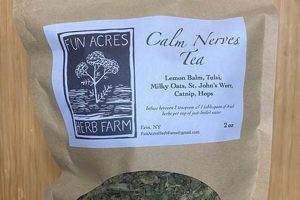
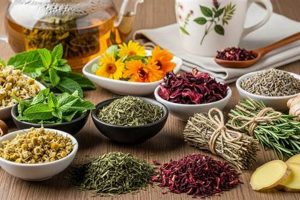
Infusions prepared from various plants have been traditionally consumed for their potential to support renal function. These beverages, derived from herbs, roots, flowers, and other botanical elements, are considered by some to offer a natural approach to maintaining the well-being of the urinary system. For example, infusions of dandelion or nettle have been cited in traditional practices related to fluid balance.
The historical consumption of plant-based infusions suggests a long-standing interest in their potential physiological effects. The perceived benefits often revolve around promoting healthy hydration and supporting the natural processes of the kidneys. Such practices are rooted in traditional medicine systems and anecdotal evidence that highlights the potential for these botanical preparations to contribute to overall wellness.
The following sections will explore specific botanical infusions traditionally associated with kidney support, examining available information and potential considerations for their use. These discussions aim to provide a factual overview to inform a better understanding of this subject.
Guidance on Utilizing Botanical Infusions for Renal Support
The following guidelines provide information regarding the selection and consumption of botanical infusions for individuals seeking to support kidney health. Considerations should be made in consultation with a qualified healthcare professional.
Tip 1: Prioritize Purity and Quality: When selecting dried herbs or pre-packaged infusions, ensure products are sourced from reputable suppliers with stringent quality control measures. Contamination with pesticides or heavy metals can negate potential benefits and pose risks.
Tip 2: Monitor Hydration Levels: While specific infusions may offer potential renal support, maintaining adequate hydration with water remains paramount. Track daily fluid intake to ensure sufficient urine output.
Tip 3: Be Aware of Potential Interactions: Certain herbs may interact with prescription medications or exacerbate pre-existing medical conditions. Consult with a healthcare provider or pharmacist before introducing new botanical infusions into the diet, especially if taking diuretics or medications affecting kidney function.
Tip 4: Start with Moderation: When introducing a new infusion, begin with a small amount to assess individual tolerance. Observe for any adverse reactions such as digestive upset, skin irritation, or changes in urine frequency and appearance.
Tip 5: Choose Herbs Thought to Support Kidney Function: Infusions containing herbs such as dandelion leaf, nettle leaf, parsley, and ginger have traditionally been used for kidney support. Research each herb to understand potential benefits and risks.
Tip 6: Practice Proper Brewing Techniques: Adhere to recommended brewing times and temperatures to maximize the extraction of beneficial compounds while minimizing the release of undesirable substances. Over-steeping can result in bitter or astringent flavors.
Tip 7: Maintain a Balanced Diet: The consumption of botanical infusions should complement a healthy dietary pattern rich in fruits, vegetables, and whole grains. Limit processed foods, excessive salt intake, and sugary beverages.
These tips offer guidelines for incorporating selected botanical infusions into a routine aimed at supporting renal function. However, they are not a substitute for professional medical advice or treatment.
The subsequent sections will delve further into the considerations surrounding specific botanical ingredients and their potential contribution to kidney health maintenance.
1. Hydration

Adequate hydration is fundamentally linked to renal health, and the consumption of infusions plays a role in maintaining fluid balance. The kidneys rely on sufficient fluid intake to filter waste products from the blood and produce urine. Dehydration can lead to concentrated urine, potentially increasing the risk of kidney stone formation and placing additional strain on renal function. Infusions, composed primarily of water, contribute to overall fluid intake, promoting healthy urine output. For example, individuals who find plain water unpalatable may find infusions a more appealing and sustainable way to increase their daily fluid consumption.
However, the hydrating effect of infusions must be considered in conjunction with their specific botanical properties. Some herbs possess diuretic effects, which can paradoxically increase fluid loss. While this may be beneficial in certain situations, such as managing edema, it is crucial to ensure that fluid intake adequately compensates for any increased urine output. Furthermore, individuals with pre-existing kidney conditions should consult with a healthcare provider to determine the appropriate level of fluid intake and the suitability of specific infusions.
In summary, infusions can contribute to overall hydration, supporting kidney function by facilitating waste removal. However, it is essential to balance the hydrating benefits with the potential diuretic effects of specific herbs and to consider individual health conditions. Prioritizing water as the primary source of hydration remains paramount, with infusions serving as a supplementary means to enhance fluid intake and potentially introduce beneficial botanical compounds.
2. Botanical Properties

The inherent characteristics of plants forming the basis of kidney-supportive infusions dictate their potential effects on renal physiology. The chemical composition of these botanicals determines their influence on processes such as diuresis, inflammation, and antioxidant activity within the urinary system. For example, the presence of compounds like flavonoids and phenolic acids in certain herbs is linked to antioxidant properties, which may mitigate oxidative stress, a contributing factor to kidney damage. Understanding these properties is critical, as it allows for informed selection of botanical ingredients intended to promote kidney health.
Infusions containing substances with diuretic properties, such as dandelion or parsley, can increase urine production, aiding in the removal of waste products and potentially reducing the risk of kidney stone formation. However, the same diuretic effect might be contraindicated for individuals with certain pre-existing conditions, like severe dehydration or electrolyte imbalances. Therefore, knowledge of the botanical properties and their potential physiological effects is paramount in preventing adverse outcomes. Furthermore, certain plant compounds may possess anti-inflammatory properties, potentially alleviating inflammation within the kidneys, another potential factor in kidney disorders.
In conclusion, the botanical properties of infusion ingredients are the primary drivers of their potential benefits or risks in relation to renal health. A comprehensive understanding of these properties, coupled with awareness of individual health status, is essential for the safe and effective utilization of plant-based infusions for kidney support. Failure to consider these factors can lead to unintended consequences, underscoring the need for informed decision-making and consultation with qualified healthcare professionals.
3. Renal Support

The perceived connection between plant-based infusions and renal support stems from the historical use of certain herbs believed to promote kidney function. This connection posits that specific botanical compounds within these infusions possess properties capable of aiding the kidneys in their filtration and excretory roles. For example, infusions containing dandelion or parsley are traditionally associated with diuretic effects, purportedly assisting in the removal of waste products and excess fluids from the body. Renal support, in this context, refers to actions taken to maintain or improve the functional capacity of the kidneys, thus preventing or mitigating kidney-related ailments.
However, the efficacy of plant-based infusions in providing tangible renal support remains a subject of ongoing scientific investigation. While anecdotal evidence and traditional practices suggest potential benefits, rigorous clinical trials are needed to validate these claims. It is important to acknowledge that plant-based infusions should not be considered a substitute for conventional medical treatments for diagnosed kidney conditions. Instead, they might be viewed as a complementary approach, used in conjunction with, and under the guidance of, qualified healthcare professionals. The practical significance of understanding this connection lies in the ability to make informed decisions regarding the consumption of plant-based infusions, weighing potential benefits against potential risks, and ensuring that such practices align with established medical protocols.
In summary, the link between plant-based infusions and renal support is rooted in traditional practices and the presumed properties of specific herbs. While these infusions may contribute to hydration and potentially offer mild diuretic effects, robust scientific evidence supporting their definitive renal support capabilities is limited. Individuals seeking to incorporate plant-based infusions into their health regimen should exercise caution, prioritize consultation with healthcare providers, and recognize these infusions as a potential complement to, rather than a replacement for, conventional medical care.
4. Quality Sourcing

The origin and processing of herbs used in renal-supportive infusions are critical determinants of their safety and efficacy. Quality sourcing, therefore, constitutes a fundamental aspect of responsible consumption and potential benefit. The integrity of the final product is intrinsically linked to the practices employed throughout the supply chain, from cultivation to packaging.
- Pesticide and Herbicide Contamination
Herbs grown with pesticides or herbicides risk containing residues that can negatively impact kidney function. These chemicals, designed to control pests and weeds, can accumulate in the plant tissue and, upon consumption, place an additional burden on the kidneys as they attempt to filter these substances. Certified organic sourcing mitigates this risk, ensuring cultivation methods exclude synthetic chemicals.
- Heavy Metal Accumulation
Plants grown in soils contaminated with heavy metals, such as lead, cadmium, or arsenic, can absorb these elements. These heavy metals are nephrotoxic, meaning they can damage the kidneys. Quality sourcing involves soil testing to verify the absence of concerning levels of heavy metals, ensuring the herbs are safe for consumption.
- Misidentification and Adulteration
The herbal market is susceptible to misidentification, where one plant species is mistakenly sold as another. Adulteration, the intentional mixing of inferior or unrelated plant materials, is also a concern. Reputable suppliers employ rigorous identification protocols, including botanical authentication and chemical analysis, to guarantee product authenticity.
- Processing and Storage Practices
Improper drying, storage, and handling can lead to mold growth or degradation of active compounds. Quality sourcing encompasses adherence to Good Manufacturing Practices (GMP), which ensures proper hygiene, controlled drying conditions, and appropriate packaging to maintain the potency and purity of the herbs.
The convergence of these facets underscores the importance of prioritizing quality sourcing when considering infusions for kidney health. The potential benefits of these infusions are contingent upon the absence of harmful contaminants and the accurate identification of the intended botanical ingredients. Choosing reputable suppliers who prioritize quality control is essential for minimizing risks and maximizing the potential for safe and effective use.
5. Potential Interactions
The confluence of botanical constituents within herbal infusions and concurrently administered pharmaceuticals can engender unintended pharmacological consequences. Individuals managing kidney-related ailments, often through prescribed medication, must exercise caution regarding the co-administration of herbal infusions due to the potential for adverse interactions. These interactions may manifest as altered drug metabolism, compromised therapeutic efficacy, or exacerbated side effects, ultimately impacting patient safety and treatment outcomes. For example, an infusion containing licorice root, known to affect electrolyte balance and blood pressure, could negate the effects of antihypertensive medications or exacerbate edema in individuals with renal insufficiency. The recognition and mitigation of these potential interactions are crucial components of responsible healthcare practices.
The mechanisms underlying herbal-drug interactions are diverse, involving alterations in absorption, distribution, metabolism, and excretion (ADME) of pharmaceutical agents. Certain herbal constituents can inhibit or induce cytochrome P450 enzymes, a family of enzymes responsible for metabolizing numerous drugs. This alteration in enzymatic activity can lead to either elevated or diminished drug concentrations in the bloodstream, potentially resulting in toxicity or therapeutic failure. Similarly, some herbs may affect renal clearance mechanisms, either enhancing or impeding the elimination of drugs through the kidneys. Individuals taking medications such as diuretics, ACE inhibitors, or angiotensin receptor blockers must be particularly vigilant regarding the consumption of herbal infusions, as additive or antagonistic effects on electrolyte balance and blood pressure could occur.
In conclusion, the potential for interactions between herbal infusions and medications constitutes a significant consideration for individuals seeking to support kidney health. These interactions can compromise the efficacy of prescribed treatments, exacerbate existing conditions, or lead to unforeseen adverse events. Prior to incorporating any herbal infusion into their regimen, individuals should consult with a qualified healthcare professional to assess potential risks, review medication profiles, and ensure that such practices align with established therapeutic protocols. The responsible use of herbal infusions necessitates a comprehensive understanding of potential interactions and a commitment to informed decision-making.
6. Individual Tolerance

The concept of individual tolerance is paramount when considering the consumption of plant-based infusions, particularly in the context of kidney health. Physiological responses to botanical substances vary significantly among individuals, influenced by factors such as genetics, pre-existing health conditions, and concurrent medication use. Consequently, a substance that is well-tolerated by one individual may elicit adverse reactions in another. This variability underscores the necessity for a cautious and personalized approach to the utilization of these infusions.
- Gastrointestinal Sensitivity
Certain botanical compounds can irritate the gastrointestinal tract, leading to symptoms such as nausea, cramping, or diarrhea. Individuals with pre-existing digestive disorders, such as irritable bowel syndrome (IBS), may be particularly susceptible to these effects. For example, infusions containing senna or cascara, known for their laxative properties, can exacerbate gastrointestinal distress in sensitive individuals. Gradual introduction and careful monitoring are essential to assess tolerance.
- Allergic Reactions
Allergic reactions to plants are common, and herbal infusions can trigger allergic responses in susceptible individuals. Symptoms may range from mild skin irritation to severe anaphylaxis. Common allergens include ragweed, chamomile, and echinacea. Individuals with known plant allergies should exercise extreme caution and carefully review ingredient lists prior to consumption. Initial exposure should be limited to small quantities to assess for any signs of allergic reaction.
- Renal Sensitivity
Individuals with pre-existing kidney conditions, such as chronic kidney disease (CKD), may exhibit heightened sensitivity to certain botanical compounds. Some herbs contain substances that can exacerbate proteinuria, electrolyte imbalances, or even cause acute kidney injury in vulnerable individuals. For instance, excessive consumption of oxalate-rich herbs, such as spinach or rhubarb, can contribute to kidney stone formation in susceptible individuals. Consultation with a nephrologist is crucial before incorporating such infusions into the diet.
- Medication Interactions
As previously discussed, herbal infusions can interact with prescription medications, potentially altering their efficacy or increasing the risk of adverse effects. However, the magnitude of these interactions can vary considerably among individuals, influenced by genetic factors and metabolic variations. Some individuals may metabolize certain drugs more rapidly than others, affecting the degree to which herbal constituents influence drug concentrations. Therefore, close monitoring and communication with a healthcare provider are essential to identify and manage potential interactions.
The multifaceted nature of individual tolerance necessitates a personalized approach to the consumption of plant-based infusions for kidney health. The potential benefits must be carefully weighed against the risks, taking into account individual physiological characteristics and pre-existing health conditions. A conservative approach, characterized by gradual introduction, close monitoring, and open communication with healthcare professionals, is paramount to ensuring safety and maximizing the potential for positive outcomes.
7. Dietary Integration

The incorporation of plant-based infusions into a broader dietary context is crucial for optimizing their potential benefits and mitigating potential risks, particularly concerning renal health. Dietary integration considers how infusions interact with overall nutrient intake, pre-existing dietary habits, and specific health conditions. A balanced and informed approach is essential to ensure that the consumption of these infusions complements, rather than compromises, overall well-being.
- Fluid Balance and Electrolyte Management
The consumption of infusions contributes to overall fluid intake, which is critical for kidney function. However, certain herbs possess diuretic properties, potentially affecting electrolyte balance. Dietary integration must account for this by ensuring adequate intake of electrolytes, such as sodium, potassium, and magnesium, through other dietary sources. For example, individuals consuming diuretic infusions should increase their intake of potassium-rich foods like bananas and sweet potatoes to prevent hypokalemia.
- Oxalate Content and Kidney Stone Prevention
Some plant-based ingredients used in infusions contain oxalates, which can contribute to kidney stone formation in susceptible individuals. Dietary integration should consider the oxalate content of the infusion and include strategies to mitigate its effects. This may involve increasing calcium intake through dairy products or calcium-rich plant-based alternatives, as calcium binds to oxalates in the digestive tract, reducing their absorption. Furthermore, adequate hydration dilutes urine, decreasing the concentration of oxalates and reducing the risk of stone formation.
- Interaction with Medications and Supplements
Herbal infusions can interact with prescription medications and dietary supplements, potentially altering their efficacy or increasing the risk of adverse effects. Dietary integration must account for these potential interactions by avoiding concurrent consumption of conflicting substances. For instance, individuals taking anticoagulant medications should avoid infusions containing herbs with blood-thinning properties, such as ginger or garlic, to prevent excessive bleeding.
- Acid-Base Balance and Renal Function
The kidneys play a crucial role in maintaining acid-base balance within the body. Certain dietary patterns can either promote acid or alkaline load, potentially affecting renal function. Dietary integration should consider the acid-base balance of the overall diet, aiming for a neutral or slightly alkaline balance to reduce the burden on the kidneys. This can be achieved by emphasizing fruits, vegetables, and plant-based protein sources while limiting processed foods, red meat, and refined carbohydrates.
The interconnectedness of these facets underscores the importance of viewing the consumption of plant-based infusions within a broader dietary context. Dietary integration involves careful consideration of fluid and electrolyte balance, oxalate content, potential interactions, and acid-base balance to optimize the potential benefits and minimize the risks associated with these infusions. A personalized approach, guided by healthcare professionals, is essential to ensure that infusions complement, rather than compromise, renal health and overall well-being.
Frequently Asked Questions
The following section addresses common inquiries regarding the use of plant-based infusions for supporting renal well-being. This information is intended for educational purposes and does not constitute medical advice.
Question 1: Are plant-based infusions a substitute for conventional medical treatment of kidney disease?
No. Plant-based infusions should not be regarded as a replacement for established medical therapies prescribed by healthcare professionals for kidney conditions. They may be considered as a complementary approach, used under medical supervision.
Question 2: What potential risks are associated with consuming plant-based infusions for kidney health?
Potential risks include allergic reactions, interactions with medications, and exacerbation of existing kidney conditions. Specific herbs may contain compounds that can negatively impact renal function in susceptible individuals. Consult a healthcare provider before use.
Question 3: How do I ensure the safety and quality of plant-based infusions?
Prioritize quality sourcing from reputable suppliers who adhere to stringent quality control measures. Look for certified organic products to minimize exposure to pesticides and herbicides. Verify the botanical identification of the herbs to avoid misidentification or adulteration.
Question 4: Can plant-based infusions help prevent kidney stones?
Some infusions may promote hydration and increase urine output, potentially reducing the risk of kidney stone formation. However, certain herbs contain oxalates, which can contribute to stone formation in susceptible individuals. A balanced dietary approach is essential.
Question 5: How much plant-based infusion should an individual consume daily for kidney support?
There is no established standard dosage. The appropriate amount varies depending on individual factors, such as health status, kidney function, and the specific herb used. Begin with a small amount and monitor for any adverse reactions. Consult a healthcare professional for personalized guidance.
Question 6: What types of plant-based ingredients are commonly used in infusions for kidney support?
Ingredients traditionally associated with kidney support include dandelion leaf, nettle leaf, parsley, and ginger. However, the efficacy of these ingredients remains a subject of ongoing scientific investigation. Consult with a qualified healthcare professional.
In summary, plant-based infusions may offer potential benefits for kidney health, but they should be approached with caution and used in conjunction with, and under the guidance of, healthcare professionals. Quality sourcing, awareness of potential risks, and individualized considerations are paramount.
The subsequent section will provide a concluding perspective on the topic of “herbal teas and kidney health,” integrating key insights from the preceding discussions.
Conclusion
The preceding exploration of “herbal teas for kidney health” has presented a multifaceted perspective on a practice steeped in tradition yet subject to ongoing scientific inquiry. The discussions have highlighted the potential benefits, inherent risks, and critical considerations associated with the use of plant-based infusions for renal support. Key points include the importance of quality sourcing, awareness of potential interactions with medications, the significance of individual tolerance, and the necessity for dietary integration. The efficacy of such infusions in directly treating or preventing kidney disease remains a subject requiring further investigation.
Given the complexity and individual variability surrounding renal health, informed decision-making is paramount. Individuals considering “herbal teas for kidney health” should prioritize consultation with qualified healthcare professionals to ensure that such practices align with their specific health needs and established medical protocols. The responsible utilization of plant-based infusions necessitates a commitment to evidence-based practices and a collaborative approach to healthcare management.