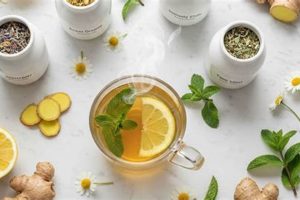
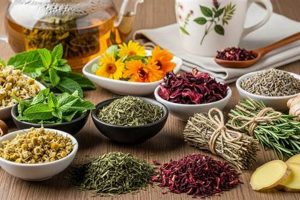
Infusions derived from various plants, excluding Camellia sinensis, and intended to promote relaxation and restful slumber, have been used for centuries. These concoctions leverage the natural properties of botanicals to support the body’s transition into a state conducive to nocturnal rest. A common example is a blend incorporating chamomile flowers, known for their calming effects.
The significance of these plant-based drinks lies in their potential to offer a gentler alternative to pharmaceutical sleep aids. They often present fewer side effects and can be integrated into a nightly ritual to signal the body’s readiness for sleep. Historically, various cultures have employed specific herbs for their sedative qualities, recognizing the connection between nature and well-being.
This article will delve into the diverse range of plants used in preparing sleep-promoting infusions. It will explore their mechanisms of action, potential benefits, and considerations for safe and effective use. Furthermore, the discussion will address factors influencing the efficacy of these preparations and provide guidelines for selecting the most appropriate options.
Guidance for Utilizing Plant-Based Infusions to Support Sleep
The following guidelines are intended to provide practical advice for individuals considering the use of plant-based infusions as a complementary approach to enhance sleep quality. These recommendations are not substitutes for professional medical advice.
Tip 1: Select Reputable Brands: Prioritize brands that conduct third-party testing to verify the purity and potency of their herbal ingredients. Look for certifications that indicate adherence to quality control standards.
Tip 2: Adhere to Recommended Dosage: Consume plant-based infusions in accordance with the manufacturer’s instructions or as advised by a healthcare professional. Excessive consumption may lead to adverse effects.
Tip 3: Establish a Consistent Routine: Incorporate the consumption of the infusion into a regular pre-sleep ritual. This consistency can help to condition the body to associate the beverage with impending sleep.
Tip 4: Consider Timing of Consumption: Consume the infusion approximately 30-60 minutes before the intended bedtime. This allows sufficient time for the active compounds to exert their effects.
Tip 5: Evaluate Potential Interactions: Be aware of potential interactions between herbal ingredients and prescription medications or pre-existing medical conditions. Consult a healthcare provider if concerns arise.
Tip 6: Monitor Individual Response: Observe the effects of the infusion on sleep quality and overall well-being. Adjust the type or dosage as needed, based on individual response and professional guidance.
Tip 7: Ensure Proper Brewing Technique: Utilize appropriate water temperature and steeping time as recommended for the specific herbal blend. Over-steeping can result in a bitter flavor profile, while under-steeping may reduce potency.
By following these guidelines, individuals can maximize the potential benefits and minimize the risks associated with utilizing plant-based infusions to support sleep. Responsible and informed use is paramount.
The subsequent sections of this article will address the specific types of plants commonly used, their mechanisms of action, and safety considerations in greater detail.
1. Plant Selection
The efficacy of plant-based infusions for sleep enhancement is fundamentally linked to plant selection. Different plant species contain varying phytochemicals with distinct pharmacological properties. Certain plants possess compounds that interact with neurotransmitter systems involved in sleep regulation, while others exhibit anxiolytic or muscle-relaxant effects. The choice of plant, therefore, directly influences the physiological impact of the infusion. For example, valerian root contains valerenic acid, which may affect GABA neurotransmission, a system implicated in promoting sleep. In contrast, lemon balm contains compounds that may have calming effects by modulating other neurological pathways. Consequently, selecting the appropriate plant is the first critical step in crafting an effective sleep-promoting infusion.
The geographical origin, cultivation practices, and processing methods applied to the selected plant material can also impact the final product. Plants grown in different regions may exhibit variations in their chemical composition due to environmental factors. Furthermore, improper harvesting or drying techniques can degrade the active compounds, reducing the therapeutic potential of the infusion. The selection process should extend beyond merely identifying the correct species; it must also encompass consideration of the source and handling of the plant material to ensure consistent quality and potency. An example is the difference in chamomile potency between organically grown versus conventionally grown plants, where the former might demonstrate a higher concentration of active compounds due to specific cultivation techniques.
In conclusion, plant selection constitutes a crucial determinant of the therapeutic value of sleep-promoting herbal infusions. The type, origin, and processing of the plant material profoundly influence the chemical composition and, consequently, the physiological effects of the resulting beverage. Challenges remain in standardizing the chemical profiles of herbal preparations, but understanding the importance of meticulous plant selection is essential for maximizing the potential benefits and minimizing the risks associated with these natural sleep aids.
2. Preparation Method

The preparation method employed in the creation of botanical infusions significantly influences the extraction of bioactive compounds, thereby impacting the efficacy of plant-based preparations intended to promote restful sleep. The manner in which the herbs are processed directly determines the bioavailability and concentration of the compounds ultimately consumed.
- Water Temperature
Water temperature critically affects the release of active constituents. Excessive heat can degrade delicate compounds, rendering them ineffective or altering their chemical structure. Insufficient heat may fail to extract the compounds in adequate concentrations. For example, chamomile benefits from water heated to approximately 200-212F (93-100C) to release its calming components effectively. Deviation from this optimal range can compromise the infusion’s therapeutic value.
- Steeping Time
Steeping time, or the duration for which the herbs are immersed in hot water, is a crucial factor. Inadequate steeping results in incomplete extraction of beneficial compounds. Conversely, over-steeping can lead to the release of undesirable bitter compounds, detracting from the beverage’s palatability and potentially its therapeutic effect. A typical steeping time for many sleep-promoting herbs, such as lavender, ranges from 5-10 minutes, carefully balanced to optimize the extraction of beneficial compounds while avoiding excessive bitterness.
- Herb-to-Water Ratio
The ratio of herbs to water directly affects the concentration of active compounds in the final infusion. Using too little herb results in a weak and potentially ineffective beverage. Excessive herb usage can lead to an overly concentrated and potentially harmful concoction. A common guideline suggests 1-2 teaspoons of dried herb per cup (8 ounces) of water. This ratio provides a reasonable balance between potency and palatability, although adjustments may be necessary based on the specific herb and individual preferences.
- Covering During Steeping
Covering the infusion while steeping is important to minimize the loss of volatile aromatic compounds. Many herbs contain essential oils that contribute to their therapeutic properties and aroma. Uncovered steeping allows these volatile compounds to evaporate, reducing the overall potency and sensory appeal of the beverage. Simple covering with a lid or saucer helps to retain these valuable components, enhancing the infusion’s effectiveness in promoting relaxation and sleep.
Collectively, these elements of preparation define the final product. A carefully considered method contributes to maximizing the beneficial compounds of sleep-promoting herbs. Factors like water temperature, steeping time, herb-to-water ratio, and covering all play crucial roles in extraction. Mastering these aspects of preparation ensures that plant-based infusions serve as an effective support for achieving restful sleep.
3. Dosage Control
The relationship between dosage control and plant-derived infusions intended to promote sleep is critical due to the inherent variability in the potency of botanical ingredients. Unlike pharmaceutical agents with standardized dosages, the concentration of active compounds in herbs can fluctuate based on factors such as growing conditions, harvesting techniques, and processing methods. This variability necessitates careful attention to dosage to achieve the desired therapeutic effect while minimizing potential adverse reactions. Failure to adhere to appropriate dosage guidelines can result in either ineffectiveness or, conversely, undesirable side effects such as gastrointestinal distress or paradoxical stimulation. The impact of chamomile on sleep, for instance, is dose-dependent; insufficient amounts may yield no discernible effect, while excessive consumption could potentially lead to nausea or allergic reactions in susceptible individuals.
The practical significance of dosage control extends to the long-term safety of using such infusions. Chronic overuse of certain herbs, even those considered generally safe, can potentially lead to cumulative toxicity or disrupt physiological balance. For example, while valerian root is often used for its sedative properties, prolonged high-dose usage could theoretically impact liver function or interact with other medications. Therefore, an informed approach to dosage is not only essential for achieving immediate sleep benefits but also for mitigating potential long-term risks. It also extends to the method of intake. The amount of extracted ingredient into the “tea” versus the actual liquid amount consumed can skew the dosage as well.
In summary, dosage control represents a cornerstone of safe and effective use of plant-based infusions to support sleep. The inherent variability in herbal potency, coupled with the potential for both short-term side effects and long-term health consequences, underscores the importance of adherence to recommended dosage guidelines and careful monitoring of individual responses. Responsible use necessitates recognizing plant-based preparations as bioactive agents with the potential to exert significant physiological effects. Understanding that the same plant source of active ingredients may also come with varied and harmful inactive ingredients if unregulated.
4. Timing Matters

The temporal relationship between consuming plant-based infusions and the desired onset of sleep is a critical determinant of efficacy. The consumption timeline influences the absorption, distribution, and subsequent effect of active compounds on the central nervous system. An inappropriately timed consumption window may result in the active constituents reaching peak concentrations either too early or too late relative to the intended sleep period, thereby diminishing the potential benefits. For example, if an individual consumes a valerian root infusion immediately before attempting to sleep, the sedative effects may not manifest until well after the individual has become restless, negating the intended purpose.
The optimal timing window varies based on the specific botanical composition of the infusion and individual physiological factors, including metabolism and gastric emptying rate. Generally, consumption approximately 30 to 60 minutes prior to the planned bedtime allows sufficient time for the active compounds to be absorbed into the bloodstream and exert their effects on neurotransmitter systems involved in sleep regulation. Consistent adherence to a regular schedule is also important. Incorporating the consumption of the infusion into a nightly ritual reinforces the association between the beverage and impending sleep, potentially enhancing the placebo effect and promoting relaxation. Consider, as an illustration, the established practice of drinking chamomile prior to sleep in several cultures, which relies on consistently timing the beverage consumption within the hour preceding bedtime to elicit calming effects.
In conclusion, appropriate timing of herbal tea consumption is essential for maximizing sleep-promoting benefits. The complex interplay between absorption kinetics, individual physiology, and the establishment of a predictable pre-sleep routine necessitates careful consideration of the temporal relationship. Therefore, achieving the desired effect requires deliberate timing practices, rather than arbitrary consumption habits, to ensure the active constituents align with the intended sleep period.
5. Individual Sensitivities

Individual sensitivities constitute a significant factor in determining the suitability and efficacy of plant-based infusions as sleep aids. Reactions to herbal constituents vary considerably among individuals, potentially leading to adverse effects or diminished therapeutic benefits. Therefore, awareness of these sensitivities is crucial for informed and safe utilization of such preparations.
- Allergic Reactions
Allergic reactions represent a primary concern. Certain individuals may exhibit hypersensitivity to specific plants or their components, triggering immune responses ranging from mild skin irritation to severe anaphylaxis. For example, individuals allergic to ragweed may also experience reactions to chamomile, a plant in the same family. Awareness of personal allergy history is essential to mitigate this risk.
- Paradoxical Effects
Paradoxical effects, where an herb intended to induce relaxation instead causes stimulation or anxiety, can occur. This phenomenon is not fully understood but may be related to variations in individual neurochemistry or metabolic pathways. Valerian root, while generally recognized for its sedative properties, can paradoxically induce anxiety in some individuals. Careful monitoring and prompt discontinuation are advised if such effects arise.
- Digestive Sensitivities
Digestive sensitivities, such as bloating, gas, or nausea, may result from the consumption of certain herbs. Plant-based infusions contain various compounds that can affect gastrointestinal motility and enzyme activity. Individuals with pre-existing digestive disorders, such as irritable bowel syndrome, may be particularly susceptible. Peppermint, often used for its calming effects, can exacerbate acid reflux in some individuals.
- Medication Interactions Amplified by Sensitivity
Even if an herb is generally deemed safe with a specific medication, amplified effects due to sensitivity may occur. This stems from how an individual’s unique biochemistry processes both the medication and the herbal components. St. John’s Wort is known to interact with antidepressants, but an individual highly sensitive to its compounds may experience adverse effects at far lower dosages than typically expected.
These facets highlight the importance of personalized assessment when considering plant-based infusions for sleep. The variability in individual sensitivities underscores the need for careful monitoring and consultation with healthcare professionals to ensure safe and effective use. Individual responses can vary greatly, reinforcing the notion that what is beneficial for one person may not be suitable for another.
6. Medication Interactions
The intersection of pharmacological agents and plant-derived infusions presents a complex domain requiring careful consideration due to the potential for interactions that can alter therapeutic outcomes or induce adverse effects. The concurrent use of herbal sleep aids and prescription medications warrants diligent assessment by healthcare professionals to ensure patient safety and efficacy of treatment regimens.
- Cytochrome P450 Modulation
Certain herbal constituents can modulate the activity of cytochrome P450 (CYP) enzymes, a family of hepatic enzymes responsible for metabolizing a significant proportion of pharmaceutical drugs. Induction or inhibition of CYP enzymes can alter drug concentrations, leading to either subtherapeutic effects or increased risk of toxicity. For example, St. John’s Wort, while not traditionally consumed as an infusion for sleep but often used for mood regulation, is a known CYP3A4 inducer, potentially reducing the efficacy of medications such as oral contraceptives and certain antidepressants. This impacts herbal tea ingredients if they have compounds that do this too.
- Additive Sedative Effects
Many prescription medications, including benzodiazepines, opioids, and antihistamines, possess sedative properties. The concurrent use of herbal sleep aids with these medications can result in additive sedative effects, increasing the risk of excessive drowsiness, impaired cognitive function, and respiratory depression. Combining valerian root with benzodiazepines, for instance, may potentiate the sedative effects of both substances, necessitating caution and potential dosage adjustments. The overall effect can be much more significant than either used alone.
- Pharmacodynamic Interference
Pharmacodynamic interactions occur when herbal constituents directly interfere with the mechanism of action of a pharmaceutical drug at the target site. This interference can either diminish or enhance the drug’s effects. For instance, certain herbal preparations containing coumarin derivatives may potentiate the anticoagulant effects of warfarin, increasing the risk of bleeding complications. Consistent monitoring of coagulation parameters is crucial in patients taking both warfarin and such herbal preparations.
- Absorption and Bioavailability Alterations
Herbal constituents can affect the absorption and bioavailability of drugs in the gastrointestinal tract. Certain herbs may bind to drugs, reducing their absorption, while others can alter gastric pH or gut motility, influencing drug dissolution and absorption rates. For example, the consumption of herbal infusions high in tannins may reduce the absorption of iron supplements or certain antibiotics, compromising their effectiveness. Separating the administration times of the infusion and the medication can mitigate this interaction.
These facets underscore the critical importance of evaluating potential medication interactions when considering the use of herbal infusions to promote sleep. Healthcare providers should elicit a comprehensive medication history, including over-the-counter drugs and herbal supplements, to assess the risk of interactions and provide appropriate guidance. A collaborative approach, involving open communication between patients and healthcare professionals, is essential to ensure the safe and effective integration of herbal remedies into overall treatment plans.
7. Brand Reputation
The correlation between brand reputation and plant-derived infusions intended to promote sleep is significant, influencing consumer trust, product quality, and overall market dynamics. A reputable brand instills confidence in consumers, assuring them that the product adheres to stringent quality control measures, utilizes ethically sourced ingredients, and provides accurate product information. Conversely, brands with questionable reputations may raise concerns regarding product purity, potency, and safety, potentially deterring consumers seeking reliable sleep aids. For example, a brand known for transparency in sourcing its chamomile flowers and rigorous testing for contaminants establishes a level of trust absent in brands with opaque supply chains and limited quality assurance practices.
Brand reputation also directly impacts the perceived efficacy and safety of these plant-based preparations. Consumers often associate reputable brands with higher-quality ingredients and more consistent formulations, leading to increased confidence in the product’s ability to deliver the desired sleep-promoting effects. A brand that has consistently received positive reviews from consumers and healthcare professionals is more likely to be perceived as a reliable source of effective and safe sleep aids compared to a brand with limited track record or a history of adverse event reports. Moreover, established brands often invest in research and development, leading to enhanced product formulations and greater consumer satisfaction. A real-world example is Celestial Seasonings, a brand synonymous with herbal teas, including sleep-promoting blends like Sleepytime Tea, and has established itself as a reliable source for consumers for decades.
In summary, brand reputation acts as a critical factor in the consumer decision-making process when selecting plant-based infusions for sleep. It influences trust, perception of product quality and efficacy, and ultimately, the likelihood of purchase. While the intrinsic properties of the herbs themselves are essential, the brand’s reputation serves as a powerful extrinsic cue that guides consumer choices and shapes their overall experience. Challenges remain in consistently assessing and verifying the quality and authenticity of herbal products, but recognizing the significance of brand reputation enables consumers to make more informed decisions, thereby maximizing the potential benefits and minimizing the risks associated with these natural sleep aids.
Frequently Asked Questions
The following questions address common inquiries and concerns regarding the use of plant-derived infusions to promote restful sleep. The responses are intended to provide clear and concise information based on current scientific understanding.
Question 1: Are plant-based infusions a substitute for prescription sleep aids?
No, plant-based infusions are not a direct substitute for prescription sleep aids. While they may offer mild sedative effects, they are generally less potent and may not be suitable for individuals with severe sleep disorders. Consult a healthcare professional for appropriate treatment options.
Question 2: What are the potential side effects associated with infusions made with specific plants used for sleep?
Potential side effects vary depending on the specific plants used. Common side effects may include drowsiness, dizziness, gastrointestinal discomfort, and allergic reactions. Certain herbs may also interact with medications. Consult a healthcare professional or herbalist for specific concerns.
Question 3: How long does it take for plant-based infusions to take effect and promote restful sleep?
The onset of effects can vary depending on the individual and the specific plants used in the infusion. Generally, effects may be noticeable within 30 to 60 minutes of consumption. Consistent use over several days may be necessary to experience the full benefits. In cases of insomnia or persistent sleep issues consult a medical professional.
Question 4: Can pregnant or breastfeeding women consume infusions made with specific plants used for sleep?
Certain herbs are contraindicated during pregnancy and breastfeeding due to potential risks to the developing fetus or infant. Chamomile is often considered safe in moderate amounts, but other herbs like valerian root should be avoided. Consult a healthcare professional before using herbal infusions during pregnancy or breastfeeding.
Question 5: Are there specific plant-based infusions that are more effective than others for improving sleep quality?
The effectiveness of different plant-based infusions varies depending on individual physiology and the underlying causes of sleep disturbances. Chamomile, valerian root, lavender, and lemon balm are commonly used and may offer benefits. Experimentation may be necessary to identify the most effective option. Consider rotating the infusions you consume to help mitigate side effects.
Question 6: How can one ensure the purity and quality of plant-based infusions?
To ensure purity and quality, select reputable brands that conduct third-party testing and provide Certificates of Analysis. Look for products that are certified organic and free from contaminants. Store infusions in airtight containers away from light and moisture.
These questions offer a foundation for understanding plant-based infusions as a sleep aid. In all cases, consult with a trained medical professional.
This article will continue to delve into related topics. Always consult a medical professional before beginning any new treatment plans.
Conclusion
The exploration of herbal tea for sleeping reveals a multifaceted approach to supporting nocturnal rest. Selection of plants, preparation techniques, dosage control, timing, individual sensitivities, medication interactions, and brand reputation each play a pivotal role in maximizing benefits and minimizing risks. The information presented underscores the importance of informed decision-making when integrating plant-based infusions into a sleep hygiene regimen.
Continued research is essential to further elucidate the mechanisms of action and refine the understanding of long-term effects. As individuals seek gentler alternatives to conventional sleep aids, a critical and evidence-based approach remains paramount for safe and effective utilization of these plant-derived resources. Future investigations should focus on standardizing formulations and optimizing dosage protocols to enhance the therapeutic potential of herbal tea for sleeping.