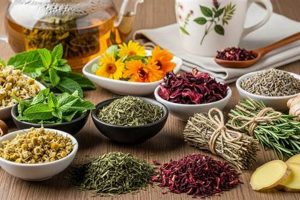
Beverages crafted from infusions or decoctions of herbs can potentially influence the endocrine system. These botanical preparations are created by steeping specific plant parts in water, extracting compounds that may interact with hormonal pathways. For example, certain plant constituents are believed to mimic or modulate estrogen activity, while others are thought to support adrenal function, an important component of hormonal equilibrium.
The appeal of utilizing plant-based drinks to foster well-being extends back centuries, with various cultures incorporating them into traditional healing practices. The perceived advantages range from alleviating symptoms associated with menstruation and menopause to promoting overall endocrine health. These benefits are often attributed to the phytochemicals present in the herbs, which are understood to possess antioxidant, anti-inflammatory, and adaptogenic properties. The potential influence on mood regulation and stress reduction is also a significant factor for some individuals.
The subsequent sections will delve into specific herbs commonly associated with endocrine modulation, examining available research and traditional uses. Furthermore, consideration will be given to potential risks and contraindications, underscoring the importance of informed decision-making when incorporating these drinks into a health regimen. The interplay between diet, lifestyle, and the consumption of these botanical beverages will also be explored.
Guidance on Utilizing Botanical Infusions for Endocrine Regulation
The following recommendations provide direction for individuals considering the incorporation of plant-based beverages to potentially support endocrine function. These suggestions emphasize informed choices and responsible integration into a broader health strategy.
Tip 1: Seek Professional Consultation: Prior to initiating the consumption of any botanical infusion intended to impact endocrine function, consult a qualified healthcare provider or herbalist. Individual physiological differences and pre-existing conditions may influence the suitability and safety of specific herbs.
Tip 2: Prioritize High-Quality Sourcing: Opt for botanical ingredients from reputable suppliers that adhere to stringent quality control measures. This minimizes the risk of contamination and ensures the authenticity of the plant material.
Tip 3: Initiate with Low Doses: When introducing a new botanical infusion, begin with a low concentration and gradually increase as tolerated. This approach allows for the assessment of individual sensitivity and minimizes the potential for adverse reactions.
Tip 4: Be Mindful of Potential Interactions: Exercise caution when combining botanical infusions with pharmaceutical medications or other dietary supplements. Some plant constituents may interact with drug metabolism or potentiate existing effects.
Tip 5: Monitor for Physiological Changes: Maintain a record of any physiological or emotional changes experienced following the consumption of plant-based beverages. This documentation can aid in identifying potential benefits or adverse effects.
Tip 6: Consider Cycle Timing (for Females): If addressing menstrual cycle-related concerns, consider the timing of consumption in relation to the various phases of the cycle. Certain herbs may be more appropriate for specific phases.
Tip 7: Maintain a Holistic Approach: Recognize that botanical infusions are best utilized as part of a comprehensive approach to health. Prioritize a balanced diet, regular physical activity, adequate sleep, and stress management techniques.
Adhering to these guidelines promotes a responsible and informed approach to incorporating plant-based beverages into a wellness regimen aimed at endocrine support. Diligence and careful monitoring are paramount.
The subsequent section will address potential risks and contraindications associated with consuming these botanical preparations.
1. Phytoestrogens

Phytoestrogens, naturally occurring plant compounds exhibiting estrogen-like activity, represent a significant component of various botanical infusions traditionally employed to modulate endocrine function. Their influence stems from their structural similarity to endogenous estrogen, enabling them to bind to estrogen receptors within the body. This interaction can elicit either estrogenic or anti-estrogenic effects, contingent on factors such as the specific phytoestrogen, receptor subtype, and individual estrogen levels. Consequently, botanical beverages containing notable concentrations of these compounds may induce measurable physiological changes. Red clover and soy-based beverages, for instance, contain isoflavones that have demonstrated the capacity to alleviate vasomotor symptoms in some perimenopausal women by weakly activating estrogen receptors. However, the efficacy and safety of phytoestrogen-rich drinks are dependent on the dose and individual circumstances.
The practical significance of understanding the phytoestrogen content of botanical infusions lies in the ability to make informed decisions regarding their use. Individuals with hormone-sensitive conditions, such as estrogen receptor-positive breast cancer or a history of deep vein thrombosis, require careful consideration and medical guidance before incorporating such beverages into their diet. Furthermore, the variable bioavailability of phytoestrogens and potential interactions with existing medications necessitate a cautious approach. For example, genistein, a prominent isoflavone, can influence the activity of certain enzymes involved in drug metabolism, potentially altering the efficacy or toxicity of pharmaceutical agents.
In summary, phytoestrogens constitute an active, yet potentially complex component of certain botanical infusions used for intended endocrine support. Their ability to interact with estrogen receptors necessitates a nuanced understanding of their potential effects and interactions. Healthcare professionals should provide guidance, especially for individuals with existing health concerns, to ensure responsible and effective utilization. Further research is warranted to fully elucidate the long-term effects of phytoestrogen consumption through botanical sources and to refine dosage recommendations based on individual needs and health profiles.
2. Adaptogens
Adaptogens, a class of herbs, are understood to modulate the body’s response to stress, a critical factor in endocrine regulation. Chronic stress elevates cortisol levels, disrupting the hypothalamic-pituitary-adrenal (HPA) axis, potentially leading to hormonal imbalances. Adaptogenic herbs, when incorporated into botanical infusions, may support the body’s capacity to mitigate the negative impacts of chronic stress, indirectly influencing hormone balance. For instance, ashwagandha, a commonly cited adaptogen, has demonstrated potential in reducing cortisol levels and improving perceived stress scores in clinical trials. This, in turn, may contribute to improvements in thyroid function and reproductive hormone levels. Similarly, Rhodiola rosea is suggested to enhance resilience to both physical and mental stress, potentially preventing the cascade of hormonal dysregulation associated with prolonged stress exposure. The presence and quantity of these herbs determine its effectiveness.
The practical significance of incorporating adaptogens within botanical beverages lies in their potential to address a core underlying cause of hormonal imbalances chronic stress. In a real-world scenario, an individual experiencing persistent anxiety and irregular menstrual cycles might benefit from a carefully formulated botanical blend containing adaptogens like holy basil or eleuthero. These herbs could assist in modulating the stress response, potentially leading to improvements in cycle regularity and overall well-being. However, it is crucial to acknowledge that adaptogens are not a panacea, and their efficacy is contingent on individual factors, including the specific herb, dosage, and the individual’s overall health status. Additionally, it is vital to source adaptogenic herbs from reputable suppliers to ensure potency and purity, as adulteration or misidentification can compromise their therapeutic effects.
In conclusion, adaptogens represent a potentially valuable component of certain botanical beverages intended to support hormonal balance. Their mechanism of action centers on mitigating the impact of chronic stress on the HPA axis, indirectly influencing endocrine function. While clinical evidence supports the potential benefits of specific adaptogens, further research is needed to fully elucidate their long-term effects and to optimize their utilization within complex botanical formulations. Responsible utilization necessitates professional guidance and a holistic approach that addresses other lifestyle factors contributing to stress and hormonal imbalances.
3. Inflammation

Chronic inflammation, characterized by a sustained activation of the immune system, exerts a significant influence on endocrine function. This systemic inflammatory state can disrupt hormone synthesis, receptor sensitivity, and overall hormonal balance, underscoring the potential role of botanical infusions with anti-inflammatory properties in endocrine support. Understanding the interplay between inflammation and hormonal regulation is essential when considering the application of plant-based beverages.
- Cytokine Interference
Inflammatory cytokines, such as interleukin-6 (IL-6) and tumor necrosis factor-alpha (TNF-), directly interfere with hormone production and signaling pathways. Elevated cytokine levels can suppress the synthesis of steroid hormones, including estrogen and testosterone, and impair the sensitivity of hormone receptors in target tissues. Botanical infusions containing compounds with anti-inflammatory actions, like curcumin from turmeric, may mitigate cytokine-mediated hormonal disruption by inhibiting their production or activity. For example, consistent intake of turmeric-infused beverages may help reduce inflammation-induced symptoms associated with conditions like polycystic ovary syndrome (PCOS).
- Insulin Resistance
Chronic inflammation contributes to insulin resistance, a condition where cells become less responsive to insulin’s signaling, resulting in elevated blood glucose levels. Insulin resistance is closely linked to hormonal imbalances, particularly in women, and can exacerbate conditions like PCOS and metabolic syndrome. Certain botanical components, such as berberine found in goldenseal or barberry, have demonstrated potential in improving insulin sensitivity and reducing inflammation. Therefore, beverages containing these herbs may indirectly support hormonal balance by addressing underlying insulin resistance.
- Adrenal Dysfunction
Prolonged inflammation can impact the adrenal glands, leading to dysregulation of cortisol production. Chronic inflammation can lead to adrenal fatigue or insufficiency, resulting in reduced cortisol output and impaired stress response. Adaptogenic herbs, known for their stress-modulating properties, also often exhibit anti-inflammatory effects. For example, holy basil possesses both adaptogenic and anti-inflammatory properties, potentially supporting adrenal function and mitigating the detrimental effects of chronic inflammation on the HPA axis. Regular consumption of holy basil infusions may help restore balance to cortisol levels and improve stress resilience.
- Gut Microbiome Influence
The gut microbiome plays a significant role in modulating inflammation levels throughout the body. An imbalance in gut bacteria (dysbiosis) can trigger inflammatory responses, contributing to systemic inflammation and hormonal imbalances. Botanical infusions containing prebiotic compounds, which promote the growth of beneficial gut bacteria, may help reduce inflammation by improving gut health. For instance, dandelion root and chicory root contain inulin, a prebiotic fiber that supports the growth of beneficial bacteria, leading to reduced inflammation and improved hormonal regulation. Regular intake of beverages containing these roots can contribute to a healthier gut microbiome and reduced inflammation.
These facets of inflammation highlight the systemic impact of inflammation on endocrine function. Botanical infusions with anti-inflammatory properties present a potential avenue for addressing inflammation-related hormonal imbalances. For example, a combination of turmeric, ginger, and holy basil in a beverage may provide synergistic anti-inflammatory and adaptogenic effects, supporting hormonal balance through multiple mechanisms. However, individualized assessment and professional guidance are essential to ensure safe and effective utilization, considering potential interactions and individual health conditions.
4. Liver Detoxification
The liver, a primary organ of detoxification, plays a critical role in hormonal balance. Its function encompasses the metabolism and clearance of hormones, ensuring that levels are regulated to prevent excess or deficiency. Impaired hepatic function can disrupt this delicate balance, leading to hormonal imbalances and related symptoms. This underlines the connection between botanical infusions intended to support liver detoxification and their potential influence on endocrine health. The liver metabolizes hormones such as estrogen, testosterone, and cortisol. Phase I and Phase II detoxification pathways are essential in converting these hormones into water-soluble metabolites, which are then eliminated from the body through urine or bile. When the liver is overburdened or its detoxification pathways are compromised, hormones may not be efficiently processed, resulting in their accumulation in the bloodstream. This hormonal excess can lead to a range of issues, including estrogen dominance, characterized by symptoms like menstrual irregularities, bloating, and mood swings. Conversely, inadequate detoxification may result in insufficient levels of crucial hormones, affecting overall health and well-being.
Botanical infusions may support liver detoxification processes through various mechanisms. Certain herbs, such as milk thistle, contain compounds like silymarin, which are known for their hepatoprotective properties. Silymarin can protect liver cells from damage, enhance liver cell regeneration, and promote bile production, facilitating the removal of toxins, including hormone metabolites. Dandelion root, another herb commonly used in botanical beverages, stimulates bile flow, aiding in the excretion of metabolic waste products. Additionally, herbs with antioxidant properties, like green tea, can reduce oxidative stress in the liver, supporting its detoxification capacity. For example, consistent consumption of a milk thistle and dandelion root infusion could assist in maintaining optimal liver function, thereby promoting efficient hormone metabolism and reducing the risk of hormonal imbalances. The practical significance of understanding this connection lies in the ability to address hormonal imbalances by supporting the body’s natural detoxification pathways. Individuals experiencing symptoms of hormonal imbalance may benefit from incorporating liver-supportive botanical infusions into their regimen, alongside other lifestyle and dietary modifications.
In summary, liver detoxification is integral to hormonal balance, and botanical infusions can potentially support this process through various mechanisms, including hepatoprotection, enhanced bile flow, and antioxidant activity. By promoting efficient hormone metabolism and clearance, these beverages may contribute to mitigating hormonal imbalances and related symptoms. However, it is essential to note that botanical infusions should not be considered a standalone solution for hormonal issues. A holistic approach, involving a balanced diet, regular exercise, stress management, and professional medical guidance, is crucial for addressing underlying causes and ensuring optimal endocrine health.
5. Stress Reduction

Chronic stress significantly disrupts hormonal equilibrium. The hypothalamic-pituitary-adrenal (HPA) axis, the body’s central stress response system, releases cortisol in response to perceived threats. Sustained elevation of cortisol impacts other hormonal systems, suppressing reproductive hormones, interfering with thyroid function, and affecting blood sugar regulation. Botanical infusions with stress-reducing properties address this underlying cause, thereby facilitating hormone balance. For example, persistent stress can lead to amenorrhea, the absence of menstruation, in women. By incorporating botanical ingredients known to modulate the stress response, such as adaptogens and nervines, the cascade of hormonal dysregulation can be mitigated. Individuals experiencing chronic stress-induced hormonal imbalances may benefit from regular consumption of specific herbal infusions alongside lifestyle adjustments targeting stress management.
Certain botanical ingredients have been traditionally utilized for their calming and stress-relieving effects. Chamomile, for instance, is recognized for its anxiolytic properties, potentially reducing cortisol secretion and promoting relaxation. Lavender possesses similar calming effects, and its aroma is associated with reduced anxiety levels. Adaptogenic herbs like ashwagandha and rhodiola support the adrenal glands, assisting in the body’s ability to adapt to stress and regulate cortisol release. A real-life example involves an individual experiencing symptoms of elevated cortisol, such as anxiety, insomnia, and weight gain. By incorporating a blend of chamomile, lavender, and ashwagandha into a daily routine, coupled with mindfulness practices, a reduction in stress symptoms and a corresponding improvement in hormonal parameters may be observed. The practical significance of this understanding lies in providing accessible and natural interventions to address a primary driver of hormonal imbalances.
In summary, stress reduction is an integral component of efforts to achieve hormonal balance, and botanical infusions containing calming and adaptogenic herbs offer a potentially valuable tool. By addressing the underlying stress response, these preparations may mitigate the detrimental effects of cortisol on other hormonal systems, contributing to improved endocrine health. However, the utilization of such infusions should be viewed as part of a holistic approach, incorporating other lifestyle factors, and should be undertaken with informed consideration of potential interactions and individual health conditions. Further research is warranted to fully elucidate the efficacy and long-term effects of specific botanical formulations on stress-induced hormonal imbalances.
6. Gut Microbiome
The gut microbiome, an extensive community of microorganisms residing in the digestive tract, exerts a profound influence on overall health, including hormonal balance. Its composition and function can directly impact the metabolism, circulation, and excretion of hormones, underscoring the relevance of gut health to endocrine function. Certain botanical infusions may modulate the gut microbiome, indirectly affecting hormone levels. The interplay between the gut microbiome and botanical ingredients presents a nuanced area of investigation.
- Estrobolome Modulation
The estrobolome, a subset of the gut microbiome, specializes in metabolizing estrogens. It produces enzymes that deconjugate estrogens, converting them back into their active form for recirculation in the body. A dysbiotic gut, characterized by an imbalance in microbial species, can disrupt estrobolome function, leading to estrogen dominance or deficiency. Certain herbal teas, such as those containing dandelion root or burdock root, possess prebiotic properties that promote the growth of beneficial bacteria, supporting a balanced estrobolome and healthy estrogen metabolism. An individual with estrogen dominance symptoms, such as PMS and heavy periods, may benefit from a dandelion root infusion by fostering a gut environment conducive to proper estrogen metabolism.
- Short-Chain Fatty Acid (SCFA) Production
The gut microbiome ferments dietary fibers to produce short-chain fatty acids (SCFAs), including butyrate, acetate, and propionate. These SCFAs exert various beneficial effects on gut health and systemic inflammation. Butyrate, in particular, serves as a primary energy source for colonocytes and exhibits anti-inflammatory properties, thereby influencing hormonal balance. Herbal teas containing prebiotic fibers, such as chicory root tea, can stimulate SCFA production, indirectly supporting endocrine function by reducing inflammation and promoting gut barrier integrity. A reduced inflammation environment improves overall hormonal signaling. SCFAs can promote endocrine regulation.
- Inflammation Control
A dysbiotic gut triggers an inflammatory response, leading to systemic inflammation that disrupts hormonal signaling and synthesis. The gut barrier, when compromised by dysbiosis, allows the translocation of bacterial components into the bloodstream, initiating an immune response. Botanical infusions with anti-inflammatory properties, like ginger tea or chamomile tea, can help modulate gut inflammation, indirectly supporting hormonal balance. These herbs can reduce pro-inflammatory cytokine production and promote gut barrier integrity, mitigating the impact of gut-derived inflammation on endocrine function. Inflammation in the gut and the body may be reduced by these herbs.
- Impact on Neurotransmitters
The gut microbiome influences neurotransmitter production, including serotonin and dopamine, which play a role in mood regulation and stress response, both of which impact hormonal balance. A dysbiotic gut can disrupt neurotransmitter synthesis, contributing to mood disorders and exacerbating stress-related hormonal imbalances. Certain herbal teas, such as those containing St. John’s Wort, are believed to influence neurotransmitter levels, indirectly supporting hormonal balance by promoting emotional well-being and reducing the impact of stress on the endocrine system. The gut-brain axis may be regulated to promote proper hormone and neurotransmitter functionality.
In summary, the gut microbiome plays a crucial role in modulating hormonal balance through various mechanisms, including estrobolome function, SCFA production, inflammation control, and neurotransmitter synthesis. Botanical infusions with prebiotic, anti-inflammatory, or neurotransmitter-modulating properties can potentially influence the gut microbiome, indirectly supporting endocrine health. However, it is essential to recognize that the relationship between botanical teas, the gut microbiome, and hormonal balance is complex, and individual responses may vary. A comprehensive approach, including dietary modifications, stress management, and professional medical guidance, is crucial for optimizing both gut and hormonal health.
7. Antioxidant Support
Oxidative stress, resulting from an imbalance between free radical production and antioxidant defenses, can significantly impact endocrine function. This disruption arises from the vulnerability of endocrine tissues and hormone molecules to oxidative damage. Herbal infusions containing antioxidant compounds may mitigate these effects, promoting hormonal balance.
- Protection of Endocrine Glands
Endocrine glands, responsible for hormone synthesis and secretion, are susceptible to oxidative damage. Free radicals can impair cellular function, reducing the gland’s capacity to produce hormones efficiently. Botanical infusions rich in antioxidants, such as green tea containing catechins or rooibos containing flavonoids, can protect these glands from oxidative stress. For example, regular consumption of green tea may help maintain thyroid gland function by reducing oxidative damage to thyroid cells.
- Stabilization of Hormone Molecules
Hormone molecules, including steroid hormones and peptide hormones, are vulnerable to degradation by free radicals. Oxidation can alter their structure, diminishing their biological activity and effectiveness. Antioxidant compounds present in herbal teas, like those in chamomile or hibiscus, can stabilize hormone molecules by neutralizing free radicals, preserving their integrity and function. Consistent intake of hibiscus tea, rich in anthocyanins, may help maintain the structural integrity of estrogen molecules.
- Reduction of Inflammation
Oxidative stress triggers inflammatory responses, contributing to chronic inflammation, a known disruptor of hormonal balance. Inflammation interferes with hormone receptor sensitivity and impairs hormone synthesis. Herbal infusions with both antioxidant and anti-inflammatory properties, such as ginger tea or turmeric tea, can simultaneously combat oxidative stress and reduce inflammation, supporting endocrine regulation. For example, turmeric tea, containing curcumin, may alleviate inflammation-related symptoms associated with PCOS by reducing both oxidative stress and inflammatory markers.
- Enhancement of Detoxification Pathways
Antioxidants support liver detoxification pathways, facilitating the elimination of metabolic waste products, including hormone metabolites. Efficient detoxification is crucial for maintaining hormonal balance. Botanical infusions containing antioxidants and liver-supportive compounds, like dandelion root tea or milk thistle tea, can enhance detoxification processes, promoting the clearance of excess hormones and reducing the risk of hormonal imbalances. Regular consumption of dandelion root tea may aid in estrogen detoxification, preventing estrogen dominance.
These facets of antioxidant support underscore its importance in promoting endocrine health. Botanical infusions containing antioxidant compounds offer a potential strategy for mitigating oxidative stress, protecting endocrine tissues, and supporting hormonal balance. While herbal teas provide a source of antioxidants, they should be incorporated into a holistic approach, alongside a balanced diet, regular exercise, and professional medical guidance.
Frequently Asked Questions
This section addresses common inquiries and misconceptions surrounding the utilization of botanical infusions for the potential modulation of endocrine function.
Question 1: Are botanical infusions a replacement for conventional hormone therapy?
Botanical infusions should not be considered a substitute for conventional hormone therapy prescribed by a qualified healthcare professional. While certain herbal constituents may exhibit hormonal activity, their potency and predictability are generally lower than pharmaceutical preparations. The suitability of botanical infusions should be discussed with a healthcare provider, particularly for individuals with diagnosed endocrine disorders or those undergoing hormone therapy.
Question 2: How quickly can one expect to see results from consuming botanical infusions for intended endocrine support?
The timeline for experiencing any noticeable effects from botanical infusions can vary significantly depending on individual factors, the specific herbs utilized, dosage, and the underlying hormonal imbalance. Some individuals may experience subtle improvements within weeks, while others may require months of consistent consumption to observe measurable changes. It is crucial to maintain realistic expectations and adhere to recommended dosages under professional guidance.
Question 3: Are botanical infusions safe for long-term consumption?
The safety of long-term consumption depends on the specific herbs utilized and individual health conditions. Some herbs are generally considered safe for prolonged use, while others may have potential risks or contraindications. It is essential to research the safety profile of each herb and consult with a healthcare provider or herbalist to determine the appropriateness of long-term consumption. Periodic monitoring of physiological parameters may be advisable.
Question 4: Can botanical infusions interact with pharmaceutical medications?
Yes, botanical infusions can interact with pharmaceutical medications. Certain plant constituents can affect drug metabolism, absorption, or excretion, potentially altering the efficacy or toxicity of pharmaceutical agents. It is imperative to disclose the use of botanical infusions to healthcare providers to assess potential interactions and ensure safe co-administration. Specific caution should be exercised when combining botanical infusions with medications affecting blood clotting, blood pressure, or hormone levels.
Question 5: How does one ensure the quality and purity of botanical ingredients?
Ensuring the quality and purity of botanical ingredients is paramount. Prioritize sourcing herbs from reputable suppliers that adhere to stringent quality control measures, including testing for heavy metals, pesticides, and adulteration. Certified organic herbs offer an additional assurance of quality. When possible, opt for whole, unprocessed herbs over extracts or powders to minimize the risk of adulteration.
Question 6: Are botanical infusions suitable for pregnant or breastfeeding women?
Many botanical infusions are contraindicated during pregnancy and breastfeeding due to potential risks to the developing fetus or infant. Certain herbs may possess abortifacient, teratogenic, or estrogenic properties. It is imperative for pregnant or breastfeeding women to consult with a healthcare provider before consuming any botanical infusion to assess its safety and suitability.
In conclusion, botanical infusions possess the potential to influence endocrine function, but their utilization requires careful consideration, informed decision-making, and professional guidance. This information is for educational purposes only and should not be considered medical advice.
The subsequent section will delve into the ethical considerations surrounding the marketing and consumption of these botanical preparations.
Herbal Tea for Hormone Balance
The preceding exploration has illuminated the intricate relationship between botanical infusions and endocrine function. A spectrum of mechanisms, including phytoestrogenic activity, adaptogenic influence, anti-inflammatory properties, liver detoxification support, stress reduction, gut microbiome modulation, and antioxidant provision, has been examined. These facets underscore the potential of strategically selected herbal ingredients to influence hormonal equilibrium. However, it is paramount to acknowledge that the impact of botanical preparations is contingent upon individual physiology, formulation specifics, and adherence to responsible practices.
The application of herbal tea for hormone balance warrants diligent consideration and a commitment to evidence-based decision-making. The information presented herein serves as a foundation for further inquiry and informed consultation with qualified healthcare professionals. A future of integrated healthcare necessitates a nuanced understanding of the potential benefits and limitations of both conventional and complementary modalities, fostering a paradigm of patient-centered care that prioritizes safety, efficacy, and individual well-being. The complexities of endocrine regulation demand a cautious and holistic approach, urging a move beyond simplified solutions towards comprehensive strategies for sustainable health.