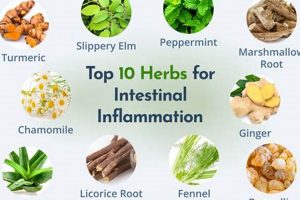
The utilization of botanical remedies and dietary additions to alleviate the discomfort and inflammation associated with arthritic conditions represents a growing area of interest. This approach encompasses a variety of plant-derived substances and formulations aimed at managing symptoms such as joint pain, stiffness, and reduced mobility stemming from various forms of arthritis.
The appeal lies in the perceived potential for natural relief, often sought as a complementary or alternative strategy to conventional pharmaceutical interventions. Historically, many cultures have relied on traditional plant-based medicines for managing musculoskeletal ailments. Furthermore, interest is driven by potential benefits such as reduced side effects compared to some prescription drugs and the holistic approach aligning with wellness philosophies.
The following discussion will delve into the scientific evidence, potential risks, and considerations surrounding specific botanical and dietary options employed in addressing arthritic symptoms. The analysis will explore the existing research concerning efficacy, safety, and appropriate usage within the context of overall arthritis management.
Guidance on Herbal and Dietary Adjuncts for Arthritis
This section provides practical advice for individuals considering the integration of herbal supplements in the management of arthritis. It is crucial to approach this with informed awareness and in consultation with healthcare professionals.
Tip 1: Prioritize Consultation with a Qualified Healthcare Provider: Before initiating any herbal supplement regimen, a thorough discussion with a physician, rheumatologist, or qualified herbalist is essential. This ensures that the supplements do not interact adversely with existing medications or exacerbate underlying health conditions. Furthermore, it allows for proper diagnosis and exclusion of other treatable causes of joint pain.
Tip 2: Conduct Thorough Research on Specific Herbs: Investigate the scientific evidence supporting the use of a particular herb for arthritis. Peer-reviewed studies, reputable medical journals, and evidence-based databases offer valuable information on efficacy, safety profiles, and potential side effects. Avoid relying solely on anecdotal evidence or marketing claims.
Tip 3: Choose Reputable Brands with Quality Control: The supplement industry is not uniformly regulated. Therefore, select brands that adhere to stringent quality control measures, such as third-party testing for purity, potency, and contaminants. Look for certifications from organizations like USP, NSF International, or ConsumerLab.com.
Tip 4: Start with Low Doses and Monitor for Adverse Reactions: Introduce one new herb at a time, starting with the lowest recommended dose. This allows for the identification of potential allergic reactions or adverse effects. Maintain a detailed record of dosage, frequency, and any changes in symptoms. Discontinue use immediately if adverse reactions occur.
Tip 5: Understand Potential Interactions with Medications: Many herbal supplements can interact with prescription drugs, affecting their absorption, metabolism, or excretion. For example, St. John’s Wort can reduce the effectiveness of certain medications, while Ginkgo Biloba may increase the risk of bleeding when taken with anticoagulants. Always disclose all medications and supplements to healthcare providers.
Tip 6: Recognize the Limitations of Herbal Supplements: While some herbs may offer symptomatic relief, they are not a substitute for conventional medical treatment. They should be used as a complementary approach alongside established therapies, such as physical therapy, medication, and lifestyle modifications.
Tip 7: Be Aware of Potential Long-Term Effects: Long-term use of certain herbal supplements may have unforeseen consequences. Research on the long-term safety of many herbs is limited. Periodic evaluation by a healthcare professional is recommended to assess potential risks and benefits.
The judicious and informed use of botanical remedies may play a supportive role in managing arthritic symptoms. However, responsible application requires a comprehensive understanding of individual health status, potential risks, and the limitations of herbal supplements. Consultation with qualified healthcare providers remains paramount.
The following section will address specific botanical options and their respective evidence-based profiles in the context of arthritis management.
1. Efficacy

The determination of efficacy regarding botanical and dietary adjuncts in the management of arthritis constitutes a critical area of investigation. Rigorous evaluation is essential to differentiate between perceived benefits and demonstrably effective interventions.
- Clinical Trial Rigor
The gold standard for efficacy assessment is the randomized, placebo-controlled clinical trial. However, studies evaluating these supplements often face challenges such as small sample sizes, varying methodologies, and lack of standardization in herbal preparations. Therefore, conclusions drawn from such trials require cautious interpretation.
- Specific Supplement Variation
The term “turmeric,” for instance, encompasses a broad range of preparations with varying concentrations of active compounds like curcumin. Similarly, different glucosamine formulations (e.g., glucosamine sulfate vs. glucosamine hydrochloride) may exhibit differing levels of efficacy. Clear specification of the tested substance is crucial for meaningful analysis.
- Outcome Measures and Subjectivity
Efficacy assessments often rely on subjective outcome measures such as pain scales and patient-reported function. While valuable, these measures are susceptible to bias. Objective assessments, such as imaging studies demonstrating changes in joint structure or biomarkers of inflammation, provide stronger evidence of efficacy.
- Long-Term vs. Short-Term Effects
Many clinical trials focus on short-term effects, often spanning a few weeks or months. The long-term efficacy and safety of botanical and dietary adjuncts remain less well-understood. Furthermore, the potential for tolerance or changes in response over time necessitates further investigation.
Integrating efficacy data from well-designed clinical trials, standardized preparations, objective outcome measures, and long-term follow-up studies will provide a more comprehensive understanding of the true therapeutic value of botanical and dietary adjuncts in the management of arthritis.
2. Safety Concerns

Addressing the safety profile of botanical and dietary adjuncts in the context of arthritis is paramount. The perception of “natural” does not equate to inherent safety, and a thorough understanding of potential risks is critical for informed decision-making.
- Hepatotoxicity
Several herbal supplements have been implicated in liver damage, ranging from mild elevations in liver enzymes to acute liver failure. Examples include certain formulations of green tea extract, kava, and chaparral. Individuals with pre-existing liver conditions are at heightened risk. Therefore, baseline liver function testing and ongoing monitoring may be warranted.
- Nephrotoxicity
Some botanical remedies possess the potential to adversely affect kidney function. Aristolochic acid, found in certain traditional Chinese medicine preparations, is a known nephrotoxin and carcinogen. Other herbs, such as excessive amounts of licorice, can cause electrolyte imbalances that indirectly impact renal health. Regular monitoring of kidney function is advisable, particularly in individuals with pre-existing renal disease or those taking nephrotoxic medications.
- Cardiovascular Effects
Certain herbal supplements can influence cardiovascular function, potentially leading to adverse events. Ephedra, previously used for weight loss, was associated with increased risk of hypertension, arrhythmias, and myocardial infarction. Other supplements, such as high doses of licorice, can elevate blood pressure. Individuals with pre-existing cardiovascular conditions should exercise caution and consult with a healthcare professional before using herbal supplements.
- Gastrointestinal Disturbances
Gastrointestinal side effects are among the most commonly reported adverse reactions to herbal supplements. Symptoms can include nausea, vomiting, diarrhea, abdominal cramping, and constipation. Certain herbs, such as senna and cascara, are potent laxatives and can lead to electrolyte imbalances if used excessively. Individuals with pre-existing gastrointestinal disorders may be more susceptible to these effects.
The diverse range of potential safety concerns associated with botanical and dietary adjuncts underscores the importance of careful evaluation and consultation with qualified healthcare professionals. A thorough understanding of individual health status, potential risks, and appropriate monitoring strategies is essential to minimize the likelihood of adverse events in the context of arthritis management.
3. Drug Interactions
The potential for interactions between herbal supplements and conventional medications is a significant concern in the context of arthritis management. Botanical substances possess pharmacological activity and can influence the absorption, metabolism, and elimination of prescription drugs, leading to altered therapeutic effects or increased risk of adverse events. This interplay can compromise the effectiveness of prescribed medications and exacerbate existing health conditions. For example, an individual taking warfarin, an anticoagulant medication, to prevent blood clots, may experience a heightened risk of bleeding if concurrently consuming supplements containing Ginkgo biloba or garlic, both known to possess antiplatelet properties. The concurrent use can increase the International Normalized Ratio (INR), a measure of blood clotting time, potentially leading to hemorrhage. Conversely, St. John’s Wort, often used for mood regulation, can induce hepatic enzymes responsible for metabolizing numerous drugs, including certain analgesics and immunosuppressants commonly prescribed for arthritis. This enzyme induction can reduce the plasma concentrations of these medications, diminishing their therapeutic efficacy and potentially leading to disease flares.
Furthermore, some herbal supplements can directly interact with drugs at the level of cellular receptors or transport proteins. For instance, glucosamine, often used to support joint health, may affect blood sugar control and interact with antidiabetic medications, potentially leading to hyperglycemia or hypoglycemia. Similarly, certain herbal diuretics, such as dandelion or juniper, can potentiate the effects of prescription diuretics, increasing the risk of dehydration and electrolyte imbalances. The variability in supplement formulations and the lack of standardized dosing further complicate the assessment of potential interactions. Different brands of the same herbal supplement may contain varying concentrations of active compounds, making it challenging to predict the magnitude and nature of the interaction. Patients should inform their healthcare providers about all supplements being consumed to facilitate proactive monitoring and mitigation of potential interactions.
In summary, the interaction potential between herbal supplements and conventional medications represents a critical safety consideration in the management of arthritis. The complexity of these interactions necessitates a comprehensive understanding of the pharmacological properties of both the supplement and the prescribed drug, as well as careful monitoring of clinical outcomes. Open communication between patients and healthcare providers is essential to minimize the risk of adverse events and optimize therapeutic efficacy. Strategies to mitigate interaction risks include thorough medication reconciliation, selection of supplements with known safety profiles, and adjustment of medication dosages as needed under medical supervision.
4. Regulation/Quality

The regulation and quality control of herbal supplements intended for arthritis management are of paramount importance due to the inherent variability in product composition and the potential for contamination or adulteration. Unlike pharmaceutical drugs, herbal supplements often lack rigorous pre-market approval processes, leading to significant disparities in the consistency and purity of available products. This variability directly impacts both the efficacy and safety of these supplements, potentially undermining their intended benefits for individuals seeking relief from arthritic symptoms. For instance, a study analyzing several commercially available turmeric supplements revealed significant variations in curcuminoid content, the active anti-inflammatory compound, with some products containing less than 50% of the labeled amount. Such inconsistencies render it difficult for patients to achieve consistent therapeutic effects and may contribute to negative or null findings in clinical trials.
Furthermore, the absence of stringent regulatory oversight increases the risk of contamination with heavy metals, pesticides, or other harmful substances. Adulteration with synthetic drugs, deliberately or inadvertently, also poses a threat. In one documented case, an herbal supplement marketed for arthritis pain relief was found to contain undeclared non-steroidal anti-inflammatory drugs (NSAIDs), which could lead to serious gastrointestinal or cardiovascular complications, especially in vulnerable populations. These scenarios highlight the crucial need for independent quality testing and certification programs to ensure that herbal supplements meet established standards for identity, purity, potency, and absence of contaminants. Organizations such as USP (United States Pharmacopeia), NSF International, and ConsumerLab.com offer third-party testing services, providing a degree of assurance to consumers and healthcare professionals.
In conclusion, the regulation and quality of herbal supplements represent a critical factor in determining their suitability for arthritis management. The lack of comprehensive regulatory frameworks necessitates proactive engagement by consumers and healthcare providers in seeking out reputable brands with transparent quality control practices. Until more robust regulatory mechanisms are implemented, a cautious and informed approach to the selection and use of herbal supplements remains essential to safeguard patient health and optimize therapeutic outcomes. The challenges of variable product quality underscore the need for further research into the standardization of herbal preparations and the development of more reliable methods for assessing their efficacy and safety.
5. Individual Needs
The selection and utilization of botanical and dietary adjuncts for arthritis management should be intrinsically linked to individual needs. This individualized approach acknowledges the heterogeneity of arthritic conditions, patient characteristics, and the interplay between supplements and conventional therapies.
- Arthritis Type and Severity
Different forms of arthritis, such as osteoarthritis, rheumatoid arthritis, and psoriatic arthritis, exhibit distinct pathophysiological mechanisms. Consequently, the appropriateness of specific supplements varies. For example, supplements targeting cartilage preservation may be more relevant for osteoarthritis, while those with potent anti-inflammatory properties might be prioritized in inflammatory arthritides like rheumatoid arthritis. Furthermore, the severity of the condition dictates the aggressiveness of the therapeutic approach, influencing the role that supplements play as adjunctive therapies.
- Co-existing Medical Conditions
The presence of co-existing medical conditions, such as cardiovascular disease, diabetes, or kidney disease, significantly impacts the safety and suitability of herbal supplements. Certain supplements may exacerbate these conditions or interact with medications used to manage them. For instance, individuals with diabetes should exercise caution with supplements affecting blood sugar control, while those with kidney disease require close monitoring of supplements with potential nephrotoxic effects.
- Medication Profile
A comprehensive assessment of a patient’s medication profile is essential to identify potential drug-supplement interactions. Many commonly used arthritis medications, such as NSAIDs, corticosteroids, and disease-modifying antirheumatic drugs (DMARDs), can interact with herbal supplements, altering their efficacy or increasing the risk of adverse events. For example, supplements with anticoagulant properties may potentiate the bleeding risk associated with NSAIDs or warfarin.
- Patient Preferences and Beliefs
Patient preferences and beliefs regarding natural therapies influence adherence and overall treatment success. A shared decision-making approach, where healthcare providers engage in open communication and respect patient values, is crucial. Some individuals may prioritize natural approaches over conventional medications, while others prefer a combination of both. Tailoring the treatment plan to align with patient preferences enhances satisfaction and adherence.
The integration of these facets into clinical decision-making underscores the importance of a holistic and individualized approach to herbal supplements in arthritis management. Recognizing the unique needs and circumstances of each patient optimizes the potential benefits while minimizing the risks associated with these adjunctive therapies.
Frequently Asked Questions
This section addresses common inquiries and misconceptions concerning the use of herbal supplements in the management of arthritis. The information provided aims to offer clarity and evidence-based perspectives.
Question 1: Are herbal supplements a cure for arthritis?
Herbal supplements are not a cure for arthritis. Current scientific evidence suggests that they may offer symptomatic relief and potentially complement conventional medical treatments. However, they do not address the underlying causes of arthritis or reverse joint damage. They should not be considered a substitute for established medical therapies.
Question 2: Are herbal supplements safe because they are “natural”?
The designation “natural” does not guarantee safety. Herbal supplements possess pharmacological activity and can cause adverse effects or interact with medications. Some herbs can be toxic or contaminated. Rigorous evaluation of safety profiles is crucial. Consultation with qualified healthcare providers is essential to assess individual risks and benefits.
Question 3: How can one determine if an herbal supplement is of good quality?
Assessing the quality of an herbal supplement requires careful evaluation. Seek products from reputable brands that employ third-party testing for identity, purity, and potency. Look for certifications from organizations like USP, NSF International, or ConsumerLab.com. Verify that the product label accurately reflects the ingredients and dosages.
Question 4: What are the potential risks of combining herbal supplements with prescription medications for arthritis?
Combining herbal supplements with prescription medications can pose significant risks due to potential drug interactions. Supplements may alter the absorption, metabolism, or excretion of medications, leading to reduced efficacy or increased toxicity. Disclosure of all supplements to healthcare providers is imperative to identify and mitigate potential interactions.
Question 5: Can herbal supplements replace conventional arthritis medications?
Herbal supplements should not replace conventional arthritis medications without explicit guidance from a healthcare provider. Conventional medications are often necessary to control inflammation, manage pain, and prevent disease progression. Supplements may be used as a complementary approach but should not be considered a primary treatment modality in most cases.
Question 6: Where can one find reliable information about the efficacy and safety of specific herbal supplements for arthritis?
Reliable information can be obtained from reputable sources such as peer-reviewed medical journals, evidence-based databases (e.g., Cochrane Library), and websites of professional medical organizations (e.g., the American College of Rheumatology). Consultation with a qualified healthcare provider is also recommended to interpret the available evidence and personalize treatment decisions.
The prudent and informed use of botanical remedies necessitates a comprehensive understanding of individual health status, potential risks, and the limitations of herbal supplements. Consultation with qualified healthcare providers remains paramount.
The following section will present concluding remarks and offer recommendations for further exploration of this topic.
Conclusion
The examination of botanical and dietary adjuncts in the context of arthritic conditions reveals a complex interplay of potential benefits and inherent risks. Evidence regarding efficacy varies widely, and robust scientific validation remains limited for many commonly used substances. Safety concerns, including potential hepatotoxicity, nephrotoxicity, and drug interactions, necessitate cautious application and comprehensive patient monitoring. The regulatory landscape governing the quality and consistency of herbal supplements introduces further challenges, underscoring the importance of informed selection and reputable sourcing. The individualized nature of arthritis management demands careful consideration of specific disease characteristics, co-existing medical conditions, and medication profiles.
The prudent integration of botanical remedies requires a balanced perspective, recognizing both the potential for symptomatic relief and the limitations of current scientific evidence. Future research should prioritize rigorous clinical trials, standardized formulations, and comprehensive safety assessments to establish the true therapeutic value of these adjuncts. Individuals considering the use of herbal supplements for arthritis should engage in open communication with healthcare providers to facilitate informed decision-making and minimize the risk of adverse events. The ultimate goal remains the optimization of patient outcomes through a comprehensive and evidence-based approach to arthritis management.