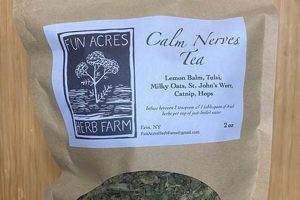
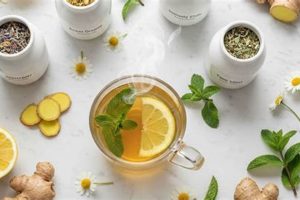
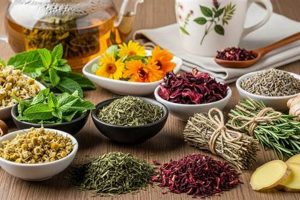
Varied tastes derived from infusions of herbs, spices, flowers, and other plant materials offer a diverse range of sensory experiences. These infusions provide alternatives to traditional teas and caffeinated beverages, catering to different palates and preferences. For instance, chamomile yields a mild, floral taste, while peppermint presents a refreshing, minty profile.
The importance of these infusions stems from their association with relaxation, wellness, and cultural practices. Historically, herbal preparations have been utilized for their perceived medicinal properties and as integral parts of traditional healing systems. Consumption of such beverages allows individuals to explore unique sensory dimensions and can complement dietary choices.
The following discussion will delve into the specific characteristics of several commonly available infusions. It will examine flavor profiles, common applications, and factors influencing the final taste of these preparations. This exploration aims to provide a clear understanding of the broad range of options available to consumers.
Enhancing Appreciation
Optimizing the enjoyment of herbal infusions involves several key considerations, ranging from selection and preparation to storage and pairing.
Tip 1: Source Selection: Choose reputable suppliers that prioritize high-quality, organically grown ingredients. This ensures minimal exposure to pesticides and enhances the purity of the resulting infusion.
Tip 2: Water Temperature: Adhere to recommended water temperatures for specific herbs. Overly hot water can scorch delicate herbs, leading to a bitter taste. Generally, temperatures between 200-212F (93-100C) are suitable, but some herbs benefit from lower temperatures.
Tip 3: Steeping Time: Observe recommended steeping times. Over-steeping can result in a bitter or astringent beverage, while under-steeping may not fully extract the desired constituents.
Tip 4: Proper Storage: Store herbs in airtight containers away from direct sunlight, heat, and moisture. These elements can degrade the quality and potency of the herbs.
Tip 5: Experimentation: Explore different combinations and blends to discover personal preferences. Combining multiple herbs can create unique and complex profiles.
Tip 6: Consider Water Quality: Use filtered water whenever possible. Tap water often contains chlorine and other chemicals that can negatively impact the taste of the infusion.
Tip 7: Sweetening Options: If desired, consider using natural sweeteners like honey, maple syrup, or stevia sparingly. These alternatives can enhance the without overpowering the subtle nuances.
By applying these principles, consumers can maximize their sensory experience and fully appreciate the diverse range of offerings available.
The subsequent sections of this article will explore specific herbal varieties and their associated applications in greater detail.
1. Floral

Floral characteristics in herbal infusions represent a significant sensory dimension, contributing to the overall palatability and perceived quality of the beverage. This attribute encompasses a range of aromatic and taste-related qualities derived from flowers or flower parts, and plays a defining role in consumer appeal.
- Aromatic Compounds
The floral taste is largely attributable to volatile aromatic compounds present in certain herbs. These compounds, often esters and terpenes, are released during infusion, contributing to both the aroma and the flavor profile. Lavender, chamomile, and rose petals are prime examples of herbs that contribute significantly to this sensory dimension. These compounds stimulate olfactory receptors, creating a multi-sensory experience.
- Varietal Differences
The intensity and specific notes within the floral attribute vary significantly depending on the specific varietal and growing conditions. Chamomile, for example, can range from a delicate, apple-like sweetness to a more robust, hay-like character, depending on the origin and processing methods. Such variations offer a spectrum of options for blending and catering to diverse consumer preferences.
- Complementary Flavors
Floral notes often complement other flavor characteristics found in infusions, such as citrusy, sweet, or herbaceous elements. When combined skillfully, these complementary relationships can enhance the overall complexity and balance of the beverage. For instance, blending lavender with lemon balm creates a harmonious profile that is both refreshing and calming.
- Perceived Health Benefits
In some cases, the presence of floral qualities is associated with perceived health benefits. Chamomile, for example, is often associated with relaxation and sleep promotion. This association can influence consumer choice and preference, making floral infusions a popular option for those seeking specific functional benefits.
The presence and intensity of floral attributes significantly influence the character of many infusions. Understanding these nuances allows for the creation of blends that appeal to diverse palates and preferences, solidifying the importance of the floral aspect in the broad category of infusions.
2. Earthy
The “earthy” element in herbal infusions constitutes a fundamental taste dimension, contributing depth and complexity to the overall flavor profile. This characteristic, reminiscent of soil, roots, or woodland vegetation, plays a critical role in distinguishing certain preparations from others.
- Source and Composition
Earthy notes primarily originate from compounds found in roots, rhizomes, and certain leaves. Geodin, geosmin, and various aldehydes are known to contribute to this flavor. Roots like dandelion and burdock, as well as leaves such as those from certain medicinal plants, often impart this quality.
- Sensory Perception
The earthy taste can manifest as a slightly bitter, grounding sensation. While it can be subtle, it provides a counterpoint to other flavors, preventing excessive sweetness or floral dominance. The intensity varies depending on the herb and the preparation method, with longer steeping times generally resulting in a more pronounced earthy character.
- Influence on Blends
In herbal blends, the earthy flavor can act as a foundation upon which other flavors are built. For example, combining an earthy root with a citrusy herb can create a balanced and complex flavor profile. The earthy component prevents the citrus from being overly sharp, while the citrus brightens the overall sensation.
- Cultural Significance
In various cultures, an affinity for earthy tastes is deeply rooted in traditional medicinal practices. Herbs with earthy qualities are often associated with grounding, detoxifying, or restorative properties. This association contributes to their appeal and integration into cultural health practices.
The earthy taste component significantly enriches the taste, imparting depth and complexity, influencing blending strategies, and carrying cultural significance. An understanding of this taste dimension enables informed selection and appreciation of diverse herbal preparations.
3. Citrusy
Citrusy notes within herbal infusions arise primarily from the presence of volatile oils found in citrus fruits or herbs with citrus-like flavor profiles. This flavor attribute contributes significantly to the refreshing and invigorating qualities of these beverages. The inclusion of ingredients such as lemon peel, orange peel, lemongrass, or lemon verbena introduces varying degrees of tartness, sweetness, and zest. The effect of these citrusy elements is to brighten the overall flavor, creating a more appealing and palatable experience for many consumers. This is demonstrated by the popularity of blends incorporating lemon and ginger, where the citrus element complements the spiciness of the ginger root.
The importance of citrusy notes extends beyond mere taste preference. In many instances, the presence of citric acid and other compounds contributes to the perceived health benefits of the infusion. Citrus fruits are rich in vitamin C, an antioxidant known for its immune-boosting properties. The addition of citrus elements can enhance the drink’s health profile. Furthermore, citrusy flavors often stimulate saliva production, which aids in digestion. This practical significance underscores the value of incorporating citrusy ingredients into carefully formulated herbal infusions.
The successful incorporation of citrusy attributes depends on several factors, including the quality and quantity of the citrus component, the other ingredients present in the blend, and the steeping time. Excessive steeping of citrus peels, for example, can result in bitterness. The challenge lies in achieving a harmonious balance, where the citrus complements rather than overpowers the other flavors. Ultimately, a thorough understanding of the interplay between citrusy flavors and other herbal elements is crucial for creating balanced and appealing infusions that meet consumer expectations.
4. Minty

The “minty” characteristic in herbal infusions arises predominantly from the inclusion of plants belonging to the Mentha genus, such as peppermint and spearmint. The cause of this distinct sensation is the presence of menthol, a cyclic alcohol compound that triggers cold-sensitive receptors in the mouth and nasal passages, resulting in a cooling effect. The importance of the “minty” profile lies in its refreshing quality and potential digestive benefits, often providing a counterpoint to richer or more complex flavors in a blend. For instance, a blend of peppermint and licorice root provides a balanced experience, the sweetness of the licorice being offset by the cooling sensation of the mint. Examples include classic peppermint infusions for digestive relief and spearmint-based blends marketed for their gentler flavor. The practical significance of understanding this aspect is evident in the formulation of functional beverages, where the sensory impact of mint contributes to perceived efficacy.
Further analysis reveals that the specific variety of Mentha significantly influences the final flavor profile. Peppermint, with its higher menthol content, offers a more intense and pungent experience, while spearmint provides a sweeter, milder taste. The growing conditions, harvesting time, and drying methods also contribute to the subtle variations in aroma and flavor. Practically, this nuanced understanding allows manufacturers to select specific mint varieties to achieve a desired outcome. In products aimed at children or individuals sensitive to strong flavors, spearmint is often preferred. In contrast, beverages designed for invigorating or decongestant purposes typically utilize peppermint.
In summary, the “minty” flavor attribute plays a vital role in shaping the sensory experience of herbal infusions, largely due to the presence of menthol. The specific choice of mint variety, alongside cultivation and processing techniques, determines the intensity and nuances of this flavor. Understanding these relationships allows for the deliberate creation of herbal blends tailored to specific taste preferences and desired functional effects, though challenges may arise in maintaining consistent menthol levels across different harvests. The inclusion of mint underscores the broader theme of how specific plant compounds directly influence the perception and utility of herbal teas.
5. Spicy

The presence of “spicy” notes in herbal infusions introduces a complex sensory dimension, often derived from the inclusion of ingredients such as ginger, cinnamon, cloves, or chili peppers. These elements contribute varying degrees of warmth, pungency, and aromatic complexity. The incorporation of “spicy” elements serves to stimulate taste receptors, enhance circulation, and potentially provide therapeutic benefits. Ginger, for instance, introduces a warming effect and is often used to aid digestion, while cinnamon contributes a sweet, aromatic spice that can aid in blood sugar regulation. The inclusion of such components expands the range of potential applications for herbal preparations, from simple enjoyment to addressing specific health concerns.
The intensity and character of the “spicy” flavor are highly dependent on the specific ingredients used and the method of preparation. Ginger root, when freshly grated and steeped, imparts a vibrant, pungent taste, while dried ginger offers a milder, more mellow spice. Cinnamon, similarly, presents different profiles depending on whether it is used in stick or powdered form. The practical application of this knowledge allows for the careful crafting of herbal blends to achieve specific flavor profiles and therapeutic effects. Blends intended for warming and invigorating purposes might incorporate a combination of ginger, cinnamon, and cloves, while those designed for relaxation might use a gentler touch of spice, such as a small amount of cardamom or star anise.
In summary, the incorporation of “spicy” elements significantly enriches the flavor and potential benefits of herbal infusions. The judicious selection and preparation of “spicy” ingredients are crucial for achieving the desired sensory experience and therapeutic outcome. This understanding underscores the importance of considering the properties of individual components when formulating herbal blends, linking the sensory experience directly to the potential health benefits and cultural significance of these preparations.
6. Sweet
The presence of sweetness significantly influences the perceived palatability and overall acceptance of herbal tea flavors. Sweetness, whether inherent or added, counteracts potential bitterness or astringency often associated with certain herbal ingredients. This balance is crucial for broadening the appeal of such beverages, particularly among consumers accustomed to sweetened beverages. The infusion of licorice root, for example, naturally contributes a considerable sweet note, reducing the need for added sweeteners and making it a popular component in many blends. Stevia leaf presents another natural sweetening option that does not significantly impact blood sugar levels. This element underscores the importance of sweetness as a key factor in shaping the sensory experience and consumer preference.
The practical application of understanding the role of sweetness extends to product formulation and marketing. Herbal tea manufacturers often strategically incorporate naturally sweet herbs or provide recommendations for adding sweeteners to enhance the flavor profile. The choice of sweetener itself is a critical consideration, with options ranging from traditional sugars and honey to artificial sweeteners and sugar alcohols. Each option impacts the overall flavor, calorie content, and perceived healthfulness of the final product. The success of certain herbal tea blends, such as those marketed as “dessert teas,” relies heavily on achieving a specific level of sweetness that mimics the sensory experience of sweet treats.
In summary, sweetness plays a crucial role in the acceptance and enjoyment of herbal tea flavors. The careful consideration of naturally sweet herbs and appropriate sweeteners is essential for creating balanced and palatable blends that cater to a diverse range of consumer preferences. The challenge lies in achieving a level of sweetness that enhances the flavor without overshadowing the other herbal components or compromising the perceived health benefits. Recognizing the impact of sweetness links directly to the broader goal of creating appealing and enjoyable herbal beverages for consumers.
Frequently Asked Questions About Herbal Tea Flavors
This section addresses common inquiries regarding the characteristics, selection, and consumption of herbal tea flavors. The aim is to provide clarity and enhance understanding of this diverse category of beverages.
Question 1: What distinguishes herbal infusions from traditional teas?
Traditional teas are derived from the Camellia sinensis plant. Herbal infusions, conversely, are prepared from a variety of other plant materials, including herbs, spices, flowers, and fruits. The absence of Camellia sinensis defines an infusion as herbal.
Question 2: Are herbal tea flavors naturally caffeine-free?
Most herbal infusions are indeed caffeine-free. However, certain herbal blends may contain ingredients like guayusa or yerba mate, which do contain caffeine. Product labeling should be carefully reviewed to ascertain the caffeine content.
Question 3: Can herbal infusions interact with medications?
Certain herbs can potentially interact with prescription medications. Individuals taking medication, particularly those with chronic conditions, should consult a healthcare professional before regularly consuming herbal infusions.
Question 4: How does water temperature affect the taste of herbal infusions?
Water temperature significantly impacts the extraction of flavors and beneficial compounds. Delicate herbs benefit from lower temperatures (around 170-185F), while heartier herbs and roots can withstand higher temperatures (around 200-212F). Overheating can result in a bitter taste.
Question 5: How should herbal ingredients be stored to maintain their flavor and potency?
Herbal ingredients should be stored in airtight containers away from direct sunlight, heat, and moisture. Proper storage helps to preserve the volatile oils and other compounds that contribute to flavor and therapeutic properties.
Question 6: Are all herbal ingredients safe for consumption?
While many herbs are safe for consumption, some can be toxic or allergenic. It is important to source herbal ingredients from reputable suppliers and to be aware of any potential sensitivities or contraindications. Consultation with a qualified herbalist or healthcare professional is advisable for individuals with specific health concerns.
This FAQ section has provided essential information about herbal tea flavors. Proper understanding will guide responsible consumption and increase appreciation for these versatile beverages.
The subsequent section will delve into the potential health benefits and precautions associated with specific herbal infusions.
Conclusion
The preceding exploration has illuminated the diverse landscape of herbal tea flavors, emphasizing the critical role of plant selection, preparation methods, and flavor interactions in shaping the final beverage. From floral to earthy, citrusy to minty, spicy to sweet, each characteristic contributes uniquely to the sensory experience and potential therapeutic properties. Careful consideration of these elements is essential for both manufacturers and consumers seeking to optimize enjoyment and health benefits.
A continued commitment to research and informed decision-making remains paramount. As consumer interest in natural health and wellness solutions continues to grow, a nuanced understanding of herbal tea flavors will be increasingly vital. The future holds potential for innovative blends and formulations that cater to individual preferences and health needs, provided that safety and efficacy remain at the forefront of product development.