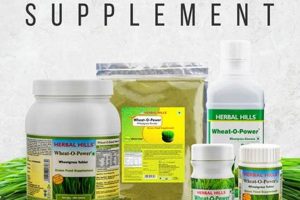
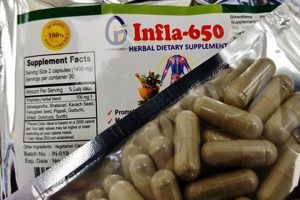
The consumption of botanical extracts and concentrates, commonly available in capsule, tablet, or liquid form, to support the body’s breakdown, absorption, and assimilation of nutrients from food is a widespread practice. These preparations often contain a single herb or a combination of multiple herbs known for their purported effects on the gastrointestinal system. For instance, ginger has been traditionally used to alleviate nausea and promote gastric emptying, while peppermint is sometimes employed to soothe intestinal discomfort and reduce bloating.
Supporting the efficient processing of food is vital for overall health and well-being. Optimal nutrient absorption ensures the body receives the necessary building blocks for cellular function, energy production, and immune defense. Throughout history, various cultures have incorporated plant-based remedies into their diets and traditional medicine systems to promote healthy digestive function and address common ailments associated with poor digestion, such as indigestion, bloating, and irregularity. The use of such remedies reflects a long-standing recognition of the link between digestive health and overall vitality.
Subsequent sections will explore the scientific evidence supporting the efficacy of specific herbal preparations, discuss potential mechanisms of action within the digestive tract, examine safety considerations and potential interactions with medications, and provide guidance on the appropriate use of these substances to support healthy gastrointestinal function.
Guidance on Utilizing Herbal Supplements for Optimal Digestion
This section provides guidance regarding the appropriate use of plant-derived supplements to promote healthy digestive function. The information presented herein is intended for educational purposes and should not be construed as medical advice. Consultation with a qualified healthcare professional is recommended prior to initiating any new supplementation regimen.
Tip 1: Select Supplements Based on Specific Digestive Needs: Different botanical substances exert varying effects on the digestive system. Identify the primary digestive concern (e.g., bloating, constipation, indigestion) and choose supplements traditionally used to address that specific issue. For instance, artichoke extract may be considered for promoting bile production, while psyllium husk may aid in regulating bowel movements.
Tip 2: Adhere to Recommended Dosages: Always follow the dosage instructions provided on the product label or as directed by a healthcare professional. Exceeding the recommended dosage may increase the risk of adverse effects. Begin with a low dose and gradually increase as tolerated.
Tip 3: Prioritize Quality and Purity: Select products from reputable manufacturers that adhere to good manufacturing practices (GMP). Look for third-party certifications that verify the identity, purity, and potency of the ingredients.
Tip 4: Be Mindful of Potential Interactions: Certain herbal preparations can interact with prescription medications. Consult with a physician or pharmacist to identify any potential interactions before combining supplements with existing medications.
Tip 5: Consider Timing of Consumption: The timing of supplement intake can influence its effectiveness. Some are most effective when taken before meals to stimulate digestive enzyme production, while others may be better tolerated after meals to reduce irritation. Research and consider what is most suitable for the chosen supplement.
Tip 6: Maintain a Healthy Lifestyle: Supplementation should be viewed as an adjunct to, and not a replacement for, a healthy diet and lifestyle. Consume a balanced diet rich in fiber, stay adequately hydrated, and engage in regular physical activity to support optimal digestive function.
Tip 7: Monitor for Adverse Effects: Pay close attention to any changes in digestive function or overall health after initiating supplementation. Discontinue use and consult with a healthcare professional if any adverse effects occur.
The judicious and informed use of plant-based supplements may contribute to improved digestive health. However, it is imperative to approach supplementation with caution and to seek professional guidance to ensure safety and efficacy. The strategies outlined above emphasize responsible integration into a comprehensive approach to overall well-being.
The following section will address specific supplement examples and their mechanisms of action.
1. Efficacy and Safety

The correlation between efficacy and safety is paramount when considering herbal supplements for digestion. Efficacy, in this context, refers to the ability of a particular supplement to produce the desired effect on the digestive system, such as reducing bloating, alleviating constipation, or improving nutrient absorption. Safety, conversely, pertains to the absence of harmful effects or adverse reactions associated with the supplement’s consumption.
The inherent complexity of the human digestive system necessitates a cautious approach to supplementation. For instance, while ginger is often recommended for nausea relief, individuals with certain pre-existing conditions, such as bleeding disorders or gallstones, may experience adverse effects. Similarly, although peppermint oil is used to ease symptoms of irritable bowel syndrome (IBS), it can exacerbate heartburn in some individuals. Therefore, an understanding of both the potential benefits and risks associated with each supplement is crucial.
The responsible use of plant-derived supplements for digestion hinges on a thorough assessment of both efficacy and safety. While anecdotal evidence and traditional use may suggest potential benefits, rigorous scientific research is essential to validate these claims. Furthermore, comprehensive safety evaluations, including considerations for potential interactions with medications and pre-existing health conditions, are necessary to ensure the well-being of consumers. A balanced approach, incorporating scientific evidence, traditional knowledge, and individual health profiles, is crucial for the informed and responsible use of herbal supplements to support digestion.
2. Individual Variability

Individual variability represents a critical consideration when evaluating the effects of plant-derived supplements on the digestive system. The human body’s response to these substances is not uniform; rather, it is influenced by a complex interplay of genetic, physiological, and environmental factors that can significantly alter both the efficacy and safety of herbal interventions.
- Genetic Predisposition
Genetic variations can affect the expression and activity of enzymes involved in the metabolism of plant compounds. For instance, polymorphisms in genes encoding cytochrome P450 enzymes may alter the rate at which an individual metabolizes specific components, leading to variations in bioavailability and potential therapeutic or adverse effects. Some individuals may be rapid metabolizers, requiring higher doses to achieve the desired effect, while others may be slow metabolizers, experiencing prolonged effects and increased risk of side effects.
- Gut Microbiome Composition
The composition and diversity of the gut microbiota play a vital role in the digestion and absorption of nutrients, as well as the biotransformation of plant compounds. Variations in the gut microbiome can influence the extent to which herbal constituents are metabolized into active or inactive forms. Certain gut bacteria may enhance the bioavailability of specific components, while others may degrade them, diminishing their therapeutic potential. Pre-existing dysbiosis can further complicate the response to herbal supplements.
- Physiological Factors
Factors such as age, sex, and overall health status can significantly impact the response to herbal supplements. For example, infants and elderly individuals may have reduced metabolic capacity, leading to altered drug metabolism and increased susceptibility to adverse effects. Pre-existing medical conditions, such as liver or kidney disease, can further impair drug clearance and necessitate careful dose adjustments. Hormonal fluctuations associated with the menstrual cycle or pregnancy can also influence the effects of certain herbal remedies.
- Environmental Influences
Environmental factors, including diet, lifestyle, and exposure to environmental toxins, can modulate the response to plant-derived supplements. Interactions with other dietary components can affect absorption and metabolism. For instance, consuming herbal supplements with fatty foods may enhance the absorption of lipophilic constituents. Exposure to environmental toxins can induce or inhibit metabolic enzymes, altering the clearance of plant compounds.
The diverse factors contributing to individual variability underscore the need for personalized approaches to plant-based supplementation. Healthcare providers should consider a patient’s genetic profile, gut microbiome composition, physiological status, and environmental exposures when recommending herbal interventions. Careful monitoring and dose adjustments are essential to optimize therapeutic outcomes and minimize the risk of adverse effects. The development of personalized supplement regimens, tailored to an individual’s unique characteristics, may ultimately enhance the efficacy and safety of herbal supplements for digestive health.
3. Dosage Precision

Dosage precision is a cornerstone of effective and safe use of plant-derived supplements for digestive support. The physiological effects of these supplements are inherently dose-dependent; insufficient quantities may yield negligible therapeutic benefits, whereas excessive amounts can trigger adverse reactions, disrupting the delicate balance of the gastrointestinal system. The therapeutic window, representing the range between minimum effective dose and maximum tolerated dose, varies significantly among different supplements and individual users, highlighting the importance of careful dosage control.
The rationale for dosage precision extends to the complex mechanisms by which these supplements interact with the digestive tract. For example, certain plant constituents stimulate digestive enzyme production, while others modulate gut motility or exert anti-inflammatory effects. These actions are often mediated by specific receptors or signaling pathways, which exhibit varying degrees of sensitivity to the active compounds. Precise dosing ensures that the target receptors are engaged optimally, maximizing the desired therapeutic effect while minimizing off-target interactions. Furthermore, inconsistent dosages can lead to unpredictable outcomes, making it difficult to assess the true efficacy of a particular supplement and increasing the risk of unintended consequences. Real-world implications of imprecise dosing can range from ineffective symptom management to severe gastrointestinal distress, underscoring the practical significance of this consideration.
In conclusion, the nexus of dosage precision and digestive herbal supplementation underscores the critical need for informed and meticulous practices. Navigating the nuances of individual requirements, supplement-specific characteristics, and potential risks necessitates a holistic and carefully calibrated approach. Dosage precision’s challenges require acknowledging and embracing the personalized nature of these supplements to effectively address diverse digestive needs while minimizing harm. The path forward emphasizes not only a deeper understanding of these factors but also improved education, responsible regulation, and open communication between users and healthcare professionals to promote both the safe and beneficial use of plant-derived digestive aids.
4. Formulation Quality

The quality of formulation significantly influences the efficacy and safety of herbal supplements intended to support digestive processes. The composition, preparation methods, and standardization procedures directly impact the bioavailability and therapeutic potential of these plant-derived substances.
- Source Material Authentication
The accurate identification and authentication of the plant species used in a formulation are crucial. Adulteration or substitution with incorrect species can compromise efficacy and introduce potential toxins. Reputable manufacturers employ rigorous testing methods, such as DNA barcoding and macroscopic/microscopic analysis, to ensure the correct botanical material is used. For instance, substituting Senna alexandrina with a related but less effective Senna species in a laxative formula would diminish its therapeutic value and potentially mislead consumers.
- Extraction and Processing Techniques
The methods used to extract and process plant material affect the concentration and stability of bioactive compounds. Different solvents and extraction techniques (e.g., maceration, percolation, supercritical fluid extraction) yield varying profiles of chemical constituents. Excessive heat or harsh chemicals during processing can degrade sensitive compounds, reducing potency. Standardized extracts, prepared using controlled processes, ensure consistent levels of key active ingredients. For example, a poorly processed ginger extract may lack sufficient levels of gingerol and shogaol, limiting its anti-nausea effects.
- Bioavailability Enhancement Strategies
Many plant compounds exhibit limited bioavailability, meaning they are poorly absorbed by the body. Formulation strategies that enhance bioavailability can improve therapeutic outcomes. These strategies include the use of liposomes, nanoparticles, or complexation with phospholipids to increase solubility and permeability. Piperine, a compound found in black pepper, is often added to formulations to enhance the absorption of other herbal ingredients, such as curcumin.
- Quality Control and Standardization
Rigorous quality control measures are essential to ensure the consistency and purity of herbal supplement formulations. Manufacturers should adhere to Good Manufacturing Practices (GMP) and conduct regular testing for heavy metals, pesticides, microbial contaminants, and other adulterants. Standardization involves quantifying the levels of specific marker compounds, ensuring that each batch of the product contains a consistent amount of the active ingredients. For example, milk thistle extracts are often standardized to a specific percentage of silymarin, the primary active compound.
The integration of authenticated ingredients, appropriate extraction techniques, bioavailability enhancement strategies, and stringent quality control measures is essential for formulating herbal supplements that effectively support digestive health. Prioritizing formulation quality ensures that consumers receive products that are both safe and efficacious, maximizing the potential benefits of these natural remedies.
5. Herb-Drug Interactions

The potential for interactions between plant-derived supplements and pharmaceutical drugs represents a significant concern in the context of digestive health. Many botanical substances contain bioactive compounds capable of modulating drug metabolism, absorption, distribution, or excretion, thereby altering the therapeutic effects or increasing the risk of adverse events. This is particularly relevant given that individuals seeking to manage digestive ailments may also be concurrently taking prescription or over-the-counter medications for other health conditions. A clinically significant herb-drug interaction can arise when a supplement either enhances or diminishes the efficacy of a prescribed medication, leading to either toxicity or therapeutic failure. For instance, St. John’s Wort, often used to alleviate mild depression, is a potent inducer of cytochrome P450 enzymes, which are responsible for metabolizing a wide array of drugs. Concurrent use of St. John’s Wort with certain immunosuppressants, such as cyclosporine, can accelerate the metabolism of the immunosuppressant, potentially leading to subtherapeutic levels and increasing the risk of organ rejection in transplant recipients.
Another example involves the use of herbal laxatives containing senna or cascara. These substances stimulate bowel movements by increasing intestinal motility. When taken concurrently with certain cardiac medications, such as digoxin, they can potentially lead to potassium depletion due to increased fluid loss. Hypokalemia (low potassium levels) can increase the risk of digoxin toxicity, potentially resulting in cardiac arrhythmias. Furthermore, supplements containing high levels of fiber, such as psyllium husk, can interfere with the absorption of certain medications if taken simultaneously. The fiber can bind to the drug in the digestive tract, preventing its absorption into the bloodstream and reducing its effectiveness. It’s crucial to consider that some supplements may also have additive effects with certain drugs. For instance, combining ginger, known for its anti-inflammatory and anti-platelet properties, with anticoagulant medications such as warfarin could increase the risk of bleeding. Regular monitoring of blood coagulation parameters may be needed in such cases.
Understanding the mechanisms of herb-drug interactions is paramount for healthcare professionals and consumers alike. Given the widespread use of both plant-derived supplements and pharmaceutical drugs, awareness of potential interactions is essential for ensuring patient safety and optimizing therapeutic outcomes. Patients should always disclose their supplement use to their healthcare providers, and providers should be knowledgeable about common herb-drug interactions and capable of providing appropriate guidance. Further research is needed to fully elucidate the complex interactions between plant-derived substances and conventional medications, allowing for evidence-based recommendations to minimize risks and maximize benefits.
6. Targeted Action

The efficacy of plant-derived supplements in promoting digestive health hinges significantly on their capacity for targeted action within the gastrointestinal tract. This concept denotes the ability of specific herbal components to selectively influence particular digestive processes or alleviate specific symptoms, minimizing off-target effects and maximizing therapeutic benefits. The digestive system, a complex and multifaceted organ system, involves numerous interdependent physiological processes, including enzymatic breakdown of food, nutrient absorption, regulation of gut motility, and maintenance of a balanced gut microbiota. A targeted approach to supplementation ensures that the chosen botanical intervention directly addresses the underlying cause of the digestive complaint, rather than simply masking the symptoms. For instance, individuals experiencing bloating and gas due to small intestinal bacterial overgrowth (SIBO) may benefit from herbal antimicrobials, such as berberine-containing plants or oregano oil, which specifically target the overgrowth of bacteria in the small intestine without disrupting the beneficial bacteria in the colon. Conversely, individuals with constipation due to slow gut motility may benefit from prokinetic herbs, such as ginger or triphala, which stimulate peristalsis and promote regular bowel movements.
The importance of targeted action extends to minimizing potential adverse effects. Non-selective herbal interventions can disrupt the delicate balance of the gut microbiota or interfere with other digestive processes, leading to unintended consequences. For example, broad-spectrum antibiotics, while effective in eradicating bacterial infections, can also eliminate beneficial bacteria, leading to dysbiosis and subsequent digestive disturbances. Similarly, indiscriminate use of herbal laxatives can result in electrolyte imbalances and dependence. A targeted approach, based on a thorough understanding of the underlying digestive issue and the specific mechanisms of action of different herbs, allows for the selection of the most appropriate intervention with the fewest potential side effects. This necessitates a careful assessment of individual digestive symptoms, medical history, and potential interactions with other medications or supplements. Real-life examples of targeted action include the use of artichoke extract to stimulate bile production in individuals with impaired fat digestion or the use of deglycyrrhizinated licorice (DGL) to soothe the esophageal lining in individuals with acid reflux.
In conclusion, targeted action is a critical determinant of the effectiveness and safety of plant-derived digestive aids. A comprehensive understanding of digestive physiology, symptom presentation, and the specific mechanisms of action of different herbs is essential for selecting the most appropriate intervention. Challenges in achieving targeted action include the complexity of the digestive system, the potential for individual variability in response to herbal interventions, and the need for rigorous scientific research to validate the efficacy and safety of specific herbal combinations. However, by prioritizing targeted action, healthcare practitioners can optimize the therapeutic benefits of plant-derived supplements while minimizing the risk of adverse effects, ultimately improving the digestive health and overall well-being of their patients.
7. Dietary Synergy

The interaction between dietary habits and botanical supplementation strategies constitutes a critical element in optimizing digestive function. Dietary synergy, in this context, describes the collaborative effect achieved when specific food choices and herbal supplements are strategically combined to enhance digestive processes beyond what either intervention could accomplish independently. This approach recognizes the interdependent nature of nutrition and herbal medicine in fostering a balanced and efficient digestive system.
- Enhanced Nutrient Absorption
Certain herbal supplements can improve the absorption of nutrients from food, particularly when paired with specific dietary choices. For instance, consuming turmeric, known for its anti-inflammatory properties, with black pepper, containing piperine, significantly increases curcumin absorption. Similarly, digestive enzyme supplements can enhance the breakdown of complex carbohydrates and proteins when consumed with meals rich in these macronutrients. This synergy ensures that the body effectively utilizes the nutrients available in the diet, promoting overall health and well-being.
- Improved Gut Microbiome Balance
The composition of the gut microbiome is profoundly influenced by dietary intake and can be further modulated by herbal interventions. Prebiotic-rich foods, such as onions, garlic, and bananas, provide nourishment for beneficial gut bacteria, while probiotic supplements introduce live microorganisms to the gut. Combining these strategies with herbal supplements that possess prebiotic or antimicrobial properties, such as ginger or oregano oil, can help to restore and maintain a healthy gut microbiome balance. A balanced gut microbiome is essential for proper digestion, immune function, and overall health.
- Synergistic Symptom Relief
Specific dietary modifications and herbal supplements can work synergistically to alleviate common digestive symptoms, such as bloating, gas, and indigestion. For example, a low-FODMAP diet, which restricts the intake of certain fermentable carbohydrates, can reduce gas production and bloating in individuals with irritable bowel syndrome (IBS). When combined with herbal carminatives, such as peppermint or fennel, which help to relax the digestive tract and promote the expulsion of gas, the synergistic effect can provide significant symptom relief.
- Modulation of Inflammatory Responses
Chronic inflammation in the digestive tract can impair digestive function and contribute to various gastrointestinal disorders. Dietary choices that emphasize anti-inflammatory foods, such as fruits, vegetables, and omega-3 fatty acids, can help to reduce inflammation. Combining these dietary strategies with herbal supplements that possess anti-inflammatory properties, such as turmeric, ginger, or chamomile, can provide a synergistic effect in modulating inflammatory responses and promoting gut health.
In summary, dietary synergy plays a crucial role in maximizing the benefits of plant-derived supplements for digestive health. By strategically combining specific food choices with appropriate herbal interventions, individuals can enhance nutrient absorption, improve gut microbiome balance, alleviate digestive symptoms, and modulate inflammatory responses. This holistic approach acknowledges the interdependent nature of nutrition and herbal medicine in fostering a balanced and efficient digestive system, ultimately promoting overall health and well-being.
Frequently Asked Questions
This section addresses common inquiries concerning the utilization of plant-derived supplements to support the digestive process. The information provided is intended for educational purposes and should not be interpreted as medical advice. Consultation with a qualified healthcare professional is recommended before initiating any new supplementation regimen.
Question 1: Are plant-based digestive aids universally safe for consumption?
The safety profile of botanical digestive supports varies significantly depending on the specific herb, the individual’s health status, and potential interactions with other medications. Certain herbal preparations may be contraindicated for individuals with pre-existing medical conditions, such as liver or kidney disease, or those taking prescription medications. Thorough research and consultation with a qualified healthcare provider are essential to determine the suitability of a particular supplement.
Question 2: What constitutes a standardized herbal extract, and why is it important?
A standardized botanical extract is one that contains a consistent and measurable amount of one or more specific bioactive compounds, known as marker compounds. Standardization ensures that each dose of the extract delivers a predictable therapeutic effect. This is important because the concentration of bioactive compounds can vary significantly depending on the plant species, growing conditions, harvesting methods, and extraction techniques.
Question 3: Can herbal supplements interact with prescription medications, and if so, how?
Yes, plant-derived supplements can interact with prescription medications through various mechanisms, including altering drug metabolism, absorption, distribution, or excretion. These interactions can either increase or decrease the effectiveness of the medication or increase the risk of adverse effects. For example, St. John’s Wort, a popular herbal remedy for depression, can reduce the effectiveness of certain medications, including oral contraceptives and immunosuppressants.
Question 4: What are the key considerations when selecting a high-quality herbal digestive aid?
When selecting a high-quality botanical digestive aid, several factors should be considered, including the reputation of the manufacturer, the source and authentication of the plant material, the standardization of the extract, and the presence of third-party certifications verifying the product’s purity and potency. It is also important to choose a product that is appropriate for the specific digestive concern being addressed.
Question 5: How should plant-based digestive aids be incorporated into a comprehensive digestive health plan?
Plant-derived digestive aids should be viewed as an adjunct to, and not a replacement for, a healthy diet and lifestyle. A comprehensive digestive health plan should include a balanced diet rich in fiber, regular physical activity, adequate hydration, and stress management techniques. Supplementation should be targeted to address specific digestive concerns and should be undertaken under the guidance of a qualified healthcare professional.
Question 6: Are there any potential adverse effects associated with the use of plant-derived digestive aids?
Yes, plant-derived digestive aids can cause adverse effects in some individuals. These effects can range from mild gastrointestinal discomfort, such as bloating or diarrhea, to more serious reactions, such as allergic reactions or drug interactions. The risk of adverse effects can be minimized by selecting high-quality products, adhering to recommended dosages, and consulting with a qualified healthcare professional before initiating supplementation.
The judicious use of plant-based supplements may contribute to improved digestive health. However, it is imperative to approach supplementation with caution and to seek professional guidance to ensure safety and efficacy. The strategies outlined above emphasize responsible integration into a comprehensive approach to overall well-being.
The following section will provide concluding remarks regarding this topic.
Conclusion
The preceding sections have explored the complex interplay between plant-derived supplements and the human digestive system. From elucidating the mechanisms of action to addressing safety considerations and dosage precision, this exploration has underscored the multifaceted nature of this practice. The discussion has highlighted the importance of understanding individual variability, formulation quality, and the potential for herb-drug interactions when considering the use of these substances to support digestive health. Furthermore, dietary synergy and targeted action have been presented as crucial factors in optimizing the therapeutic benefits of botanical interventions.
The responsible integration of plant-based supplements into a comprehensive digestive health plan necessitates a cautious and informed approach. Continued research into the efficacy and safety of specific herbal preparations, coupled with enhanced regulatory oversight, is essential to ensuring consumer protection and maximizing the potential benefits of these natural remedies. The ultimate goal remains the optimization of digestive function and the promotion of overall well-being through evidence-based strategies and personalized care.