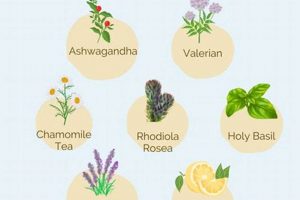
Botanical treatments utilized to alleviate difficulty initiating or maintaining sleep represent a significant area of interest for individuals seeking non-pharmaceutical interventions. These preparations often contain bioactive compounds believed to promote relaxation and regulate sleep cycles, potentially offering a gentler approach compared to conventional medications. An example includes preparations using valerian root, chamomile, or lavender, known for their calming properties.
The appeal of plant-derived solutions for sleep-related issues stems from their perceived natural origin and a lower risk of certain side effects associated with prescription sleep aids. Throughout history, various cultures have employed specific plants to address restlessness and promote restful sleep. The effectiveness of these approaches is currently under investigation, with ongoing research exploring the specific mechanisms and efficacy of different botanical ingredients in managing insomnia and other sleep disturbances.
The subsequent sections will delve into specific plant-based options traditionally used to improve sleep quality, examining their purported mechanisms of action, potential benefits, and safety considerations. The article will also address research findings regarding their effectiveness and discuss important factors to consider when selecting and using these treatments.
Guidance for Utilizing Plant-Based Approaches to Address Insomnia
The following recommendations provide insights into the responsible and informed use of botanical therapies intended to improve sleep quality. These suggestions emphasize safety, efficacy, and appropriate application.
Tip 1: Prioritize Consultation with a Healthcare Professional: Before initiating any herbal regimen for sleep disturbances, obtain guidance from a qualified physician or healthcare provider. This ensures the remedy is appropriate given the individual’s health status, existing medications, and potential allergies.
Tip 2: Conduct Thorough Research of Individual Components: Investigate the specific plant ingredients included in the selected remedy. Evaluate the available scientific evidence supporting its efficacy and potential side effects.
Tip 3: Adhere to Recommended Dosages: Strictly follow the dosage instructions provided on the product label or as advised by a healthcare professional. Exceeding the recommended dose does not necessarily improve efficacy and may increase the risk of adverse reactions.
Tip 4: Observe Timing and Consistency: Administer the preparation at a consistent time each evening, ideally 30-60 minutes prior to the anticipated bedtime. Maintaining a regular schedule can optimize its potential benefits.
Tip 5: Be Mindful of Potential Interactions: Exercise caution when combining botanical sleep aids with other medications, supplements, or alcohol. Interactions can alter the effects of both substances and may lead to undesirable consequences.
Tip 6: Initiate Use Gradually: Commence with a low dose to assess individual tolerance and sensitivity. Incrementally increase the dosage, if necessary, while closely monitoring for any adverse effects.
Tip 7: Evaluate Efficacy and Adjust Accordingly: Track sleep patterns and perceived improvements over a period of several weeks. If no significant benefit is observed, or if symptoms worsen, discontinue use and seek alternative approaches.
These guidelines promote the safe and effective integration of plant-derived therapies into a comprehensive sleep hygiene strategy. Responsible use is paramount in maximizing potential benefits and minimizing the risk of adverse effects.
The subsequent sections will explore specific plant-based options and their related research.
1. Identification

Accurate identification of botanical ingredients is a foundational element in the safe and effective utilization of herbal remedies for sleeplessness. Misidentification poses significant risks, potentially leading to ineffective treatment or adverse health consequences due to the ingestion of incorrect plant species.
- Species Verification
Confirmation of the precise plant species is paramount. Different species within the same genus can possess vastly different chemical compositions and therapeutic properties. For example, true chamomile (Matricaria chamomilla) should be distinguished from Roman chamomile (Chamaemelum nobile), as their sedative properties may differ. Reliable identification often necessitates expert botanical knowledge or laboratory analysis.
- Authenticity and Adulteration
Ensuring the purchased product contains the purported herbal ingredient without adulteration is critical. Adulteration, the addition of foreign or substitute substances, can dilute therapeutic effects or introduce harmful compounds. Reputable suppliers implement quality control measures, including chromatographic analysis, to verify authenticity. Instances of herbal supplements containing undeclared pharmaceuticals underscore the importance of this facet.
- Proper Naming Conventions
Utilizing correct scientific nomenclature (binomial nomenclature) is essential for unambiguous communication and accurate sourcing. Common names can vary geographically and may refer to multiple species. Consistently using Latin names (e.g., Valeriana officinalis for valerian root) reduces the risk of confusion and ensures the correct plant material is obtained. Clear labeling practices are vital in conveying this information to consumers.
- Harvesting and Handling
The stage of plant development at harvest and the subsequent handling practices can influence the potency and safety of the herbal remedy. Improper drying or storage can lead to degradation of active constituents or the proliferation of mold. Sourcing from suppliers who adhere to Good Agricultural and Collection Practices (GACP) minimizes these risks.
These identification facets are interconnected and collectively contribute to the reliability and safety of using botanical treatments for sleep disturbances. A breakdown in any of these areas can compromise the effectiveness of the intervention or, worse, pose a health risk to the consumer. Therefore, prioritizing accurate identification and sourcing from reputable suppliers are crucial steps in utilizing herbal remedies responsibly.
2. Preparation

The manner in which herbal remedies are prepared significantly influences their efficacy and safety in addressing sleeplessness. Different preparation methods extract varying amounts of bioactive compounds, potentially altering the therapeutic effect. Careful consideration of preparation techniques is thus crucial for optimizing the benefits of botanical interventions.
- Extraction Method
The choice of solvent and extraction process dictates which compounds are solubilized and concentrated from the plant material. Aqueous extracts, such as teas, are suitable for water-soluble constituents, while alcoholic tinctures are more effective for extracting resins and alkaloids. The selection of extraction method should align with the desired chemical profile of the remedy. For example, valerian root tinctures, employing ethanol as a solvent, may yield a greater concentration of valepotriates compared to simple infusions.
- Dosage Form
The form in which the remedy is administered capsules, tablets, teas, liquid extracts affects absorption rates and bioavailability. Encapsulated powders may offer a standardized dose, while teas provide a more dilute and potentially less potent preparation. Gastrointestinal factors also impact absorption, with liquid extracts potentially exhibiting faster onset of action. The selection of dosage form should consider individual preferences and desired pharmacokinetic properties. Chamomile, commonly consumed as a tea, offers a readily accessible and palatable option.
- Standardization
Standardized herbal extracts contain a specified concentration of one or more marker compounds. This ensures batch-to-batch consistency and allows for more predictable dosing. For instance, a valerian extract standardized to a certain percentage of valerenic acid provides greater assurance of potency compared to a non-standardized product. Standardization enhances the reliability of the therapeutic effect and facilitates research efforts.
- Processing Techniques
Techniques such as drying, grinding, and encapsulation can impact the stability and quality of the final product. Proper drying methods prevent mold growth and preserve active constituents. Fine grinding increases the surface area for extraction. Encapsulation protects sensitive compounds from degradation. Adherence to Good Manufacturing Practices (GMP) throughout the processing chain is essential for ensuring product quality and safety.
These aspects of preparation are intrinsically linked to the therapeutic potential of herbal remedies for sleeplessness. The selection of appropriate extraction methods, dosage forms, standardized extracts, and careful processing techniques can collectively optimize the efficacy and safety of botanical interventions, providing a more reliable and predictable approach to addressing sleep disturbances.
3. Dosage

The concept of dosage is inextricably linked to the therapeutic effectiveness and safety of any herbal remedy intended to alleviate sleeplessness. Dosage, defined as the quantity of the herbal preparation administered, dictates the extent to which active constituents interact with the body’s physiological systems to promote sleep. An insufficient dose may result in a lack of therapeutic effect, failing to induce or maintain sleep. Conversely, an excessive dose can lead to adverse effects, ranging from mild gastrointestinal discomfort to more severe consequences, such as drug interactions or toxicity.
The appropriate dosage for a given botanical agent depends on multiple factors, including the individual’s weight, age, overall health status, and sensitivity to the specific herb. Furthermore, the potency of the herbal preparation itself varies depending on the plant species, cultivation practices, harvesting methods, and extraction techniques employed during manufacturing. Real-life examples underscore the importance of precise dosing. For instance, studies on valerian root have demonstrated that lower doses (e.g., less than 400 mg) may be ineffective for many individuals experiencing insomnia, whereas higher doses (e.g., 600 mg or more) can significantly improve sleep latency and quality. Similarly, exceeding the recommended dosage of melatonin, a hormone-like substance derived from plants, can disrupt the natural sleep-wake cycle and lead to daytime grogginess.
In summary, dosage is a critical determinant of the efficacy and safety of herbal remedies for sleeplessness. Careful consideration of individual factors, the potency of the herbal preparation, and adherence to recommended guidelines are essential for maximizing therapeutic benefits and minimizing the risk of adverse events. Consultation with a qualified healthcare professional is advisable to establish an appropriate dosage regimen tailored to the individual’s specific needs and circumstances.
4. Mechanism

The mechanism of action by which a botanical agent exerts its therapeutic effect on sleeplessness is a critical determinant of its suitability and potential efficacy. Understanding the underlying physiological processes influenced by specific plant-derived compounds allows for a rational selection of remedies and a prediction of potential interactions. These processes can involve modulation of neurotransmitter activity, hormonal regulation, or direct interaction with receptor sites in the central nervous system. The absence of a well-defined mechanism can lead to inconsistent results and an inability to predict individual responses.
For example, chamomiles purported sleep-promoting effects are often attributed to apigenin, a flavonoid compound that binds to benzodiazepine receptors in the brain. This interaction may produce a mild sedative effect, similar to certain prescription medications, though typically to a lesser extent. Valerian root, another common remedy, is believed to influence gamma-aminobutyric acid (GABA) neurotransmission, a system known for its role in regulating neuronal excitability and promoting relaxation. These examples illustrate how specific plant compounds can target distinct physiological pathways to influence sleep. Conversely, some preparations lack clearly defined mechanisms, relying on anecdotal evidence and traditional use without rigorous scientific validation, making their efficacy less predictable.
The elucidation of mechanisms not only enhances the rational application of botanical treatments but also informs dosage optimization and the identification of potential contraindications. Challenges remain in fully characterizing the complex interplay between multiple compounds within a given plant extract and their interactions with the human body. Nevertheless, a focus on understanding mechanisms is essential for advancing the evidence-based use of herbal remedies for sleeplessness and integrating them effectively into a comprehensive sleep management strategy.
5. Efficacy

The assessment of efficacy constitutes a critical juncture in determining the suitability of any botanical intervention aimed at alleviating sleeplessness. Efficacy, defined as the demonstrated capacity to produce a desired or intended result, directly informs the clinical value of herbal remedies and guides informed decision-making by both practitioners and consumers. Rigorous evaluation is paramount, given the potential for placebo effects and the inherent variability in plant-derived compounds.
- Clinical Trial Evidence
Randomized, placebo-controlled clinical trials represent the gold standard for evaluating the efficacy of herbal remedies. These studies compare the effects of the herbal intervention against a control group receiving a placebo or standard treatment. Positive outcomes, such as statistically significant improvements in sleep latency, sleep duration, or sleep quality, provide compelling evidence of efficacy. The presence of multiple, well-designed clinical trials supporting a particular remedy strengthens the confidence in its potential benefits. For example, meta-analyses of clinical trials examining valerian root have yielded mixed results, with some studies showing statistically significant improvements in sleep parameters and others demonstrating no significant difference compared to placebo.
- Subjective vs. Objective Measures
Efficacy assessments incorporate both subjective and objective measures of sleep quality. Subjective measures, such as sleep diaries and questionnaires, capture the individual’s perception of their sleep experience. Objective measures, such as polysomnography (sleep studies), provide physiological data on brainwave activity, eye movements, and muscle tone during sleep. Concordance between subjective and objective measures strengthens the validity of efficacy claims. Discrepancies may indicate placebo effects or limitations of subjective reporting. Polysomnographic studies are particularly valuable for assessing the impact of herbal remedies on sleep architecture and identifying potential disruptions to normal sleep patterns.
- Dosage and Duration
Efficacy is intrinsically linked to the dosage and duration of treatment. The appropriate dosage must be identified through dose-response studies to maximize therapeutic benefits while minimizing adverse effects. Similarly, the optimal duration of treatment must be determined to achieve sustained improvements in sleep quality. Short-term studies may not capture the full potential of a remedy, while long-term studies are needed to assess its long-term safety and efficacy. Insufficient attention to dosage and duration can lead to inaccurate conclusions regarding efficacy.
- Individual Variability
Individual variability in response to herbal remedies poses a significant challenge to efficacy assessments. Factors such as age, genetics, metabolism, and concurrent medications can influence the way an individual responds to a particular remedy. Subgroup analyses within clinical trials can help identify potential predictors of response and tailor treatment recommendations accordingly. Acknowledging and addressing individual variability is crucial for optimizing treatment outcomes and minimizing the risk of adverse effects.
The multifaceted nature of efficacy assessment underscores the need for rigorous scientific investigation and critical evaluation of available evidence. The integration of clinical trial data, subjective and objective measures, consideration of dosage and duration, and awareness of individual variability are essential for determining the true potential of herbal remedies in alleviating sleeplessness and promoting restful sleep. Further research is warranted to address existing gaps in knowledge and refine the evidence base for these interventions.
6. Safety

The assurance of safety stands as a paramount consideration in the context of botanical interventions for sleeplessness. The inherent “natural” origin of these remedies does not inherently guarantee their harmlessness. Adverse effects, drug interactions, and contraindications represent potential risks that necessitate thorough evaluation and informed utilization. The absence of stringent regulatory oversight, in some jurisdictions, further emphasizes the responsibility of both practitioners and consumers to prioritize safety. A lack of comprehensive safety data can lead to unpredictable outcomes, undermining the therapeutic value of the intervention. For instance, certain herbal preparations, such as those containing kava, have been associated with liver toxicity, underscoring the importance of pre-emptive safety assessments.
Evaluation of safety involves considering potential allergic reactions, interactions with prescription medications or other supplements, and contraindications for specific populations, such as pregnant or breastfeeding women, children, or individuals with pre-existing medical conditions. Some botanicals, while generally well-tolerated, may induce mild side effects such as gastrointestinal upset, headache, or dizziness. More severe adverse events, though less common, can include cardiovascular effects, neurological symptoms, or hepatotoxicity. Thorough research of the individual components of an herbal remedy, including a review of available safety data and potential interactions, is essential. Furthermore, sourcing products from reputable manufacturers who adhere to Good Manufacturing Practices (GMP) can minimize the risk of contamination or adulteration.
In conclusion, a comprehensive understanding of safety considerations is indispensable for the responsible use of herbal remedies in addressing sleeplessness. The potential for adverse effects, drug interactions, and contraindications necessitates careful evaluation and informed decision-making. Prioritizing safety through thorough research, reputable sourcing, and consultation with qualified healthcare professionals is crucial for maximizing therapeutic benefits while minimizing the risk of harm. The perception of “natural” does not equate to automatic safety, and a cautious approach is warranted to ensure positive outcomes.
7. Regulation

Regulatory oversight significantly impacts the availability, quality, and safety of botanical sleep aids. The level of regulation varies substantially across different countries and jurisdictions, directly affecting consumer access and the types of claims manufacturers can make regarding product efficacy. In regions with minimal regulatory controls, products may be marketed without rigorous testing for purity, potency, or safety, potentially exposing consumers to risks associated with adulteration, contamination, or inaccurate labeling. Conversely, stricter regulatory frameworks mandate adherence to specific quality control standards, requiring manufacturers to provide evidence supporting safety and efficacy claims. This leads to a more reliable marketplace, albeit potentially with fewer available options due to the increased cost and complexity of compliance. For instance, in some European countries, herbal medicinal products are subject to similar regulatory requirements as conventional pharmaceuticals, demanding clinical trial data and quality assurance protocols. This contrasts sharply with the less stringent regulations in many parts of the United States, where botanical products are often classified as dietary supplements and are not subject to pre-market approval by regulatory agencies.
The effect of regulation extends beyond product safety and quality to influence the types of information consumers receive. Strict regulations often permit only substantiated claims related to health benefits, preventing misleading or exaggerated marketing. In contrast, regions with lax oversight may allow manufacturers to promote products with unsubstantiated claims, potentially leading consumers to make uninformed choices. Furthermore, regulations can influence the availability of specific herbal ingredients, with some substances being restricted or banned due to safety concerns. This can limit consumer access to certain remedies while simultaneously mitigating the risk of adverse health outcomes associated with potentially hazardous substances. The German Commission E, for example, has published monographs evaluating the safety and efficacy of numerous herbal medicines, influencing regulatory decisions in Germany and other European countries. Similarly, the European Medicines Agency (EMA) provides scientific guidance on the assessment of herbal medicinal products, promoting harmonized standards across the European Union.
Effective regulatory frameworks are essential for ensuring consumer safety and promoting informed decision-making regarding botanical sleep aids. While stringent regulations can increase costs and limit product availability, they also provide greater assurance of quality, safety, and substantiated efficacy claims. Conversely, lax regulations can expose consumers to risks associated with adulteration, contamination, and misleading marketing. The challenge lies in striking a balance between promoting innovation and consumer access while safeguarding public health through appropriate regulatory oversight. Increased international cooperation and harmonization of regulatory standards could contribute to a more consistent and reliable marketplace for herbal remedies for sleeplessness.
Frequently Asked Questions Regarding Herbal Remedies for Sleeplessness
The following addresses frequently asked questions concerning the utilization of herbal preparations to manage sleeplessness. Information provided aims to offer clarity and evidence-based guidance.
Question 1: Are “natural” herbal remedies inherently safer than prescription sleep medications?
The “natural” designation does not guarantee safety. Herbal remedies contain active compounds that can interact with the body and other medications. Potential adverse effects and contraindications exist. Consultation with a healthcare professional is advised.
Question 2: How can the efficacy of an herbal remedy for sleeplessness be determined?
Efficacy is best evaluated through rigorous scientific evidence, including randomized, placebo-controlled clinical trials. Subjective reports should be corroborated by objective measures. The absence of robust clinical data warrants caution.
Question 3: What factors influence the appropriate dosage of an herbal sleep aid?
Appropriate dosage varies based on individual factors, including age, weight, health status, and sensitivity to the specific herb. Product potency, extraction methods, and standardization levels also play a role. Adherence to recommended guidelines is essential.
Question 4: How can potential interactions between herbal remedies and prescription medications be identified?
Potential interactions should be investigated through a thorough review of available scientific literature and consultation with a qualified healthcare provider or pharmacist. Disclosure of all medications and supplements to the healthcare provider is crucial.
Question 5: What regulatory oversight governs the production and sale of herbal remedies for sleeplessness?
Regulatory oversight varies considerably across different jurisdictions. Products in regions with minimal regulation may lack rigorous testing for purity, potency, and safety. Sourcing from reputable manufacturers with established quality control practices is recommended.
Question 6: Can herbal remedies effectively address chronic or severe insomnia?
While certain herbal remedies may offer some benefit for mild or transient sleep disturbances, chronic or severe insomnia often requires a comprehensive treatment approach, potentially involving behavioral therapy, prescription medications, or other interventions. Consultation with a sleep specialist is advisable.
These FAQs aim to provide informed guidance on the responsible utilization of herbal remedies for sleeplessness. Prioritizing safety, evidence-based decision-making, and professional consultation is essential.
The subsequent section will provide a summary.
Herbal Remedy for Sleeplessness
The foregoing exploration has illuminated the multifaceted nature of botanical interventions for sleeplessness. The effectiveness and safety surrounding the use of a botanical agent are inextricably linked to factors encompassing identification, preparation, dosage, mechanism of action, efficacy, safety protocols, and adherence to prevailing regulatory standards. A superficial understanding of these elements can undermine the potential benefits and introduce unwarranted risks. The prudent application of botanical therapies demands a commitment to evidence-based decision-making, rigorous product sourcing, and informed professional guidance.
Given the inherent complexities and potential variability associated with plant-derived compounds, consumers and healthcare practitioners must approach “herbal remedy for sleeplessness” with judiciousness and discernment. Further research is imperative to fully elucidate the mechanisms of action, optimize dosage regimens, and establish comprehensive safety profiles for these interventions. Only through sustained scientific inquiry and rigorous quality control can the true therapeutic potential of botanical sleep aids be realized, ensuring both efficacy and patient well-being. The pursuit of restful sleep demands a responsible and informed approach.