The accumulation of thick mucus in the respiratory tract, specifically the throat, can cause discomfort and breathing difficulties. Natural substances, derived from plants, have traditionally been used to alleviate this condition. These plant-based treatments aim to thin mucus, facilitate its expulsion, and soothe irritated airways. For example, some individuals use preparations made from eucalyptus leaves to help clear congestion and ease breathing.
Managing excessive mucus production is essential for respiratory health and overall well-being. Historically, diverse cultures have relied on botanical solutions to address respiratory ailments. These remedies offer potential benefits such as reduced inflammation, easier expectoration, and a more comfortable breathing experience. The appeal of these approaches often lies in their perceived gentleness and synergy with the body’s natural processes.
The following sections will delve into specific plants recognized for their potential to aid in clearing excessive mucus from the throat, explore their mechanisms of action, and discuss considerations for their safe and effective use.
Guidance on Natural Approaches to Address Throat Congestion
The subsequent recommendations outline key considerations when utilizing plant-based methods to manage excessive mucus in the throat. These tips emphasize responsible usage and awareness of potential interactions.
Tip 1: Hydration is Paramount: Adequate fluid intake is crucial for thinning mucus secretions. Water, herbal teas, and broths can aid in loosening phlegm and facilitating its removal through coughing.
Tip 2: Steam Inhalation May Provide Relief: Inhaling steam, with or without added essential oils like eucalyptus or peppermint, can help to moisten the airways and loosen mucus. Care should be taken to avoid burns.
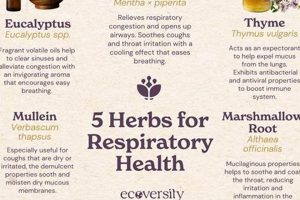
Tip 3: Consider Specific Botanical Options: Certain plants, such as ginger, thyme, and licorice root, have demonstrated potential mucolytic and expectorant properties. Research the specific benefits and potential risks of each plant before use.
Tip 4: Employ Honey as a Soothing Agent: Honey possesses demulcent properties, which can help soothe an irritated throat and potentially reduce coughing. It is not suitable for infants under one year of age.
Tip 5: Dietary Adjustments May Be Beneficial: Limiting consumption of dairy products, processed foods, and sugary drinks may reduce mucus production in some individuals. Observe individual responses to dietary changes.
Tip 6: Monitor for Allergic Reactions: Be vigilant for any signs of allergic reactions to herbal preparations, such as skin rashes, itching, or difficulty breathing. Discontinue use immediately if an allergic reaction occurs.
Tip 7: Consult with a Healthcare Professional: Before initiating any new herbal regimen, especially if underlying health conditions exist or medications are being taken, consultation with a qualified healthcare provider is advisable. This ensures safety and avoids potential interactions.
The integration of these strategies, under appropriate guidance, may contribute to the effective management of throat congestion. Remember to prioritize safety and individual needs when exploring these options.
The following section will address potential risks and precautions associated with using plant-based remedies for managing excessive mucus.
1. Efficacy Assessment

The evaluation of effectiveness is paramount when considering plant-based treatments for excessive mucus in the throat. Rigorous assessment helps to determine whether a particular botanical intervention demonstrably alleviates symptoms and improves patient outcomes. This evaluation extends beyond anecdotal evidence and incorporates scientific methodologies.
- Clinical Trials and Research Studies
Randomized controlled trials (RCTs) are essential for evaluating the effectiveness of herbal remedies. These trials compare the effects of the herbal intervention to a placebo or a standard treatment, providing evidence-based insights into its ability to reduce mucus production, ease expectoration, or soothe throat irritation. For example, a clinical trial might assess the effectiveness of a thyme extract in reducing the severity and duration of cough associated with phlegm.
- Mechanism of Action Investigations
Understanding how an herbal remedy works at a biological level is crucial for assessing its potential effectiveness. Research into the active compounds responsible for the remedy’s effects and their interactions with the body helps to validate its purported benefits. For instance, studies investigating the mucolytic properties of specific compounds found in eucalyptus oil can support its traditional use for clearing mucus.
- Dosage and Formulation Standardization
The effectiveness of an herbal remedy can vary significantly depending on the dosage and formulation used. Standardizing the preparation and ensuring consistent levels of active compounds are essential for reliable efficacy assessment. An evaluation might compare the effects of different concentrations of licorice root extract on mucus viscosity, helping to determine the optimal dosage for therapeutic benefit.
- Patient-Reported Outcomes (PROs) and Quality of Life Measures
Beyond objective measures, patient-reported outcomes provide valuable insights into the perceived benefits of herbal remedies. Assessing changes in cough frequency, throat discomfort, or ease of breathing can help to determine the real-world impact of the intervention. These assessments can be conducted through standardized questionnaires and scales that evaluate the patient’s overall experience and quality of life.
The comprehensive assessment of efficacy, incorporating clinical trials, mechanistic studies, dosage standardization, and patient-reported outcomes, is critical for validating the use of plant-based remedies for managing throat congestion. This rigorous approach helps to ensure that individuals are using interventions that are both safe and effective.
2. Safety Considerations

The use of botanical treatments to address throat congestion necessitates careful attention to safety. Unlike pharmaceutical interventions, botanical remedies are not always subject to stringent regulatory oversight, potentially leading to variability in quality and potency. A direct consequence of inadequate safety assessment is the risk of adverse reactions, including allergic responses, gastrointestinal distress, or interactions with existing medications. For instance, the consumption of certain herbal expectorants may exacerbate underlying respiratory conditions, particularly in individuals with asthma. Therefore, integrating robust safety protocols is an indispensable component of utilizing plant-based approaches for managing mucus in the throat.
Individual factors, such as age, pre-existing health conditions, and concurrent medication use, significantly influence the safety profile of a specific botanical treatment. The potential for herb-drug interactions is a particularly salient concern. For example, St. John’s Wort, sometimes used to alleviate anxiety, can reduce the effectiveness of certain cough suppressants or expectorants, potentially prolonging the duration of respiratory symptoms. Similarly, pregnant or breastfeeding women require specialized guidance, as some botanical compounds can have teratogenic or lactogenic effects. Thorough assessment of individual circumstances is essential to mitigate potential risks associated with the administration of plant-derived remedies.
In summary, prioritizing safety is paramount when considering botanical treatments for excessive mucus. Vigilance regarding potential adverse effects, coupled with awareness of individual health factors and herb-drug interactions, are indispensable for ensuring responsible usage. Consulting qualified healthcare professionals with expertise in herbal medicine is critical to navigating the complexities of plant-based interventions and optimizing patient safety. The responsible integration of safety protocols within botanical remedy practices enables individuals to mitigate potential risks, promoting both efficacy and well-being.
3. Dosage Guidelines

Appropriate dosage is a critical determinant of both the safety and efficacy of plant-based interventions aimed at alleviating throat congestion. Deviation from established dosage guidelines can result in either therapeutic failure or adverse events. Establishing these guidelines is essential for the responsible use of botanical treatments.
- Standardization of Herbal Preparations
The variability in the concentration of active compounds in herbal products presents a significant challenge to establishing accurate dosage guidelines. Standardization aims to ensure consistent potency across different batches and brands. For example, a standardized extract of ivy leaf for cough relief will specify the percentage of hederacoside C, allowing for precise dosing based on this marker compound. The absence of standardization can lead to unpredictable therapeutic effects.
- Weight and Age Considerations
Body weight and age influence drug metabolism and excretion, affecting the appropriate dosage of herbal remedies. Pediatric and geriatric populations often require adjusted doses due to differences in physiological function. For instance, the recommended dosage of eucalyptus oil for steam inhalation in children is significantly lower than that for adults to avoid potential respiratory irritation. Dosage adjustments based on individual factors are necessary to minimize the risk of adverse effects.
- Acute Versus Chronic Use
Dosage guidelines may differ depending on whether the herbal remedy is intended for acute or chronic use. Higher doses may be appropriate for short-term relief of acute symptoms, while lower doses are often recommended for long-term maintenance. For example, a higher dose of ginger may be used to alleviate acute throat irritation, while a lower daily dose may be recommended for individuals with chronic mucus production. This differentiation is critical for optimizing therapeutic outcomes and minimizing potential side effects.
- Consultation with Healthcare Professionals
Due to the complexities of herbal medicine and individual variability, consultation with a qualified healthcare provider is essential for determining appropriate dosage guidelines. Healthcare professionals can assess individual needs, consider potential herb-drug interactions, and provide personalized recommendations. Seeking professional guidance is particularly important for individuals with underlying health conditions or those taking prescription medications.
The establishment and adherence to appropriate dosage guidelines are fundamental to the safe and effective utilization of plant-based treatments for throat congestion. Standardization of herbal preparations, consideration of individual factors, and consultation with healthcare professionals are critical components of responsible herbal medicine practices.
4. Herb Interactions

The interplay between various herbal substances and other medications, supplements, or even foods, constitutes a critical consideration in the context of plant-based approaches to alleviate throat congestion. Undesirable interactions can compromise the efficacy of the herbal remedy, amplify its side effects, or interfere with the action of concurrently administered treatments. Therefore, a comprehensive understanding of potential herb interactions is essential for ensuring patient safety and therapeutic success.
- Pharmacokinetic Interactions
These interactions affect the absorption, distribution, metabolism, or excretion of a drug or herb. For example, St. John’s Wort, an herb sometimes used for mood elevation, can induce liver enzymes that accelerate the metabolism of many pharmaceutical drugs, potentially reducing their effectiveness. In the context of a botanical expectorant, St. John’s Wort could diminish the efficacy of a cough suppressant taken concurrently, leading to prolonged symptoms. Understanding these pharmacokinetic pathways is crucial for preventing unintended therapeutic outcomes.
- Pharmacodynamic Interactions
Pharmacodynamic interactions occur when two or more substances have additive, synergistic, or antagonistic effects on the body. An example is the concurrent use of licorice root, known for its anti-inflammatory properties, with corticosteroid medications. Both substances can elevate cortisol levels, potentially leading to hypertension or fluid retention. In the management of throat congestion, this interaction could exacerbate underlying cardiovascular conditions. Careful monitoring and dose adjustments may be necessary to mitigate these risks.
- Herb-Food Interactions
Certain foods can alter the absorption or metabolism of herbs, influencing their therapeutic effects. For example, grapefruit juice inhibits certain enzymes in the gut wall, potentially increasing the bioavailability of some herbal constituents, leading to elevated plasma concentrations and increased risk of side effects. Consuming grapefruit juice concurrently with a botanical remedy for phlegm, such as ginger, could amplify its anti-inflammatory effects but also increase the risk of gastrointestinal upset. Awareness of these interactions is essential for optimizing therapeutic outcomes.
- Additive Effects and Contraindications
The combination of multiple herbs with similar mechanisms of action can lead to additive effects, increasing both the therapeutic benefit and the risk of adverse reactions. Conversely, some herbs are contraindicated for use with specific medical conditions or medications. For instance, combining multiple herbs with anticoagulant properties, such as ginger, garlic, and ginkgo, can increase the risk of bleeding, particularly in individuals taking anticoagulant medications. Thorough knowledge of the pharmacological properties of each herb and potential contraindications is vital for safe and effective use.
In summary, a thorough understanding of potential herb interactions is paramount when considering plant-based remedies for managing throat congestion. Recognizing pharmacokinetic and pharmacodynamic interactions, herb-food interactions, and potential additive effects or contraindications is essential for mitigating risks and optimizing therapeutic outcomes. Consultation with a qualified healthcare professional is advisable to ensure that the selected herbal regimen is safe and appropriate for the individual’s specific circumstances.
5. Traditional Use
The historical context of botanical treatments for excessive mucus in the throat is deeply rooted in traditional medicine systems worldwide. Long before modern scientific investigation, various cultures developed extensive knowledge of plants and their applications for managing respiratory ailments. The use of these remedies often stemmed from empirical observation passed down through generations, establishing a strong connection between specific plants and the alleviation of particular symptoms. This traditional use forms a critical foundation for understanding the potential benefits and limitations of herbal interventions.
The importance of traditional use lies in its provision of a historical record of efficacy and safety. For example, the use of Eucalyptus leaves for respiratory congestion can be traced back to Aboriginal Australian practices. Similarly, traditional Chinese medicine has long employed herbs like licorice root and ginger to address cough and phlegm. This long-standing use suggests a degree of safety and effectiveness, providing a rationale for modern scientific investigation. Furthermore, traditional knowledge often includes detailed information on preparation methods, dosage, and potential contraindications, offering practical guidance for contemporary use. Ignoring this historical context would mean disregarding a valuable repository of experience.
While traditional use provides a foundation, it is crucial to recognize its limitations. Empirical observation, while valuable, is not equivalent to rigorous scientific validation. Modern research is needed to confirm the efficacy of traditionally used herbal remedies and to identify their mechanisms of action. Additionally, traditional practices may not always align with current safety standards or reflect an understanding of potential herb-drug interactions. Therefore, traditional use should serve as a starting point for further investigation, not as a substitute for evidence-based medicine. The integration of traditional knowledge with modern scientific methods offers the best approach to harnessing the potential of herbal remedies for managing throat congestion.
Frequently Asked Questions
The following section addresses commonly raised queries concerning the application of plant-based treatments for managing mucus accumulation in the throat. The information provided is intended for educational purposes and should not be construed as medical advice. Consultation with a healthcare professional is recommended before initiating any new treatment regimen.
Question 1: Is there scientific evidence supporting the efficacy of herbal remedies for phlegm in the throat?
Some herbal remedies, such as those containing eucalyptus or thyme, have been the subject of scientific studies investigating their effects on respiratory conditions. However, the quality and scope of evidence vary significantly. A comprehensive review of the available literature is necessary to assess the strength of support for any specific herbal intervention.
Question 2: Are herbal remedies for phlegm safe for everyone?
No. Herbal remedies are not universally safe. Individuals with allergies, pre-existing medical conditions, or those taking prescription medications may experience adverse effects or interactions. Pregnant or breastfeeding women should exercise particular caution and seek professional guidance before using any herbal product.
Question 3: How should herbal remedies for phlegm be administered?
The appropriate method of administration depends on the specific herb and the formulation. Some remedies are ingested orally, while others are used for inhalation or topical application. Adherence to recommended dosage guidelines and preparation instructions is crucial for safety and efficacy.
Question 4: Can herbal remedies cure the underlying cause of phlegm in the throat?
Herbal remedies primarily address the symptoms of phlegm accumulation, such as cough and congestion. They may not resolve the underlying cause of the condition, which could be an infection, allergy, or other medical issue. Addressing the root cause is essential for long-term management.
Question 5: Are herbal remedies regulated for quality and purity?
The regulation of herbal products varies across different jurisdictions. In some regions, herbal remedies are subject to stringent quality control measures, while in others, oversight is limited. Consumers should exercise caution and choose products from reputable manufacturers that adhere to good manufacturing practices.
Question 6: What are the potential side effects of using herbal remedies for phlegm?
Potential side effects vary depending on the specific herb. Common side effects include gastrointestinal upset, allergic reactions, and skin irritation. Serious adverse events are rare but can occur. Discontinue use immediately if any concerning symptoms arise.
The responsible use of plant-based treatments for managing mucus accumulation in the throat requires careful consideration of the available evidence, potential risks, and individual health factors. Consultation with a qualified healthcare professional is strongly advised.
The following section provides resources and references for further exploration of botanical treatments for respiratory conditions.
Conclusion
This exploration of botanical approaches to manage throat congestion has underscored the complex interplay of efficacy, safety, dosage, herb interactions, and traditional use. The application of any plant-based intervention warrants careful consideration of these factors, combined with a critical appraisal of available scientific evidence. Furthermore, this analysis highlights the necessity of standardization, appropriate dosage adjustments, and awareness of potential adverse effects to ensure responsible utilization.
The ongoing pursuit of rigorous scientific validation remains crucial for establishing the true potential and limitations of botanical remedies. Informed decision-making, guided by both traditional wisdom and modern research, will ultimately determine the role of herbal interventions in addressing respiratory health challenges. Further investigation and responsible application will shape the future of botanical treatments for throat congestion and related ailments.



![The Best Herbal Remedy for UTI Relief: [Herbal Name] Guide | The Ultimate Herbal Remedies Guide: Natural Healing for a Healthier Life](https://umangherbals.com/wp-content/uploads/2026/05/th-136-300x200.jpg "The Best Herbal Remedy for UTI Relief: [Herbal Name] Guide The Ultimate Herbal Remedies Guide: Natural Healing for a Healthier Life")