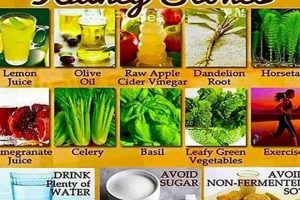
The use of botanical substances to alleviate elevated body temperature represents a traditional approach to managing a common physiological response to infection or inflammation. This encompasses a broad range of plant-derived preparations aimed at modulating the body’s thermoregulatory mechanisms and addressing the underlying cause of the thermal increase.
Historically, reliance on plant-based solutions for thermal regulation predates modern medicine, forming the cornerstone of healthcare practices across diverse cultures. The purported benefits extend beyond simply lowering temperature, encompassing anti-inflammatory, antimicrobial, and immune-modulating properties, potentially contributing to a more holistic recovery. This longstanding reliance underscores the perceived value and accessibility of these natural options for addressing this common ailment.
The following sections will delve into specific plant species recognized for their potential thermal-regulating effects, examining available evidence regarding their efficacy and safety, and exploring the mechanisms through which they may exert their influence on body temperature.
Guidance on Utilizing Botanical Approaches for Thermal Regulation
The following suggestions offer a framework for considering plant-derived substances to mitigate elevated body temperature. These recommendations are for informational purposes only and do not constitute medical advice. Consultation with a qualified healthcare professional is essential before initiating any new treatment regimen.
Tip 1: Prioritize Accurate Diagnosis: Identifying the root cause of the elevated temperature is paramount. Fever is a symptom, not a disease. Determining the underlying infection or inflammatory process is crucial for effective management. A healthcare provider can conduct appropriate tests and provide an accurate diagnosis.
Tip 2: Consider Specific Plant Properties: Different plants possess varied chemical constituents that may impact the body’s thermal regulation. Some exhibit diaphoretic properties (promoting sweating), while others offer anti-inflammatory effects. Research individual plant species and their documented properties before use.
Tip 3: Emphasize Standardized Preparations: To ensure consistent dosage and efficacy, opt for standardized herbal extracts or formulations from reputable manufacturers. Standardized products provide a guaranteed concentration of key active compounds, promoting predictability in therapeutic effects.
Tip 4: Monitor for Potential Interactions: Plant-derived substances can interact with conventional medications. Inform your healthcare provider about all herbal remedies being considered, especially if taking prescription medications. Potential interactions can alter the efficacy of both the herbal remedy and the pharmaceutical drug.
Tip 5: Adhere to Recommended Dosages: Exceeding recommended dosages of any herbal remedy can lead to adverse effects. Consult a qualified herbalist or healthcare provider for appropriate dosage guidelines based on individual needs and health status. Start with the lowest effective dose and gradually increase as needed, under supervision.
Tip 6: Be Aware of Potential Side Effects: Similar to conventional medications, herbal remedies can cause side effects. Common side effects include gastrointestinal upset, allergic reactions, or skin irritation. Discontinue use immediately and seek medical attention if experiencing any concerning symptoms.
Tip 7: Prioritize Hydration and Rest: Supporting the body’s natural healing processes is crucial. Ensure adequate fluid intake to prevent dehydration, and prioritize rest to allow the body to focus its energy on recovery. These supportive measures can enhance the effectiveness of any therapeutic intervention.
Consistent and informed decision-making, guided by professional medical advice, represents the optimal approach when considering plant-derived substances for thermal regulation. The emphasis remains on addressing the underlying cause of the elevated temperature and supporting the body’s natural healing mechanisms.
The subsequent sections will offer specific examples of plants often utilized to address fever and provide a comprehensive overview of safety considerations related to their use.
1. Plant Identification

Accurate botanical identification forms the foundational cornerstone of the safe and effective application of plant-derived substances to alleviate elevated body temperature. Misidentification of a plant species intended for thermal regulation can lead to the ingestion of inactive compounds, rendering the treatment ineffective, or, more critically, to the consumption of toxic substances, resulting in adverse health consequences. The pharmacological activity of plants varies substantially based on their species, subspecies, and even chemotype, making precise determination non-negotiable.
Consider, for instance, the differentiation between Achillea millefolium (common yarrow), which possesses documented anti-inflammatory properties potentially beneficial in fever management, and certain species of Cicuta (water hemlock), a highly poisonous plant with similar vegetative characteristics in early growth stages. Ingestion of Cicuta can cause seizures, respiratory failure, and death. Similarly, various Echinacea species are used to support the immune system, but adulteration with other Asteraceae family members lacking the same immune-modulating compounds renders the treatment less effective. These examples highlight the direct cause-and-effect relationship between identification accuracy and therapeutic outcome.
The practical significance of meticulous plant identification extends beyond individual use. It is essential for herbal product manufacturers, ensuring consistency in product quality and safety. Pharmacovigilance systems rely on precise botanical sourcing to trace adverse events and prevent future occurrences. Furthermore, conservation efforts depend on the correct identification of plant populations to protect endangered medicinal species from overharvesting. Therefore, integrating verifiable identification practices into every stage of herbal medicine, from sourcing to dispensing, is paramount for safeguarding public health and promoting the sustainable use of plant resources.
2. Dosage Determination

The determination of appropriate dosages is a crucial determinant of the safety and efficacy of plant-derived treatments used to address elevated body temperature. Incorrect dosing, whether excessive or insufficient, can lead to adverse effects or therapeutic failure. Establishing a safe and effective dosage regimen requires consideration of multiple factors, bridging traditional knowledge with contemporary scientific understanding.
- Patient-Specific Factors
Individual variations in physiology, including age, body weight, metabolic rate, and pre-existing health conditions, significantly influence the response to plant-derived compounds. A dosage suitable for an adult may be excessive for a child or an elderly individual with impaired renal function. For example, the metabolism and clearance of constituents such as salicylates present in willow bark, used for its anti-inflammatory properties, can vary substantially based on individual renal capacity.
- Plant-Specific Composition
The concentration of active compounds within a plant species can fluctuate based on factors such as geographic location, growing conditions, and harvesting time. Standardized herbal extracts, which guarantee a specific concentration of key chemical constituents, mitigate this variability. For instance, feverfew ( Tanacetum parthenium) used for its potential antipyretic activity, should be standardized to a specific parthenolide content to ensure consistent therapeutic effect.
- Preparation Method
The method of preparationwhether infusion, decoction, tincture, or capsuleimpacts the bioavailability and concentration of active constituents extracted from the plant material. Decoctions, which involve boiling plant parts, may extract different compounds compared to infusions, which involve steeping in hot water. Therefore, recommended dosages must align with the specific preparation method employed. A tincture of boneset ( Eupatorium perfoliatum), traditionally used for fever, requires a different dosage than a tea prepared from the dried herb.
- Severity of Symptoms
The intensity of the fever and associated symptoms influences the dosage requirements. Mild cases may respond to lower doses, while severe cases may necessitate higher doses, within established safety limits. Furthermore, the presence of concomitant symptoms, such as pain or inflammation, may warrant the use of synergistic plant combinations or adjustments in dosage to address the multifaceted clinical picture.
These considerations underscore the complexity inherent in determining appropriate dosages for plant-derived treatments aimed at thermal regulation. A collaborative approach involving healthcare professionals, herbalists, and informed patients is essential to ensure optimal outcomes and minimize the risk of adverse events. Prioritizing accurate information and individualized assessment remains paramount.
3. Safety Profiles

The evaluation of safety profiles is an indispensable element in the responsible use of plant-derived substances for managing elevated body temperature. While these remedies are often perceived as inherently safe due to their natural origin, this assumption is not invariably accurate. The potential for adverse effects, drug interactions, and contraindications necessitates a thorough understanding of the safety considerations associated with each specific plant species.
Adverse effects stemming from botanical substances can range from mild gastrointestinal disturbances to severe allergic reactions or organ toxicity. For example, certain preparations containing pyrrolizidine alkaloids, found in plants such as comfrey, can cause hepatic veno-occlusive disease with prolonged exposure. Similarly, even commonly used herbs like elderflower, though generally safe, may trigger allergic reactions in susceptible individuals. Therefore, a detailed understanding of potential adverse reactions is critical for informed decision-making. Furthermore, many plants can interact with conventional pharmaceutical medications, potentially altering their efficacy or increasing the risk of side effects. St. John’s Wort, for example, can induce hepatic enzymes, affecting the metabolism of numerous drugs, including anticoagulants and oral contraceptives. Awareness of these interaction potentials is essential for preventing adverse drug events.
The rigorous evaluation of safety profiles involves examining historical data, preclinical studies, and clinical trials to identify potential risks. This process includes assessing the potential for toxicity, allergenicity, and drug interactions. Ultimately, a comprehensive understanding of the safety profile of each plant species is essential for healthcare professionals and individuals seeking to employ plant-derived substances for fever management, ensuring the benefits outweigh the potential risks. Ignoring this aspect can have grave consequences.
4. Interaction Potential

The interaction potential of plant-derived substances represents a critical consideration when utilizing botanical approaches to address elevated body temperature. These interactions can occur with concurrently administered pharmaceuticals, other herbal remedies, or even dietary components, thereby altering the intended therapeutic outcome and potentially leading to adverse events.
- Pharmacokinetic Interactions
This category encompasses interactions that affect the absorption, distribution, metabolism, and excretion (ADME) of concurrently administered drugs or herbal constituents. Certain plants can either inhibit or induce hepatic enzymes, notably cytochrome P450 enzymes, responsible for metabolizing numerous pharmaceuticals. For instance, the co-administration of an herbal antipyretic with a pharmaceutical antipyretic metabolized by the same enzyme could lead to either increased drug levels and toxicity or decreased drug levels and therapeutic failure. Alterations in gastrointestinal pH or motility induced by certain plants can also affect drug absorption.
- Pharmacodynamic Interactions
These interactions involve the combined effects of plant-derived substances and pharmaceuticals on the same physiological system. Additive or synergistic effects can occur when both substances exert similar actions, potentially leading to an exaggerated therapeutic response or increased risk of adverse effects. Antagonistic effects can occur when the substances oppose each other’s actions, diminishing the therapeutic efficacy of one or both agents. For example, co-administration of an herbal antipyretic with anticoagulant properties alongside a pharmaceutical anticoagulant could potentiate the risk of bleeding.
- Drug-Herb Interactions Specific to Fever Management
Certain plants used to reduce fever may interact with commonly prescribed medications for underlying conditions that can cause fever, such as infections or autoimmune diseases. For example, some herbs with immunomodulatory effects could interfere with immunosuppressant drugs used to manage autoimmune conditions, potentially leading to disease exacerbation. Furthermore, some herbal remedies may affect blood glucose levels, requiring careful monitoring in individuals with diabetes who are also taking pharmaceutical antidiabetic medications.
- Impact of Herbal Quality and Standardization
The variability in the chemical composition of herbal products, resulting from factors such as plant origin, cultivation methods, and processing techniques, can significantly influence the likelihood and severity of interactions. Unstandardized herbal products may contain inconsistent levels of active constituents, making it difficult to predict the extent of interactions. The presence of contaminants or adulterants in herbal products can also introduce additional interaction risks.
The aforementioned facets highlight the complex landscape of interaction potential associated with plant-derived treatments for fever. Thorough assessment of individual patient factors, a comprehensive understanding of the pharmacological properties of both herbal remedies and pharmaceuticals, and the use of standardized herbal products are essential to mitigate these risks. In the absence of sufficient data, caution is advised, and healthcare professionals should prioritize patient safety by carefully weighing the potential benefits against the risks.
5. Preparation Methods

The manner in which a plant material is processed significantly affects the extraction and bioavailability of its active constituents, thus directly impacting the efficacy of any botanical solution for elevated body temperature. Different preparation methods, such as infusions, decoctions, tinctures, and poultices, yield varying concentrations and chemical profiles of the final product. For example, a decoction, involving prolonged boiling, may be suitable for extracting thermostable compounds from roots or bark, while an infusion, using gentler steeping, is preferable for volatile oils and delicate compounds found in leaves or flowers. Selecting an inappropriate preparation method can result in a sub-therapeutic concentration of the desired compounds, rendering the remedy ineffective. Conversely, an overly aggressive extraction process may release undesirable components or even toxins present within the plant material.
Practical examples underscore this connection. The traditional use of willow bark ( Salix spp.) as a source of salicin, a precursor to salicylic acid, relies on decoction to extract the active compound effectively. A simple infusion would likely yield insufficient salicin to achieve the desired antipyretic effect. Conversely, chamomile ( Matricaria chamomilla), valued for its anti-inflammatory and calming properties, is typically prepared as an infusion to preserve its volatile oils, which are readily lost during prolonged boiling. The form of the remedy is equally critical. A poultice, for instance, delivers localized effects via direct skin contact, useful for topical inflammation associated with fever, but offers limited systemic delivery of antipyretic compounds. Therefore, the selection of the appropriate preparation method must align with the specific plant, the desired constituents, and the intended route of administration to optimize therapeutic outcomes.
In conclusion, preparation methods form an inextricable link in the chain of efficacy for plant-derived fever treatments. The challenges lie in balancing traditional practices with modern scientific understanding to ensure consistent and reliable extraction of active compounds. Further research into the optimal preparation techniques for specific medicinal plants, coupled with standardized extraction protocols, is essential to translate traditional knowledge into evidence-based therapeutic strategies. The inherent variability in plant composition and the complexity of extraction processes necessitate careful attention to detail in order to harness the full potential of botanical remedies for thermal regulation.
6. Efficacy Evidence
The concept of efficacy evidence represents a cornerstone in the rational evaluation and application of any therapeutic intervention, including plant-derived remedies intended to alleviate elevated body temperature. Lacking rigorous efficacy evidence, the use of such remedies becomes speculative, potentially delaying access to effective conventional treatments and, in some instances, posing risks to patient safety. The presence or absence of such evidence dictates whether a traditional practice can be translated into a validated therapeutic strategy. Randomized controlled trials (RCTs), systematic reviews, and meta-analyses constitute the gold standard for efficacy assessment, providing quantitative measures of treatment effects and minimizing the risk of bias. For example, while anecdotal evidence may support the use of elderflower ( Sambucus nigra) for fever reduction, RCTs are necessary to definitively ascertain its efficacy compared to placebo or standard care.
The practical significance of efficacy evidence manifests in several critical areas. Firstly, it informs clinical decision-making, enabling healthcare providers to make evidence-based recommendations regarding treatment options. Secondly, it guides regulatory agencies in the approval and labeling of herbal products, ensuring that consumers have access to accurate information about their potential benefits and risks. Thirdly, it encourages further research to elucidate the mechanisms of action and optimize the use of effective herbal remedies. A comprehensive Cochrane review, for example, may conclude that there is insufficient evidence to support the use of a specific herb for fever, highlighting the need for more rigorous studies. Conversely, robust efficacy data can pave the way for integrating a particular herbal remedy into clinical guidelines, alongside conventional treatments, where appropriate.
In summation, efficacy evidence is not merely a desirable attribute but a fundamental requirement for the responsible use of plant-derived antipyretics. It provides the scientific justification for their application, informing clinical practice, regulatory oversight, and future research endeavors. The ongoing pursuit of high-quality evidence is essential to harness the potential of herbal remedies while safeguarding patient well-being and promoting evidence-based healthcare practices. The lack of evidence shouldn’t mean the practice is wrong. It should be investigated.
7. Symptom Management

Symptom management constitutes a primary rationale for utilizing botanical substances in the context of elevated body temperature. The alleviation of discomfort associated with fever, such as chills, body aches, and headache, represents a direct objective of employing herbal remedies. These symptoms often contribute significantly to patient distress and functional impairment. Plant-derived substances are selected based on their capacity to directly address these specific manifestations, irrespective of their potential impact on the underlying etiology of the fever itself. For example, diaphoretic herbs like peppermint ( Mentha piperita) are administered to promote sweating and reduce the subjective sensation of heat, even if the underlying infection remains unaddressed. The focus is on providing symptomatic relief, enhancing patient comfort, and facilitating rest.
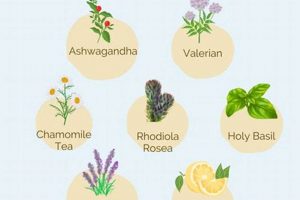
The importance of symptom management within the framework of botanical interventions for fever is underscored by the multifaceted nature of the febrile response. While addressing the cause of the fever is paramount, concurrent symptom management can improve patient compliance with treatment regimens and enhance overall well-being. Practical applications of this understanding include the combined use of analgesic herbs like willow bark ( Salix alba) to reduce body aches alongside antipyretic herbs aimed at lowering body temperature. Additionally, adaptogenic herbs such as ashwagandha ( Withania somnifera) may be incorporated to mitigate stress and fatigue associated with prolonged fever. Careful selection of plants with complementary actions allows for a comprehensive approach that targets both the underlying pathology and the associated symptomatology.
The understanding of symptom management’s role in herbal remedy strategies for fever has clear practical significance. When properly informed, individuals can make safe and appropriate decisions when addressing febrile episodes. While this concept should not replace conventional medical treatments, some herbs offer a pathway towards a well managed illness. The challenges that arise relate to the potential to overlook serious, underlying infections or medical conditions. A key principle involves monitoring the patient’s state, and to seek professional medical advice immediately if conditions persist, symptoms get worse, or if entirely new and worrying symptoms arise. Symptom management via plant derived treatments therefore needs to be well understood, and to always include professional medical advice from a physician.
Frequently Asked Questions
The following section addresses prevalent inquiries regarding the use of botanical approaches to manage fever. These responses are intended for informational purposes only and do not constitute medical advice. Consultation with a qualified healthcare professional remains essential for all health-related concerns.
Question 1: How does a plant-derived substance work to lower body temperature?
Certain plants contain constituents that may influence the body’s thermoregulatory mechanisms through several pathways. Some compounds promote sweating, facilitating heat dissipation. Others possess anti-inflammatory properties, potentially addressing the underlying inflammatory processes contributing to fever. Further research is necessary to fully elucidate the precise mechanisms of action for many botanical remedies.
Question 2: Are botanical substances a safe alternative to conventional antipyretic medications?
The safety of plant-derived substances varies significantly depending on the specific plant, preparation method, dosage, and individual patient factors. Some botanical remedies have a well-established safety profile, while others may pose risks of adverse effects or drug interactions. Consultation with a qualified healthcare professional is essential to assess the potential risks and benefits and determine the suitability of botanical interventions relative to conventional medications.
Question 3: Can plant-derived remedies be used for all types of fever?
The suitability of botanical remedies depends on the underlying cause of the fever. Fever is a symptom, not a disease. Plant-derived substances may be appropriate for managing mild, self-limiting fevers associated with common viral infections. However, fevers caused by severe bacterial infections, autoimmune disorders, or other serious medical conditions require prompt medical attention and may necessitate conventional pharmaceutical interventions.
Question 4: How does one determine the appropriate dosage of a botanical substance for fever?
Dosage determination depends on several factors, including the specific plant species, preparation method, patient age, body weight, and overall health status. Standardized herbal extracts offer more consistent dosing compared to crude herbal preparations. Consultation with a qualified herbalist or healthcare provider is recommended to determine an appropriate and safe dosage.
Question 5: What are the potential risks associated with using plant-derived remedies for fever?
Potential risks include allergic reactions, adverse effects, drug interactions, and contamination with toxins or heavy metals. It is essential to obtain plant-derived remedies from reputable sources and to inform healthcare providers about all herbal remedies being used. Certain plants are contraindicated in individuals with specific medical conditions or those taking certain medications.
Question 6: Is scientific evidence available to support the efficacy of botanical remedies for fever?
The level of scientific evidence varies depending on the specific plant species. Some botanical remedies have been evaluated in clinical trials, while others have primarily been studied in preclinical settings or have a long history of traditional use. Randomized controlled trials are necessary to definitively establish the efficacy of any therapeutic intervention, including plant-derived remedies. Individuals should be cautious of unsubstantiated claims.
In summary, the responsible use of plant-derived interventions for elevated body temperature requires a comprehensive understanding of their potential benefits, risks, and limitations. Informed decision-making, guided by qualified healthcare professionals, is paramount.
The next section will explore considerations for integrating plant-derived approaches into a comprehensive fever management strategy.
Conclusion
This exploration has illuminated multifaceted considerations surrounding the application of plant-derived substances to alleviate elevated body temperature. The discussion has encompassed key aspects, including accurate plant identification, dosage determination, safety profiles, interaction potential, appropriate preparation methods, efficacy evidence, and symptom management. A recurring theme emphasizes the critical need for informed decision-making and the importance of integrating traditional knowledge with contemporary scientific understanding. Any decision to use plant-derived methods should not be taken lightly, but only after careful and informed consideration.
The future of botanical approaches to fever management hinges on rigorous scientific investigation and the development of standardized products with well-defined safety and efficacy profiles. Continued research is essential to elucidate the mechanisms of action, optimize therapeutic protocols, and identify potential risks associated with specific plant species. The responsible integration of these remedies into comprehensive healthcare strategies requires a collaborative approach involving healthcare professionals, researchers, and informed patients, always prioritizing patient safety and evidence-based practice. Do not assume these remedies are always safe. Proceed with caution.