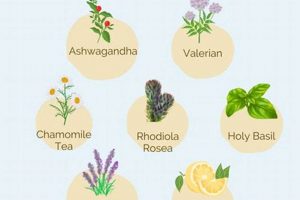
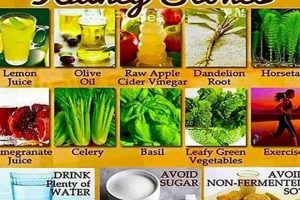
The management of hypertension can involve various approaches beyond conventional pharmaceutical interventions. Some individuals explore natural substances derived from plants to assist in maintaining healthy circulatory function. These substances are often prepared using traditional methods and are available in diverse forms, such as teas, tinctures, and capsules. An example is the use of hawthorn berry, which has been investigated for its potential to support cardiovascular wellness.
Historically, many cultures have relied on botanical preparations to promote well-being. The appeal of these approaches often stems from a perceived gentler impact on the body, alongside a holistic view of health. Their benefits may include providing supplementary support to existing treatments, particularly when integrated under the guidance of qualified healthcare professionals. They represent a confluence of traditional knowledge and modern interest in natural health options.
The following sections will delve into specific plant-based substances that are commonly discussed for their potential effects on cardiovascular health, providing a balanced perspective on their uses and considerations. It is essential to acknowledge the existing scientific evidence and potential interactions of these substances to ensure safe and effective utilization.
Guidance on Botanical Approaches to Blood Pressure Management
Consider the following points when exploring plant-derived solutions for maintaining healthy blood pressure levels. These recommendations are for informational purposes only and should not replace professional medical advice.
Tip 1: Conduct Thorough Research: Before incorporating any herbal substance into a regimen, gather comprehensive information from reputable sources regarding its potential effects, interactions, and contraindications. Reputable sources include peer-reviewed scientific journals and established herbal medicine databases.
Tip 2: Consult with Qualified Healthcare Professionals: Seek the advice of a physician or qualified herbalist prior to initiating any botanical treatment. This consultation should include a review of the individual’s medical history, current medications, and existing health conditions to mitigate potential adverse effects.
Tip 3: Prioritize Standardized Extracts: Opt for herbal products that provide standardized extracts. Standardization ensures a consistent concentration of active compounds, thereby improving the predictability and reliability of the product’s effects.
Tip 4: Monitor Blood Pressure Regularly: Implement consistent blood pressure monitoring using a validated device. Tracking blood pressure levels assists in assessing the effectiveness of the herbal remedy and allows for timely adjustments to the treatment plan in consultation with a healthcare provider.
Tip 5: Be Aware of Potential Interactions: Recognize that botanical substances can interact with prescription medications, over-the-counter drugs, and other dietary supplements. Exercise caution and ensure that all healthcare providers are informed of all substances being consumed.
Tip 6: Adopt a Holistic Lifestyle Approach: Complement any botanical remedy with a healthy lifestyle that includes a balanced diet low in sodium and saturated fats, regular physical activity, stress management techniques, and adequate sleep. This comprehensive approach maximizes the potential benefits of botanical interventions.
Tip 7: Recognize the Importance of Quality: Prioritize purchasing botanical products from reputable manufacturers who adhere to stringent quality control standards. Look for certifications from independent testing organizations to ensure the purity and potency of the product.
The implementation of these tips, in conjunction with professional medical guidance, can support a responsible and informed approach to exploring plant-derived solutions for blood pressure management. Individual results may vary, and ongoing evaluation is critical to ensure safety and efficacy.
These guidelines are intended to provide a framework for understanding the complexities of utilizing botanical remedies within a comprehensive blood pressure management strategy. The subsequent sections will explore other relevant considerations in this area.
1. Safety Considerations

The integration of plant-derived substances for managing blood pressure necessitates a rigorous evaluation of safety parameters. A primary concern is the potential for adverse effects, which can manifest as allergic reactions, gastrointestinal disturbances, or, in rare cases, more severe systemic complications. These risks are amplified when individuals self-diagnose and self-treat, bypassing the critical step of professional medical assessment. For instance, an individual with an undiagnosed bleeding disorder may experience heightened risks when consuming substances like garlic or ginkgo biloba, known for their anticoagulant properties.
Herb-drug interactions represent another significant safety consideration. Botanical compounds can influence the absorption, metabolism, or excretion of pharmaceutical medications, leading to either diminished therapeutic effects or increased toxicity. For example, St. John’s Wort, often used for mood regulation, is a potent inducer of certain liver enzymes, potentially reducing the effectiveness of antihypertensive medications metabolized by those enzymes. Therefore, comprehensive disclosure of all consumed substances to healthcare providers is imperative to prevent adverse interactions.
In summary, addressing safety concerns is paramount when exploring plant-based remedies for blood pressure management. A lack of rigorous scientific evidence supporting efficacy and the potential for adverse reactions and herb-drug interactions necessitate a cautious and informed approach. Prioritizing professional medical guidance and thorough research is crucial to mitigating risks and ensuring patient safety within a comprehensive hypertension management strategy.
2. Efficacy Variability

The observed inconsistency in the effectiveness of plant-derived interventions in managing blood pressure constitutes a primary challenge in their clinical application. This variability stems from multiple factors, including differences in plant chemotypes, geographical origin, cultivation practices, and extraction methodologies. Consequently, the concentration of active compounds can fluctuate significantly between different product batches, leading to inconsistent therapeutic outcomes. For example, the hypotensive effects of hawthorn berry extracts may vary depending on the specific flavonoids present and their relative proportions, which are influenced by the aforementioned factors.
Individual physiological differences, such as genetic predispositions, metabolic rates, and concurrent health conditions, further contribute to the heterogeneity of responses to herbal remedies. The same dosage of a particular substance may elicit a pronounced effect in one individual while producing minimal or no effect in another. This variability underscores the limitations of a “one-size-fits-all” approach and emphasizes the need for personalized treatment strategies based on individual patient characteristics and careful monitoring of blood pressure levels. Furthermore, the absence of standardized manufacturing practices and quality control measures in the herbal supplement industry exacerbates the problem, leading to inconsistencies in product potency and purity.
In conclusion, the efficacy variability observed with plant-based approaches to blood pressure management necessitates a cautious and critical evaluation of their potential benefits. Rigorous scientific investigation, standardized manufacturing processes, and individualized treatment plans are crucial to address this challenge and to ensure reliable and predictable therapeutic outcomes. Continued research is warranted to identify the specific compounds responsible for the observed effects and to develop targeted interventions that account for individual physiological differences, bridging the gap between traditional practices and evidence-based medicine.
3. Herb-Drug Interactions

The co-administration of plant-derived substances and conventional pharmaceuticals presents a significant clinical concern due to the potential for herb-drug interactions. When exploring plant-based remedies for blood pressure, the likelihood of these interactions increases. These interactions can modify the pharmacokinetic and pharmacodynamic properties of both the herbal remedy and the pharmaceutical drug, leading to unpredictable and potentially adverse outcomes. Understanding the mechanisms and consequences of such interactions is crucial for ensuring patient safety. For instance, the concurrent use of garlic, known for its antiplatelet effects, with anticoagulant medications like warfarin, may potentiate the risk of bleeding complications. This potentiation arises because garlic can inhibit platelet aggregation, thereby enhancing the anticoagulant effect of warfarin, potentially leading to hemorrhage.
Another example involves hawthorn, sometimes considered for its mild blood pressure-lowering effects. Concurrent use of hawthorn with conventional antihypertensive medications, such as ACE inhibitors or beta-blockers, may result in an additive hypotensive effect, potentially causing symptomatic hypotension, dizziness, or even syncope. This synergistic effect stems from hawthorn’s ability to relax blood vessels and reduce peripheral vascular resistance, similar to the mechanisms of action of some pharmaceutical antihypertensives. Furthermore, certain herbal constituents can interfere with drug metabolism, particularly through modulation of cytochrome P450 enzymes. For example, St. John’s Wort can induce CYP3A4, an enzyme responsible for metabolizing many pharmaceuticals, potentially reducing the plasma concentrations and therapeutic efficacy of antihypertensive drugs like calcium channel blockers.
In summary, the potential for herb-drug interactions represents a critical factor to consider when exploring herbal remedies for blood pressure management. These interactions can lead to either enhanced or diminished drug effects, increasing the risk of adverse events or therapeutic failure. Comprehensive knowledge of potential interactions, careful patient monitoring, and open communication between patients and healthcare providers are essential for mitigating these risks and ensuring the safe and effective use of both herbal and pharmaceutical interventions. Prioritizing patient safety and employing evidence-based approaches are paramount when integrating herbal remedies into a blood pressure management strategy.
4. Dosage Standardization
The consistent and reliable application of plant-derived remedies for blood pressure necessitates rigorous dosage standardization. Variability in the composition of herbal products poses a significant challenge to achieving predictable therapeutic outcomes. The absence of standardized dosages compromises the ability to accurately assess efficacy and safety, potentially leading to ineffective treatment or adverse effects.
- Variability in Active Constituents
The concentration of active compounds within a given herbal remedy can fluctuate substantially due to factors such as plant genetics, environmental conditions, harvesting practices, and extraction methods. This inherent variability makes it difficult to determine the appropriate dosage required to achieve a desired therapeutic effect. Without standardization, the same volume or weight of an herbal product may contain widely different amounts of the compounds responsible for its purported blood pressure-lowering properties.
- Importance of Chemical Markers
Dosage standardization relies on the identification and quantification of specific chemical markers within the herbal product. These markers serve as indicators of the overall quality and potency of the remedy. By establishing a defined range for the concentration of these markers, manufacturers can ensure that each batch of product contains a consistent amount of active compounds. The selection of appropriate chemical markers requires thorough scientific investigation to identify the compounds that are most closely correlated with the desired therapeutic effects.
- Impact on Clinical Research
The lack of standardized dosages in herbal remedies impedes the conduct of rigorous clinical research. Without precise knowledge of the amount of active compounds being administered, it is difficult to determine whether observed effects are truly attributable to the herbal intervention or to other confounding factors. Dosage standardization is essential for designing well-controlled clinical trials that can provide reliable evidence of efficacy and safety.
- Role of Regulatory Agencies
Regulatory agencies play a crucial role in establishing and enforcing standards for herbal product manufacturing and labeling. These standards should include requirements for dosage standardization, ensuring that consumers have access to products that are consistent in quality and potency. Regulatory oversight helps to protect consumers from potentially harmful or ineffective products and promotes responsible use of plant-derived remedies for blood pressure management.
The implementation of robust dosage standardization protocols is paramount to realizing the full potential of plant-derived remedies for blood pressure. Standardized dosages are integral to reproducible clinical trials, reliable patient outcomes, and regulatory compliance. A focus on consistently quantified herbal constituents is necessary for responsible and safe implementation in hypertensive patient care.
5. Quality Control

The integrity of plant-derived substances marketed for blood pressure management hinges critically on stringent quality control measures. Without rigorous oversight, the safety and efficacy of these remedies remain uncertain, potentially exposing consumers to harm or ineffective treatments. Quality control encompasses a multifaceted approach, ensuring product consistency, purity, and adherence to established standards.
- Botanical Authentication and Identification
Accurate identification of the plant species is fundamental. Adulteration with related species, or entirely different plants, can compromise the expected therapeutic effect and introduce potential toxins. Microscopic analysis, DNA fingerprinting, and chemical fingerprinting techniques are employed to verify the authenticity of the botanical material. For example, substituting Digitalis purpurea (foxglove), a potent cardiac glycoside source, for a blood pressure-lowering herb could have catastrophic consequences.
- Contaminant Testing and Mitigation
Herbal products can be contaminated with heavy metals, pesticides, microbial pathogens, and mycotoxins. Quality control protocols necessitate testing for these contaminants and implementing measures to minimize their presence. Heavy metal contamination, such as lead or mercury, can arise from polluted soils, posing a significant health risk. Stringent testing, coupled with sourcing from reputable growers utilizing sustainable practices, is essential.
- Active Compound Quantification and Standardization
The therapeutic activity of herbal remedies is typically attributed to specific bioactive compounds. Quality control involves quantifying these compounds and standardizing the product to contain a consistent concentration. High-performance liquid chromatography (HPLC) and other analytical techniques are used to determine the levels of active constituents. For example, hawthorn extracts are often standardized based on their flavonoid content, ensuring a consistent dose of these potentially beneficial compounds.
- Good Manufacturing Practices (GMP) Adherence
Adherence to GMP regulations is essential for ensuring product quality and consistency. GMP guidelines encompass all aspects of manufacturing, including raw material sourcing, processing, packaging, and labeling. Implementing GMP standards minimizes the risk of errors and contamination, fostering consumer confidence in the safety and efficacy of the herbal product. Regulatory bodies often conduct inspections to verify compliance with GMP requirements.
These quality control facets collectively contribute to the reliability of plant-derived substances intended for blood pressure support. The absence of these measures undermines the potential benefits and introduces unacceptable risks, underscoring the need for robust regulatory oversight and industry self-regulation to protect public health.
6. Underlying Conditions
The selection and utilization of plant-derived substances for blood pressure management are inextricably linked to the presence of any pre-existing medical conditions. These underlying conditions can significantly alter the safety and efficacy profiles of herbal remedies, potentially leading to adverse interactions or diminished therapeutic benefits. A comprehensive understanding of a patient’s medical history is therefore paramount before considering any botanical intervention for hypertension.
For instance, individuals with renal impairment may exhibit altered drug metabolism and excretion, affecting the pharmacokinetics of both conventional antihypertensives and herbal remedies. Certain plant-derived substances, such as licorice, can exacerbate fluid retention and electrolyte imbalances, potentially worsening hypertension and posing risks for individuals with pre-existing heart failure or kidney disease. Similarly, those with liver disease may experience impaired detoxification processes, increasing the risk of drug-induced liver injury when using herbal remedies that are metabolized by the liver. Diabetics who are considering plant-based remedies for blood pressure must monitor their blood glucose levels closely. Some herbs, such as bitter melon, have hypoglycemic effects, which can increase the risk of hypoglycemia when used in conjunction with diabetes medication. Additionally, those with autoimmune diseases may need to avoid certain herbal remedies that stimulate the immune system due to the risk of exacerbating their conditions.
In conclusion, the presence of underlying conditions represents a critical determinant in the safe and effective use of herbal remedies for blood pressure. Careful consideration of a patient’s complete medical history, including any concurrent illnesses or medications, is essential to avoid adverse interactions and optimize therapeutic outcomes. Professional medical guidance is paramount in navigating the complexities of herbal remedy use in the context of underlying health conditions, ensuring a personalized and evidence-based approach to hypertension management.
7. Professional Guidance

The integration of plant-derived substances into blood pressure management demands the oversight of qualified healthcare professionals. The complexities inherent in herbal pharmacology, combined with individual patient variability, necessitate expert guidance to ensure safe and effective utilization.
- Comprehensive Medical History Assessment
Qualified practitioners conduct thorough evaluations of a patients medical history, including current medications, allergies, and existing health conditions. This assessment identifies potential contraindications or interactions between herbal remedies and conventional treatments. For example, a physician may advise against using certain herbs with anticoagulant properties in patients already taking warfarin.
- Personalized Treatment Strategies
Healthcare professionals develop tailored treatment plans based on individual needs and circumstances. This involves considering factors such as blood pressure levels, overall health status, and patient preferences. An herbalist may recommend a specific herbal formula and dosage regimen based on a patient’s constitution and presentation.
- Monitoring and Evaluation
Regular monitoring of blood pressure and other relevant health indicators is crucial to assess the effectiveness and safety of herbal remedies. Healthcare providers track patient progress and make adjustments to the treatment plan as needed. This may involve adjusting the dosage of an herbal remedy or discontinuing its use if adverse effects occur.
- Integration with Conventional Therapies
Qualified practitioners facilitate the safe and effective integration of herbal remedies with conventional medical treatments. This requires open communication and collaboration between healthcare providers. A physician may work with an herbalist to develop a comprehensive treatment plan that combines the benefits of both approaches while minimizing the risk of interactions.
Professional guidance serves as the cornerstone of responsible herbal remedy implementation in blood pressure management. This multi-faceted involvement ensures a customized, safe, and carefully monitored approach. Through comprehensive assessment, personalized strategies, consistent monitoring, and integrated care, healthcare professionals maximize the potential benefits while mitigating the inherent risks of herbal interventions.
Frequently Asked Questions
The following addresses common inquiries regarding the integration of plant-derived substances in blood pressure management. These answers aim to provide clarity and perspective on the complexities and considerations involved.
Question 1: Are herbal remedies a safe alternative to conventional blood pressure medications?
Herbal remedies are not inherently a “safe” alternative to conventional medications. Their safety profile depends on individual factors, the specific herb used, dosage, and potential interactions with other medications. Professional medical guidance is essential to determine suitability.
Question 2: Can herbal remedies completely replace prescription medications for hypertension?
Herbal remedies should not be viewed as a direct replacement for prescribed medications without consulting a healthcare provider. In some instances, they may be used as complementary therapies under professional supervision, but abrupt cessation of prescribed medication can be dangerous.
Question 3: How can one ensure the quality and purity of herbal products used for blood pressure?
Quality and purity can be assessed by selecting products from reputable manufacturers that adhere to Good Manufacturing Practices (GMP) and provide third-party testing certifications. Look for standardized extracts with quantified active compounds.
Question 4: What are the potential risks and side effects associated with using herbal remedies for blood pressure?
Potential risks include allergic reactions, gastrointestinal disturbances, herb-drug interactions, and inconsistent efficacy due to variations in product composition. Consulting a healthcare professional is crucial to mitigate these risks.
Question 5: How long does it typically take to see results when using herbal remedies for blood pressure?
The timeframe for observing noticeable effects can vary considerably depending on the individual, the specific herb used, and the severity of the hypertension. Consistent monitoring and professional assessment are essential to evaluate progress.
Question 6: Are there any specific herbal remedies that are proven to effectively lower blood pressure?
While certain herbal remedies, such as hawthorn and hibiscus, have demonstrated potential blood pressure-lowering effects in some studies, more rigorous research is needed to confirm their efficacy and establish optimal dosages. Evidence remains limited.
These answers provide a concise overview of common questions related to plant-based substances and blood pressure. It is imperative to consult qualified healthcare professionals before implementing any herbal remedy.
The subsequent section will explore future research directions.
Conclusion
The exploration of “herbal remedy blood pressure” reveals a complex landscape requiring careful consideration. Evidence regarding safety and efficacy remains varied, emphasizing the necessity of comprehensive research and standardized protocols. Herb-drug interactions and individual patient factors further complicate the utilization of plant-derived substances in hypertension management.
Responsible and informed integration, guided by qualified healthcare professionals, is crucial. Continued investigation into specific compounds, dosages, and potential interactions is warranted to establish clear guidelines and ensure patient safety. A balanced perspective, acknowledging both the potential benefits and inherent risks, remains essential in approaching this area.