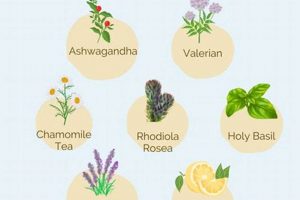
Botanical preparations intended to alleviate the symptoms of premenstrual dysphoric disorder (PMDD) represent a category of treatments increasingly explored for their potential to manage the condition’s distressing effects. These natural therapies, derived from plants, are often sought as alternatives or complements to conventional pharmaceutical interventions.
The growing interest in plant-based approaches stems from a desire for treatments perceived as gentler, with potentially fewer side effects than synthetic medications. Historically, various cultures have utilized plants for menstrual-related ailments, building a foundation of traditional knowledge that informs contemporary research. The appeal lies in the possibility of addressing PMDD’s emotional and physical manifestations through natural means.
The subsequent sections will delve into specific botanical options commonly discussed for their impact on PMDD symptoms. This exploration will examine the purported mechanisms of action, available scientific evidence, and potential considerations for individuals contemplating their use as part of a comprehensive management strategy.
Guidance on the Use of Plant-Based Approaches for Premenstrual Dysphoric Disorder
The following recommendations address crucial considerations when exploring the application of botanical therapies to manage premenstrual dysphoric disorder. These suggestions are intended to promote informed decision-making and responsible self-care.
Tip 1: Prioritize Consultation with Healthcare Professionals: Before initiating any herbal regimen, a thorough discussion with a qualified physician or licensed herbalist is essential. Such consultation facilitates a comprehensive assessment of individual medical history, potential drug interactions, and appropriate dosages.
Tip 2: Conduct Thorough Research on Specific Herbs: Rigorous investigation of each plants purported effects, potential side effects, and contraindications is paramount. Reputable sources of information include peer-reviewed scientific literature, established herbal medicine databases, and consultations with knowledgeable practitioners.
Tip 3: Source Products from Reputable Manufacturers: The quality and purity of herbal products can vary significantly. Select brands known for adhering to stringent quality control standards, employing third-party testing, and providing transparent labeling information.
Tip 4: Start with Low Dosages and Monitor for Adverse Reactions: Begin with the lowest recommended dose of any new herbal remedy and carefully monitor for any adverse reactions. Gradual increases in dosage may be considered, but only under the guidance of a healthcare professional.
Tip 5: Recognize the Potential for Delayed Effects: Unlike some pharmaceutical medications, herbal remedies may require several weeks or months of consistent use before noticeable benefits are observed. Patience and realistic expectations are crucial during this period.
Tip 6: Be Aware of Potential Interactions with Medications: Numerous herbs can interact with prescription and over-the-counter medications, potentially altering their effectiveness or increasing the risk of side effects. Open communication with healthcare providers about all substances being used is vital.
Tip 7: Maintain a Symptom Journal: Documenting daily symptoms, including the severity and timing, can provide valuable data for evaluating the effectiveness of the herbal regimen. This record can also help identify potential triggers or patterns that may influence symptom presentation.
Adherence to these guidelines promotes a safer and more informed approach to integrating plant-based therapies into the management of premenstrual dysphoric disorder. However, it is essential to acknowledge that herbal medicine should not replace conventional medical care when necessary. Further discussion will address specific plants studied for PMDD symptom relief.
1. Safety Profiles

Assessing the safety profiles of botanical therapies intended for premenstrual dysphoric disorder (PMDD) is paramount. Comprehensive evaluation necessitates scrutiny of potential adverse effects, drug interactions, and contraindications, ensuring responsible implementation of these remedies.
- Adverse Effects and Tolerability
Herbal remedies, despite their natural origin, are not inherently devoid of potential adverse effects. These can range from mild gastrointestinal distress to more severe allergic reactions. Evaluating the frequency and severity of reported side effects is crucial for determining the tolerability and overall safety of a particular botanical intervention. For instance, St. John’s Wort, though sometimes used for mood symptoms, can cause photosensitivity in some individuals.
- Drug Interactions
Many plants possess bioactive compounds that can interact with conventional pharmaceutical medications, potentially altering their efficacy or increasing the risk of adverse events. Individuals taking prescription drugs must exercise caution when considering botanical therapies and should seek guidance from a healthcare professional to avoid potentially harmful interactions. For example, certain herbal remedies can interfere with the metabolism of anticoagulant medications, increasing the risk of bleeding.
- Contraindications Based on Medical Conditions
Certain medical conditions may preclude the use of specific herbal remedies. Individuals with pre-existing liver or kidney disease, for example, may be more susceptible to adverse effects from botanicals metabolized by these organs. Similarly, pregnant or breastfeeding women should avoid certain plants due to potential risks to the developing fetus or infant. Thorough review of a patient’s medical history is essential for identifying potential contraindications.
- Quality Control and Contamination
The safety of botanical products is also influenced by quality control standards and the potential for contamination. Variations in growing conditions, harvesting practices, and manufacturing processes can affect the purity and potency of herbal remedies. Selecting products from reputable manufacturers that employ third-party testing helps mitigate the risk of adulteration or contamination with heavy metals or other toxins.
In summation, a thorough understanding of the safety profiles associated with botanical therapies for PMDD is essential to minimize potential risks and maximize therapeutic benefits. This understanding requires careful consideration of adverse effects, drug interactions, contraindications, and the importance of sourcing high-quality products. Responsible implementation involves close collaboration with healthcare professionals and diligent monitoring for any signs of adverse reactions.
2. Clinical Evidence

The availability and rigor of clinical evidence form a critical foundation for evaluating the potential role of botanical therapies in managing premenstrual dysphoric disorder (PMDD). This evidence dictates the extent to which healthcare professionals and individuals can confidently consider these interventions.
- Randomized Controlled Trials (RCTs)
RCTs represent the gold standard for assessing the efficacy of medical interventions, including herbal remedies. These trials involve randomly assigning participants to either a treatment group receiving the plant or a control group receiving a placebo or standard treatment. The presence of well-designed RCTs provides a strong indication of whether a botanical demonstrates a true therapeutic effect beyond the placebo effect. The paucity of robust RCTs for many herbs used in PMDD management limits the strength of recommendations.
- Systematic Reviews and Meta-Analyses
Systematic reviews synthesize the results of multiple independent studies, providing a more comprehensive overview of the evidence base. Meta-analyses, a subset of systematic reviews, use statistical methods to pool data from multiple studies, increasing the statistical power to detect an effect. The existence of systematic reviews and meta-analyses strengthens the overall confidence in the findings, particularly when they consistently point in the same direction. However, limitations in the quality and design of individual studies included in these reviews can affect the reliability of the conclusions.
- Observational Studies and Case Reports
Observational studies, such as cohort studies and case-control studies, can provide valuable insights into the potential benefits and risks of botanical therapies in real-world settings. Case reports, which describe individual patient experiences, can highlight unique or unexpected responses to treatment. While these types of studies can generate hypotheses and inform future research, they are generally considered less rigorous than RCTs due to the potential for bias and confounding variables. Their value lies primarily in exploratory investigations and hypothesis generation.
- Mechanism of Action Studies
Understanding the mechanism of action by which an herb exerts its effects is crucial for rationalizing its use in PMDD. Studies investigating the biochemical pathways and physiological processes influenced by specific plant compounds can provide insights into how these compounds might alleviate PMDD symptoms. While demonstrating a plausible mechanism of action does not necessarily guarantee clinical efficacy, it can support the rationale for further investigation in clinical trials.
The interpretation of clinical evidence regarding the use of botanical interventions for PMDD must be undertaken with caution. The strength and quality of available studies vary significantly, and many herbs lack robust clinical support. Reliance on traditional use or anecdotal reports alone is insufficient to establish efficacy or safety. A thorough evaluation of the existing evidence, coupled with informed clinical judgment and patient preferences, is essential for responsible decision-making.
3. Individual Variability

The response to botanical interventions for premenstrual dysphoric disorder (PMDD) is subject to significant individual variability. This heterogeneity arises from a complex interplay of genetic predispositions, physiological differences, lifestyle factors, and the specific characteristics of each plant preparation. Consequently, a regimen effective for one individual may yield limited or no benefit for another, underscoring the necessity of personalized approaches.
Genetic variations in drug metabolism enzymes, such as cytochrome P450 isoforms, influence the rate at which individuals process plant compounds. This affects the bioavailability and duration of action, thereby altering the therapeutic effect. Pre-existing health conditions, concurrent medications, and dietary habits also modulate the body’s response. For example, an individual with compromised liver function may metabolize certain plants more slowly, increasing the risk of adverse effects. Furthermore, variations in the gut microbiome can impact the absorption and bioavailability of orally administered herbs.
The practical significance of acknowledging individual variability lies in the recognition that no single botanical protocol offers a universal solution for PMDD. Instead, a trial-and-error approach, under the guidance of a qualified healthcare provider, may be required to identify the most suitable plant or combination of plants for a given individual. Close monitoring of symptoms and adjustment of dosage based on individual response are essential components of this process. Awareness of this variability is paramount for managing expectations and avoiding discouragement when initial attempts prove unsuccessful, reinforcing the need for tailored treatment strategies.
4. Proper Dosage

The efficacy and safety of plant-based interventions for premenstrual dysphoric disorder (PMDD) are critically contingent upon appropriate dosage. Administration of an insufficient quantity may result in therapeutic failure, yielding no discernible relief from distressing symptoms. Conversely, exceeding recommended dosages elevates the risk of adverse effects, potentially compromising patient well-being. Consequently, determining and adhering to correct dosages constitutes a fundamental aspect of responsible herbal remedy utilization.
Several factors complicate the establishment of standardized dosages for herbal preparations. Variations in plant chemotype, growing conditions, harvesting methods, and extraction processes contribute to inconsistencies in the concentration of active constituents. Moreover, individual physiological differences, such as body weight, metabolic rate, and sensitivity to plant compounds, influence the optimal dosage required to achieve therapeutic effects. For example, two individuals of differing body mass may require disparate quantities of chasteberry to effectively modulate hormonal imbalances implicated in PMDD. Precise dosing protocols are further impeded by the lack of comprehensive clinical trials for many botanicals employed in PMDD management.
Therefore, navigating the complexities of proper dosage necessitates a collaborative approach involving qualified healthcare professionals. Herbalists or physicians with expertise in botanical medicine can assess individual patient characteristics, consider potential drug interactions, and provide tailored dosage recommendations. This collaborative approach allows for iterative adjustments based on patient response and ongoing monitoring for adverse effects, thereby optimizing therapeutic outcomes and minimizing potential risks. Prudent application of botanical remedies for PMDD mandates prioritizing informed decision-making and personalized dosage strategies.
5. Qualified Guidance
The intersection of qualified guidance and botanical interventions for premenstrual dysphoric disorder (PMDD) represents a critical determinant of treatment success and patient safety. The complexity inherent in PMDD diagnosis, coupled with the variable nature of herbal constituents and individual patient responses, necessitates the involvement of knowledgeable healthcare professionals. Without appropriate guidance, individuals may inadvertently select inappropriate remedies, utilize incorrect dosages, or overlook potentially harmful interactions with existing medications. This deficiency can lead to ineffective treatment, adverse reactions, or a worsening of PMDD symptoms.
The importance of qualified guidance extends beyond initial remedy selection. Competent practitioners can conduct thorough evaluations to rule out underlying medical conditions mimicking PMDD, ascertain the appropriateness of botanical therapies relative to conventional treatments, and monitor for any emergent side effects. For instance, a healthcare provider can assess whether hormonal imbalances, thyroid dysfunction, or mood disorders contribute to a patient’s symptoms before recommending specific herbs. Furthermore, practitioners can educate patients on realistic expectations, potential delayed onset of effects, and the importance of lifestyle modifications to complement botanical interventions. Examples of qualified providers include physicians with expertise in integrative medicine, licensed naturopathic doctors, and registered herbalists with substantial clinical experience.
In conclusion, integrating qualified guidance into the application of herbal remedies for PMDD is not merely advisable but fundamentally necessary. It mitigates risks, optimizes treatment outcomes, and empowers patients to make informed decisions aligned with their individual needs and preferences. Challenges remain in accessing qualified practitioners and navigating the regulatory landscape of herbal medicine, emphasizing the ongoing need for clear guidelines and evidence-based education for both healthcare providers and individuals seeking botanical solutions for PMDD.
Frequently Asked Questions
The following section addresses common inquiries regarding the utilization of plant-based remedies in the management of premenstrual dysphoric disorder. These questions aim to provide clarification on aspects such as efficacy, safety, and appropriate application.
Question 1: Are botanical remedies a scientifically proven treatment for PMDD?
The scientific evidence supporting the use of botanical interventions for PMDD varies considerably. Some plants exhibit preliminary support from clinical trials, while others lack rigorous investigation. A thorough review of available research is crucial before considering any herbal remedy.
Question 2: What are the potential risks associated with using botanical treatments for PMDD?
Botanical remedies, despite their natural origin, can pose potential risks. These encompass adverse effects, interactions with pharmaceutical medications, and contraindications based on pre-existing medical conditions. Consultation with a healthcare professional is essential to mitigate such risks.
Question 3: Can botanical remedies replace conventional medical treatments for PMDD?
Botanical interventions should not be viewed as a replacement for conventional medical care when such care is deemed necessary. Herbal remedies may serve as adjunctive therapies to complement conventional treatments, but medical supervision remains paramount.
Question 4: How long does it typically take to experience the effects of botanical treatments for PMDD?
The timeframe required to observe the effects of botanical treatments can vary. Unlike some pharmaceutical medications, herbal remedies often necessitate several weeks or months of consistent use before noticeable improvements are evident.
Question 5: Are there specific herbs that are generally considered more effective for managing PMDD symptoms?
Certain plants, such as chasteberry and St. John’s Wort, are frequently discussed for their potential to alleviate PMDD symptoms. However, individual responses can vary, and the suitability of each plant depends on a comprehensive assessment of individual factors.
Question 6: Where can reliable information about botanical remedies for PMDD be obtained?
Credible sources of information include peer-reviewed scientific literature, reputable herbal medicine databases, and consultations with qualified healthcare professionals. Reliance on anecdotal reports or unsubstantiated claims should be avoided.
In conclusion, addressing premenstrual dysphoric disorder involves careful and informed decision-making. This includes weighing the potential benefits and risks and seeking qualified counsel.
The subsequent segment will provide concluding thoughts on the role of herbal medicine within the broader PMDD landscape.
Concluding Remarks on Botanical Interventions for PMDD
The foregoing exploration of herbal remedies for PMDD has underscored the complexities inherent in utilizing plant-based therapies for this challenging condition. While certain botanicals demonstrate potential benefits in alleviating specific symptoms, the available evidence base remains variable, and individual responses are subject to considerable heterogeneity. The safety considerations, potential drug interactions, and the imperative for qualified guidance cannot be overstated.
Ultimately, the responsible integration of plant-based approaches within the broader PMDD management strategy necessitates a cautious and informed perspective. Individuals considering herbal remedies are strongly encouraged to engage in thorough research, seek counsel from knowledgeable healthcare professionals, and prioritize evidence-based decision-making to ensure optimal outcomes and minimize potential risks. Further rigorous scientific investigation is warranted to fully elucidate the role and efficacy of specific botanical interventions in addressing the multifaceted manifestations of PMDD.