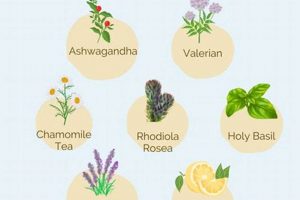
Plant-derived treatments utilized to alleviate discomfort and promote healing of lesions within the oral cavity are a category of therapeutic interventions. These natural approaches leverage the inherent properties of various botanicals to address the symptoms and underlying causes of these common ailments. For instance, chamomile, known for its anti-inflammatory qualities, is frequently employed as a rinse.
The significance of exploring natural approaches to oral health stems from a desire to mitigate potential side effects associated with synthetic pharmaceuticals. Throughout history, many cultures have relied on botanical medicine as a primary source of care. Modern research seeks to validate traditional uses and identify the active compounds responsible for their therapeutic effects, potentially offering gentler, complementary options for individuals experiencing discomfort.
The subsequent sections will detail specific plants recognized for their ability to soothe and expedite the repair process of common oral lesions, including information on preparation methods, application guidelines, and pertinent considerations for safe and effective usage.
Guidance on Utilizing Plant-Based Solutions for Oral Lesions
The following recommendations are intended to provide information regarding the appropriate and responsible application of natural substances to manage oral ulcerations. It is crucial to consult with a qualified healthcare professional before initiating any new treatment regimen.
Tip 1: Prioritize Identification of the Underlying Cause: Accurate diagnosis of the lesion’s etiology, whether viral, bacterial, or related to nutritional deficiencies, is paramount for selecting the most suitable herbal intervention.
Tip 2: Opt for Standardized Extracts: When available, choose standardized herbal extracts to ensure consistent potency and predictable therapeutic outcomes. Adhere strictly to the manufacturer’s recommended dosage.
Tip 3: Conduct a Patch Test: Before applying any topical preparation extensively, perform a small patch test on an unaffected area of the skin or oral mucosa to assess for potential allergic reactions or sensitivities.
Tip 4: Employ Gentle Application Techniques: When applying directly to the affected area, utilize a soft cotton swab or finger to avoid further irritation or trauma to the delicate oral tissues.
Tip 5: Maintain Proper Oral Hygiene: Continue practicing diligent oral hygiene, including regular brushing and flossing, to prevent secondary infections and promote optimal healing conditions.
Tip 6: Monitor for Adverse Reactions: Vigilantly observe for any signs of adverse reactions, such as increased redness, swelling, or discomfort. Discontinue use immediately and seek professional medical advice if such symptoms occur.
Tip 7: Consider the Form of Application: Select the most appropriate delivery method, such as mouthwash, gel, or lozenge, based on the location and severity of the ulceration.
Adhering to these guidelines can contribute to the safe and effective integration of botanical therapies into a comprehensive strategy for managing oral lesions. A cautious and informed approach is essential.
The subsequent sections will explore specific herbal remedies and their respective applications in more detail.
1. Anti-inflammatory properties

Oral ulcerations, regardless of their etiology, are invariably characterized by localized inflammation. This inflammatory response contributes significantly to the associated pain, redness, and swelling. Plant-derived treatments possessing anti-inflammatory properties directly address this key component of the condition. They modulate the body’s immune response, reducing the production of inflammatory mediators such as cytokines and prostaglandins. By mitigating the inflammatory cascade, these treatments alleviate discomfort and create a more favorable environment for tissue repair. For example, compounds in licorice root, such as glycyrrhizin, demonstrate notable anti-inflammatory activity by inhibiting cyclooxygenase (COX) enzymes, similar to some non-steroidal anti-inflammatory drugs (NSAIDs), but potentially with fewer systemic side effects. The efficacy of plant-based treatments in managing oral lesions hinges substantially on their capacity to reduce inflammation.
Beyond symptomatic relief, the reduction of inflammation can also prevent the progression of lesions and minimize the risk of secondary infections. Chronic inflammation impairs the natural healing processes within the oral mucosa, creating a breeding ground for opportunistic pathogens. Herbal formulations that simultaneously address inflammation and offer antimicrobial benefits represent a synergistic approach to treatment. The topical application of chamomile tea, prepared as a mouth rinse, exemplifies this dual action. Chamomile contains compounds like bisabolol and chamazulene, recognized for their anti-inflammatory and mild antiseptic qualities, providing relief from discomfort and limiting bacterial proliferation.
A comprehensive understanding of the anti-inflammatory mechanisms inherent in various botanicals is crucial for developing effective strategies for managing oral ulcerations. While synthetic anti-inflammatory medications remain an option, the potential for adverse effects, particularly with prolonged use, often prompts individuals to seek alternative or complementary solutions. Therefore, the careful selection and appropriate application of plant-derived treatments, informed by scientific evidence and traditional knowledge, play a significant role in the management of oral lesions and overall oral health.
2. Antimicrobial Actions

The presence of microorganisms frequently complicates the etiology and progression of oral ulcerations. Consequently, antimicrobial actions are a crucial aspect of effective botanical treatments aimed at managing these lesions. Many plants possess inherent antimicrobial properties capable of inhibiting or eradicating pathogenic bacteria, viruses, and fungi that can exacerbate existing sores or impede the healing process.
- Targeted Pathogen Control
Certain herbal extracts exhibit selective antimicrobial activity against specific oral pathogens commonly implicated in the development or secondary infection of mouth sores. For instance, tea tree oil (Melaleuca alternifolia) has demonstrated efficacy against Staphylococcus aureus, a bacterium frequently found in infected wounds. This targeted approach minimizes disruption to the oral microbiome compared to broad-spectrum antibiotics.
- Biofilm Disruption
Microbial biofilms, complex communities of microorganisms encased in a protective matrix, are often resistant to conventional antimicrobial agents. Certain herbal compounds, such as those found in cranberry extract, can disrupt biofilm formation and integrity, thereby enhancing the susceptibility of pathogens to other antimicrobial interventions. This is particularly relevant in chronic or recurring oral ulcerations.
- Antiviral Properties
Viral infections, such as herpes simplex virus (HSV), are a common cause of oral lesions. Some plants contain antiviral compounds that can inhibit viral replication and reduce the severity and duration of outbreaks. Lemon balm (Melissa officinalis) extract, for example, contains rosmarinic acid, which has demonstrated in vitro antiviral activity against HSV-1.
- Inhibition of Fungal Growth
Oral candidiasis, a fungal infection caused by Candida albicans, can manifest as painful white patches or lesions in the mouth. Certain herbal remedies, such as clove oil, possess antifungal properties that can inhibit the growth of Candida albicans and alleviate associated symptoms. Eugenol, the active component in clove oil, disrupts fungal cell membrane integrity.
The integration of antimicrobial actions into herbal formulations for mouth sores offers a multifaceted approach to managing these conditions. By targeting specific pathogens, disrupting biofilms, inhibiting viral replication, and controlling fungal growth, these remedies can promote healing, reduce inflammation, and alleviate discomfort. The selection of appropriate botanicals should be guided by the suspected or confirmed etiology of the ulceration and the individual’s overall health status.
3. Pain relief mechanisms
Oral ulcerations elicit discomfort ranging from mild sensitivity to debilitating pain, significantly impacting an individual’s ability to eat, speak, and maintain oral hygiene. Herbal remedies frequently employed for managing mouth sores often exert their therapeutic effects through diverse pain relief mechanisms. These mechanisms are crucial components of their overall efficacy, directly addressing the sensory experience of pain associated with the lesions. The reduction of pain facilitates improved oral function and adherence to treatment protocols, contributing to a more positive outcome. For instance, clove oil, containing the active compound eugenol, functions as a local anesthetic by blocking nerve signals, thereby providing temporary relief from pain in the affected area. Similarly, chamomile’s anti-inflammatory properties indirectly reduce pain by addressing the underlying inflammation contributing to nerve sensitization.
The practical application of these pain-relieving herbal remedies extends beyond simple symptom management. By alleviating pain, individuals are more likely to maintain proper oral hygiene practices, such as brushing and flossing, which can prevent secondary infections and further complications. The choice of herbal remedy should consider the severity of pain and the individual’s sensitivity to specific compounds. For example, a mild oral rinse containing calendula may be sufficient for individuals experiencing minor discomfort, while a stronger topical application of benzocaine-containing herbal gels might be necessary for more severe pain. Furthermore, the duration of pain relief varies depending on the specific remedy and individual factors, requiring repeated applications throughout the day to maintain optimal comfort.
In summary, pain relief mechanisms are integral to the therapeutic action of herbal remedies for mouth sores. The ability to effectively manage pain not only improves the individual’s quality of life but also promotes adherence to treatment regimens and facilitates the healing process. While herbal remedies offer a range of pain-relieving options, careful consideration of the individual’s needs and potential sensitivities is paramount. Research into the specific pain-relieving compounds and their mechanisms of action continues to expand the understanding of these natural treatments, offering further opportunities for optimizing their use in managing oral ulcerations.
4. Wound healing promotion

Oral ulcerations, by definition, represent a disruption of the mucosal barrier, requiring effective repair mechanisms to restore tissue integrity. Wound healing promotion is therefore a critical component of any therapeutic intervention, including botanical remedies. The process involves a complex interplay of cellular migration, proliferation, and extracellular matrix deposition, ultimately leading to tissue regeneration and closure of the lesion. Certain herbal extracts possess properties that actively stimulate these phases of wound healing, accelerating the recovery process and reducing the risk of complications such as scarring or secondary infection. For example, aloe vera contains compounds that promote fibroblast proliferation and collagen synthesis, essential elements in tissue repair. Calendula officinalis is also known to enhance wound healing by increasing blood flow to the affected area and stimulating the formation of granulation tissue. These properties make such botanicals valuable adjuncts in the management of oral ulcerations.
The practical significance of understanding the wound-healing properties of herbal remedies lies in their ability to not only alleviate symptoms such as pain and inflammation but also to address the underlying cause of the lesion by facilitating tissue regeneration. This is particularly relevant in cases of chronic or recurrent oral ulcerations, where impaired wound healing can prolong discomfort and increase the risk of complications. The topical application of herbal formulations designed to promote wound healing can significantly reduce the duration and severity of the ulceration. For instance, a mouthwash containing extracts of Centella asiatica, a plant known for its wound-healing properties, can stimulate the proliferation of epithelial cells and accelerate the closure of the lesion. This proactive approach to wound management is essential for achieving long-term relief and preventing the recurrence of oral ulcerations.
In conclusion, wound healing promotion represents a fundamental aspect of the therapeutic effects of herbal remedies for mouth sores. By stimulating cellular regeneration, promoting collagen synthesis, and increasing blood flow to the affected area, these botanical treatments actively facilitate tissue repair and accelerate the recovery process. While challenges remain in standardizing herbal extracts and conducting large-scale clinical trials, the existing evidence supports the use of specific botanicals as valuable adjuncts in the management of oral ulcerations. Further research is warranted to fully elucidate the mechanisms of action and optimize the application of these natural remedies for improved patient outcomes.
5. Safe usage guidelines

The administration of plant-derived treatments for oral ulcerations necessitates adherence to rigorous safety protocols to mitigate potential adverse effects and maximize therapeutic efficacy. The connection between safe usage guidelines and plant-based interventions for oral lesions is causal: neglecting safety precautions can lead to complications, whereas strict adherence enhances both the treatment’s effectiveness and patient well-being. These guidelines function as an indispensable component, ensuring responsible and beneficial application. For instance, the unregulated use of tea tree oil, known for its antimicrobial properties, can result in mucosal irritation or allergic reactions if applied undiluted or in excessive concentrations. Conversely, adhering to recommended dilution ratios and application frequencies minimizes such risks, allowing patients to benefit from the oil’s therapeutic actions without undue harm.
Implementation of safe usage guidelines extends beyond individual patient considerations to encompass sourcing and preparation practices. The presence of contaminants, misidentification of plant species, or improper extraction techniques can compromise the safety and efficacy of plant-based remedies. Therefore, selecting products from reputable suppliers who adhere to stringent quality control measures is paramount. Furthermore, patient education regarding potential interactions with prescription medications, underlying medical conditions, and appropriate dosage regimens is essential. Consider the case of an individual undergoing anticoagulant therapy: concurrent use of high-dose ginger, known for its anti-inflammatory properties, may increase the risk of bleeding. Awareness of such interactions enables healthcare providers to make informed recommendations and prevent adverse outcomes.
In summary, the integration of safe usage guidelines is not merely an ancillary consideration but rather an integral aspect of employing herbal remedies for mouth sores. These guidelines, encompassing factors from product sourcing to patient education, contribute directly to the responsible and effective application of plant-based therapies. While such treatments offer potential benefits, neglecting safety protocols undermines their therapeutic value and exposes individuals to unnecessary risks. The continued advancement of scientific knowledge and the development of standardized guidelines will further enhance the safe and effective utilization of plant-derived solutions for oral ulcerations.
Frequently Asked Questions
This section addresses common inquiries regarding the application of plant-derived therapies for the management of oral ulcerations. Information presented is intended to supplement, not replace, professional medical advice.
Question 1: Are herbal remedies a substitute for conventional medical treatment of mouth sores?
Herbal remedies are not a replacement for conventional medical treatments. They may serve as complementary therapies to alleviate symptoms and promote healing, but underlying medical conditions causing the sores necessitate diagnosis and treatment by a qualified healthcare professional.
Question 2: Is there scientific evidence supporting the effectiveness of herbal remedies for mouth sores?
The evidence base for herbal remedies varies. Some, like chamomile and aloe vera, have preliminary scientific support for their anti-inflammatory and wound-healing properties. However, rigorous, large-scale clinical trials are often lacking, and further research is needed to definitively establish efficacy.
Question 3: Can herbal remedies interact with medications?
Herbal remedies possess the potential to interact with prescription and over-the-counter medications. Certain herbs can alter drug metabolism or have additive effects, leading to adverse outcomes. A healthcare provider must be informed about all medications and supplements being taken to assess potential interactions.
Question 4: Are herbal remedies safe for pregnant or breastfeeding individuals?
The safety of many herbal remedies during pregnancy and breastfeeding remains uncertain. Some herbs are contraindicated due to their potential to harm the developing fetus or infant. Consultation with a healthcare provider is essential before using any herbal remedy during these periods.
Question 5: How should herbal remedies for mouth sores be prepared and applied?
Preparation and application methods vary depending on the specific herb and formulation. Generally, teas or infusions can be used as mouth rinses, while extracts or gels are applied topically to the affected area. Adherence to recommended dosages and application frequencies is crucial.
Question 6: What are the potential side effects of using herbal remedies for mouth sores?
Side effects can range from mild irritation and allergic reactions to more severe systemic effects. Common side effects include skin rash, itching, and gastrointestinal upset. Discontinue use immediately and seek medical attention if any concerning symptoms arise.
The effective and responsible use of plant-based interventions for oral lesions demands a comprehensive understanding of their potential benefits, risks, and limitations. Seeking guidance from healthcare professionals is essential for ensuring safety and optimizing therapeutic outcomes.
The subsequent section will provide resources and references for those seeking further information on this topic.
Conclusion
The preceding discussion has elucidated various facets of plant-derived treatments for oral ulcerations, encompassing their mechanisms of action, application guidelines, and safety considerations. It is evident that while certain botanicals exhibit potential benefits in alleviating symptoms and promoting healing, their use must be approached with caution and informed by scientific evidence.
The information presented serves to empower individuals to engage in informed decision-making regarding their oral health. Further research, standardized formulations, and professional guidance are crucial to optimizing the safe and effective integration of herbal remedies into comprehensive strategies for managing mouth sores. The judicious application of these natural resources, combined with conventional medical practices, holds promise for improving patient outcomes and enhancing overall well-being.