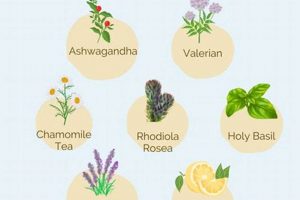
Botanical treatments employed to alleviate sleeplessness represent a diverse range of plant-derived substances. These formulations are often chosen by individuals seeking natural alternatives to conventional pharmaceutical interventions for sleep disturbances. An example includes the use of valerian root, a common ingredient in sleep aids, to promote relaxation and improve sleep quality.
The appeal of these natural sleep aids stems from a perception of fewer side effects compared to prescription medications, and their integration into traditional medicine systems across various cultures highlights a long history of use. Their perceived benefits encompass promoting relaxation, reducing anxiety, and facilitating a more natural sleep cycle. The continued interest reflects a growing awareness of holistic approaches to wellness and the potential for plant-based solutions to address common health concerns.
The following discussion will explore specific botanical options commonly considered for promoting restful sleep. It will also detail their purported mechanisms of action and considerations for their safe and effective utilization.
Guidance on Selecting and Utilizing Botanical Sleep Aids
The following provides considerations for individuals exploring plant-derived options to address sleep disturbances. Prudent assessment and informed choices are critical when incorporating these substances into a sleep management strategy.
Tip 1: Consult a Qualified Healthcare Professional: Prior to initiating any herbal regimen, a consultation with a physician or qualified herbalist is essential. This step ensures the selected remedy is appropriate for the individual’s specific health profile and does not interact negatively with existing medications or conditions.
Tip 2: Research Reputable Brands and Products: The quality and purity of botanical preparations can vary significantly. Selecting products from established and reputable manufacturers who adhere to stringent quality control standards is paramount. Look for third-party certifications to verify product content and safety.
Tip 3: Begin with Low Dosages: When introducing a new botanical sleep aid, starting with a low dose is advisable. This approach allows for the assessment of individual sensitivity and minimization of potential adverse effects. Dosage can be gradually increased as needed, under the guidance of a healthcare professional.
Tip 4: Adhere to Recommended Usage Guidelines: Each botanical preparation possesses specific usage instructions. It is imperative to carefully read and follow the manufacturer’s recommendations regarding dosage, timing of administration, and duration of use. Exceeding the recommended dosage does not necessarily enhance efficacy and may increase the risk of adverse events.
Tip 5: Be Aware of Potential Interactions: Certain plant-derived substances can interact with prescription or over-the-counter medications. Informing a healthcare provider of all supplements being taken is crucial to prevent potentially harmful interactions.
Tip 6: Monitor for Adverse Effects: Vigilant monitoring for any adverse reactions is essential. Should any unexpected symptoms arise, such as allergic reactions, gastrointestinal distress, or cognitive impairment, discontinue use immediately and seek medical advice.
Tip 7: Practice Sleep Hygiene: These substances should be used in conjunction with, not as a replacement for, good sleep hygiene practices. Maintaining a consistent sleep schedule, creating a relaxing bedtime routine, and optimizing the sleep environment are fundamental to achieving restful sleep.
Incorporating the mentioned options judiciously, under the guidance of qualified healthcare professionals, can contribute to a holistic approach to addressing sleep difficulties. It is crucial to understand that these substances are not a panacea, and long-term sleep health requires a multi-faceted strategy.
The following sections will explore specific herbal options.
1. Botanical Sources

The selection of specific botanical sources forms the foundational element of any strategy employing plant-derived substances to address sleeplessness. Understanding the characteristics and origins of these plants is crucial for ensuring both efficacy and safety.
- Plant Identification and Authentication
Accurate identification of the intended plant species is paramount. Adulteration and misidentification can lead to ineffective or even harmful products. Reputable suppliers utilize methods such as macroscopic and microscopic examination, along with chemical fingerprinting, to authenticate botanical materials. For example, different species of chamomile (Matricaria chamomilla vs. Chamaemelum nobile) possess varying chemical compositions and potentially different effects on sleep.
- Cultivation and Harvesting Practices
Environmental factors and agricultural practices significantly influence the chemical composition of plants. Sustainable cultivation and responsible harvesting methods are essential to preserve the integrity of the botanical material and prevent environmental degradation. For instance, valerian root harvested from wild sources may contain higher levels of active compounds compared to cultivated varieties, but wild harvesting must be conducted sustainably to avoid overexploitation.
- Geographic Origin and Chemotype
The geographical origin of a plant can impact its chemical profile, resulting in variations in therapeutic properties. Different chemotypes, or chemical races, within the same species may exhibit distinct effects. For example, lavender grown in different regions can have varying concentrations of linalool and linalyl acetate, the primary compounds responsible for its sedative effects.
- Plant Part Used
Different parts of a plant may contain varying concentrations and types of active compounds. The specific part utilized (e.g., root, leaf, flower) dictates the chemical constituents extracted and, consequently, the therapeutic effects achieved. For example, while the roots of valerian are commonly used for their sedative properties, the aerial parts (stems and leaves) are not typically employed for this purpose.
The careful consideration of plant identity, cultivation practices, geographic origin, and the specific plant part utilized directly impacts the effectiveness and safety of substances intended to alleviate sleep disorders. A thorough understanding of these variables is crucial for individuals seeking to incorporate these substances into their sleep management regimens.
2. Preparation Methods

The method by which botanicals are prepared significantly impacts the efficacy and safety profile of sleep aids. The extraction process influences the concentration and bioavailability of active compounds, thereby determining the therapeutic potential and potential risks associated with these substances.
- Infusions (Teas)
Infusions, commonly known as teas, involve steeping dried or fresh plant material in hot water. This method is suitable for extracting water-soluble compounds. The strength of the tea depends on the amount of plant material used and the steeping time. For insomnia, chamomile, lavender, and lemon balm teas are often consumed. However, the low concentration of active compounds in some teas may limit their effectiveness for more severe cases of sleep disturbance.
- Decoctions
Decoctions are prepared by simmering tougher plant parts, such as roots, barks, or seeds, in water for an extended period. This process is more effective at extracting compounds that are not easily released by simple infusion. Valerian root is often prepared as a decoction. The prolonged heating can, however, degrade some volatile compounds, potentially altering the therapeutic profile.
- Tinctures
Tinctures involve soaking plant material in alcohol (typically ethanol) or a mixture of alcohol and water. Alcohol is a more potent solvent than water, allowing for the extraction of a wider range of compounds, including resins and alkaloids. Tinctures offer a concentrated form of botanical medicine with a longer shelf life compared to infusions or decoctions. However, the alcohol content may be a concern for some individuals.
- Capsules and Tablets
Botanical extracts can be encapsulated or compressed into tablets, providing a convenient and standardized dosage form. This method allows for precise control over the amount of active compounds administered. Standardization ensures consistency in product quality and potency. However, the bioavailability of compounds from capsules and tablets can vary depending on factors such as particle size and excipients used in the formulation.
The choice of preparation method must be aligned with the specific botanical being used and the desired therapeutic outcome. Careful consideration of extraction efficiency, stability of active compounds, and potential contraindications is essential for optimizing the use of substances in the management of sleeplessness.
3. Dosage Guidelines

The effectiveness and safety of botanical substances depend critically on adherence to appropriate dosage guidelines. With regards to sleeplessness, imprecise dosing can negate therapeutic benefits or, conversely, induce adverse effects. The appropriate amount varies based on the specific plant, the individual’s physiological characteristics, and the preparation method employed. Establishing a connection between administered amount and therapeutic outcome is crucial for responsible utilization. For instance, a sub-therapeutic dose of valerian root may fail to promote relaxation, while an excessive dose could result in daytime drowsiness or gastrointestinal distress.
The consideration of individual factors, such as age, weight, and pre-existing medical conditions, is integral to determining suitable dosing. Pediatric and geriatric populations, in particular, warrant heightened vigilance due to potential differences in metabolic processes and sensitivity to these substances. Furthermore, the concurrent use of prescription medications necessitates careful assessment to prevent adverse interactions. An example of this consideration is the potential potentiation of sedative effects when combining certain botanicals, such as kava, with prescription anxiolytics, which calls for dosage adjustments under medical supervision.
In summary, dosage guidelines represent a cornerstone of responsible use when considering plant-derived substance interventions for addressing sleeplessness. The complexity of botanical composition and individual variability necessitates a personalized approach that balances therapeutic goals with the imperative of minimizing potential risks. Prudent application, informed by professional advice, can enhance efficacy and mitigate potential harm.
4. Potential Interactions

The co-administration of herbal sleep aids with prescription medications, over-the-counter drugs, or other supplements presents a significant risk of adverse interactions. These interactions can manifest through various mechanisms, including altered drug metabolism, enhanced or diminished drug effects, and increased risk of side effects. For instance, St. John’s Wort, sometimes used for its purported mood-enhancing properties, can induce cytochrome P450 enzymes, potentially reducing the effectiveness of medications like oral contraceptives or certain antidepressants, indirectly impacting sleep patterns. Similarly, combining valerian root with benzodiazepines or other sedative drugs can potentiate central nervous system depression, leading to excessive drowsiness or respiratory difficulties. The complexity arises from the diverse chemical constituents present in botanical substances, making prediction of interactions challenging without comprehensive knowledge of their pharmacokinetic and pharmacodynamic properties.
The importance of identifying and mitigating potential interactions stems from their direct impact on patient safety and therapeutic outcomes. Undetected interactions can lead to treatment failure, unexpected side effects, or even life-threatening complications. Consider the example of kava, which has been associated with liver toxicity. Concomitant use of kava with other hepatotoxic medications or alcohol can significantly increase the risk of liver damage. Healthcare providers must meticulously gather information on patients’ use of sleep aids and other substances to evaluate and manage interaction risks. Moreover, consumers should be educated on the importance of disclosing their use of botanical substances to their physicians and pharmacists.
In summary, potential interactions represent a critical safety concern in the context of plant-derived interventions for alleviating sleeplessness. The complexity of interactions underscores the need for caution, thorough evaluation, and transparent communication between patients and healthcare professionals. A comprehensive understanding of potential interactions and proactive risk mitigation strategies are essential for ensuring the safe and effective use of plant-derived substances in managing sleep disorders.
5. Safety Profile

The safety profile of plant-derived sleep aids represents a critical consideration in evaluating their suitability for managing insomnia. A thorough assessment of potential adverse effects, contraindications, and long-term consequences is essential to inform responsible decision-making. The perceived “natural” origin of these treatments does not inherently guarantee their safety, necessitating a rigorous evaluation process.
- Adverse Effects
Plant-derived sleep aids, like any therapeutic intervention, can elicit adverse effects. These can range from mild and transient symptoms, such as gastrointestinal upset or daytime drowsiness, to more severe reactions like allergic responses or hepatotoxicity. For example, kava, while historically used for its anxiolytic and sleep-promoting properties, has been linked to cases of liver damage, prompting regulatory restrictions in some countries. Vigilant monitoring for any untoward effects is crucial, and prompt discontinuation is warranted should adverse symptoms arise.
- Contraindications
Certain medical conditions or concurrent medications can create contraindications for the use of botanical sleep aids. Individuals with pre-existing liver or kidney disease, for example, may be at increased risk of adverse effects from certain plant-derived substances. Similarly, specific herbs can interact with prescription medications, potentially altering their efficacy or increasing the risk of side effects. For instance, St. John’s Wort can interfere with the metabolism of various drugs, including antidepressants and oral contraceptives. A comprehensive review of medical history and current medications is essential to identify and avoid potential contraindications.
- Long-Term Effects
The long-term effects of prolonged use of botanical sleep aids remain an area of ongoing investigation. While some substances may be well-tolerated for short-term use, the chronic administration of others could potentially lead to tolerance, dependence, or unforeseen adverse health outcomes. For example, while melatonin is widely considered safe for short-term sleep regulation, its long-term effects on hormone levels and reproductive health are not fully elucidated. Prudent utilization involves employing these substances judiciously and under the guidance of a qualified healthcare professional, particularly for extended periods.
- Quality Control and Standardization
The safety profile of plant-derived remedies is intimately linked to product quality and standardization. Variations in plant species, cultivation practices, and extraction methods can lead to inconsistent levels of active compounds and potential contaminants. Unstandardized products may lack therapeutic efficacy or, conversely, pose a risk of toxicity due to unexpected variations in potency. Selecting products from reputable manufacturers who adhere to stringent quality control standards is essential to ensure both safety and efficacy.
In conclusion, the safety profile represents a pivotal consideration when contemplating botanical interventions for sleep disturbances. A comprehensive understanding of potential adverse effects, contraindications, long-term consequences, and the importance of product quality is paramount to mitigating risks and promoting responsible utilization. Individuals should prioritize consultation with a qualified healthcare professional to determine the suitability of these substances and to ensure their safe and effective incorporation into a sleep management strategy.
6. Efficacy Evidence
The evaluation of “herbal remedies for insomnia” rests critically on the availability and quality of efficacy evidence. Scientific validation is essential to ascertain whether the purported benefits of these remedies are supported by rigorous research and to differentiate them from anecdotal claims or placebo effects.
- Randomized Controlled Trials (RCTs)
RCTs represent the gold standard for assessing the efficacy of interventions. In the context of “herbal remedies for insomnia,” well-designed RCTs compare the effects of a specific remedy against a placebo or established treatment. For instance, a RCT might evaluate the impact of valerian root extract on sleep latency and sleep quality compared to a placebo. Positive outcomes from RCTs provide strong support for the remedy’s effectiveness, but limitations in study design or sample size can affect the reliability of the findings.
- Systematic Reviews and Meta-Analyses
Systematic reviews synthesize the results of multiple RCTs and other studies to provide a comprehensive overview of the available evidence. Meta-analyses, a type of systematic review, use statistical methods to pool data from different studies, increasing the statistical power to detect significant effects. When applied to “herbal remedies for insomnia,” these analyses can offer a more definitive assessment of the overall efficacy of a particular remedy, such as chamomile or lavender, while also highlighting any inconsistencies or gaps in the evidence base.
- Dosage and Formulation Studies
Efficacy evidence must consider the influence of dosage and formulation on therapeutic outcomes. Different dosages of a remedy may produce varying effects, and the formulation (e.g., tea, capsule, tincture) can affect bioavailability and absorption. Studies that investigate the dose-response relationship and compare different formulations are crucial for optimizing the use of “herbal remedies for insomnia.” For example, research may explore whether a higher dose of melatonin is more effective for improving sleep onset latency or if a standardized extract of passionflower is more efficacious than a crude herbal preparation.
- Long-Term Efficacy and Safety Studies
While short-term studies can assess the immediate effects of “herbal remedies for insomnia,” long-term efficacy and safety studies are essential to evaluate sustained benefits and potential adverse effects with prolonged use. These studies are particularly important for conditions like chronic insomnia, where individuals may use herbal remedies for extended periods. Longitudinal research can identify whether the initial benefits of a remedy persist over time and whether any tolerance or dependence develops. Additionally, long-term studies can detect rare or delayed adverse effects that may not be apparent in shorter trials.
The rigorous evaluation of efficacy evidence, encompassing RCTs, systematic reviews, dosage studies, and long-term assessments, is paramount for substantiating the therapeutic claims associated with “herbal remedies for insomnia.” A critical appraisal of the available evidence allows for informed decision-making by both healthcare professionals and individuals seeking alternative approaches to managing sleep disturbances. A reliance on anecdotal evidence or unsubstantiated claims can lead to ineffective treatments and potentially compromise patient safety.
Frequently Asked Questions
The following addresses commonly raised inquiries concerning the use of plant-derived substances for the management of sleeplessness, offering evidence-based insights.
Question 1: Are “herbal remedies for insomnia” inherently safe due to their natural origin?
The assertion that botanical treatments are universally safe by virtue of their natural source is a misconception. Like any therapeutic intervention, these substances possess the potential for adverse effects, interactions, and contraindications. Rigorous assessment and informed use are crucial.
Question 2: Can “herbal remedies for insomnia” replace conventional medical treatments for sleep disorders?
Plant-derived options are not intended to supplant established medical care for sleep disturbances. While they may offer adjunctive benefits for some individuals, they should not be considered a replacement for appropriate diagnostic evaluation and treatment by a qualified healthcare professional, particularly in cases of chronic or severe insomnia.
Question 3: How can one ascertain the quality and purity of “herbal remedies for insomnia”?
Ensuring product quality involves selecting brands with established reputations and rigorous quality control standards. Look for third-party certifications that verify product content and purity. Thoroughly examine product labels for detailed information on ingredients, dosage, and potential allergens.
Question 4: What are the most common potential side effects associated with “herbal remedies for insomnia”?
Reported adverse effects vary depending on the specific herb used. Common side effects include gastrointestinal upset, daytime drowsiness, allergic reactions, and, in rare cases, more serious issues such as liver toxicity. Vigilant monitoring for any unexpected symptoms is essential.
Question 5: How long does it typically take for “herbal remedies for insomnia” to exert their effects?
The onset of effects varies depending on the herb, the individual’s physiology, and the severity of the sleep disturbance. Some individuals may experience a noticeable improvement in sleep within a few days, while others may require several weeks of consistent use. It is important to establish realistic expectations and to consult with a healthcare provider if symptoms do not improve.
Question 6: Are “herbal remedies for insomnia” safe to use during pregnancy or breastfeeding?
The use of botanical substances during pregnancy and breastfeeding necessitates extreme caution. Many herbs have not been adequately studied for their safety in these populations. Consultation with a qualified healthcare professional is essential to assess potential risks and benefits.
In summary, the use of plant-derived substances for sleep management involves both potential benefits and inherent risks. Responsible utilization, informed by scientific evidence and professional guidance, is paramount.
The next section will explore the legal and regulatory landscape surrounding these remedies.
Herbal Remedies for Insomnia
This exploration has illuminated the complexities surrounding plant-derived treatments for sleeplessness. The discussion has encompassed botanical sources, preparation methods, appropriate dosages, potential interactions, safety profiles, and the strength of supporting evidence. A responsible approach requires careful consideration of these multifaceted aspects, eschewing the notion that “natural” equates to “safe” or universally effective.
The information presented herein serves as a foundation for informed decision-making. Individuals grappling with sleep disturbances should engage proactively with healthcare professionals, fostering a collaborative approach that integrates both conventional and complementary strategies when appropriate. Continued rigorous scientific investigation remains essential to further elucidate the benefits and limitations of these substances, ultimately guiding their safe and effective integration into healthcare practices.