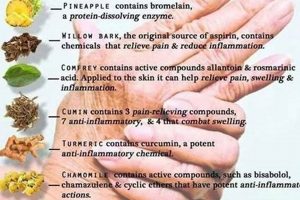
Substances derived from plants, employed as treatments to alleviate the symptoms of urticaria, represent a category of therapeutic options. These natural approaches are often sought as alternatives or complements to conventional pharmaceutical interventions, particularly when managing mild to moderate cases of skin eruptions characterized by raised, itchy welts. A typical example includes the application of chamomile compresses to reduce inflammation and soothe irritated skin affected by this condition.
The value of utilizing botanical treatments for this dermatological issue lies in their potential to provide relief from itching and inflammation, often with fewer reported side effects than some synthetic medications. Historically, many cultures have integrated plant-based solutions into their healthcare practices for managing various ailments, including skin conditions. This long-standing tradition underscores a perceived efficacy and tolerability that continues to drive interest in these approaches.
The subsequent sections will delve into specific plant-derived agents commonly considered for addressing this skin reaction, examining their purported mechanisms of action, available scientific evidence, and guidelines for safe and effective use. The exploration will also consider potential risks and interactions to ensure a well-informed understanding of their role in managing this condition.
The following recommendations are intended to provide guidance regarding the utilization of plant-derived substances for managing skin eruptions characterized by raised, itchy welts. They are not a substitute for professional medical advice.
Tip 1: Prioritize Identification of Triggers: Before initiating any treatment, identifying and avoiding potential triggers such as certain foods, medications, or environmental factors is paramount. Accurate identification can significantly reduce the frequency and severity of outbreaks.
Tip 2: Consider Topical Application of Aloe Vera: The gel from the Aloe vera plant may offer soothing relief from itching and inflammation. Apply a thin layer of pure Aloe vera gel directly to affected areas. Ensure the product is free from additives or irritants.
Tip 3: Explore Chamomile-Infused Compresses: Chamomile possesses anti-inflammatory properties. Prepare a cool compress by steeping chamomile tea bags in cool water, then applying the compress to affected skin. Use high-quality chamomile tea to avoid potential allergens.
Tip 4: Evaluate Calendula’s Potential: Topical creams or ointments containing Calendula extract may aid in reducing inflammation and promoting skin healing. Choose products standardized for their Calendula concentration to ensure consistent potency.
Tip 5: Consult with a Qualified Herbalist: Seeking guidance from an experienced herbalist can provide personalized recommendations based on individual health history and specific symptom presentation. Ensure the herbalist is certified and possesses a thorough understanding of potential interactions with existing medications.
Tip 6: Perform Patch Tests: Prior to widespread application of any topical substance, conduct a patch test on a small, discreet area of skin to assess for potential allergic reactions. Observe the area for 24-48 hours for any signs of irritation or inflammation.
Tip 7: Monitor for Adverse Reactions: Closely monitor for any adverse reactions, such as worsening of symptoms, increased itching, or development of a rash. Discontinue use immediately and seek medical attention if any concerning reactions occur.
These recommendations emphasize the importance of a cautious and informed approach to integrating plant-based substances into a treatment plan. While certain botanicals may offer symptomatic relief, a comprehensive understanding of potential benefits, risks, and interactions is essential.
The subsequent sections will offer additional insights into integrating these suggestions into a holistic strategy for managing this dermatological concern.
1. Anti-inflammatory Properties

The capacity to mitigate inflammation is a fundamental attribute of many plant-derived substances employed in the treatment of urticaria. Inflammation, characterized by redness, swelling, and itching, is a primary component of the body’s response to allergens or irritants that trigger hives. Thus, substances that effectively dampen this inflammatory response can offer significant symptomatic relief.
- Inhibition of Inflammatory Mediators
Certain herbal constituents exert their anti-inflammatory effects by inhibiting the production or activity of key inflammatory mediators, such as histamine, leukotrienes, and prostaglandins. For example, compounds found in chamomile and calendula may interfere with the signaling pathways that lead to the release of these substances, thereby reducing the intensity of the inflammatory cascade. This can translate to decreased redness, swelling, and itching associated with urticarial outbreaks.
- Modulation of Immune Cell Activity
Immune cells, including mast cells and T lymphocytes, play a central role in the development and perpetuation of inflammation in urticaria. Certain herbal remedies may modulate the activity of these cells, preventing their excessive activation and subsequent release of inflammatory molecules. For instance, components of licorice root have been shown to influence the function of T lymphocytes, potentially dampening their contribution to the inflammatory process. This modulation can contribute to a reduction in the frequency and severity of outbreaks.
- Antioxidant Activity and Free Radical Scavenging
Oxidative stress, resulting from an imbalance between free radical production and antioxidant defenses, can exacerbate inflammation. Some herbal remedies possess antioxidant properties, enabling them to neutralize free radicals and reduce oxidative damage to tissues. Ingredients in green tea, for instance, contain potent antioxidants that can protect against inflammation-induced cellular damage. This indirect anti-inflammatory effect can contribute to overall improvement in skin health and reduction of urticarial symptoms.
- Reduction of Capillary Permeability
Increased capillary permeability, or leakiness of blood vessels, is a characteristic feature of inflammation, leading to fluid extravasation and swelling. Certain herbal compounds, such as those found in horse chestnut, may strengthen capillary walls and reduce their permeability, thereby minimizing fluid leakage into surrounding tissues. This effect can help to alleviate the swelling associated with urticarial lesions and improve the overall appearance of affected skin.
The integration of these anti-inflammatory mechanisms highlights the potential of utilizing plant-derived therapies to manage urticaria. However, it is crucial to acknowledge that the efficacy and safety of these remedies may vary depending on individual factors, the specific herbal product used, and the severity of the condition. Therefore, consultation with a qualified healthcare professional is essential prior to incorporating herbal remedies into a treatment plan.
2. Symptom Relief Duration

The timeframe during which discernible alleviation of urticarial symptoms occurs following the administration of a botanical treatment constitutes a critical factor in evaluating its clinical utility. The duration of relief can significantly influence patient satisfaction and adherence to a treatment regimen.
- Pharmacokinetic Variability
The absorption, distribution, metabolism, and excretion (ADME) characteristics of active compounds within plant-derived substances exhibit considerable variability. These pharmacokinetic processes influence the concentration of the active compound at the target site, impacting the onset and duration of symptom relief. Factors such as individual metabolic rates, gastrointestinal absorption efficiency, and renal function can alter the time course of therapeutic effects. For example, rapid metabolism of an active compound may lead to a shorter duration of symptom relief compared to a compound with slower metabolic degradation.
- Formulation and Route of Administration
The formulation of a botanical treatment, as well as its route of administration, directly affect the rate and extent of drug delivery to the target site. Topical formulations, such as creams and ointments, generally provide localized and relatively short-term symptom relief compared to systemic formulations, such as oral capsules or teas. The duration of relief from a topical application depends on factors such as the concentration of the active compound, the vehicle used in the formulation, and the skin’s permeability. Systemic routes may offer more prolonged relief, but are also associated with a greater potential for systemic side effects.
- Severity of Urticarial Outbreak
The intensity of the urticarial outbreak significantly impacts the perceived duration of symptom relief. Mild outbreaks may respond more rapidly and experience longer periods of remission compared to severe outbreaks. The extent of mast cell degranulation, histamine release, and the subsequent inflammatory cascade contribute to the overall symptom burden. A more severe inflammatory response may require higher concentrations or more frequent applications of botanical treatments to achieve a comparable duration of relief.
- Individual Patient Factors
Individual patient characteristics, including age, body weight, co-existing medical conditions, and concurrent medication use, influence the duration of symptom relief. Pediatric patients, for example, may exhibit different responses to herbal treatments compared to adults due to variations in metabolic capacity and immune function. Concurrent medication use can also alter the pharmacokinetic and pharmacodynamic properties of botanical treatments, potentially shortening or prolonging the duration of symptom relief.
The interrelation of these factors highlights the complexities inherent in predicting the symptom relief duration afforded by plant-derived substances. A comprehensive assessment of these variables, coupled with a thorough understanding of the specific botanical agent employed, is essential for optimizing therapeutic outcomes in the management of urticaria.
3. Potential allergic reactions

The utilization of plant-derived substances to mitigate urticaria presents a paradox; while intended to alleviate discomfort, these treatments can, in themselves, elicit allergic responses. These reactions stem from the inherent complexity of botanical extracts, which contain a multitude of compounds, some of which may act as allergens in sensitized individuals. The introduction of these substances, whether topically or systemically, can trigger an immune cascade, resulting in the manifestation of allergic symptoms that may mimic or exacerbate the original urticarial condition. For example, an individual applying a chamomile cream to soothe hives may inadvertently experience contact dermatitis due to an allergy to one of the plant’s constituents, such as sesquiterpene lactones.
The significance of understanding these potential allergic reactions is paramount, as they directly impact treatment outcomes and patient safety. Without adequate awareness and precautionary measures, individuals may misattribute allergic symptoms to the underlying urticaria, leading to continued use of the offending agent and a perpetuation of the allergic response. Furthermore, the severity of allergic reactions can range from mild skin irritation to severe systemic anaphylaxis, necessitating prompt medical intervention. Cases involving anaphylaxis following the ingestion of herbal supplements underscore the importance of rigorous assessment and controlled introduction of botanical remedies.
In summary, the potential for allergic reactions constitutes a critical consideration in the use of plant-derived substances for managing urticaria. Vigilant monitoring, careful product selection, and a thorough understanding of patient allergy history are essential to mitigate the risk of adverse events. The complexities involved necessitate informed decision-making and, in many cases, consultation with qualified healthcare professionals to ensure patient safety and therapeutic efficacy. This understanding ensures alignment with the core goal of symptom alleviation while minimizing unintended harm.
4. Interaction with Medications

The concurrent use of plant-derived substances and conventional pharmaceutical agents presents a potential for interactions that may either enhance or diminish the therapeutic effects of either substance, or lead to adverse effects. Such interactions are of particular concern in the management of urticaria, given the diverse range of treatments available and the potential for patients to seek complementary or alternative therapies.
- Pharmacokinetic Interactions
Plant-derived compounds can influence the absorption, distribution, metabolism, and excretion (ADME) of prescription medications. For example, certain herbal constituents may inhibit cytochrome P450 enzymes, which are responsible for metabolizing many drugs. This inhibition can lead to increased drug concentrations in the bloodstream, potentially increasing the risk of toxicity. Conversely, other herbal constituents may induce these enzymes, leading to decreased drug concentrations and reduced efficacy. These interactions are particularly relevant for medications with a narrow therapeutic index, such as antihistamines commonly used to manage urticaria.
- Pharmacodynamic Interactions
Herbal remedies can interact with medications at the level of their pharmacological targets. For instance, combining herbal substances with sedative properties (e.g., valerian, chamomile) with antihistamines, which also possess sedative effects, may result in additive central nervous system depression, leading to increased drowsiness and impaired cognitive function. Similarly, herbal remedies with anti-inflammatory properties may potentiate the effects of nonsteroidal anti-inflammatory drugs (NSAIDs), increasing the risk of gastrointestinal bleeding or other adverse effects.
- Interference with Diagnostic Tests
Certain herbal substances can interfere with laboratory diagnostic tests, potentially leading to inaccurate results and inappropriate treatment decisions. For example, St. John’s Wort has been shown to interfere with the measurement of certain hormones and therapeutic drug levels. This interference can complicate the diagnosis and management of urticaria, especially when monitoring response to treatment or investigating underlying causes.
- Effects on Coagulation
Some herbal remedies, such as garlic, ginger, and ginkgo biloba, possess antiplatelet or anticoagulant properties. Concomitant use of these herbs with anticoagulant or antiplatelet medications (e.g., warfarin, aspirin) can increase the risk of bleeding complications. This is of particular concern in patients with urticaria who may already be at increased risk of bleeding due to underlying medical conditions or concurrent use of other medications.
The potential for interactions necessitates careful evaluation of patients medication and supplement history prior to initiating any herbal therapy for urticaria. Healthcare professionals should be knowledgeable about potential herb-drug interactions and provide appropriate counseling to patients to minimize the risk of adverse events.
5. Appropriate application method

The efficacy of plant-derived substances in managing urticaria is intrinsically linked to the method by which they are applied. Improper application can diminish therapeutic benefits or, conversely, exacerbate symptoms and potentially trigger adverse reactions. The choice between topical, oral, or other routes of administration must consider the specific herbal agent, the severity and location of the urticarial outbreak, and the patient’s overall health status. For instance, while topical application of chamomile may soothe localized inflammation, ingestion of the same herb could lead to systemic effects, potentially impacting concurrent medications or underlying health conditions.
Topical preparations, such as creams, ointments, and compresses, necessitate careful attention to factors such as concentration, frequency, and duration of application. Overuse of certain potent extracts may induce skin irritation or allergic contact dermatitis, while insufficient application may fail to deliver adequate therapeutic concentrations to the affected area. Furthermore, the vehicle in which the herbal extract is formulated can influence its penetration and absorption. Occlusive dressings may enhance absorption but also increase the risk of skin maceration and secondary infection. In contrast, oral administration requires consideration of factors such as bioavailability, gastrointestinal absorption, and potential first-pass metabolism, which can significantly alter the concentration of the active compound reaching systemic circulation. For example, poorly water-soluble compounds may exhibit limited absorption, necessitating higher doses or alternative formulations.
In summary, the appropriate application method is not merely a procedural detail but a critical determinant of the therapeutic outcome. It requires a nuanced understanding of the herbal agent’s properties, the patient’s individual characteristics, and the potential for both beneficial and adverse effects. A meticulous and informed approach to application is essential to maximize the therapeutic potential of plant-derived substances in managing urticaria while minimizing the risk of unintended harm. Failure to carefully consider and implement the appropriate application method can render even the most promising herbal remedy ineffective or even detrimental.
6. Evidence-based efficacy

The assessment of therapeutic interventions, including those involving plant-derived substances for urticaria, hinges critically on the availability of robust scientific evidence. Evidence-based efficacy, in this context, refers to the demonstration, through well-designed and rigorously conducted clinical trials, that a specific botanical remedy consistently produces statistically significant and clinically meaningful improvements in urticarial symptoms compared to a placebo or established treatment. The absence of such evidence introduces uncertainty regarding the true benefits and risks of the intervention.
The integration of botanical substances into conventional dermatological practice for urticaria necessitates a departure from anecdotal endorsements toward data-driven validation. For example, while anecdotal reports might suggest that topical application of chamomile reduces itching associated with hives, a randomized, double-blind, placebo-controlled trial would be required to ascertain whether this effect is truly attributable to chamomile or to other factors, such as the placebo effect or spontaneous remission. Furthermore, such trials must evaluate not only symptom reduction but also potential adverse effects, optimal dosage, and long-term outcomes. The application of rigorous methodologies ensures a more objective and reliable appraisal of the intervention’s true worth.
In summary, the pursuit of evidence-based efficacy forms the cornerstone of responsible and ethical practice when considering botanical remedies for urticaria. It ensures that treatment decisions are grounded in sound scientific principles, minimizing the risk of harm and maximizing the potential for benefit. Challenges persist in conducting high-quality research on herbal remedies, including issues related to standardization, blinding, and funding. However, the ongoing commitment to generating and critically evaluating evidence is essential for advancing the integration of botanical medicine into mainstream healthcare.
Frequently Asked Questions Regarding Herbal Remedies for Hives
The subsequent section addresses commonly encountered inquiries concerning the use of plant-derived substances in the management of urticaria. The responses provided are intended for informational purposes and do not constitute medical advice.
Question 1: Are herbal remedies a suitable replacement for conventional treatments for hives?
Herbal remedies may provide symptomatic relief for mild cases of urticaria. However, severe or persistent cases typically require conventional medical interventions, such as antihistamines or corticosteroids. A qualified healthcare professional should be consulted to determine the most appropriate treatment strategy.
Question 2: How can one ascertain the safety of a specific herbal remedy for hives?
Prior to using any herbal remedy, a thorough review of its known side effects, potential drug interactions, and contraindications is essential. A small test application on a limited skin area can help identify potential allergic reactions. Consultation with a qualified herbalist or healthcare provider is recommended.
Question 3: What is the typical duration required to observe tangible results from herbal remedies for hives?
The timeframe for observing tangible results varies depending on the specific herbal remedy, the severity of the urticaria, and individual patient factors. Some individuals may experience relief within a few days, while others may require several weeks of consistent use.
Question 4: Are there specific herbal remedies that are contraindicated for use in conjunction with certain medications?
Certain herbal remedies, such as St. John’s Wort, are known to interact with a wide range of medications. Individuals taking prescription medications should consult with their healthcare provider before using any herbal remedy to avoid potentially harmful interactions.
Question 5: How does one ensure the quality and purity of herbal remedies purchased for treating hives?
Purchase herbal remedies from reputable sources that adhere to quality control standards. Look for products that have been independently tested for purity and potency. Avoid products that contain undisclosed ingredients or lack proper labeling.
Question 6: Can herbal remedies effectively treat all types of hives?
Herbal remedies may offer relief for certain types of urticaria, such as those triggered by allergies or inflammation. However, they are unlikely to be effective for all cases, particularly those caused by underlying medical conditions or autoimmune disorders. A proper diagnosis is essential for determining the most appropriate treatment approach.
In conclusion, while herbal remedies may provide a complementary approach to managing urticaria, a cautious and informed approach is essential. Consultation with qualified healthcare professionals and adherence to established safety guidelines are crucial for ensuring optimal outcomes.
The following section will delve into specific herbal remedy examples.
Conclusion
The exploration of plant-derived substances as treatments for urticaria reveals a landscape of potential benefits and inherent risks. The varied mechanisms of action, ranging from anti-inflammatory effects to modulation of immune responses, offer avenues for symptomatic relief. However, the potential for allergic reactions, interactions with conventional medications, and variations in individual responses necessitate a cautious and informed approach.
The pursuit of robust scientific evidence remains crucial to validate the efficacy and safety of these treatments. While historical use and anecdotal evidence may suggest potential benefits, rigorous clinical trials are essential to establish definitive recommendations. Responsible integration of plant-derived treatments into urticaria management demands adherence to evidence-based practices and consultation with qualified healthcare professionals to optimize patient outcomes and minimize potential harm.