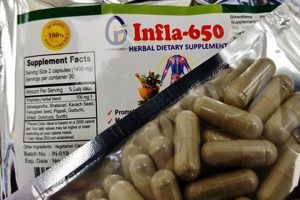
Preparations derived from plants are marketed as a means of modulating endogenous hormone levels. These products often contain phytoestrogens, compounds that mimic estrogen, or other plant-derived substances believed to influence hormone production, metabolism, or receptor activity. As an example, black cohosh, a plant native to North America, is commonly used to address menopausal symptoms due to its potential estrogenic effects.
The perceived value stems from a desire for natural alternatives to conventional hormone therapies. Proponents suggest these preparations offer a gentler approach, minimizing the potential side effects associated with synthetic hormones. Historically, various cultures have employed plants for medicinal purposes, including managing reproductive health and age-related hormonal changes, contributing to the current interest and perceived benefits of such plant-based interventions.
The subsequent sections will delve into the scientific evidence supporting the efficacy of specific botanical extracts, examine potential risks and interactions, and discuss the regulatory landscape surrounding these widely available products. Further investigation will be given to the safety parameters when incorporating these substance in dietary regimens.
Guidance on Plant-Based Hormone Modulation
The following recommendations provide insight into the use of botanically-derived substances intended to influence hormonal balance. Careful consideration should be given to individual health conditions and potential interactions.
Tip 1: Prioritize Consultation with Healthcare Professionals: Engage in thorough discussions with physicians or qualified healthcare providers before initiating any botanical regimen aimed at modulating hormone levels. This facilitates a comprehensive assessment of individual needs and potential contraindications.
Tip 2: Scrutinize Product Sourcing and Quality: Evaluate the reputation and manufacturing standards of suppliers. Third-party certifications can offer assurance regarding the purity and potency of botanical extracts.
Tip 3: Adhere to Recommended Dosages: Strictly follow dosage instructions provided by manufacturers or healthcare professionals. Exceeding recommended dosages does not necessarily augment efficacy and may increase the risk of adverse effects.
Tip 4: Monitor for Adverse Reactions: Maintain vigilance for any atypical physiological responses following commencement of botanical extracts. Discontinue use immediately and seek medical attention if adverse effects are observed.
Tip 5: Consider Potential Interactions with Medications: Be cognizant of potential interactions between botanical extracts and prescription or over-the-counter medications. Certain plant compounds may potentiate or inhibit the effects of pharmaceutical agents.
Tip 6: Exercise Caution in Specific Populations: Pregnant or lactating individuals, as well as those with pre-existing hormone-sensitive conditions, should exercise heightened caution and seek expert medical advice before considering plant-based hormone modulation.
Tip 7: Recognize Limitations: Understand that the scientific evidence supporting the efficacy of certain botanicals for hormone modulation may be limited or inconclusive. Manage expectations accordingly.
Effective utilization of plant-derived substances for hormonal influence necessitates a balanced approach, emphasizing informed decision-making, professional guidance, and meticulous monitoring. Awareness of individual factors and the limitations of botanical extracts are paramount.
The subsequent section will cover relevant regulations and guidelines regarding these products.
1. Phytoestrogen Sources

Phytoestrogen sources constitute a fundamental aspect of botanical preparations marketed for hormonal modulation. These plant-derived compounds mimic or influence the effects of endogenous estrogen, thereby forming the basis for numerous herbal supplements targeting hormonal imbalances.
- Soy-Based Isoflavones
Soybeans and soy-derived products, such as tofu and tempeh, contain isoflavones, including genistein and daidzein. These compounds can bind to estrogen receptors, potentially exerting estrogenic or anti-estrogenic effects depending on the tissue and hormonal milieu. Soy isoflavones are widely used in supplements intended to alleviate menopausal symptoms.
- Red Clover
Red clover is another significant source of isoflavones, specifically biochanin A and formononetin. These isoflavones are metabolized into other active compounds, potentially influencing estrogen-related pathways. Red clover extracts are commonly incorporated into formulations targeting women’s health.
- Flaxseed Lignans
Flaxseeds are rich in lignans, which are converted by intestinal bacteria into enterodiol and enterolactone, weak estrogenic compounds. Lignans may also exhibit antioxidant properties. Flaxseed is often consumed as a dietary supplement or ingredient in functional foods.
- Black Cohosh
Black cohosh, a North American herb, has traditionally been used to manage menopausal symptoms. Although its mechanism of action remains debated, it is believed to contain compounds that can modulate estrogen receptor activity or influence other hormonal pathways. Black cohosh is a prominent ingredient in numerous supplements.
The diverse range of phytoestrogen sources underscores the complexity of plant-based approaches to hormone management. The varying chemical structures, bioavailability, and receptor affinities of different phytoestrogens contribute to the heterogeneity of effects observed with various herbal supplements. While soy and red clover isoflavones may offer relief from menopausal symptoms, flaxseed lignans contribute dietary fiber, and black cohosh is also a source. An understanding of these differences is crucial for both healthcare providers and consumers when evaluating the potential benefits and risks associated with botanical hormonal interventions.
2. Efficacy Variability

Efficacy variability represents a crucial consideration when evaluating botanical preparations marketed for hormone modulation. The inconsistent and often unpredictable outcomes associated with these products underscore the need for cautious assessment and personalized approaches.
- Botanical Source and Composition
The precise species, growing conditions, harvesting methods, and processing techniques significantly influence the chemical composition of botanicals. Variations in these factors can lead to substantial differences in the concentrations of active compounds, directly impacting the product’s potency and consistency. For example, black cohosh products from different manufacturers may contain varying amounts of triterpene glycosides, the compounds believed to contribute to its efficacy. These inconsistencies in composition undermine the reliability of clinical trial results and complicate dosage recommendations.
- Bioavailability and Metabolism
The bioavailability of plant-derived compounds, or the extent to which they are absorbed and utilized by the body, can vary considerably. Factors such as individual differences in gut microbiota, digestive enzyme activity, and liver metabolism can alter the absorption and biotransformation of phytoestrogens and other active constituents. For instance, the conversion of lignans from flaxseed into enterolactone and enterodiol depends on the presence of specific gut bacteria. Individuals lacking these bacteria may experience limited or no estrogenic effects from flaxseed consumption.
- Individual Physiological Factors
Individual physiological characteristics, including age, hormonal status, genetic predispositions, and concurrent medical conditions, can modulate the response to botanical preparations. For example, women in different stages of menopause may exhibit varying sensitivities to phytoestrogens. Similarly, individuals with hormone-sensitive cancers or a history of thromboembolic events may experience adverse effects from compounds that mimic estrogen.
- Lack of Standardization and Regulation
The limited regulatory oversight of botanical supplements in many jurisdictions contributes to the problem of efficacy variability. Inconsistent manufacturing practices and a lack of standardized quality control measures can result in products that are mislabeled, adulterated, or contain inaccurate dosages of active ingredients. This lack of regulation makes it difficult for consumers and healthcare providers to accurately assess the safety and efficacy of these products.
The interplay of botanical source, bioavailability, individual physiology, and regulatory oversight collectively accounts for the significant efficacy variability observed with botanicals aimed at hormonal influence. This variability necessitates a personalized approach, emphasizing informed decision-making, professional guidance, and meticulous monitoring. An awareness of these factors is paramount for both consumers and healthcare professionals when considering the use of herbal preparations for hormone modulation.
3. Potential Risks
The potential risks associated with botanical preparations marketed for hormonal modulation demand careful consideration. While these products are often perceived as natural and therefore inherently safe, they are not without potential adverse effects and interactions. A thorough understanding of these risks is essential for informed decision-making.
- Hormone-Sensitive Conditions
Individuals with hormone-sensitive conditions, such as breast cancer, uterine cancer, ovarian cancer, endometriosis, and uterine fibroids, may face heightened risks from products containing phytoestrogens or other hormone-modulating compounds. The estrogenic or anti-estrogenic effects of these substances could potentially stimulate the growth or progression of these conditions. For instance, soy isoflavones, while often promoted for menopausal symptoms, have been a subject of debate regarding their potential impact on breast cancer risk. Consultation with an oncologist or endocrinologist is imperative for individuals with such conditions.
- Drug Interactions
Botanical preparations can interact with various prescription and over-the-counter medications, potentially altering their efficacy or increasing the risk of adverse effects. For example, St. John’s Wort, though not primarily marketed for hormone modulation, is a potent inducer of cytochrome P450 enzymes, which can accelerate the metabolism and reduce the effectiveness of numerous drugs, including oral contraceptives and hormone replacement therapy. Similarly, certain phytoestrogens can interfere with the anticoagulant effects of warfarin, increasing the risk of bleeding. A comprehensive review of medication interactions is crucial before initiating any botanical regimen.
- Adverse Effects
Like any biologically active substance, botanical preparations can cause a range of adverse effects, varying in severity and presentation. Common side effects include gastrointestinal disturbances (nausea, bloating, diarrhea), skin rashes, headaches, and changes in menstrual cycles. In rare cases, more severe adverse reactions, such as liver damage or allergic reactions, can occur. Black cohosh, for example, has been associated with reports of hepatotoxicity. Close monitoring and prompt discontinuation upon the onset of any unusual symptoms are essential.
- Quality Control Issues
The inconsistent quality control and standardization of botanical products pose a significant risk to consumers. Variations in growing conditions, harvesting practices, and manufacturing processes can lead to significant differences in the potency and purity of herbal preparations. Some products may be mislabeled, adulterated with synthetic compounds, or contaminated with heavy metals, pesticides, or other toxins. Independent third-party testing and certification can help mitigate these risks, but are not always readily available or reliable.
These potential risks underscore the importance of a cautious and informed approach to the use of botanical preparations. While some individuals may experience benefits from these products, the potential for adverse effects and interactions necessitates careful consideration, professional guidance, and meticulous monitoring. A thorough understanding of individual health status, medication history, and potential contraindications is crucial to minimizing the risks associated with herbal hormone supplements.
4. Regulatory Scrutiny
Regulatory scrutiny of botanical substances marketed for hormone modulation is a critical component of consumer safety and product efficacy. The relatively limited oversight, compared to pharmaceutical products, presents significant challenges concerning standardization, quality control, and the validity of health claims. This lack of stringent regulation can lead to inconsistencies in product composition, inaccurate labeling, and the potential presence of adulterants or contaminants. The consequences of inadequate regulatory oversight extend to misleading consumers about the actual benefits and risks associated with these preparations, thereby impeding informed decision-making. For example, various investigations have revealed herbal supplements containing undisclosed synthetic hormones or lacking the claimed active ingredients, posing serious health risks to unsuspecting users.
The absence of rigorous pre-market approval processes, common for pharmaceuticals, means that botanical preparations enter the market with limited evidence of safety or efficacy. While some regulatory bodies require manufacturers to adhere to Good Manufacturing Practices (GMP), enforcement and compliance remain variable. This regulatory gap allows unsubstantiated health claims to proliferate, often exploiting consumer desire for natural alternatives to conventional hormone therapies. Consequently, consumers are placed in a vulnerable position, relying on potentially misleading or inaccurate information when making decisions about their health. Increased regulatory scrutiny is imperative to ensure that manufacturers provide accurate labeling, adhere to stringent quality control measures, and substantiate their health claims with credible scientific evidence.
In conclusion, the ongoing regulatory scrutiny of botanicals intended for hormone modulation is essential for mitigating the risks associated with these products. Enhanced enforcement of existing regulations, implementation of more rigorous testing and certification processes, and greater transparency regarding product composition and potential adverse effects are necessary steps. Collaboration between regulatory agencies, healthcare professionals, and industry stakeholders is vital to establishing a framework that safeguards consumer health while enabling access to safe and effective botanical alternatives. Addressing the challenges posed by inadequate regulation will foster a more informed and responsible marketplace for these widely consumed products.
5. Individual Response
The individual response to botanical substances intended to influence hormonal balance is a multifaceted phenomenon, governed by a complex interplay of genetic, physiological, and environmental factors. Its inherent variability underscores the necessity for personalized assessment and management when considering these preparations.
- Genetic Predisposition
Genetic variations in hormone receptors, metabolizing enzymes, and other relevant proteins can significantly modulate the response to phytoestrogens and other bioactive compounds. For example, polymorphisms in estrogen receptor genes (ESR1, ESR2) may alter the affinity and downstream signaling of phytoestrogens, leading to variable estrogenic or anti-estrogenic effects. Similarly, genetic variations in cytochrome P450 enzymes (CYP1A2, CYP2C9, CYP3A4) can affect the metabolism and bioavailability of phytoestrogens, influencing their systemic exposure and biological activity. These genetic factors contribute to the heterogeneity of responses observed with herbal hormone supplements, highlighting the importance of considering individual genetic profiles.
- Gut Microbiome Composition
The composition and activity of the gut microbiome play a crucial role in the metabolism of phytoestrogens, particularly isoflavones and lignans. Gut bacteria can convert these compounds into more or less active metabolites, influencing their estrogenic or anti-estrogenic potential. For example, equol, a metabolite of daidzein, is produced by specific gut bacteria and exhibits potent estrogenic activity. Individuals lacking the necessary gut bacteria to produce equol may not experience the same benefits from soy isoflavone supplementation as equol producers. Variations in gut microbiome composition can significantly influence the individual response to herbal hormone supplements.
- Hormonal Milieu
The existing hormonal environment of an individual, including age, menopausal status, and presence of endocrine disorders, can substantially affect the response to herbal hormone supplements. Women in different stages of menopause may exhibit varying sensitivities to phytoestrogens due to changes in endogenous estrogen levels and receptor expression. Similarly, individuals with hormone imbalances, such as polycystic ovary syndrome (PCOS) or thyroid disorders, may respond differently to herbal preparations intended to modulate hormone levels. The pre-existing hormonal milieu interacts with the bioactive compounds in herbal supplements, shaping the individual response.
- Concurrent Medications and Health Conditions
Concurrent use of medications and the presence of underlying health conditions can influence the individual response to herbal hormone supplements. Certain medications, such as antibiotics, can alter the gut microbiome and affect the metabolism of phytoestrogens. Similarly, health conditions that affect liver function, kidney function, or the immune system can impact the bioavailability and elimination of bioactive compounds. Individuals with hormone-sensitive conditions, such as breast cancer or endometriosis, may be more susceptible to adverse effects from herbal supplements with estrogenic activity. A comprehensive assessment of medication history and health status is essential for predicting the individual response to herbal hormone supplements.
These factors collectively contribute to the variability in individual responses observed with herbal hormone supplements. Understanding the interplay of genetic predisposition, gut microbiome composition, hormonal milieu, and concurrent medications is crucial for tailoring interventions and minimizing potential risks. A personalized approach, guided by professional medical advice, is essential for maximizing the potential benefits and ensuring the safety of these widely used preparations.
Frequently Asked Questions About Herbal Hormone Supplements
The following section addresses common inquiries and misconceptions surrounding botanical preparations marketed for hormonal modulation. Information presented is intended to provide a factual overview and should not be interpreted as medical advice.
Question 1: What constitutes an herbal hormone supplement?
An herbal hormone supplement is a preparation derived from plants purported to influence or modulate hormone levels within the body. These supplements often contain phytoestrogens or other bioactive compounds believed to interact with hormone receptors or metabolic pathways.
Question 2: Are preparations safe for all individuals?
These preparations are not universally safe. Individuals with hormone-sensitive conditions, such as certain cancers, and those taking prescription medications require careful consideration and consultation with healthcare professionals due to potential contraindications and drug interactions.
Question 3: How effective are botanical preparations compared to conventional hormone therapies?
The effectiveness varies significantly depending on the specific botanical preparation, individual physiology, and the condition being addressed. Scientific evidence supporting the efficacy of botanical preparations is often limited and may not be comparable to the robust clinical data available for conventional hormone therapies.
Question 4: What potential adverse effects are associated?
Potential adverse effects can range from mild gastrointestinal symptoms to more severe reactions, such as liver damage or allergic responses. The risk of adverse effects is influenced by the specific botanical, dosage, individual health status, and potential interactions with other medications.
Question 5: Are botanical hormone supplements regulated?
The regulatory oversight of botanical substances varies across jurisdictions. In many regions, botanical supplements are subject to less stringent regulations compared to pharmaceutical products, which can lead to inconsistencies in product quality, labeling accuracy, and the validity of health claims.
Question 6: How should one approach the decision to use a botanical hormone supplement?
The decision to use a botanical substance should involve thorough research, critical evaluation of available evidence, and consultation with a qualified healthcare professional. Individuals should carefully consider their medical history, current medications, and potential risks and benefits before initiating any botanical regimen.
Key takeaways emphasize the importance of consulting healthcare professionals prior to any supplementation, verifying the quality of supplements, and recognizing the limited evidence of effectiveness. This information is not to be taken as medical advice, and only serves to assist in providing information.
The subsequent article section will elaborate on the future trends and research directions for the products.
Conclusion
This exploration has illuminated the complexities surrounding herbal hormone supplements, revealing a landscape characterized by varied efficacy, potential risks, and inconsistent regulatory oversight. The diverse sources of phytoestrogens, the impact of individual physiology, and the challenges in product standardization all contribute to the uncertainty associated with their use. Therefore, a comprehensive understanding of these factors is critical for both consumers and healthcare professionals.
Continued research and more stringent regulatory frameworks are necessary to refine the assessment of herbal hormone supplements. A cautious and informed approach, emphasizing professional consultation and personalized evaluation, remains paramount. The path forward requires rigorous scientific investigation to fully elucidate the benefits and risks, ensuring the responsible integration of these preparations into healthcare practices.