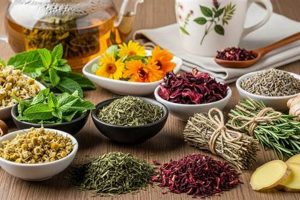
Beverages crafted from herbs and spices, particularly suited for consumption during the autumn season, are increasingly popular. These concoctions often feature ingredients associated with the cooler months, providing warmth and comfort. Examples include blends incorporating cinnamon, cloves, ginger, apple, or pumpkin spice.
The appeal of these seasonal infusions lies in their potential health benefits and their comforting sensory experience. Certain ingredients may offer immune support during the cold and flu season. Furthermore, the aromas and flavors evoked by these beverages can contribute to a sense of well-being and relaxation, often linked to autumnal nostalgia. The use of herbs in beverages has a rich history, dating back to ancient civilizations who utilized them for medicinal and culinary purposes.
The following discussion will delve into specific herb and spice combinations commonly used in these autumn-themed beverages, as well as their associated benefits and preparation methods.
Enhancing the Experience
Maximizing the enjoyment and potential benefits requires informed preparation and consumption habits.
Tip 1: Ingredient Sourcing: Prioritize high-quality, organic ingredients to avoid exposure to pesticides and ensure optimal flavor. Research reputable suppliers and consider growing herbs at home.
Tip 2: Water Temperature Matters: Employ the correct water temperature for steeping specific herbs. Delicate herbs benefit from lower temperatures (around 170F), while heartier spices can withstand higher temperatures (near boiling).
Tip 3: Steeping Time Adherence: Observe recommended steeping times for each blend. Over-steeping can result in a bitter taste, while under-steeping may not fully extract beneficial compounds.
Tip 4: Strain Thoroughly: After steeping, use a fine-mesh strainer or tea infuser to remove all plant matter. This prevents a gritty texture and ensures a smoother drinking experience.
Tip 5: Consider Sweeteners Sparingly: If desired, use natural sweeteners such as honey, maple syrup, or stevia in moderation. Excessive sugar intake can negate the health benefits.
Tip 6: Storage Practices: Store dried herbs and tea blends in airtight containers away from direct sunlight and moisture to preserve freshness and potency.
Tip 7: Individual Sensitivity Awareness: Be mindful of potential allergic reactions or sensitivities to specific herbs and spices. Consult a healthcare professional if concerns arise.
By adhering to these guidelines, consumers can fully appreciate the flavor profiles and potential health benefits associated with thoughtfully prepared beverages.
The following section will explore specific recipe suggestions to explore the diverse range of autumnal beverage options.
1. Warming Spice Blends

The infusion of warming spices constitutes a fundamental element in many fall herbal tea formulations. This connection arises from the spices’ intrinsic properties and their synergistic effect within the beverage. Spices such as cinnamon, cloves, ginger, and nutmeg contain volatile oils that stimulate thermogenesis, creating a sensation of warmth upon consumption. This effect is particularly desirable during the cooler autumn months. These spices also contribute complex flavor profiles that enhance the overall sensory experience, aligning with autumnal culinary preferences.
The impact of warming spice blends extends beyond mere gustatory satisfaction. Certain spices, like ginger and cinnamon, possess anti-inflammatory and antioxidant properties. These characteristics may contribute to overall well-being, particularly during a season when immune systems are often challenged. For instance, a tea containing cinnamon, cloves, and star anise not only provides warmth but may also offer a degree of protection against oxidative stress. Similarly, a blend of ginger, cardamom, and black pepper can promote digestive comfort, addressing potential discomfort associated with richer autumnal fare. Recipes featuring these combinations exemplify the practical application of warming spices in enhancing both the flavor and perceived benefits of these seasonal beverages.
In summary, the inclusion of warming spice blends within fall herbal teas serves a multifaceted purpose. It provides a tangible sensation of warmth, contributes complex and seasonally appropriate flavors, and may offer supplementary health benefits. Understanding the specific properties of individual spices and their interactions within a blend is crucial for maximizing the potential of these beverages during the autumn season. However, moderation and awareness of individual sensitivities remain important considerations for optimal consumption.
2. Immune System Support
The transition to autumn often coincides with an increase in the prevalence of seasonal illnesses. Consequently, immune system support becomes a focal point for many individuals. Fall herbal teas offer a potential avenue for bolstering the body’s natural defenses through the inclusion of specific herbs and spices known for their immunomodulatory properties. The connection between these beverages and immune function is rooted in the bioactive compounds present within the ingredients, compounds which can influence various aspects of the immune response.
For example, elderberry, a common ingredient in fall herbal tea blends, has demonstrated antiviral activity in laboratory studies. The berries contain compounds that can inhibit the replication of certain viruses, including influenza strains. Similarly, echinacea, another frequently used herb, is believed to stimulate the production of white blood cells, enhancing the body’s ability to combat infection. Ginger, with its anti-inflammatory properties, can help mitigate the symptoms associated with respiratory illnesses. These examples illustrate how specific components of seasonal herbal teas can contribute to immune resilience. However, it is important to acknowledge that while these ingredients possess promising properties, further research is necessary to fully elucidate their effects in a real-world setting. Individuals with underlying health conditions or those taking medications should consult with healthcare professionals before incorporating these beverages into their routine as a primary source of immune support.
In conclusion, while fall herbal teas containing elderberry, echinacea, ginger, and other immune-supportive ingredients may offer potential benefits during the colder months, they should not be considered a replacement for proven preventative measures such as vaccination and proper hygiene. Their role is best understood as a complementary approach to maintaining overall health and well-being during a season when immune systems are frequently challenged. The efficacy of these beverages is influenced by factors such as ingredient quality, preparation methods, and individual health status, requiring a nuanced perspective on their potential contributions.
3. Relaxation and Comfort
The association between fall herbal teas and relaxation and comfort stems from a confluence of physiological and psychological factors. The cooler temperatures and shorter days of autumn often prompt a desire for warmth and tranquility. Certain herbal tea ingredients possess inherent calming properties, creating a synergistic effect with the seasonal environment. The act of preparing and consuming a warm beverage, regardless of its specific composition, can trigger a relaxation response in the body. This response is mediated by the parasympathetic nervous system, which promotes a state of calm and reduces stress hormones. The sensory experience of the aroma and taste further enhances this effect.
Examples of herbal tea ingredients that promote relaxation and comfort include chamomile, lavender, and lemon balm. Chamomile contains compounds that bind to receptors in the brain associated with sleepiness and relaxation. Lavender’s aroma has been shown to reduce anxiety and promote a sense of well-being. Lemon balm possesses sedative properties and can alleviate stress. The incorporation of these ingredients into seasonal blends is not arbitrary; it directly addresses the psychological need for comfort and relaxation during a time of year often associated with increased stress and anxiety related to the changing seasons, holidays, and upcoming winter months. The practical significance of this understanding lies in the ability to consciously select and utilize these teas as a tool for managing stress and promoting mental well-being.
In summary, the connection between fall herbal teas and relaxation and comfort is not merely a matter of tradition or personal preference, but rather a result of the inherent properties of certain herbs combined with the psychological context of the autumn season. The strategic selection of ingredients known for their calming effects, coupled with the ritualistic act of tea preparation and consumption, can provide a valuable means of managing stress and promoting a sense of tranquility. However, individuals should be mindful of potential interactions with medications or pre-existing health conditions and consult a healthcare professional if necessary. The emphasis remains on responsible and informed consumption to maximize the benefits of these beverages for relaxation and comfort.
4. Seasonal Flavor Profiles

The integration of distinct seasonal flavor profiles constitutes a defining characteristic of many beverages intended for autumnal consumption. These flavor profiles are not arbitrary additions, but rather carefully curated blends designed to evoke specific sensory experiences associated with the autumn season. Understanding the components and implications of these profiles is crucial for appreciating the nuances of fall herbal teas.
- Apple and Orchard Fruits
Apple, whether in its fresh, dried, or spiced form, serves as a cornerstone flavor in numerous fall herbal tea blends. Its inherent sweetness and slightly tart undertones contribute a refreshing element, reminiscent of apple harvests and orchard visits. Blends incorporating cinnamon, nutmeg, or cloves alongside apple amplify the autumnal character, creating a familiar and comforting flavor profile.
- Pumpkin Spice Variations
Pumpkin spice, a blend typically comprising cinnamon, ginger, nutmeg, and allspice, represents a quintessential autumnal flavor combination. While often associated with baked goods, its inclusion in herbal teas provides a warm and inviting aroma and taste. These blends capitalize on the cultural significance of pumpkin spice as a symbol of the fall season, creating a sense of nostalgia and familiarity.
- Maple and Nutty Undertones
The subtle sweetness of maple syrup, coupled with nutty notes derived from ingredients such as toasted nuts or roasted barley, adds depth and complexity to seasonal tea blends. These flavors evoke images of falling leaves and crisp autumn air, contributing to a multi-sensory experience. The use of maple and nutty components also provides a less saccharine alternative to traditional sweeteners, catering to health-conscious consumers.
- Woodsy and Earthy Notes
Certain herbal blends incorporate ingredients that impart woodsy and earthy notes, mirroring the natural aromas of the autumn landscape. Ingredients such as rooibos, with its slightly earthy flavor, or spices like cardamom, with its complex aroma, contribute to this profile. These blends often appeal to individuals seeking a more sophisticated and less overtly sweet beverage option.
The application of these seasonal flavor profiles within fall herbal teas extends beyond mere taste. They tap into cultural associations and sensory memories, enhancing the overall drinking experience. The strategic combination of these flavors can create beverages that are not only palatable but also evocative of the autumn season, contributing to their widespread appeal and perceived value.
5. Digestive Aid Potential
Autumnal dietary habits often shift towards heavier, richer foods, potentially leading to digestive discomfort for some individuals. Fall herbal teas offer a potential avenue for alleviating such discomfort through the inclusion of specific herbs and spices known for their digestive properties. The connection between these beverages and digestive health is rooted in the ability of certain ingredients to stimulate digestive enzyme production, reduce bloating, and soothe the gastrointestinal tract. The digestive aid potential of these teas, therefore, represents a significant component of their overall appeal, particularly during a season characterized by changes in eating patterns.
Examples of herbs commonly incorporated for their digestive benefits include peppermint, ginger, and fennel. Peppermint contains menthol, which relaxes the muscles of the digestive system, reducing spasms and promoting the movement of gas. Ginger, as previously mentioned, possesses anti-inflammatory properties that can soothe an irritated digestive tract and alleviate nausea. Fennel seeds contain compounds that can reduce bloating and gas production. A practical application of this understanding involves the consumption of a tea containing peppermint and fennel after a heavy meal to facilitate digestion and minimize discomfort. Similarly, a ginger-infused tea can be used to alleviate nausea associated with travel or changes in diet. The importance of this digestive aid potential lies in its ability to improve comfort and well-being during a season when dietary habits may be less conducive to optimal digestive function.
In summary, the incorporation of herbs and spices with known digestive properties enhances the value and appeal of fall herbal teas. These beverages offer a potentially gentle and natural means of supporting digestive health during a season characterized by changes in dietary habits. The efficacy of these teas is dependent upon the specific ingredients used, the method of preparation, and individual sensitivities. Consumers should exercise informed judgment and consider consulting with a healthcare professional if experiencing persistent digestive issues. While these beverages may offer symptomatic relief, they should not be considered a substitute for addressing underlying digestive conditions. The prudent utilization of fall herbal teas for their digestive aid potential contributes to a holistic approach to health and well-being during the autumn months.
Frequently Asked Questions
The following addresses common inquiries regarding the selection, preparation, and consumption of these seasonal beverages.
Question 1: What distinguishes fall herbal teas from those consumed during other seasons?
The defining characteristic lies in the ingredients. Blends formulated for autumn frequently incorporate spices such as cinnamon, cloves, and nutmeg, alongside flavors such as apple, pumpkin, or maple. These ingredients evoke sensory associations with the season and may offer specific health benefits relevant to the colder months.
Question 2: Are fall herbal teas inherently caffeine-free?
Not necessarily. The presence or absence of caffeine depends on the specific ingredients. True teas, such as black, green, or white tea, contain caffeine. If a blend incorporates these teas, it will contain caffeine. Herbal teas, properly defined, are infusions of herbs, spices, and other plant materials that are naturally caffeine-free.
Question 3: Can fall herbal teas replace conventional medical treatments for seasonal illnesses?
No. While certain ingredients may possess immune-supporting properties, these beverages should not be considered a substitute for proven medical treatments. Consultation with a qualified healthcare professional is essential for addressing any health concerns.
Question 4: Is there a risk of allergic reaction to ingredients in fall herbal teas?
Yes. Individuals with known allergies to specific plants, spices, or other ingredients should exercise caution. It is advisable to carefully review the ingredient list before consumption and to discontinue use if any adverse reactions occur.
Question 5: How should fall herbal teas be stored to maintain freshness and potency?
Proper storage is crucial. Dried herbs and tea blends should be kept in airtight containers away from direct sunlight, heat, and moisture. This will help to preserve their flavor and beneficial properties.
Question 6: Can fall herbal teas be consumed by pregnant or breastfeeding individuals?
Certain herbs are contraindicated during pregnancy and breastfeeding. It is imperative that pregnant or breastfeeding individuals consult with a healthcare professional before consuming any herbal tea to ensure safety and avoid potential adverse effects.
The informed selection and responsible consumption of fall herbal teas are essential to maximizing their potential benefits while mitigating potential risks. Individual health conditions and sensitivities should always be considered.
The following section will provide guidance on crafting your own autumn-inspired herbal tea blends.
Conclusion
The preceding analysis has explored various facets of fall herbal teas, encompassing their composition, benefits, and applications. The examination underscores the integration of seasonally relevant ingredients to elicit specific sensory and physiological responses. Emphasis has been placed on the potential for these beverages to contribute to relaxation, immune support, and digestive well-being, alongside the importance of informed selection and responsible consumption.
The continued relevance of fall herbal teas resides in their capacity to provide a comforting and potentially beneficial addition to the autumnal lifestyle. Further research into the specific properties of individual ingredients and their synergistic effects is warranted. Consideration of individual health conditions and potential interactions remains paramount for safe and effective utilization. The convergence of traditional herbal knowledge and contemporary health awareness will likely shape the future landscape of these seasonal beverages.