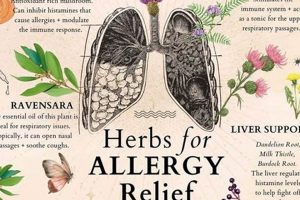
Substances marketed as supporting healthy cortisol levels or mitigating the effects of elevated cortisol are often derived from botanical sources. These products are typically available in capsule, tablet, or liquid form and are promoted to address conditions associated with stress, anxiety, and related health concerns. For example, extracts from plants like Ashwagandha or Rhodiola Rosea are frequently included in these formulations.
The purported benefits of utilizing botanicals to influence cortisol relate to managing stress responses, supporting adrenal gland function, and promoting overall well-being. Historically, various cultures have employed plants with adaptogenic properties to enhance resilience to physical and mental stressors. The contemporary interest stems from a desire to address the physiological impact of chronic stress in modern lifestyles.
The following sections will delve into the specific types of botanical ingredients commonly found in these supplements, examine the scientific evidence supporting their efficacy, and discuss potential safety considerations and interactions. Furthermore, information regarding proper usage and consumer awareness will be provided to offer a balanced perspective on the role of these supplements in supporting health.
Guidance on the Use of Botanicals for Cortisol Modulation
The following guidelines are intended to provide information regarding the appropriate and responsible use of botanicals marketed for their potential to influence cortisol levels. These recommendations should not be interpreted as medical advice, and consultation with a healthcare professional is strongly advised before initiating any new supplement regimen.
Tip 1: Prioritize Lifestyle Modifications: Supplementation should be considered an adjunct to, not a replacement for, fundamental lifestyle changes. Adequate sleep, regular exercise, and stress management techniques (e.g., mindfulness, meditation) are critical for healthy cortisol regulation.
Tip 2: Research Individual Ingredients: Before using a product, investigate the specific botanical components it contains. Examine scientific literature regarding the potential benefits, risks, and interactions associated with each ingredient. Look for studies published in reputable peer-reviewed journals.
Tip 3: Adhere to Recommended Dosages: Carefully follow the dosage instructions provided by the manufacturer. Exceeding recommended dosages does not necessarily enhance efficacy and may increase the risk of adverse effects. Start with the lowest effective dose and gradually increase as needed, under professional guidance.
Tip 4: Be Aware of Potential Interactions: Certain botanicals can interact with prescription medications or other supplements. Provide a comprehensive list of all medications and supplements currently being taken to a healthcare provider to screen for potential interactions.
Tip 5: Monitor for Adverse Effects: Pay close attention to any changes in health or well-being after starting a new supplement. Discontinue use and seek medical attention if any concerning symptoms develop, such as gastrointestinal distress, skin reactions, or changes in mood or energy levels.
Tip 6: Select Reputable Brands: Choose products from manufacturers with a proven track record of quality and transparency. Look for certifications from independent third-party organizations that verify product purity, potency, and safety.
Tip 7: Maintain Realistic Expectations: Botanical supplements are not a panacea and may not produce dramatic or immediate results. It’s crucial to maintain realistic expectations and allow sufficient time (several weeks or months) to assess the potential benefits.
These guidelines underscore the importance of a cautious and informed approach to using botanical supplements for cortisol modulation. By prioritizing lifestyle modifications, researching ingredients, adhering to dosages, being aware of interactions, monitoring for adverse effects, selecting reputable brands, and maintaining realistic expectations, individuals can make more responsible decisions regarding their health and well-being.
The subsequent sections of this article will discuss the potential limitations of botanical approaches to cortisol regulation and explore alternative strategies for stress management and adrenal support.
1. Adrenal Function Support

Adrenal function support constitutes a central tenet in the marketing and purported mechanisms of action associated with supplements targeting cortisol levels. The adrenal glands, responsible for producing cortisol in response to stress, can experience dysregulation due to chronic stressors, potentially leading to adrenal fatigue or insufficiency. This imbalance, in turn, may manifest as a range of symptoms, including fatigue, mood disturbances, and impaired immune function. Supplements marketed for “cortisol support” often contain ingredients believed to nourish or modulate adrenal activity.
The specific link between adrenal function and these products lies in the adaptogenic properties of certain herbs. For instance, plants like Ashwagandha are hypothesized to help the body adapt to stress by modulating the hypothalamic-pituitary-adrenal (HPA) axis, the primary system regulating cortisol release. In theory, by supporting the adrenal glands’ ability to respond appropriately to stress, these herbs could prevent the extreme fluctuations in cortisol levels that contribute to the negative effects of chronic stress. An example is the use of Rhodiola Rosea, traditionally employed in Scandinavian countries to combat fatigue and enhance mental performance during periods of high stress, with purported benefits stemming from its ability to modulate cortisol secretion.
Understanding the connection between adrenal function and the proposed actions of botanical supplements underscores the importance of a holistic approach to stress management. While supplementation may offer adjunctive support, it is crucial to address underlying lifestyle factors contributing to adrenal stress, such as inadequate sleep, poor diet, and chronic emotional distress. Future research is needed to establish the true efficacy of adrenal-supporting herbal supplements and to define the optimal context for their use within a comprehensive stress management strategy.
2. Adaptogenic Properties

Adaptogenic properties of certain botanicals are a primary rationale for their inclusion in products marketed as modulators of cortisol levels. These properties are characterized by the purported ability of a substance to increase the body’s resistance to a wide range of stressors, encompassing physical, chemical, and biological challenges.
- Stress Response Modulation
Adaptogens are thought to exert their effects by modulating the body’s stress response system, specifically the hypothalamic-pituitary-adrenal (HPA) axis. Rather than directly suppressing or stimulating cortisol production, adaptogens are proposed to help regulate the HPA axis, ensuring that cortisol release is appropriate for the intensity and duration of the stressor. This modulation may prevent the extremes of cortisol elevation or suppression that can occur with chronic stress.
- Cellular Protection
Some research suggests that adaptogens may provide cellular protection against the damaging effects of stress hormones. This protection could involve reducing oxidative stress, supporting mitochondrial function, or enhancing the activity of antioxidant enzymes. By protecting cells from stress-induced damage, adaptogens may indirectly contribute to healthy cortisol regulation and overall well-being.
- Neurotransmitter Balance
Stress can disrupt the balance of neurotransmitters in the brain, leading to mood disturbances, anxiety, and cognitive impairment. Adaptogens may help restore neurotransmitter balance by influencing the synthesis, release, or reuptake of key neurotransmitters like serotonin, dopamine, and norepinephrine. This modulation of neurotransmitter activity could contribute to the stress-reducing and mood-enhancing effects associated with adaptogens.
- Immune System Support
Chronic stress can suppress immune function, making individuals more susceptible to illness. Some adaptogens have demonstrated immunomodulatory effects, meaning they can help regulate the immune system’s response to stress. This modulation may involve enhancing the activity of immune cells, reducing inflammation, or promoting the production of protective cytokines. By supporting immune function, adaptogens may help mitigate the negative effects of stress on overall health.
The adaptogenic properties of various botanicals are a complex and multifaceted area of research. While anecdotal evidence and traditional use suggest potential benefits, rigorous scientific studies are needed to fully elucidate the mechanisms of action and to determine the efficacy and safety of adaptogens for modulating cortisol levels and supporting overall health.
3. Product Standardization

Product standardization in the context of botanical supplements marketed for cortisol management refers to the consistency of active compounds within and across different batches of the same product. This standardization is crucial due to the inherent variability in plant-based ingredients, which can be influenced by factors such as growing conditions, harvesting methods, and extraction processes. The lack of adequate standardization can lead to unpredictable effects and potential safety concerns.
- Active Marker Identification and Quantification
A key aspect of standardization involves identifying the specific chemical compounds responsible for the purported physiological effects. These compounds, known as active markers, should be consistently quantified in each batch of the supplement. For example, if a product contains Ashwagandha and claims to support cortisol balance, it should specify the percentage of Withanolides, the active marker associated with its benefits. Without this, consumers cannot ascertain if they are receiving a consistent and effective dose.
- Extraction Process Consistency
The method used to extract the active compounds from the plant material significantly impacts the final concentration and purity of the extract. Standardized products will employ consistent extraction techniques, such as supercritical fluid extraction or hydro-alcoholic extraction, to ensure that the desired compounds are extracted in a reproducible manner. Inconsistent extraction can lead to variations in the concentration of active markers, affecting the efficacy and safety profile of the supplement.
- Batch-to-Batch Reproducibility
Standardization necessitates that each batch of a supplement adheres to the same rigorous quality control standards, resulting in a consistent concentration of active markers. Reputable manufacturers conduct regular testing to verify that each batch meets the specified criteria. This batch-to-batch reproducibility provides consumers with assurance that they are receiving a product with consistent potency and predictable effects. Failure to maintain batch consistency can render the supplement unreliable and potentially harmful.
- Third-Party Testing and Certification
Independent third-party testing and certification can further enhance product standardization and consumer confidence. Organizations like USP, NSF International, and ConsumerLab.com offer certification programs that verify product identity, potency, and purity. These certifications indicate that the supplement has undergone rigorous testing and meets established quality standards, adding an extra layer of assurance regarding product standardization and reliability.
In conclusion, achieving adequate product standardization is essential for botanical supplements marketed for cortisol modulation. By focusing on active marker identification and quantification, maintaining extraction process consistency, ensuring batch-to-batch reproducibility, and seeking third-party testing and certification, manufacturers can provide consumers with reliable and effective products. These measures contribute to the responsible use of botanical supplements and promote consumer safety.
4. Individual Variability

Individual variability represents a significant factor influencing the effects of botanical preparations marketed for cortisol modulation. Responses to herbal supplements vary widely among individuals due to differences in genetics, physiology, lifestyle, and existing health conditions. Consequently, the same supplement and dosage may produce markedly different outcomes in different people. Factors affecting cortisol, such as genetics, environmental influences and nutrition, play important roles to increase effectiveness.
The metabolism and clearance of botanical compounds also exhibit individual differences. Genetic variations in liver enzymes, responsible for metabolizing many xenobiotics, can influence the rate at which a supplement is processed and eliminated from the body. For example, individuals with certain genetic polymorphisms may metabolize a particular herb more slowly, leading to higher blood concentrations and potentially increased effects, or even adverse reactions. Furthermore, variations in gut microbiome composition can affect the absorption and bioavailability of botanical constituents, contributing to individual variability in response. An example can be a herbal supplement may prove effective in lowering cortisol in a highly stressed individual, and have no discernible impact in an individual with anxiety.
Therefore, understanding and accounting for individual variability is crucial for the responsible use of these supplements. Consumers should be advised that results may vary and that a personalized approach, guided by a qualified healthcare professional, is essential. Dosage adjustments, monitoring for adverse effects, and considering individual health profiles are important steps in optimizing the potential benefits while minimizing the risks associated with botanical interventions for cortisol modulation. Moreover, continued research is necessary to identify biomarkers and predictive factors that can help tailor supplement recommendations to individual needs and characteristics.
5. Evidence-Based Research

The application of evidence-based research is paramount in evaluating the efficacy and safety of botanical supplements marketed for cortisol modulation. Rigorous scientific investigation is essential to determine whether these preparations genuinely deliver the purported benefits and to identify any potential risks associated with their use.
- Clinical Trial Design and Methodology
High-quality clinical trials are necessary to assess the effectiveness of herbal supplements in influencing cortisol levels and related outcomes. Such trials should incorporate robust methodologies, including randomized controlled designs, appropriate blinding procedures, and adequate sample sizes. These design elements minimize bias and ensure that observed effects can be attributed to the supplement rather than confounding factors. For example, studies assessing the impact of Ashwagandha on cortisol should compare it to a placebo, with participants and researchers blinded to treatment assignment to reduce the potential for subjective biases. The absence of well-designed clinical trials casts doubt on the validity of claims made about the efficacy of these supplements.
- Biochemical Markers and Physiological Endpoints
Evidence-based research requires the use of objective and reliable biochemical markers to assess changes in cortisol levels and related physiological parameters. These markers may include salivary cortisol, serum cortisol, or urinary free cortisol, measured at various time points throughout the day to capture diurnal variations. In addition to cortisol levels, studies should also assess other relevant physiological endpoints, such as blood pressure, heart rate variability, and immune function markers. The use of validated and standardized measurement techniques is essential to ensure the accuracy and reliability of the data.
- Safety Assessment and Adverse Effect Monitoring
A comprehensive safety assessment is a critical component of evidence-based research on botanical supplements. Clinical trials should meticulously monitor participants for any adverse effects or drug interactions. This monitoring should include detailed documentation of all reported symptoms, as well as laboratory assessments of liver function, kidney function, and other relevant safety parameters. The identification of potential risks and contraindications is essential for informing appropriate usage guidelines and protecting consumer safety. For example, research should investigate whether a particular herbal supplement interacts with commonly prescribed medications, such as antidepressants or anti-anxiety drugs.
- Meta-Analysis and Systematic Reviews
Meta-analyses and systematic reviews play a crucial role in synthesizing the available evidence on botanical supplements for cortisol modulation. These analyses combine data from multiple clinical trials to provide a more comprehensive and statistically powerful assessment of the overall effect. Systematic reviews use rigorous criteria to identify, evaluate, and synthesize the findings of relevant studies, providing a balanced and objective overview of the current state of knowledge. Such reviews can help identify areas where further research is needed and can inform evidence-based recommendations for the use of these supplements.
In summary, evidence-based research, characterized by rigorous clinical trial design, objective biochemical markers, comprehensive safety assessments, and meta-analytic syntheses, is essential for determining the true potential and limitations of botanical supplements marketed for cortisol regulation. Reliance on anecdotal evidence or traditional use without scientific validation is insufficient for making informed decisions about the use of these products.
Frequently Asked Questions About Botanical Preparations and Cortisol Levels
The following section addresses common inquiries regarding botanical supplements marketed for their potential to influence cortisol levels. The information presented is intended for educational purposes and should not be construed as medical advice.
Question 1: Are botanical supplements a substitute for prescription medications for managing cortisol-related disorders?
No. Botanical supplements should not be considered a replacement for prescription medications prescribed by a healthcare professional for conditions involving cortisol dysregulation. These supplements may offer adjunctive support, but they are not intended to treat, cure, or prevent any disease. Individuals with diagnosed cortisol-related disorders should adhere to their prescribed treatment plan.
Question 2: What are the potential side effects associated with these herbal supplements?
The potential side effects associated with botanical supplements vary depending on the specific ingredients and individual sensitivity. Common side effects may include gastrointestinal distress, allergic reactions, and interactions with prescription medications. It is essential to research the potential side effects of each ingredient before using a product and to consult with a healthcare professional if any adverse effects develop.
Question 3: Can I take cortisol herbal supplements if I am pregnant or breastfeeding?
The safety of many herbal supplements during pregnancy and breastfeeding has not been adequately established. Due to the potential risks to the fetus or infant, it is generally advisable to avoid using these supplements during these periods unless specifically recommended by a qualified healthcare professional.
Question 4: How long does it typically take to experience noticeable effects from using these supplements?
The timeframe for experiencing noticeable effects from botanical supplements can vary depending on individual factors, the specific product, and the underlying condition being addressed. Some individuals may experience benefits within a few weeks, while others may require several months of consistent use. It is important to manage expectations and allow sufficient time to assess the potential effects.
Question 5: Are all brands of herbal supplements created equal in terms of quality and purity?
No. Significant variability exists among different brands of herbal supplements in terms of quality, purity, and standardization. It is essential to choose products from reputable manufacturers with a proven track record of quality control and transparency. Look for certifications from independent third-party organizations that verify product purity, potency, and safety.
Question 6: What steps can be taken to ensure the safe use of cortisol herbal supplements?
To ensure the safe use of botanical supplements, it is crucial to consult with a qualified healthcare professional before starting any new supplement regimen. Individuals should research individual ingredients, adhere to recommended dosages, be aware of potential interactions, monitor for adverse effects, and select reputable brands. A cautious and informed approach is essential to minimize risks and maximize potential benefits.
In summary, botanical supplements marketed for cortisol modulation should be approached with caution and a thorough understanding of their potential benefits and risks. Consultation with a healthcare professional is strongly advised to ensure safe and appropriate use.
The next section will delve into alternative strategies for stress management and adrenal support, offering a broader perspective on promoting overall well-being.
Conclusion
The preceding exploration of cortisol herbal supplements has elucidated various facets of these products, from their purported mechanisms of action to considerations of standardization, individual variability, and the imperative of evidence-based research. The analysis underscores that while certain botanical compounds may offer adjunctive support in managing stress and modulating cortisol levels, reliance solely on such supplements is insufficient. A holistic approach encompassing lifestyle modifications, stress management techniques, and, when necessary, conventional medical interventions, is paramount.
Given the complexities surrounding cortisol regulation and the potential for interactions and adverse effects, the responsible use of cortisol herbal supplements necessitates informed decision-making guided by qualified healthcare professionals. Continued research is crucial to further elucidate the efficacy and safety profiles of these products, as well as to identify specific populations that may benefit most from their use. Prudent investigation and a balanced perspective are essential to navigate the landscape of cortisol herbal supplements effectively and to promote overall well-being.