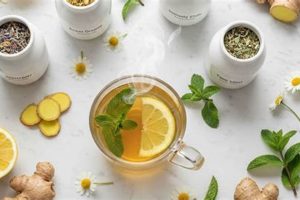
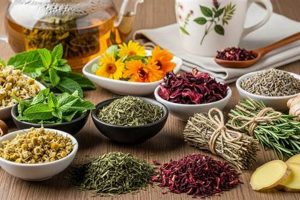
Infusing dried herbs, flowers, or other botanicals in cool or room-temperature water over an extended period produces a refreshing beverage. This preparation method contrasts with traditional hot water infusions and results in a subtly flavored, less bitter drink. Chamomile, mint, and hibiscus are frequently used botanicals in this type of preparation.
This method offers several advantages. Lower temperatures extract different compounds compared to hot water brewing, potentially leading to a smoother taste profile and preserving delicate volatile oils. Furthermore, reduced heat can minimize the release of tannins, which contribute to bitterness. Historically, this approach may have originated from practical necessity in regions with limited access to heat sources or as a method to preserve water quality by utilizing the antimicrobial properties of certain herbs.
The subsequent sections will delve into the specifics of selecting appropriate herbs, mastering the infusion process, and exploring the diverse flavor profiles obtainable through this brewing technique. It will also address storage considerations and potential health benefits associated with consuming this beverage.
Tips for Optimal Results
Achieving the most desirable flavor and quality requires careful consideration of several key factors. The following tips provide guidance on maximizing the potential of this brewing method.
Tip 1: Herb Selection: Prioritize high-quality, dried herbs sourced from reputable suppliers. Check expiration dates and inspect for signs of mold or degradation. Fresh herbs can also be used, though water content may affect the final infusion strength.
Tip 2: Water Quality: Utilize filtered water to eliminate impurities that can negatively impact taste. Avoid distilled water, as it lacks minerals necessary for optimal extraction. The pH level of the water can influence the final product.
Tip 3: Infusion Time: Experiment with varying infusion times, typically ranging from 8 to 12 hours, or even up to 24 hours in the refrigerator. Longer durations generally yield more intense flavors. Taste regularly to determine the ideal steeping time based on personal preference and the specific herbs used.
Tip 4: Herb-to-Water Ratio: Begin with a ratio of approximately one tablespoon of dried herbs per cup of water. Adjust this ratio based on the potency of the herbs and desired strength of the infusion. It is generally easier to add more herbs later than to dilute an overly concentrated brew.
Tip 5: Cold Temperature is Key: This method can be made at room temperature, but cold temperature are recommended to get result of brewing.
Tip 6: Cold Brew Herbal Tea Storage: Refrigerate the finished infusion promptly to maintain freshness and prevent bacterial growth. Properly stored infusions typically remain palatable for up to three days. Label the container with the date of preparation.
Implementing these tips contributes to a more consistent and flavorful outcome. Consistent attention to detail ensures a premium product and extends the shelf life of the beverage.
The subsequent section will examine frequently asked questions and address common challenges associated with preparing this infusion.
1. Herb Quality

Herb quality directly impacts the flavor, aroma, and potential health benefits of the resulting cold-brewed infusion. Inferior herbs, characterized by age, improper storage, or adulteration, often yield a bland or even off-putting beverage. Conversely, high-quality herbs, cultivated and processed with care, contribute nuanced flavors and retain their inherent aromatic compounds. For instance, organically grown chamomile flowers, properly dried and stored in airtight containers, will produce a more floral and soothing infusion compared to older, commercially processed chamomile teabags. The presence of volatile oils, responsible for the characteristic scents and flavors, diminishes significantly in poorly handled herbs.
The quality of herbs also dictates the concentration of bioactive compounds extracted during the cold brewing process. Plants grown in nutrient-rich soil under optimal conditions generally exhibit higher concentrations of these beneficial substances. A comparison of hibiscus flowers provides a clear example: organically cultivated hibiscus, displaying vibrant color and robust aroma, will likely yield a more potent and antioxidant-rich infusion compared to conventionally grown hibiscus treated with pesticides and herbicides. The source and processing methods significantly affect the availability of these compounds and, consequently, the therapeutic potential of the finished beverage.
In conclusion, herb quality is not merely a cosmetic consideration but a fundamental determinant of the overall experience and potential health benefits associated with cold-brewed herbal infusions. Utilizing fresh, well-preserved herbs from reputable sources ensures a more flavorful, aromatic, and potentially more beneficial beverage. Ignoring this aspect risks producing a substandard infusion, diminishing the inherent advantages of the cold-brewing technique and foregoing the intended benefits of the selected botanicals.
2. Water Temperature

Water temperature is a critical variable in the preparation of herbal infusions. Unlike traditional hot water infusions, this method relies on lower temperatures to extract flavor compounds and bioactive constituents from botanicals. The specific temperature range employed fundamentally alters the resulting beverage’s chemical composition and sensory attributes.
- Extraction Efficiency and Compound Selectivity
Lower temperatures, typically between 4C and 25C, result in slower and more selective extraction. This contrasts with higher temperatures, which facilitate rapid and more complete extraction of a wider range of compounds, including those responsible for bitterness. The cold brewing process favors the solubilization of volatile oils and certain flavor molecules while minimizing the extraction of tannins and other astringent compounds, leading to a smoother and less bitter taste profile.
- Preservation of Delicate Aromatics
Elevated temperatures can degrade delicate aromatic compounds present in many herbs. The gentle extraction afforded by the cold brewing process helps preserve these volatile oils, resulting in a beverage with a more nuanced and complex aroma. Herbs such as mint, lavender, and chamomile benefit significantly from this approach, retaining their characteristic scents that would otherwise be lost or altered during hot water infusion.
- Impact on Bioactive Compound Stability
Certain bioactive compounds found in herbs are heat-sensitive and prone to degradation at higher temperatures. The cold brewing method helps maintain the integrity of these compounds, potentially enhancing the therapeutic properties of the resulting infusion. For example, the antioxidant activity of certain polyphenols may be better preserved when extracted at lower temperatures.
- Microbial Considerations
While lower temperatures can inhibit the growth of certain microorganisms, they do not necessarily eliminate them. It is crucial to use clean water and storage vessels, and to refrigerate the resulting infusion promptly to prevent the proliferation of harmful bacteria. Extended steeping times at room temperature increase the risk of microbial contamination.
The deliberate manipulation of water temperature offers a significant degree of control over the final product, allowing for the creation of uniquely flavored and aromatic herbal infusions. This brewing method optimizes the extraction of desirable compounds while minimizing the presence of undesirable ones, thereby enhancing the overall sensory experience and potentially preserving the therapeutic benefits associated with the selected herbs. Proper attention to hygiene and storage remains paramount to ensure the safety and quality of the beverage.
3. Infusion Time
Infusion time is a determining factor in the characteristics of cold-brewed herbal infusions. This parameter dictates the extent to which soluble compounds are extracted from the herbal material into the water. Shorter infusion times may result in a weaker flavor profile and reduced concentration of beneficial constituents. Conversely, excessive infusion times can lead to an imbalance of flavors, the extraction of undesirable compounds, or potential microbial growth. For example, a delicate herbal blend such as chamomile might only require an 8-hour infusion to achieve its optimal flavor, while a more robust herb like rooibos might benefit from a 12- to 14-hour steeping period to fully release its flavors and antioxidants. Consequently, appropriate adjustment of infusion time, depending on herbal ingredient, is critical.
The impact of infusion time extends beyond mere flavor. The extraction of bioactive compounds, such as polyphenols and antioxidants, is directly correlated with the duration of steeping. Studies have demonstrated that longer infusion times, within a reasonable range, generally result in higher concentrations of these compounds in the finished beverage. However, this increase is not linear, and at a certain point, prolonged infusion may lead to the extraction of less desirable compounds, potentially compromising the overall quality. Moreover, the optimal infusion time can vary depending on the form of the herbal material, with finely cut herbs requiring shorter infusion periods than whole leaves or roots.
In summary, infusion time represents a variable of consequence that must be carefully managed to achieve the desired characteristics in any cold-brewed herbal infusion. Insufficient infusion results in a weak and underdeveloped beverage, whereas excessive infusion can lead to an unbalanced and potentially less palatable product. The ideal infusion time is a function of the specific herbal ingredients, water temperature, and desired flavor profile. Empirical experimentation, coupled with careful sensory evaluation, remains the most reliable method for determining the optimal infusion time for a given herbal blend. Proper understanding of storage is also a main key to keeping taste and overall flavor.
4. Storage Method

The storage method employed for cold-brewed herbal tea directly influences its safety, flavor, and overall quality. Improper storage creates an environment conducive to microbial growth, leading to spoilage and potential health risks. Furthermore, inadequate storage can accelerate the degradation of volatile aromatic compounds and other flavor constituents, resulting in a less palatable beverage. For example, storing the infusion in a clear glass container exposed to direct sunlight can trigger oxidation and photochemical reactions, causing off-flavors and a reduction in the concentration of beneficial antioxidants.
Appropriate storage involves several key considerations. First, the beverage should be transferred to a clean, airtight container immediately after brewing and straining. Glass containers are generally preferred over plastic due to their inert nature and reduced risk of leaching undesirable chemicals. The container should be filled to minimize headspace, thereby reducing the amount of oxygen available to react with the infusion. Refrigeration is essential to slow microbial growth and preserve flavor. A storage temperature of 4C (40F) or below is recommended. A practical example illustrates this point: a batch of cold-brewed mint tea stored at room temperature for 24 hours exhibits significant microbial growth and a noticeable loss of freshness, rendering it unsuitable for consumption. In contrast, a similar batch stored under refrigeration remains palatable and safe for up to three days.
In conclusion, the storage method represents a crucial component in the cold-brewing process. Neglecting proper storage protocols compromises the safety and sensory attributes of the beverage. By adhering to best practices utilizing clean, airtight containers, minimizing headspace, and refrigerating promptly one can effectively extend the shelf life and preserve the desirable qualities of cold-brewed herbal tea. These measures safeguard against microbial contamination and flavor degradation, ensuring a refreshing and enjoyable drinking experience.
5. Health Benefits

The consumption of cold-brewed herbal teas offers a pathway to potential health benefits, contingent upon the specific herbs utilized and individual physiological responses. This brewing method can influence the extraction and preservation of beneficial compounds, offering a nuanced alternative to traditional hot water infusions.
- Enhanced Antioxidant Intake
Many herbs contain significant levels of antioxidants, compounds that combat oxidative stress in the body. Cold brewing may preserve certain heat-sensitive antioxidants, such as specific polyphenols, more effectively than hot water extraction. For instance, cold-brewed hibiscus tea can deliver a substantial dose of anthocyanins, potent antioxidants linked to cardiovascular health. Studies comparing extraction methods demonstrate that lower temperatures can yield higher concentrations of certain antioxidant compounds.
- Reduced Risk of Bitterness
The cold brewing process minimizes the extraction of tannins, astringent compounds responsible for bitterness. This can make herbal teas more palatable, encouraging regular consumption and potentially increasing the intake of associated health-promoting compounds. Individuals sensitive to bitter tastes may find cold-brewed herbal teas more appealing, enabling them to benefit from herbs they might otherwise avoid. An example is green tea, often bitter when brewed hot, but smoother and less astringent when cold-brewed.
- Hydration and Electrolyte Balance
Herbal teas, regardless of brewing method, contribute to daily fluid intake, supporting hydration. Certain herbs, such as nettle, contain electrolytes that can help maintain fluid balance, particularly during physical activity or in hot climates. Cold-brewed herbal teas offer a refreshing and potentially electrolyte-rich alternative to sugary beverages, promoting healthier hydration habits. This is particularly relevant for individuals seeking to reduce their sugar consumption while maintaining adequate hydration.
- Specific Herb-Related Effects
The health benefits of cold-brewed herbal tea are ultimately determined by the specific herbs included in the blend. Chamomile is traditionally used for its calming properties, while peppermint may aid digestion. Cold brewing retains the characteristic compounds of these herbs, potentially offering similar benefits to hot infusions. For example, cold-brewed chamomile tea, consumed before bed, might promote relaxation and improve sleep quality, mirroring the effects of hot chamomile tea.
In summary, cold-brewed herbal tea offers a potentially beneficial and palatable way to incorporate herbs into the daily diet. The method of preparation can influence the concentration and preservation of beneficial compounds, while the specific herbs used dictate the range of potential health effects. Careful consideration of both the brewing method and the herbal ingredients is essential to maximize the potential health benefits.
Frequently Asked Questions About Cold Brewed Herbal Tea
The following section addresses common inquiries and misconceptions regarding the preparation, storage, and consumption of herbal infusions using the cold brewing method.
Question 1: Does cold brewing extract the same beneficial compounds as hot brewing?
The extraction process differs between hot and cold brewing. While some compounds are more readily extracted with heat, others, particularly volatile aromatics and certain antioxidants, may be better preserved through cold infusion. The optimal brewing method depends on the specific herbs and desired outcome.
Question 2: Is cold brewed herbal tea safe to consume if left at room temperature for an extended period?
Leaving herbal infusions at room temperature for prolonged durations increases the risk of microbial contamination. Refrigeration is essential to inhibit bacterial growth. Infusions left unrefrigerated for more than a few hours should be discarded.
Question 3: Can any herb be used for cold brewing?
While most herbs are suitable for cold brewing, some may yield more desirable results than others. Herbs with delicate flavors and aromas, such as chamomile and mint, often benefit from the gentle extraction afforded by this method. Stronger, more robust herbs can also be used, but the infusion time may need to be adjusted to prevent over-extraction.
Question 4: Does the length of infusion time affect the caffeine content of cold brewed tea?
Caffeine is primarily found in tea derived from the Camellia sinensis plant (e.g., black, green, white tea). Herbal teas, by definition, do not contain caffeine. Infusion time primarily affects the flavor and concentration of other compounds, not caffeine levels.
Question 5: What type of water is best for cold brewing herbal tea?
Filtered water is generally recommended to remove impurities that can negatively impact the taste. Avoid distilled water, as its lack of minerals can hinder the extraction process. The pH level of the water can also influence the flavor profile of the infusion.
Question 6: How long does cold brewed herbal tea last in the refrigerator?
Properly stored cold brewed herbal tea typically remains palatable for up to three days in the refrigerator. It is advisable to discard any infusion that exhibits signs of spoilage, such as an off odor or discoloration.
In summary, attention to proper storage and the selection of high-quality ingredients are crucial for ensuring the safety and quality of herbal infusions prepared using the cold brewing method.
The following section will provide a comparative analysis of cold brewed herbal tea with hot brewed herbal tea.
Conclusion
This exploration has detailed the nuances of cold brewed herbal tea, emphasizing its unique extraction process, preservation benefits, and potential health advantages. The careful selection of herbs, precise control of infusion time, and adherence to proper storage protocols are essential for optimizing the quality and safety of the final product. Understanding these elements allows for a deliberate and informed approach to preparing this refreshing beverage.
As individuals increasingly seek healthier and more palatable beverage options, cold brewed herbal tea presents a compelling alternative. Continued research into the specific extraction characteristics of various herbs will further refine preparation techniques and enhance the understanding of its potential therapeutic applications. The future of cold brewed herbal tea lies in its versatility and adaptability to diverse palates and wellness goals.