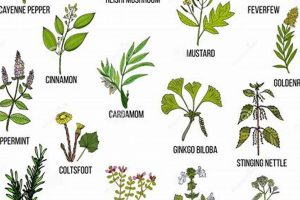
The selection of specific botanical infusions can significantly contribute to overall well-being. These beverages, prepared by steeping various plant parts in hot water, offer a diverse range of flavors and potential therapeutic properties. Common examples include infusions derived from chamomile flowers, peppermint leaves, ginger root, and rooibos plants, each possessing unique characteristics.
Consumption of these plant-based beverages has been linked to several potential health advantages. Historically, such preparations have been employed in traditional medicine systems for their purported anti-inflammatory, antioxidant, and calming effects. Modern research continues to investigate these claims, seeking to validate the potential positive impacts on human physiology and disease prevention. Their accessibility and ease of integration into daily routines contribute to their enduring popularity.
The subsequent sections will delve into specific varieties and their associated advantages, examining scientific evidence and providing guidance on selection and responsible consumption. Individual considerations, such as potential allergies or interactions with medications, will also be addressed to ensure informed choices are made regarding incorporating these beverages into a health-conscious lifestyle.
Guidance on Optimal Selection and Use
Consider the following recommendations to maximize the potential benefits and minimize risks when incorporating herbal infusions into a dietary regimen.
Tip 1: Prioritize Ingredient Quality: Seek out products that specify organic or sustainably sourced ingredients. This reduces the likelihood of exposure to pesticides and ensures environmentally responsible cultivation practices.
Tip 2: Research Potential Interactions: Consult a healthcare professional or qualified herbalist before regular consumption, particularly if currently taking prescription medications. Some botanical compounds can interfere with drug metabolism or amplify certain effects.
Tip 3: Adhere to Recommended Brewing Guidelines: Follow the manufacturer’s instructions regarding water temperature and steeping time. Over-extraction can result in a bitter flavor profile and potentially release undesirable compounds, while under-extraction may limit the bioavailability of beneficial constituents.
Tip 4: Monitor Individual Responses: Begin with small quantities and observe any adverse reactions, such as allergic responses, digestive discomfort, or changes in sleep patterns. Discontinue use immediately if any concerning symptoms arise.
Tip 5: Diversify Botanical Intake: Rather than relying solely on a single type, explore a variety of infusions to obtain a broader spectrum of phytonutrients and potential health benefits. Rotate different varieties throughout the week to prevent overexposure to specific compounds.
Tip 6: Consider Specific Health Goals: Select varieties based on their potential therapeutic properties relevant to individual health needs. For example, chamomile is often chosen for its calming effects, while ginger may be preferred for its anti-nausea properties.
Tip 7: Practice Moderation: While generally safe, excessive consumption can lead to unwanted side effects. Limit intake to a reasonable level and avoid relying on these beverages as a primary source of hydration.
These guidelines promote informed selection and responsible consumption, contributing to a more beneficial experience. It is crucial to emphasize the importance of individual responsibility and professional consultation when incorporating any new substance into one’s health routine.
The subsequent concluding section will summarize the overall benefits and provide a final perspective on this topic.
1. Antioxidant Capacity
The antioxidant capacity of a botanical infusion plays a pivotal role in its potential health benefits. This property reflects the beverage’s ability to neutralize free radicals, unstable molecules that can damage cells and contribute to chronic diseases.
- Polyphenolic Compounds
Many botanical infusions owe their antioxidant capacity to polyphenols, a diverse group of plant-based compounds. Flavonoids, tannins, and phenolic acids are examples of polyphenols commonly found in infusions derived from plants like green tea, hibiscus, and berries. These compounds donate electrons to stabilize free radicals, preventing them from causing oxidative stress. Different polyphenols exhibit varying levels of antioxidant activity, impacting the overall effectiveness of the infusion.
- Measurement of Antioxidant Activity
Scientific methods exist to quantify the antioxidant capacity of botanical infusions. Assays such as ORAC (Oxygen Radical Absorbance Capacity) and DPPH (2,2-diphenyl-1-picrylhydrazyl) are used to measure the ability of a substance to scavenge free radicals in vitro. Higher values in these assays generally indicate a greater antioxidant potential. However, in vitro results may not directly translate to in vivo effects due to factors such as absorption, metabolism, and distribution within the body.
- Impact on Cellular Health
By neutralizing free radicals, the antioxidant capacity of these infusions may contribute to protecting cells from damage. Oxidative stress is implicated in various age-related diseases, including cardiovascular disease, neurodegenerative disorders, and certain types of cancer. Regular consumption of infusions with high antioxidant activity may mitigate some of these risks, although further research is necessary to establish definitive links.
- Influence of Brewing Methods
The method of preparing a botanical infusion can significantly influence its antioxidant capacity. Water temperature, steeping time, and the ratio of plant material to water can all affect the extraction of antioxidant compounds. Higher temperatures and longer steeping times may increase the concentration of some antioxidants but can also degrade others. Optimal brewing practices are crucial to maximizing the antioxidant potential of the beverage.
The antioxidant capacity, a critical determinant of potential health benefits, is influenced by the specific botanical source, its concentration of antioxidant compounds, the methodology employed in measuring antioxidant activity, and the method of preparation. Understanding these factors allows for a more informed assessment of the potential benefits associated with incorporating specific botanical infusions into a health-conscious lifestyle. For instance, infusions like green tea and rooibos are often cited for their high antioxidant levels, which might provide superior health benefits.
2. Anti-inflammatory Properties

Inflammation, a complex biological response to harmful stimuli, underlies numerous chronic conditions. Certain botanical infusions exhibit significant anti-inflammatory properties, potentially mitigating the effects of excessive or prolonged inflammation within the body. The active compounds in these infusions can modulate inflammatory pathways, impacting the production of pro-inflammatory molecules and the activation of immune cells.
For example, ginger root infusion contains gingerol, a compound known to inhibit the synthesis of prostaglandins and leukotrienes, both key mediators of the inflammatory response. Similarly, chamomile infusion has been shown to contain compounds that can suppress the release of histamine and other inflammatory agents. Turmeric infusion, rich in curcumin, demonstrates potent anti-inflammatory effects by interfering with the NF-B signaling pathway, a central regulator of inflammation. These examples underscore the practical significance of understanding the specific compounds responsible for the anti-inflammatory actions of these infusions.
The degree of anti-inflammatory effect varies depending on the specific botanical source, concentration, and preparation method. Furthermore, individual responses can differ based on factors such as genetics and overall health status. While incorporating such infusions can be a complementary strategy for managing inflammation, they should not replace conventional medical treatments. Further research is needed to fully elucidate the long-term benefits and optimal usage of these botanical resources in the context of inflammatory disorders. The strategic integration of specific botanical infusions with established treatment protocols holds promise for a more holistic approach to healthcare.
3. Specific Health Benefits

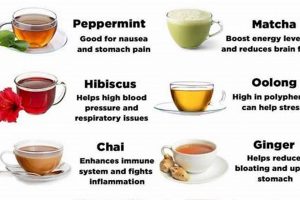
The selection of botanical infusions should align with identified health objectives, as certain varieties offer unique advantages. For instance, peppermint infusion is commonly used to alleviate digestive discomfort, owing to its ability to relax gastrointestinal muscles and reduce bloating. Chamomile infusion, conversely, is often chosen to promote relaxation and improve sleep quality, attributed to its mild sedative properties. These examples illustrate a direct correlation between infusion choice and intended outcome, highlighting the importance of matching botanical properties with individual needs. Furthermore, the effectiveness of such choices hinges on the bioavailability of active compounds and the consistency of consumption.
Continuing with specific examples, ginger infusion can assist in mitigating nausea and reducing inflammation, making it a potentially beneficial choice for individuals experiencing motion sickness or arthritis symptoms. Green tea infusion, known for its high antioxidant content, may contribute to cardiovascular health and provide some protection against cellular damage. The practical application of this knowledge involves a careful assessment of individual health conditions and a corresponding selection of infusions known to address those conditions. It is also essential to consider potential interactions with medications and any pre-existing allergies or sensitivities to specific plants.
In summary, the link between specific health benefits and the selection of botanical infusions emphasizes the targeted approach to utilizing these beverages. While they can serve as valuable complementary aids, they are not substitutes for conventional medical treatments. A nuanced understanding of botanical properties, coupled with a cautious approach to integration, allows for a more effective and safer utilization of these infusions in the pursuit of wellness. Challenges arise in accurately quantifying the benefits and accounting for individual variability, underscoring the need for ongoing research and personalized recommendations. These infusions can have a significant health affect.
4. Source and Purity
The origin and contaminant-free status of botanical ingredients are paramount when considering any infusion for health benefits. Concerns regarding pesticide residues, heavy metals, and microbial contamination directly impact the safety and efficacy of these beverages. Consequently, a rigorous assessment of source and purity is essential for informed selection.
- Organic Certification
Organic certification provides a level of assurance that the botanical material has been cultivated without synthetic pesticides, herbicides, or fertilizers. Such certification minimizes the risk of exposure to harmful chemicals during the growing process. Verification from reputable certifying bodies is crucial in validating these claims. Products labeled as “organic” may offer a reduced risk of chemical contamination.
- Geographic Origin
The geographic location where the plant is grown can significantly influence its composition and potential contaminants. Soil quality, environmental conditions, and local agricultural practices all contribute to the final product. Regions with stricter environmental regulations and sustainable farming practices may yield botanicals of higher purity and quality. Transparent sourcing, indicating the specific region of origin, is a desirable attribute.
- Testing and Analysis
Independent laboratory testing for contaminants, including heavy metals, pesticides, and microbial pathogens, provides objective verification of purity. Certificates of Analysis (COAs) document the results of these tests and offer transparency regarding the composition and safety of the product. Reputable suppliers should readily provide access to these COAs upon request. Testing adds assurance in a purchase
- Harvesting and Processing Methods
The methods used to harvest and process the botanical material can impact its purity and quality. Gentle harvesting techniques and minimal processing help to preserve the integrity of the plant’s active compounds and reduce the risk of contamination. Careful drying, storage, and packaging practices further contribute to maintaining the purity and potency of the final product.
These interconnected facets underscore the critical role of source and purity in determining the suitability of herbal infusions. Prioritizing certified organic products, verifying geographic origin, reviewing independent testing results, and evaluating harvesting and processing methods facilitates more informed choices. Ultimately, diligent attention to these factors enhances the likelihood of selecting botanical infusions that contribute positively to overall well-being, minimizing potential health risks associated with contaminated products. Purity is directly related to the overall health affect.
5. Bioavailability of Compounds

The bioavailability of compounds within a botanical infusion dictates the degree to which these bioactive substances are absorbed into the bloodstream and made available to exert their intended physiological effects. Consequently, an understanding of bioavailability is crucial when evaluating the potential health benefits of any botanical preparation.
- Influence of Chemical Structure
The chemical structure of a compound fundamentally influences its bioavailability. Compounds that are highly water-soluble are generally more readily absorbed in the digestive tract compared to those that are lipid-soluble. However, some compounds may require specific transport mechanisms or modifications to enhance their absorption. For example, curcumin, a compound found in turmeric, has poor bioavailability due to its low water solubility and rapid metabolism. Strategies to enhance its bioavailability include co-administration with piperine, a compound found in black pepper, which inhibits curcumin metabolism. The structure of the compound impacts bioavailabilty.
- Impact of Processing Methods
The processing methods employed in preparing a botanical infusion can significantly affect the bioavailability of its constituent compounds. Heat treatment, such as boiling or steeping, can alter the chemical structure of certain compounds, potentially increasing or decreasing their bioavailability. For example, prolonged heating can degrade some heat-sensitive vitamins, while it can also increase the extraction of certain phenolic compounds from plant material. The correct steeping will release health benefits.
- Role of Gut Microbiota
The gut microbiota plays a crucial role in the metabolism and bioavailability of many plant-based compounds. Certain bacteria in the gut can transform complex molecules into more readily absorbable forms. Conversely, other bacteria may degrade these compounds, reducing their bioavailability. Factors such as diet, antibiotic use, and individual differences in gut microbial composition can influence the extent to which these transformations occur. The Gut has affect on what is bioavailable.
- Effects of Co-ingested Substances
The presence of other substances in the gastrointestinal tract can influence the bioavailability of compounds in botanical infusions. For instance, consuming a botanical infusion with a meal can affect the rate and extent of absorption. Some substances may enhance absorption by increasing solubility or inhibiting metabolic enzymes, while others may decrease absorption by binding to the compounds or interfering with their transport. Careful consideration of dietary context is necessary to maximize compound absorbtion.
In conclusion, bioavailability is a critical factor in determining the overall health benefits derived from botanical infusions. The chemical structure of the compounds, processing methods, gut microbiota, and co-ingested substances all interact to influence the extent to which these compounds are absorbed and utilized by the body. A comprehensive understanding of these factors is essential for optimizing the potential health effects and making informed choices about which botanical infusions to incorporate into a health-conscious lifestyle. The health benefit is directly linked to bioavailability.
6. Traditional Uses

The historical application of various botanical infusions provides valuable insights into their potential health benefits. These traditional uses, often spanning centuries and diverse cultures, serve as a foundation for contemporary research and inform current understanding of their therapeutic properties. Examining these practices can highlight patterns and validate potential applications that modern science may further investigate. The historical aspect can provide a foundation for tea selection.
- Cultural Specificity and Variation
Traditional uses of botanical infusions often exhibit significant cultural specificity, with different regions and communities employing unique preparations and applications. For example, chamomile has been used in European traditions for its calming effects, while ginger has been prominent in Asian cultures for its digestive and anti-inflammatory properties. Understanding these cultural variations provides a more nuanced perspective on the diverse applications of these infusions. It also highlights the importance of considering the context within which these practices evolved.
- Empirical Evidence and Observation
Many traditional uses are based on empirical evidence gathered through centuries of observation. Communities have identified specific plants and preparations that appeared to alleviate certain ailments or promote well-being. While lacking the rigor of modern scientific methodology, these observations often provide valuable clues about the potential therapeutic properties of these infusions. These historical records can guide modern research efforts and help identify promising areas for investigation.
- Ritualistic and Symbolic Significance
In some cultures, the preparation and consumption of botanical infusions are intertwined with ritualistic practices and symbolic meanings. These rituals can enhance the perceived benefits of the infusion, potentially influencing psychological and physiological responses. Examining these rituals provides insight into the holistic approach to health that often characterizes traditional medicine systems. These beliefs can also provide better health and psychological outlook.
- Foundation for Modern Research
Traditional uses serve as a starting point for modern scientific research. Ethnobotanical studies document traditional practices and identify plants with potential therapeutic properties. Researchers then investigate the chemical composition and pharmacological effects of these plants, seeking to validate traditional claims and isolate active compounds. This integration of traditional knowledge and modern science can lead to the development of new treatments and a deeper understanding of plant-based medicine. Providing evidence for health benefits.
In summary, the investigation of traditional uses offers a rich source of information that informs current understanding of the potential benefits of various botanical infusions. By considering cultural specificity, empirical evidence, ritualistic significance, and the foundation for modern research, a more comprehensive and nuanced perspective emerges. This perspective enhances the ability to make informed choices about incorporating these infusions into a health-conscious lifestyle, acknowledging both the historical context and the evolving scientific understanding.
Frequently Asked Questions
The following section addresses common inquiries regarding the integration of botanical infusions into a health-focused routine. The intent is to provide clear, concise information based on current understanding and established practices.
Question 1: Are all botanical infusions inherently beneficial?
No, not all botanical infusions guarantee health benefits. The presence and concentration of bioactive compounds vary significantly between different plant species. Factors such as growing conditions, harvesting methods, and processing techniques also influence the final composition and potential therapeutic effects. A discerning approach is essential.
Question 2: Can botanical infusions replace conventional medical treatments?
Botanical infusions are not intended as replacements for conventional medical treatments. They may serve as complementary adjuncts to support overall well-being, but should not be used to self-treat serious medical conditions. Consultation with a qualified healthcare professional is paramount before making any changes to prescribed treatment regimens.
Question 3: Is organic certification a guarantee of safety and efficacy?
Organic certification signifies adherence to specific agricultural practices that minimize the use of synthetic pesticides and fertilizers. While it reduces the risk of chemical contamination, it does not guarantee the absence of all potential contaminants or the presence of specific bioactive compounds. Additional testing and analysis may be necessary to confirm purity and potency.
Question 4: How does steeping time affect the properties of a botanical infusion?
Steeping time significantly influences the extraction of compounds from the plant material. Insufficient steeping may result in a weak infusion with limited therapeutic effects. Excessive steeping can lead to the release of undesirable compounds, such as tannins, which contribute to a bitter taste. Adhering to recommended steeping guidelines is crucial.
Question 5: Are there potential risks associated with consuming botanical infusions?
Potential risks include allergic reactions, interactions with medications, and adverse effects from consuming contaminated products. Individuals with known plant allergies should exercise caution and carefully review ingredient lists. Consultation with a healthcare provider is recommended for those taking prescription medications. Sourcing from reputable suppliers and verifying purity are crucial.
Question 6: Can botanical infusions be consumed daily over extended periods?
While many botanical infusions are generally safe for daily consumption, moderation is advised. Excessive intake of certain compounds can lead to unwanted side effects or imbalances. It is prudent to vary the types of infusions consumed and monitor individual responses. Periodic breaks from daily consumption may also be beneficial.
In summary, the integration of botanical infusions into a health-focused routine requires careful consideration and informed decision-making. Understanding the potential benefits, risks, and limitations is essential for responsible utilization. A balanced approach, incorporating professional guidance and individual awareness, will yield the most favorable outcomes.
The subsequent section will provide a concise conclusion summarizing the key points and offering final insights.
Determining the Most Suitable Botanical Infusion for Promoting Well-being
This exploration of the realm of botanical infusions has underscored the multifaceted nature of selecting the most appropriate option for health enhancement. Factors such as antioxidant capacity, anti-inflammatory properties, specific health benefits, source and purity, bioavailability of compounds, and traditional uses all contribute to the overall suitability of a given preparation. The assessment necessitates a careful evaluation of both the inherent properties of the botanical material and the individual needs and circumstances of the consumer.
Ultimately, the intelligent selection and responsible integration of botanical infusions into a comprehensive health strategy require ongoing diligence and informed decision-making. The potential benefits are substantial, yet the responsibility for safe and effective utilization rests with the individual. Future research and continued exploration promise to further illuminate the complex interactions between these natural preparations and human physiology, paving the way for more targeted and evidence-based recommendations. The information found within this resource can greatly affect overall health and wellness.