The most effective plant-based infusions for alleviating blocked nasal passages and chest tightness are the central focus. Specific botanical preparations can offer relief from symptoms associated with the common cold, allergies, and other respiratory ailments. These infusions leverage the natural properties of herbs to promote decongestion.
Historically, herbal remedies have been employed across various cultures to address respiratory discomfort. The soothing warmth of a tea, combined with the inherent medicinal qualities of select plants, can contribute to loosening mucus, reducing inflammation, and easing breathing. This approach offers a gentle, natural alternative or complement to conventional treatments.
The subsequent sections will detail specific herbal teas known for their decongestant properties, outlining their active compounds, preparation methods, and potential benefits for those seeking natural relief from congestion.
Tips for Selecting and Using Herbal Teas for Congestion
This section provides practical guidance on choosing and utilizing plant-based infusions to address respiratory congestion. Following these recommendations can optimize the benefits and ensure safe consumption.
Tip 1: Identify the Root Cause: Congestion can stem from various factors including infection, allergies, or environmental irritants. Determine the underlying cause to select the most appropriate herbs. For example, antihistamine herbs may be more beneficial for allergy-related congestion than expectorant herbs for congestion due to a cold.
Tip 2: Prioritize Single-Ingredient Teas Initially: When first exploring herbal teas, start with single-ingredient varieties. This approach facilitates identifying potential allergic reactions or adverse effects related to a specific herb. Once tolerance is established, consider blending multiple herbs for synergistic effects.
Tip 3: Adhere to Recommended Dosage: Herbal teas are generally safe when consumed in moderation. However, exceeding recommended dosage can lead to unwanted side effects. Consult a qualified herbalist or healthcare professional for personalized dosage recommendations, especially if pregnant, breastfeeding, or taking medications.
Tip 4: Opt for High-Quality, Organic Herbs: Select herbal teas sourced from reputable suppliers who prioritize organic cultivation and sustainable harvesting practices. This minimizes the risk of exposure to pesticides, herbicides, and other contaminants that could exacerbate respiratory issues or pose health risks.
Tip 5: Steep Teas Properly: Follow the recommended steeping time and temperature guidelines for each specific herb. Over-steeping can result in a bitter taste and potentially release undesirable compounds, while under-steeping may not fully extract the beneficial properties of the herbs.
Tip 6: Inhale the Steam: In addition to drinking the tea, inhaling the steam can further aid in decongestion. The warm, moist air helps to loosen mucus and soothe irritated airways. Cover the head with a towel to create a tent and inhale deeply for several minutes.
Tip 7: Hydrate Adequately: Drinking herbal tea contributes to overall hydration, which is crucial for thinning mucus and facilitating its expulsion. Complement herbal tea consumption with sufficient water intake throughout the day.
Consistent and informed use of selected teas, along with consideration for individual health conditions and potential interactions, can support respiratory wellness.
The subsequent sections will explore safety considerations, potential side effects, and contraindications associated with common herbal teas used for congestion.
1. Eucalyptus

Eucalyptus, known for its potent medicinal properties, is a cornerstone ingredient in many herbal teas formulated to combat congestion. Its primary benefit lies in its efficacy as a mucus expectorant, a characteristic that directly addresses the underlying causes of respiratory discomfort associated with congestion.
- Active Compound: Cineole (Eucalyptol)
Cineole, the main component of eucalyptus oil, is responsible for its expectorant action. This compound helps to loosen and thin mucus in the respiratory tract, facilitating its expulsion through coughing or other natural processes. Its presence is the primary reason eucalyptus is highly valued in herbal teas aimed at relieving chest congestion.
- Mechanism of Action
Cineole works by stimulating cilia, the tiny hair-like structures that line the respiratory tract. These cilia play a critical role in sweeping mucus and debris up and out of the lungs. By enhancing ciliary activity, eucalyptus promotes the clearance of congested airways, leading to improved breathing and reduced discomfort.
- Forms of Use in Herbal Teas
Eucalyptus is typically incorporated into herbal teas in the form of dried leaves or extracted oil. The leaves are steeped in hot water to release their beneficial compounds, while the oil can be added in small, controlled amounts. The specific form and concentration of eucalyptus can influence the tea’s potency and overall effectiveness as a decongestant.
- Synergistic Effects
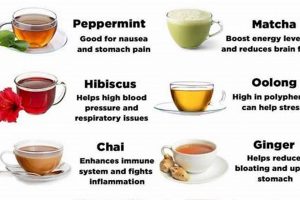
Eucalyptus is often combined with other complementary herbs, such as peppermint or ginger, to enhance its decongestant properties. Peppermint can further open airways, while ginger helps to reduce inflammation. This synergistic approach allows for a more comprehensive approach to alleviating congestion and addressing related symptoms.
The inclusion of eucalyptus in herbal teas for congestion underscores its proven ability to act as a mucus expectorant. Understanding the active compounds, mechanism of action, and synergistic potential of eucalyptus is essential when considering the most effective herbal remedies for respiratory relief. Proper preparation and safe usage guidelines should always be followed to maximize benefits and minimize potential adverse effects.
2. Peppermint

Peppermint, a widely recognized herb, is frequently incorporated into herbal teas intended to alleviate congestion. Its inherent properties directly contribute to the decongestant action sought in such formulations, making it a relevant consideration when evaluating the effectiveness of plant-based remedies for respiratory ailments.
- Menthol’s Role
Menthol, the primary active compound in peppermint, is responsible for its decongestant effects. Upon inhalation or ingestion, menthol triggers a sensation of coolness and relaxation in the nasal passages. This sensation results from menthol’s interaction with specific receptors, leading to perceived improved airflow.
- Mechanism of Airway Opening
While menthol does not physically shrink swollen nasal tissues, it creates a subjective feeling of openness. This sensation is believed to be due to menthol’s ability to activate cold-sensitive receptors in the nasal cavity, which, in turn, can provide temporary relief from the feeling of stuffiness and blockage.
- Formulation in Herbal Teas
Peppermint is commonly added to herbal tea blends as dried leaves or as an essential oil extract. The dried leaves impart a refreshing flavor and contribute to the tea’s overall decongestant properties. Essential oil extracts offer a more concentrated source of menthol, potentially amplifying the tea’s effect on airway passage.
- Complementary Herbal Actions
Peppermint is often combined with other decongestant herbs, such as eucalyptus or ginger, to achieve synergistic effects. The cooling sensation of peppermint can complement the expectorant properties of eucalyptus, while ginger’s anti-inflammatory qualities can address underlying irritation contributing to congestion. This combination supports a multi-faceted approach to symptom relief.
The inclusion of peppermint in herbal teas for congestion hinges on menthol’s ability to create a sensation of improved airflow, even if the underlying congestion is not directly reduced. This subjective relief, coupled with the complementary actions of other herbs, contributes to the overall effectiveness of herbal tea as a remedy for respiratory discomfort. However, it is important to note that peppermint’s effects are primarily symptomatic and do not address the root cause of congestion.
3. Ginger

Ginger’s anti-inflammatory properties are a significant factor contributing to its efficacy in herbal teas designed to alleviate congestion. Inflammation within the respiratory tract often exacerbates congestion by causing swelling of nasal passages and increased mucus production. Gingers ability to mitigate this inflammatory response directly addresses a key underlying cause of respiratory distress. For instance, in cases of viral upper respiratory infections, such as the common cold, inflammation plays a crucial role in the development of nasal congestion and cough. Ginger-infused teas can help reduce the severity of these symptoms by targeting the inflammatory processes.
The active compounds in ginger, such as gingerols and shogaols, inhibit the production of pro-inflammatory molecules, thereby reducing swelling and irritation in the respiratory system. This reduction in inflammation can lead to a decrease in mucus production, facilitating easier breathing. Studies have demonstrated that ginger extract can suppress the synthesis of prostaglandins and leukotrienes, both of which are potent inflammatory mediators. Moreover, ginger possesses antioxidant properties that further contribute to its anti-inflammatory effects by neutralizing free radicals, which are known to trigger inflammatory responses. As a practical example, individuals experiencing sinus congestion due to allergic reactions can benefit from ginger tea as it helps to manage the inflammation contributing to the blocked nasal passages.
In conclusion, the integration of ginger into herbal teas targeting congestion is predicated on its well-documented anti-inflammatory capabilities. By addressing the inflammatory component of respiratory congestion, ginger can provide symptomatic relief and support the body’s natural healing processes. Understanding the mechanisms through which ginger exerts its anti-inflammatory effects allows for a more informed selection of herbal remedies for managing congestion. While not a standalone cure, ginger’s contribution significantly enhances the therapeutic value of decongestant herbal teas.
4. Chamomile

Chamomile, while not directly a decongestant, offers soothing relief that indirectly supports the management of congestion. Its value in the context of effective herbal teas for congestion stems from its ability to address secondary symptoms and promote relaxation, thereby contributing to overall comfort during periods of respiratory distress.
- Reduced Nasal Irritation Perception
Chamomile contains compounds with mild anti-inflammatory properties that can soothe irritated nasal passages. While not directly reducing swelling like a decongestant, it can lessen the perception of irritation, making breathing more comfortable. For example, individuals experiencing nasal dryness due to prolonged congestion might find chamomile tea alleviates this discomfort.
- Promotion of Restful Sleep
Congestion often disrupts sleep patterns, exacerbating symptoms and hindering recovery. Chamomile is known for its calming effects, promoting relaxation and aiding sleep. Restorative sleep is crucial for the immune system to function effectively, indirectly supporting the body’s ability to overcome the underlying cause of congestion. Drinking chamomile tea before bed can therefore improve sleep quality during periods of congestion.
- Stress Reduction and Immune Support
Stress can weaken the immune system, potentially prolonging the duration and severity of congestion. Chamomile possesses anxiolytic properties that help reduce stress and anxiety. By mitigating stress, chamomile supports the immune system, enhancing the body’s defense mechanisms against infections contributing to congestion. Individuals prone to stress-induced respiratory ailments might find chamomile tea particularly beneficial.
- Addressing Associated Headache and Body Aches
Congestion is often accompanied by headaches and body aches, further diminishing overall well-being. Chamomile’s mild analgesic properties can provide relief from these discomforts. By alleviating pain, chamomile contributes to improved comfort and reduces the overall burden of illness, making it a supportive addition to herbal tea formulations for congestion.
The value of chamomile in herbal teas aimed at addressing congestion is thus not primarily in its decongestant abilities but in its capacity to mitigate associated symptoms and promote relaxation. While not a direct solution for blocked nasal passages, it plays a supportive role in managing the discomfort and promoting overall well-being during periods of respiratory distress. Therefore, chamomile can be a synergistic element when combined with herbs that have direct decongestant properties.
5. Licorice root

Licorice root, integrated into herbal teas targeting congestion, derives its utility from its capacity to suppress coughs. This function, while not directly decongestant, addresses a common and disruptive symptom often accompanying respiratory congestion, thus contributing to the overall therapeutic value of such teas.
- Glycyrrhizin’s Antitussive Action
Glycyrrhizin, a primary active compound in licorice root, exhibits antitussive properties. Its mechanism involves soothing irritated mucous membranes in the throat and airways, reducing the urge to cough. This is particularly beneficial in cases of persistent dry coughs often associated with upper respiratory infections contributing to congestion. The compound coats the throat, creating a protective layer, and can also help to reduce inflammation, which is a common trigger for coughing.
- Expectorant Qualities Supporting Cough Relief
Beyond cough suppression, licorice root possesses mild expectorant qualities, promoting the loosening and expulsion of mucus. While not as potent as dedicated expectorant herbs, this action complements its antitussive effects by addressing the underlying cause of some coughs. This effect helps to transition from a dry, irritating cough to a more productive one that clears the airways.
- Anti-inflammatory Properties Targeting Airway Irritation
Licorice root contains anti-inflammatory compounds that help soothe irritated airways, a frequent cause of coughing during periods of congestion. This action reduces the sensitivity of cough receptors in the throat and lungs, diminishing the frequency and intensity of coughs. This soothing effect is especially useful in cases where congestion has led to a raw or sore throat, making each cough more painful.
- Considerations for Safe Consumption
Despite its benefits, licorice root consumption requires careful consideration. Excessive intake of glycyrrhizin can lead to adverse effects such as elevated blood pressure, fluid retention, and potassium depletion. Individuals with hypertension, heart conditions, or kidney problems should exercise caution or avoid licorice root altogether. Short-term use within recommended dosages is generally safe for most individuals, but consulting with a healthcare professional is advisable.
The inclusion of licorice root in herbal teas designed to alleviate congestion hinges on its multifaceted cough-suppressing capabilities. By soothing irritated airways, promoting mucus expectoration, and directly reducing the urge to cough, licorice root contributes significantly to symptom management. However, its use must be approached with awareness of potential side effects, ensuring safe and responsible consumption within the context of an overall approach to respiratory health.
6. Preparation

Proper steeping techniques are critical in realizing the full therapeutic potential of herbal teas intended to alleviate congestion. The extraction of bioactive compounds responsible for decongestant effects hinges on adhering to specific steeping parameters. Deviation from these parameters can result in a less potent infusion and diminished symptom relief.
- Water Temperature and Compound Extraction
Different herbs require specific water temperatures to effectively release their beneficial compounds. Overly hot water can degrade volatile oils and delicate constituents, while water that is too cool may not adequately extract the desired compounds. For instance, the volatile oils in peppermint require a lower temperature than the more robust compounds found in ginger root. Utilizing a thermometer to ensure water temperature is appropriate for the selected herbs is crucial for optimal extraction. The incorrect temperature can prevent release of the specific molecules that have anti-inflammatory or expectorant qualities, impacting the effectiveness of the “best herbal tea for congestion”.
- Steeping Time and Bioavailability
The duration of steeping directly impacts the concentration of active ingredients in the final infusion. Insufficient steeping time may result in a weak tea with limited therapeutic benefit, while excessive steeping can lead to a bitter taste and the release of undesirable compounds. A typical steeping time ranges from 5 to 15 minutes, depending on the herb and desired potency. For example, eucalyptus leaves often require a longer steeping time to fully release their expectorant properties. Achieving optimal bioavailability, the extent to which the compounds are absorbed and available at the site of action, depends on appropriate steeping duration. Short steeping might extract some compounds, but not allow them to be as easily absorbed and utilized by the body.
- Covering the Infusion and Volatile Oil Retention
Covering the tea while steeping is essential for preventing the loss of volatile oils, many of which contribute significantly to the decongestant properties of the infusion. These oils, such as menthol in peppermint and cineole in eucalyptus, readily evaporate at higher temperatures. A lid or cover traps these volatile compounds, allowing them to condense back into the tea and ensuring their presence in the final beverage. Leaving an herbal tea uncovered will directly decrease the quantity of these oils available to the consumer, directly impacting its effectiveness.
- Straining Techniques and Particulate Matter
Proper straining is necessary to remove particulate matter from the tea, which can affect its palatability and potentially cause irritation. A fine-mesh strainer or tea filter effectively removes small particles, resulting in a clearer and more enjoyable beverage. Failure to strain the tea properly may lead to the ingestion of fine particles that can irritate the throat and exacerbate coughing, counteracting the intended soothing effects. The choice of straining method also impacts the overall sensory experience and how the medicinal ingredients are delivered to the body.
Adherence to proper steeping techniques is paramount in maximizing the therapeutic benefits of herbal teas designed to alleviate congestion. By carefully controlling water temperature, steeping time, volatile oil retention, and straining techniques, individuals can ensure that they are extracting the full potential of the selected herbs and optimizing the effectiveness of their decongestant herbal tea.
7. Safety

The pursuit of an optimal herbal tea for congestion necessitates careful consideration of potential interactions between the tea’s constituents and existing medications or health conditions. The classification of a herbal tea as “best” must inherently encompass a thorough evaluation of its safety profile, taking into account the likelihood and severity of adverse interactions. Ignoring potential interactions can transform a seemingly beneficial remedy into a source of harm, negating any perceived therapeutic advantage. For instance, an individual taking anticoagulant medication might experience an increased risk of bleeding if concurrently consuming a herbal tea containing high doses of ginger, known for its antiplatelet effects. In this scenario, the failure to consider interactions transforms what might have been a useful tea for decongestion into a potential health hazard. Similarly, licorice root, often used to soothe coughs, can elevate blood pressure and deplete potassium levels, posing significant risks for individuals with hypertension or heart conditions.
Accurate identification of potential interactions requires knowledge of both the active compounds within the herbal tea and the pharmacological properties of any medications the individual is taking. Resources such as reputable herbal databases, pharmacological references, and consultations with healthcare professionals can provide the necessary information. For example, individuals considering St. Johns Wort, sometimes included in herbal blends, must be aware of its numerous drug interactions, including its potential to reduce the effectiveness of oral contraceptives and certain antidepressants. Consequently, a ‘best’ herbal tea for one person might be entirely unsuitable for another due to their unique medication regimen and health status. This highlights the personalized nature of determining what constitutes the most appropriate and safe herbal remedy.
In conclusion, safety considerations, specifically regarding potential interactions, are inseparable from the concept of “best herbal tea for congestion.” The efficacy of a tea in alleviating congestion becomes irrelevant if its consumption poses unacceptable risks to the individual’s health. A comprehensive understanding of potential interactions, coupled with informed decision-making and, when necessary, professional guidance, is essential to ensure that the chosen herbal tea is both effective and safe. The value of any treatment lies not just in its potential benefits but also in the minimization of potential harm. Therefore, the emphasis on safety, achieved through rigorous consideration of interactions, is paramount in the selection process.
Frequently Asked Questions
This section addresses common inquiries regarding the use of herbal teas for alleviating congestion, providing evidence-based information to inform decision-making.
Question 1: Are herbal teas a substitute for medical treatment for congestion?
Herbal teas can provide symptomatic relief from congestion; however, they are not a replacement for medical treatment, particularly in cases of severe or persistent respiratory infections. Consultation with a healthcare professional is advisable for diagnosis and appropriate management of underlying conditions.
Question 2: How quickly can herbal teas alleviate congestion?
The onset of relief varies depending on the individual, the severity of congestion, and the specific herbs used. Some individuals may experience noticeable improvement within hours, while others may require several days of consistent use. Herbal teas are most effective when used as part of a comprehensive approach to managing congestion, including adequate hydration and rest.
Question 3: Can herbal teas interact with medications used to treat congestion?
Yes, certain herbs can interact with medications commonly used to treat congestion, such as decongestants, antihistamines, and cough suppressants. For instance, licorice root can potentiate the effects of corticosteroids, and St. John’s Wort can interfere with the metabolism of certain medications. Review of all medications and supplements with a healthcare professional or qualified herbalist is essential to avoid adverse interactions.
Question 4: Are there any contraindications to using herbal teas for congestion?
Specific health conditions can contraindicate the use of certain herbal teas. Individuals with hypertension, heart disease, kidney problems, or autoimmune disorders should exercise caution or avoid certain herbs altogether. Pregnancy and breastfeeding also warrant careful consideration, as some herbs can pose risks to the developing fetus or infant. Consultation with a healthcare provider is recommended to determine the safety of specific herbal teas.
Question 5: How can one assess the quality and purity of herbal teas?
The quality and purity of herbal teas can be assessed by selecting products from reputable suppliers that adhere to Good Manufacturing Practices (GMP). Look for teas that are certified organic, tested for heavy metals and pesticides, and clearly labeled with ingredient information. Inspecting the physical appearance of the tea for uniformity, color, and aroma can also provide clues about its quality.
Question 6: Can herbal teas be used preventatively to reduce the risk of congestion?
While herbal teas are primarily used for symptomatic relief, certain herbs can support overall immune function and respiratory health, potentially reducing the risk of congestion. Herbs such as elderberry and echinacea have been shown to possess immune-modulating properties. Consistent use of these herbs, in consultation with a healthcare provider, may contribute to a reduced incidence of respiratory infections.
The effective use of herbal teas for congestion relies on informed selection, proper preparation, and awareness of potential interactions and contraindications. These teas can serve as a valuable adjunct to conventional treatments, but not as a replacement.
The subsequent section will provide a summary of key points and actionable recommendations for incorporating herbal teas into a respiratory wellness plan.
Concluding Remarks
The exploration of what constitutes the “best herbal tea for congestion” reveals a nuanced landscape. While individual herbs offer specific benefits expectorant, anti-inflammatory, or cough-suppressant properties their efficacy is contingent upon appropriate selection, preparation, and a thorough understanding of potential interactions. The symptomatic relief provided by herbal teas serves as a complement, not a substitute, for professional medical guidance when managing respiratory ailments. Prioritizing quality, safety, and informed use are essential in leveraging these natural remedies effectively.
Therefore, individuals are encouraged to approach herbal teas for congestion with a measured perspective. Seek qualified advice, consider individual health profiles, and prioritize evidence-based information. A responsible and knowledgeable approach will maximize the potential benefits while mitigating inherent risks, ensuring that the pursuit of respiratory wellness is both informed and safe.