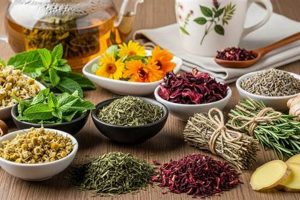
A select group of herbal infusions, prepared by steeping specific plants in hot water, are regarded for their potential to alleviate cough symptoms. These preparations leverage the inherent properties of various herbs to soothe irritation and promote respiratory wellness. For example, a chamomile infusion is often consumed for its calming effects, while a ginger-lemon preparation may provide both soothing and decongestant actions.
The consumption of herbal remedies for respiratory ailments has a long and documented history across cultures. The purported benefits extend beyond simple symptom relief, potentially offering anti-inflammatory, antioxidant, and antimicrobial actions depending on the herbal components. Selecting appropriate herbs and employing proper preparation methods are essential to maximize potential benefits and minimize any risks. The use of such infusions can be a complementary approach to conventional treatments.
The subsequent sections will explore specific herbal teas commonly considered beneficial for coughs, detailing their key properties, potential benefits, and considerations for their use. These include discussions regarding ingredient selection, preparation techniques, and possible contraindications or interactions.
Tips for Selecting Herbal Teas to Alleviate Cough
Maximizing the benefits of herbal infusions for cough relief requires careful consideration. The following tips offer guidance in selecting, preparing, and using such remedies safely and effectively.
Tip 1: Identify Cough Type: Determine whether the cough is dry, productive, or associated with other symptoms. This differentiation assists in selecting herbs with appropriate properties (e.g., demulcents for dry coughs, expectorants for productive coughs).
Tip 2: Prioritize Single-Ingredient Teas Initially: When exploring herbal remedies for the first time, begin with single-ingredient infusions (e.g., chamomile, ginger). This simplifies identification of potential allergens or adverse reactions.
Tip 3: Research Herb Properties: Investigate the established properties of each herb before consumption. Reliable sources (e.g., reputable herbal medicine texts, scientific databases) provide information regarding potential benefits, contraindications, and interactions.
Tip 4: Source High-Quality Herbs: Opt for organic, ethically sourced herbs from reputable suppliers. This minimizes exposure to pesticides, contaminants, and adulterants.
Tip 5: Follow Preparation Instructions: Adhere to recommended steeping times and dosages. Over-steeping can result in bitter flavors or the release of undesirable compounds, while improper dosages may reduce efficacy or increase the risk of adverse effects.
Tip 6: Consider Underlying Conditions and Medications: Individuals with pre-existing medical conditions (e.g., pregnancy, autoimmune disorders) or those taking prescription medications should consult a healthcare professional before using herbal remedies.
Tip 7: Monitor for Adverse Reactions: Pay close attention to any adverse reactions following consumption. Discontinue use and seek medical attention if symptoms such as skin rashes, difficulty breathing, or gastrointestinal distress occur.
Tip 8: Integrate as a Complementary Approach: Recognize that herbal infusions are best utilized as a complementary approach to conventional medical treatments, not as a replacement. Seek professional medical advice for persistent or severe cough symptoms.
By adhering to these guidelines, individuals can better leverage the potential benefits of these herbal preparations while mitigating potential risks. The responsible selection and utilization of these herbal remedies can be a useful tool in cough management.
The subsequent section will transition towards a conclusion, summarizing key considerations and offering final thoughts.
1. Herb's Primary Actions

The selection of herbal teas for cough relief is fundamentally linked to the pharmacological actions of the individual herbs. Understanding these actions is crucial for determining the suitability of a particular tea for addressing specific cough symptoms. The primary actions dictate how the herb interacts with the body to alleviate the cough and associated discomfort.
- Demulcent Action
Demulcent herbs possess high mucilage content, forming a soothing, protective layer over irritated mucous membranes. In the context of coughs, this action is particularly beneficial for dry, hacking coughs where the throat is inflamed. Examples include marshmallow root and slippery elm. By coating the throat, these herbs reduce irritation and the urge to cough.
- Expectorant Action
Expectorant herbs facilitate the clearance of mucus from the respiratory tract. They can achieve this by either stimulating mucus production (secretory expectorants) or by increasing the fluidity of mucus, making it easier to expel (stimulating expectorants). Examples include thyme and eucalyptus. These herbs are appropriate for productive coughs where mucus congestion is a primary symptom.
- Antitussive Action
Antitussive herbs work by suppressing the cough reflex. These herbs may act centrally, by influencing the cough center in the brain, or peripherally, by soothing irritated nerve endings in the respiratory tract. Examples include wild cherry bark. This action can be beneficial for persistent, non-productive coughs that interfere with sleep or daily activities; the use of such herbs must be approached carefully to avoid suppressing the clearance of underlying congestion.
- Anti-inflammatory Action
Many coughs are associated with inflammation of the respiratory tract. Anti-inflammatory herbs can reduce this inflammation, thereby alleviating cough symptoms and promoting healing. Examples include ginger and turmeric. These herbs work by inhibiting inflammatory pathways, reducing swelling and irritation of the airways.
The effectiveness of any herbal tea for coughs is intrinsically tied to the herb’s primary actions. A nuanced understanding of these actions enables informed selection of teas that target specific symptoms and underlying causes. Recognizing the interconnectedness between herb action and cough pathology is fundamental to achieving optimal therapeutic outcomes.
2. Preparation Methodology

The efficacy of any herbal tea intended for cough relief is directly dependent on its preparation methodology. The process of extracting the beneficial compounds from the herb profoundly influences the tea’s therapeutic potential. Factors such as water temperature, steeping time, and the use of specific parts of the plant dictate the concentration and bioavailability of active constituents. Improper preparation can result in a tea that is either ineffectual due to insufficient extraction or potentially harmful due to the release of undesirable compounds. For example, over-steeping teas containing tannins can lead to an unpalatable and potentially irritating beverage.
Specific preparation methods are suited to different types of plant material. Delicate flowers or leaves often require lower water temperatures and shorter steeping times to prevent the degradation of volatile oils, whereas tougher roots or barks necessitate longer simmering or decoction to effectively release their therapeutic properties. Consider ginger tea: grating the fresh rhizome and steeping it in near-boiling water for 10-15 minutes allows for the extraction of gingerols and shogaols, the compounds responsible for its anti-inflammatory and expectorant effects. Conversely, simply adding a few slices of ginger to lukewarm water will likely yield a tea with minimal therapeutic benefit. The use of filtered water can also impact the taste and purity of the final product.
Ultimately, the selection of a “best herbal tea for a cough” is intertwined with the precise methods employed in its preparation. Standardization in preparation, based on established herbal medicine principles, ensures consistent delivery of the plant’s therapeutic potential. Deviation from recommended methods may compromise the tea’s ability to alleviate cough symptoms and could, in certain cases, introduce unintended adverse effects. Precise control and careful attention to detail throughout the preparation process are therefore paramount to realizing the intended benefits of an herbal tea intended for cough relief.
3. Cough Type Specificity

The selection of the most appropriate herbal tea for a cough is heavily dependent on the specific characteristics of the cough itself. Different cough types indicate distinct underlying physiological processes and require different therapeutic approaches. Therefore, understanding and correctly identifying the cough type is paramount in determining which herbal tea will offer the most effective relief.
- Dry Cough Specificity
Dry coughs, characterized by the absence of mucus production, often result from irritation or inflammation of the upper respiratory tract. For this cough type, herbal teas with demulcent properties are preferred. These teas, containing herbs such as marshmallow root or slippery elm, create a soothing layer over the irritated tissues, reducing the cough reflex. Using expectorant herbs, designed to loosen mucus, would be counterproductive in this scenario and could exacerbate the irritation.
- Productive Cough Specificity
Productive coughs, conversely, involve the expulsion of mucus or phlegm. In these cases, herbal teas containing expectorant herbs, such as thyme or eucalyptus, are most beneficial. These herbs help to loosen and thin the mucus, facilitating its removal from the respiratory system. Using cough suppressants, or herbs with antitussive properties, would be inappropriate as they would hinder the body’s natural mechanism for clearing the airways.
- Croup Cough Specificity
Croup, primarily affecting young children, is characterized by a harsh, barking cough resulting from inflammation of the larynx and trachea. While direct herbal remedies may be limited due to the age group and severity of symptoms, supportive herbal teas, administered to the caregiver, containing calming herbs like chamomile or lemon balm, might indirectly alleviate the child’s distress by promoting relaxation and reducing anxiety in the surrounding environment. Direct administration to the child requires careful professional guidance.
- Nocturnal Cough Specificity
Coughs that worsen at night can stem from various factors, including postnasal drip, asthma, or gastroesophageal reflux. The appropriate herbal tea selection depends on the underlying cause. For postnasal drip, teas with antihistamine or decongestant properties, such as peppermint, may be useful. For asthma-related coughs, teas with anti-inflammatory properties, such as ginger or turmeric, might provide some relief. If gastroesophageal reflux is suspected, teas that soothe the digestive system, such as chamomile or licorice root (used with caution and professional guidance), may be considered.
The efficacy of the “best herbal tea for a cough” is inextricably linked to its suitability for the specific cough type. An accurate assessment of cough characteristics is therefore a prerequisite for informed herbal tea selection, ensuring targeted and effective symptom relief.
4. Potential Interactions

The selection of an herbal tea, even one considered among the “best herbal tea for a cough,” necessitates careful consideration of potential interactions with pre-existing medical conditions, prescription medications, and other herbal supplements. A failure to acknowledge these interactions can lead to adverse effects, diminishing the intended therapeutic benefit and potentially compromising patient safety. The inherent biochemical activity of many herbs means they can influence drug metabolism, receptor binding, and physiological processes, leading to synergistic, additive, or antagonistic effects. As such, “potential interactions” is not merely a side consideration but an integral component of responsible herbal tea selection.
Real-world examples underscore the practical significance of understanding these interactions. For instance, St. John’s Wort, sometimes included in herbal tea blends for its mood-enhancing properties, is a known inducer of cytochrome P450 enzymes, thereby potentially reducing the effectiveness of various medications, including oral contraceptives and certain antidepressants. Similarly, licorice root, often touted for its soothing effects on the throat, can exacerbate hypertension and interact with certain cardiac medications. Even seemingly benign herbs like chamomile can potentiate the effects of blood-thinning medications. The growing use of polypharmacy, where individuals take multiple medications concurrently, further amplifies the risk of herb-drug interactions. It is therefore incumbent upon consumers and healthcare providers alike to diligently assess potential interactions before incorporating any herbal tea into a cough management strategy.
In summary, the quest for the “best herbal tea for a cough” cannot proceed in isolation from the broader context of an individual’s health profile and medication regimen. Awareness of potential interactions is not merely a precautionary measure but a fundamental element of safe and effective herbal therapy. The responsible selection and utilization of herbal teas require a comprehensive understanding of both their potential benefits and risks, as well as the potential for adverse interactions. Consulting with a qualified healthcare professional or herbalist is crucial, particularly for individuals with pre-existing medical conditions or those taking prescription medications. The integration of this knowledge into the decision-making process ensures a more informed and safer approach to cough management using herbal teas.
5. Quality of ingredients
The determination of what constitutes the “best herbal tea for a cough” is intrinsically linked to the quality of the ingredients used in its preparation. The therapeutic efficacy and safety profile of the tea are directly influenced by the source, handling, and purity of the herbs themselves. Consequently, assessing ingredient quality is not merely a perfunctory step, but rather a critical element in identifying a genuinely beneficial herbal remedy.
- Herb Sourcing and Authenticity
The geographical origin and cultivation practices significantly impact an herb’s chemical composition and potency. Wildcrafted herbs, if sustainably harvested, may possess a different profile compared to commercially cultivated varieties. Authenticity is also crucial; adulteration with similar-looking but therapeutically inactive or harmful plants can compromise the tea’s effectiveness and safety. Rigorous botanical identification and sourcing from reputable suppliers are essential.
- Organic Certification and Pesticide Residue
Herbs grown without synthetic pesticides, herbicides, and fertilizers are preferable. Organic certification provides assurance that the herbs meet established standards for sustainable agriculture and minimal chemical contamination. Pesticide residue, even at low levels, can pose health risks, particularly with chronic consumption. Selecting organic or organically grown herbs minimizes exposure to these potential toxins.
- Proper Harvesting and Drying Techniques
The timing of harvest and the method of drying influence the concentration of active compounds within the herb. Harvesting at the plant’s peak potency, followed by gentle drying methods that preserve volatile oils and prevent mold growth, are critical. Improperly dried herbs can be susceptible to microbial contamination and degradation of therapeutic constituents, rendering the tea less effective or even unsafe.
- Storage and Shelf Life
Even high-quality herbs can degrade over time if not stored properly. Exposure to light, heat, and moisture can accelerate the loss of volatile compounds and promote oxidation. Herbs should be stored in airtight containers, away from direct sunlight and heat sources. Understanding the shelf life of different herbs and using them within a reasonable timeframe is important to ensure optimal potency and prevent the consumption of stale or degraded material.
In conclusion, the pursuit of the “best herbal tea for a cough” invariably leads to a consideration of ingredient quality. Each facet, from sourcing and certification to harvesting and storage, plays a crucial role in determining the tea’s therapeutic value and safety. Prioritizing high-quality ingredients ensures that the consumer receives the intended benefits and minimizes the risk of adverse effects. This focus underscores the importance of informed purchasing decisions and a discerning approach to herbal remedies.
Frequently Asked Questions
The following questions address common concerns and misconceptions regarding the use of herbal teas for cough management, providing evidence-based information for informed decision-making.
Question 1: Is herbal tea a substitute for medical treatment of a persistent cough?
Herbal tea should not replace medical treatment for a persistent or severe cough. While some herbal teas may offer symptomatic relief, they do not address the underlying cause of the cough and may delay appropriate medical intervention. A healthcare professional should be consulted for any cough lasting longer than two weeks, accompanied by fever, shortness of breath, or chest pain.
Question 2: Can all herbal teas be safely consumed during pregnancy for cough relief?
No. Specific herbs are contraindicated during pregnancy due to potential risks to the developing fetus. Examples include, but are not limited to, pennyroyal, sage, and high doses of licorice root. A healthcare provider specializing in herbal medicine or an obstetrician should be consulted prior to consuming any herbal tea during pregnancy.
Question 3: How does the quality of the water used to prepare herbal tea affect its therapeutic properties?
The water quality significantly impacts the extraction of therapeutic compounds. Filtered water is recommended to minimize the presence of chlorine, heavy metals, and other contaminants that may interfere with the tea’s flavor and potential health benefits. The water’s temperature is also crucial, as different herbs require specific temperatures for optimal extraction.
Question 4: Is there a risk of allergic reaction associated with the consumption of herbal tea?
Yes, individuals with allergies to certain plants may experience allergic reactions to related herbal teas. For example, individuals allergic to ragweed may also react to chamomile tea. Initially, only small quantities should be consumed, with careful monitoring for any signs of allergic reactions, such as skin rashes, itching, or difficulty breathing. Discontinue use immediately if any adverse symptoms occur.
Question 5: How long should herbal tea be steeped to maximize its therapeutic benefits?
Steeping time varies depending on the specific herb and the desired concentration. As a general guideline, most herbal teas require steeping for 5-15 minutes in hot water. Over-steeping can result in a bitter taste and the release of tannins, while under-steeping may not adequately extract the beneficial compounds. Adhering to recommended steeping times for each herb is crucial.
Question 6: Are herbal teas safe for children experiencing cough symptoms?
Certain herbal teas are considered safe for children in appropriate dosages, but caution is advised. Infants under one year old should generally not be given herbal teas due to their immature digestive systems. Diluted chamomile or fennel tea may be considered for older children, but a pediatrician’s guidance should be sought before administering any herbal remedy to a child, especially if they have underlying health conditions or are taking medications.
Key takeaways include the importance of individual health considerations, sourcing quality ingredients, and recognizing the limitations of herbal teas in treating serious conditions.
The following section transitions to the closing summary.
Conclusion
The preceding exploration has illuminated the multifaceted considerations involved in selecting the “best herbal tea for a cough.” Factors encompassing herb pharmacology, preparation techniques, cough type specificity, potential interactions, and ingredient quality collectively determine the safety and efficacy of such remedies. A responsible approach necessitates a comprehensive understanding of these elements, moving beyond anecdotal evidence towards informed decision-making.
Ultimately, the integration of evidence-based knowledge, meticulous preparation, and awareness of individual health profiles are essential for realizing the potential benefits of herbal teas in cough management. Future investigations should focus on rigorous clinical trials to validate the therapeutic claims of specific herbal formulations and to further elucidate potential risks. Until such data are available, cautious and informed utilization remains paramount, always in conjunction with professional medical advice when necessary. The application of diligence and discernment serves to ensure that the pursuit of cough relief through herbal means is both safe and effective.