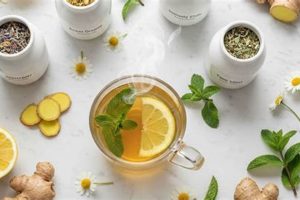
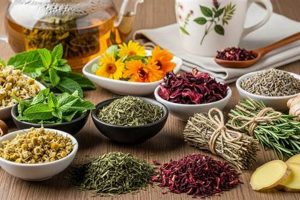
Beverages crafted from infusions of various plants, excluding Camellia sinensis (true tea), and intended to invigorate the body and mind are increasingly popular. These concoctions utilize the natural properties of herbs, roots, flowers, and spices to provide a sustained sense of vitality, rather than a rapid spike and subsequent crash often associated with caffeinated drinks. A common example is a blend of peppermint, ginger, and lemon, known for its refreshing taste and perceived revitalizing effects.
The appeal of these plant-based drinks lies in their potential for sustained well-being. Historically, numerous cultures have employed herbal remedies for their medicinal qualities, including increased stamina and mental clarity. Contemporary interest focuses on the gentle, natural stimulation offered, avoiding the jitters and potential adverse effects linked to synthetic stimulants. The perceived benefits range from improved focus and enhanced physical performance to a general feeling of overall wellness.
The subsequent discussion will delve into specific botanical ingredients commonly used in formulations designed to provide a natural sense of vigor, explore the scientific basis for their purported effects, and offer guidance on selecting and preparing these revitalizing infusions for optimal results.
Optimizing the Selection and Consumption of Herbal Infusions for Enhanced Vitality
The effective use of plant-derived beverages for invigoration necessitates informed selection and preparation techniques. The following guidelines offer practical advice for maximizing the potential benefits associated with such beverages.
Tip 1: Prioritize Ingredient Quality and Source. Opt for products utilizing organically grown herbs whenever possible, minimizing potential exposure to pesticides and other contaminants. Reputable suppliers often provide detailed information regarding the origin and cultivation practices of their ingredients.
Tip 2: Understand Individual Sensitivities and Potential Interactions. Certain herbs may interact with medications or exacerbate existing health conditions. Consultation with a healthcare professional is advised, particularly for individuals with pre-existing medical issues or those taking prescription drugs.
Tip 3: Employ Proper Brewing Techniques. Water temperature and steeping time significantly impact the extraction of beneficial compounds. Adhere to the manufacturer’s instructions or research optimal brewing parameters for specific herbs to ensure maximum potency and flavor.
Tip 4: Consider the Time of Day for Consumption. While generally gentler than caffeinated beverages, some herbs possess stimulating properties that may interfere with sleep if consumed too close to bedtime. Experiment with different blends and timing to determine individual tolerance and response.
Tip 5: Supplement a Healthy Lifestyle. Plant-based beverages designed to enhance vitality should be viewed as a complement to, not a replacement for, a balanced diet, regular exercise, and adequate sleep. These lifestyle factors are fundamental to overall well-being and sustained energy levels.
Tip 6: Rotate Herbal Blends. Prolonged use of a single herbal formulation may lead to reduced effectiveness or the development of tolerance. Varying the composition of plant-derived beverages can help maintain their efficacy and prevent potential imbalances.
Implementing these practices promotes a more effective and responsible approach to leveraging the potential of herbal infusions for enhanced physical and mental vigor.
The final section of this article will synthesize the presented information and offer concluding thoughts on the role of plant-derived beverages in a holistic approach to wellness.
1. Botanical Composition

The botanical composition forms the fundamental basis for any purported effect of an herbal tea designed to promote invigoration. The specific blend of herbs, roots, flowers, and spices directly dictates the chemical constituents present in the resulting infusion, influencing its potential physiological impact. For example, teas containing Panax ginseng are often associated with improved cognitive function and reduced fatigue due to the presence of ginsenosides. Conversely, an infusion predominantly composed of chamomile flowers, despite being an herbal tea, would likely induce relaxation rather than an increase in energy, owing to its sedative properties.
The efficacy of a “herbal tea for energy boost” hinges on a rational selection of botanicals known for their stimulating or adaptogenic properties. Herbs containing natural stimulants, such as yerba mate ( Ilex paraguariensis) or guarana ( Paullinia cupana), provide a direct boost through caffeine or caffeine-like compounds. Adaptogens, like ashwagandha ( Withania somnifera) or rhodiola ( Rhodiola rosea), are believed to enhance the body’s resilience to stress, indirectly promoting vitality by mitigating fatigue and improving overall well-being. A carefully curated botanical composition will balance these elements for a synergistic effect.
In conclusion, the precise selection of botanicals is paramount to achieving the desired outcome of heightened vitality. A detailed understanding of the properties of individual herbs and their potential interactions is essential for formulating an effective and safe “herbal tea for energy boost.” The absence of such knowledge undermines the potential benefits and may even lead to unintended consequences, reinforcing the critical role of botanical composition in this context.
2. Preparation Method

The preparation method significantly influences the efficacy and potency of any herbal tea intended to provide an invigorating effect. Variations in brewing techniques directly impact the extraction of bioactive compounds from the botanical ingredients, ultimately determining the beverage’s ability to deliver a perceptible energy boost. The process is not simply a matter of steeping herbs in hot water; it requires a nuanced understanding of extraction principles.
- Water Temperature
Water temperature plays a critical role in the solubilization of active constituents. Overly hot water may degrade delicate compounds present in certain herbs, while insufficiently heated water may fail to extract them effectively. For instance, delicate floral herbs such as jasmine or lavender require lower temperatures (around 170F/77C) to preserve their volatile oils, whereas tougher roots and barks, like ginger or cinnamon, necessitate higher temperatures (near boiling) to fully release their active compounds. The careful control of water temperature is, therefore, a crucial factor in optimizing the extraction process and maximizing the potential energy-boosting effects.
- Steeping Time
Steeping time directly correlates with the concentration of extracted compounds. Short steeping times may result in a weak infusion with minimal effect, while excessive steeping can lead to a bitter or astringent taste due to the extraction of tannins and other undesirable compounds. The optimal steeping time varies depending on the type and form of herb used. Leafy herbs generally require shorter steeping times (3-5 minutes) compared to roots and barks (5-10 minutes). Monitoring steeping time is essential for achieving the desired balance of potency and palatability in an herbal tea designed for invigoration.
- Herb Quantity and Form
The quantity of herbs used and their physical form (e.g., whole, cut, powdered) also influence the extraction process. A greater quantity of herbs typically yields a more potent infusion, although there is a point of diminishing returns beyond which further increases provide minimal benefit. Furthermore, the surface area of the herb affects the rate of extraction. Cut or powdered herbs offer a larger surface area compared to whole herbs, facilitating faster and more complete extraction. However, powdered herbs may also release more sediment into the tea, affecting its clarity and taste. Balancing herb quantity and form allows for tailored modulation of the final product’s characteristics.
- Water Quality
The quality of the water used in preparation can significantly impact the final taste and the extraction efficiency of the herbal infusion. Impurities in the water, such as chlorine or heavy metals, can interact with the herbs, altering their flavor profile and potentially inhibiting the extraction of beneficial compounds. Filtered water is generally recommended to ensure a clean and neutral base for the infusion, allowing the true flavors and properties of the herbs to shine through. Using water with a high mineral content, also known as hard water, can likewise affect the tea’s flavor, sometimes negatively. Therefore, attention to water quality is an often-overlooked but essential aspect of the preparation method.
In summary, the preparation method is not a mere procedural step but an integral element in realizing the potential benefits of any herbal tea for energy. Precise control over water temperature, steeping time, herb quantity and form, and water quality ensures optimal extraction of the desired compounds, maximizing the infusion’s ability to deliver the intended invigorating effect. A thorough understanding of these variables empowers individuals to tailor their preparation techniques to achieve the desired outcome, thereby enhancing the efficacy of their chosen herbal blend.
3. Intended Effect
The “intended effect” serves as the cornerstone for the effective use of plant-derived beverages to promote vitality. It represents the desired outcome or specific physiological response sought from consuming the infusion, which directly influences the selection of appropriate herbal ingredients and preparation methods. Without a clearly defined intended effect, the formulation and consumption of “herbal tea for energy boost” becomes arbitrary, potentially leading to suboptimal results or even adverse reactions. For instance, an individual seeking sustained mental clarity for focused work might choose a blend containing Ginkgo biloba and Gotu kola, while someone requiring increased physical endurance for athletic performance may opt for a tea with Rhodiola rosea and Eleuthero. The intended effect dictates the specific properties required from the herbal tea.
The alignment of the intended effect with the actual properties of the herbal blend is crucial. Misconceptions or inaccurate information regarding the effects of certain herbs can lead to the selection of inappropriate formulations. For example, consuming a tea marketed for invigoration that primarily contains relaxing herbs like chamomile would likely be counterproductive. Moreover, individual variations in physiology and sensitivity to specific herbs necessitate a personalized approach. What effectively promotes alertness in one person may have little or no effect on another. Therefore, carefully considering one’s individual needs and response to different herbal components is imperative for achieving the desired outcome. Understanding one’s own body and the herbs’ effects allows one to refine the formulation, preparation, and timing of consumption to best serve the intended effect. This creates a feedback loop, improving results through experimentation.
In summation, the “intended effect” serves as the guiding principle for the informed and effective use of “herbal tea for energy boost.” By clearly defining the desired outcome, individuals can select appropriate herbal ingredients, optimize preparation methods, and tailor consumption patterns to maximize the potential benefits. This targeted approach enhances the likelihood of achieving the intended physiological response and promotes a more responsible and informed approach to herbal supplementation. It is important to remember that a clear intention is the first step towards a predictable outcome.
4. Consumption Timing

Consumption timing represents a crucial variable in maximizing the efficacy of herbal teas intended to promote invigoration. The temporal relationship between ingestion and desired effect warrants careful consideration, as the body’s absorption and response to herbal compounds are influenced by various physiological factors throughout the day.
- Circadian Rhythm Alignment
The body’s natural circadian rhythm dictates fluctuations in hormone levels, metabolic rate, and neurological activity. Consuming stimulating herbal teas in the late evening or before bedtime can disrupt sleep patterns, counteracting any potential daytime benefits. Conversely, consuming these teas in the morning or early afternoon aligns with the body’s natural energy cycle, potentially enhancing their invigorating effects. An individual seeking morning alertness may benefit from a rosemary infusion, while the same tea consumed before sleep could prove disruptive.
- Meal Timing Considerations
The presence of food in the digestive system can influence the absorption rate and bioavailability of herbal compounds. Consuming an herbal tea on an empty stomach may lead to a more rapid absorption and a more pronounced initial effect, while consuming it with a meal can slow down absorption, resulting in a more sustained but less intense effect. This becomes relevant when considering “herbal tea for energy boost” since the body can absorb nutrients better after a meal. Individuals sensitive to stimulants may prefer to consume their tea with food to mitigate potential side effects such as jitters or digestive discomfort.
- Activity Level Synchronization
The timing of consumption should ideally be synchronized with planned physical or mental activities. Consuming an invigorating herbal tea shortly before engaging in demanding tasks can enhance focus, stamina, and performance. A student preparing for an exam might benefit from a Ginkgo biloba infusion before studying, while an athlete could consume a Rhodiola rosea tea prior to training. Mismatching consumption timing with activity levels can lead to a suboptimal experience.
- Individual Metabolic Rate
Metabolic rate plays a role in determining how the body processes the compounds found in herbal teas. Those with higher metabolic rates may experience effects faster, with a shorter duration. Those with lower metabolic rates may experience the reverse effect. It is crucial to consider individual metabolic rate when developing a schedule for when to consume an “herbal tea for energy boost.”
In conclusion, the strategic manipulation of consumption timing can significantly enhance the benefits derived from herbal teas intended to promote invigoration. By considering circadian rhythm alignment, meal timing considerations, and activity level synchronization, individuals can optimize the absorption and utilization of herbal compounds, leading to a more predictable and effective experience. However, it is crucial that individual response should factor into consumption timing.
5. Individual Sensitivity
Individual sensitivity constitutes a critical factor in determining the efficacy and safety of plant-derived infusions intended to promote invigoration. Physiological variations and pre-existing conditions influence responses to the bioactive compounds present in herbal teas. Therefore, a generalized approach to consumption may yield inconsistent or even adverse outcomes.
- Allergic Reactions
Hypersensitivity to specific botanicals represents a significant consideration. Allergic reactions, ranging from mild skin irritation to severe anaphylaxis, can occur upon ingestion of certain herbs. Individuals with known allergies to plants within the Asteraceae (daisy) family, for example, may exhibit sensitivity to chamomile or echinacea. Prior assessment of potential allergens is paramount before incorporating new herbal teas into one’s regimen.
- Drug Interactions
Bioactive compounds in herbal teas can interact with pharmaceutical medications, potentially altering their efficacy or increasing the risk of adverse effects. For instance, St. John’s Wort, a common ingredient in some “energy-boosting” formulations, can interfere with the metabolism of various drugs, including antidepressants and anticoagulants. Consultation with a healthcare professional is advisable for individuals taking prescription medications.
- Pre-existing Health Conditions
Certain health conditions can be exacerbated by the consumption of specific herbal teas. Individuals with hypertension should exercise caution with herbs known to raise blood pressure, such as licorice root. Similarly, those with autoimmune disorders may experience adverse reactions to immune-stimulating herbs like echinacea. Awareness of pre-existing health conditions is essential for informed selection and safe consumption of these beverages.
- Gastrointestinal Sensitivity
The digestive system’s response to herbal infusions can vary considerably among individuals. Certain herbs, such as senna or cascara sagrada, possess strong laxative properties and can cause gastrointestinal distress in sensitive individuals. Even milder herbs, like ginger, can induce heartburn or nausea in some. Monitoring digestive responses is crucial for identifying and avoiding problematic ingredients.
These facets underscore the necessity for a personalized approach to the consumption of “herbal tea for energy boost.” Recognizing and accounting for individual sensitivities, including allergies, drug interactions, pre-existing conditions, and gastrointestinal responses, enhances the safety and effectiveness of these plant-derived beverages. A cautious and informed approach ensures that the pursuit of invigoration does not compromise overall well-being.
Frequently Asked Questions
The following questions address common concerns and misconceptions surrounding plant-derived infusions intended to promote increased vitality.
Question 1: What constitutes an “herbal tea for energy boost,” and how does it differ from traditional tea?
An “herbal tea for energy boost” refers to an infusion of various herbs, spices, roots, and flowers, excluding Camellia sinensis (true tea), specifically formulated to promote a sense of increased energy and alertness. Unlike traditional tea, which contains caffeine, these infusions typically rely on alternative mechanisms, such as adaptogenic properties or natural stimulants, to achieve the desired effect.
Question 2: Can an “herbal tea for energy boost” replace coffee or other caffeinated beverages?
While some herbal teas contain natural stimulants, the concentration is generally lower than that found in coffee or energy drinks. Therefore, the extent to which an “herbal tea for energy boost” can replace caffeinated beverages depends on individual tolerance and desired level of stimulation. It may serve as a gentler alternative or a complementary beverage for reducing caffeine consumption.
Question 3: Are there potential side effects associated with consuming “herbal tea for energy boost”?
As with any bioactive substance, the consumption of “herbal tea for energy boost” may induce side effects in certain individuals. These effects can range from mild gastrointestinal discomfort to allergic reactions or interactions with medications. Consulting with a healthcare professional before incorporating new herbal teas into one’s routine is recommended, particularly for individuals with pre-existing health conditions.
Question 4: How should “herbal tea for energy boost” be prepared to maximize its effectiveness?
Optimal preparation methods vary depending on the specific herbs used in the formulation. Generally, water temperature and steeping time are critical factors. Adhering to the manufacturer’s instructions or researching optimal brewing parameters for individual herbs ensures maximum extraction of beneficial compounds and minimizes the risk of undesirable flavors or effects.
Question 5: Is it possible to develop a tolerance to the effects of “herbal tea for energy boost”?
Prolonged and consistent use of a single herbal formulation may lead to reduced effectiveness over time. Varying the composition of plant-derived beverages or incorporating periods of abstinence can help prevent the development of tolerance and maintain the desired effects.
Question 6: Can “herbal tea for energy boost” be consumed during pregnancy or breastfeeding?
The safety of consuming specific herbs during pregnancy or breastfeeding is a complex issue with varying recommendations. Many herbs are contraindicated during these periods due to potential risks to the mother or child. Consulting with a qualified healthcare professional or herbalist is essential before consuming any herbal tea during pregnancy or breastfeeding.
In summary, “herbal tea for energy boost” can be a useful tool, but careful consideration of its nature, impact, and correct application must be considered.
The subsequent section will provide a conclusion summarizing the comprehensive insights into “herbal tea for energy boost” discussed.
Conclusion
The preceding analysis explored the various facets of “herbal tea for energy boost,” encompassing botanical composition, preparation methods, intended effects, consumption timing, and individual sensitivities. The evidence demonstrates that the effective utilization of these plant-derived beverages requires a nuanced understanding of these factors. A generic approach to “herbal tea for energy boost” will not yield consistent or optimized outcomes. A scientific method is required to test which one is most appropriate for one’s body.
The information presented serves as a foundation for informed decision-making. Consumers are encouraged to exercise discernment in selecting and preparing these infusions, prioritizing quality, safety, and individual needs. Further research is warranted to fully elucidate the mechanisms and potential benefits of specific herbal formulations, contributing to a more evidence-based approach to natural invigoration. Careful observation is the most important point in utilizing “herbal tea for energy boost”.