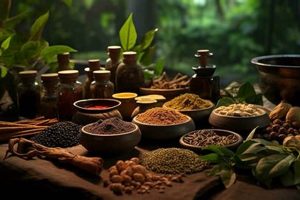
Iron deficiency or other underlying health issues can cause a condition characterized by a lower-than-normal count of red blood cells. Approaches using botanical remedies to potentially alleviate the symptoms or address the root causes associated with this condition have gained attention. These methods often involve consuming plants believed to be rich in iron or compounds that promote blood cell production.
Historically, numerous cultures have utilized plant-based solutions for various ailments, including blood-related disorders. The interest in these traditional practices stems from the perceived accessibility, affordability, and potentially fewer side effects compared to conventional pharmaceutical interventions. However, the efficacy and safety of these remedies require careful consideration and scientific validation.
The subsequent sections will delve into specific botanical agents traditionally employed, examine the proposed mechanisms of action, and discuss the available scientific evidence supporting or refuting their use. It is crucial to emphasize that any approach should be discussed with a qualified healthcare professional to ensure safety and avoid potential interactions with existing medications.
Guidance on Botanical Interventions for Anemia
The following recommendations provide insights into the utilization of plant-derived therapies for addressing anemia. These guidelines are intended for informational purposes only and do not substitute professional medical advice.
Tip 1: Prioritize Iron-Rich Botanicals: Incorporate plants with a high iron content into the dietary regimen. Examples include dark leafy greens, such as spinach and kale, and certain herbs.
Tip 2: Enhance Iron Absorption: Consume vitamin C-rich foods or supplements concurrently with iron-containing botanicals to improve the body’s ability to absorb the mineral. Citrus fruits and bell peppers are suitable choices.
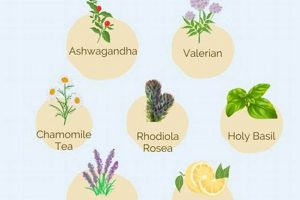
Tip 3: Consider Adaptogenic Herbs: Explore the potential benefits of adaptogenic herbs, which may support overall health and resilience. These can include plants traditionally believed to help the body adapt to stress, which may indirectly affect iron levels.
Tip 4: Be Aware of Potential Interactions: Research potential interactions between herbal supplements and pharmaceutical medications. Consult with a healthcare provider or qualified herbalist to ensure safety.
Tip 5: Emphasize a Balanced Diet: Ensure that plant-based strategies are part of a well-rounded diet that includes other essential nutrients, such as folate and vitamin B12, crucial for red blood cell formation.
Tip 6: Monitor Iron Levels Regularly: Undergo periodic blood tests to monitor iron levels and assess the effectiveness of interventions. Adjustments to the regimen may be necessary based on the results.
Tip 7: Use with Caution During Pregnancy: Exercise caution when using any botanical treatments during pregnancy. Consult with an obstetrician or qualified healthcare provider before initiating usage, as some herbs may pose risks.
Adherence to these recommendations, in conjunction with professional medical guidance, may contribute to the effective management of anemia. However, outcomes vary depending on individual factors and the underlying cause of the condition.
The following section will summarize the essential considerations for choosing and implementing botanical approaches.
1. Iron Bioavailability and Herbal Interventions for Anemia

Iron bioavailability, defined as the fraction of ingested iron available for absorption and utilization by the body, is a crucial determinant of the effectiveness of herbal interventions for anemia. Anemia, often resulting from iron deficiency, necessitates adequate iron intake to support hemoglobin synthesis and red blood cell production. While certain herbs are rich in iron, the extent to which this iron is bioavailable significantly impacts their therapeutic potential. For example, spinach, a commonly cited iron-rich herb, contains iron in a non-heme form, which is less readily absorbed compared to heme iron found in animal products. The presence of phytates and oxalates in spinach further inhibits iron absorption, reducing its overall bioavailability. Consequently, simply consuming iron-rich herbs does not guarantee adequate iron status, particularly in individuals with pre-existing iron deficiency.
Enhancing iron bioavailability from herbal sources often requires strategic dietary modifications. Consuming vitamin C-rich foods concurrently with iron-containing herbs can significantly improve iron absorption. Ascorbic acid acts as a reducing agent, converting ferric iron (Fe3+) to ferrous iron (Fe2+), the form more readily absorbed in the duodenum. Furthermore, avoiding the co-ingestion of substances known to inhibit iron absorption, such as tannins found in tea and coffee, can maximize the benefits of herbal interventions. In certain cases, herbal formulations may incorporate agents designed to enhance iron bioavailability, such as citric acid or specific amino acids. Understanding these interactions is critical for optimizing the therapeutic effects of herbal approaches.
In summary, while herbal remedies may offer a source of iron for individuals with anemia, the practical significance of these interventions hinges on the bioavailability of the iron they contain. Factors such as the type of iron present, the presence of absorption inhibitors, and concurrent dietary practices collectively influence the extent to which herbal remedies contribute to improved iron status. Addressing these considerations through informed dietary strategies and a comprehensive understanding of iron absorption mechanisms is essential for effectively utilizing herbal interventions in the management of anemia.
2. Herb Interactions

The interaction between various herbs and pharmaceuticals is a critical consideration when employing botanical remedies for anemia. Ignoring potential herb interactions can lead to reduced efficacy of conventional treatments, amplified side effects, or even severe adverse events. A thorough understanding of these interactions is paramount for ensuring patient safety.
- Cytochrome P450 Modulation
Many herbs can influence the activity of cytochrome P450 (CYP) enzymes, which play a crucial role in drug metabolism. Some herbs can inhibit CYP enzymes, leading to increased levels of concurrently administered drugs, potentially resulting in toxicity. Conversely, other herbs can induce CYP enzymes, leading to decreased drug levels and reduced efficacy. For example, St. John’s Wort, though not typically used directly for anemia, is a well-known CYP3A4 inducer and may decrease the effectiveness of iron supplements or other medications prescribed alongside botanical therapies. Similar considerations apply to other liver enzymes responsible for processing both prescribed and herbal substances.
- Interference with Iron Absorption
Certain herbs contain compounds that can inhibit iron absorption, thereby negating the intended benefits of iron-rich botanicals or supplements used to treat anemia. For instance, tannins, found in some herbal teas, bind to iron and prevent its absorption in the gastrointestinal tract. Consequently, the simultaneous consumption of these teas with iron-containing herbs can render the iron less bioavailable and less effective in addressing the anemic condition. A similar inhibitory mechanism could involve compounds that increase gut motility, thereby reducing the window in which absorption can occur.
- Potentiation of Anticoagulant Effects
Some herbs possess inherent anticoagulant properties. When combined with anticoagulant or antiplatelet medications, the risk of bleeding can be significantly increased. While not directly related to iron levels, bleeding exacerbates anemia. For example, herbs like garlic, ginger, and ginkgo, which are sometimes used for other health conditions, can potentiate the effects of drugs like warfarin or aspirin, posing a risk to individuals already vulnerable due to anemia or other bleeding disorders. This risk is heightened when anemic patients are also elderly or have other complicating health factors.
- Impact on Drug Transport Proteins
Herbs can interact with drug transport proteins, such as P-glycoprotein (P-gp), which are responsible for transporting drugs across cell membranes. These interactions can affect the absorption, distribution, and elimination of pharmaceutical agents. Certain herbs may inhibit P-gp, leading to increased drug concentrations in the body and a higher risk of side effects, or induce P-gp, causing decreased drug concentrations and reduced therapeutic effectiveness. These interactions can influence the efficacy and safety of medications used to manage anemia or associated conditions. As an example, a patient taking an herbal remedy to improve iron stores may also be taking a prescription medication, but if the absorption of that medication is reduced or increased due to the effects of an herbal supplement, it may impact patient health.
In conclusion, the potential for herb interactions should be thoroughly evaluated before incorporating botanical therapies into the treatment regimen for anemia. A comprehensive assessment of the patient’s medication history, including both prescription drugs and over-the-counter supplements, is essential. Consulting with a healthcare professional knowledgeable in both conventional and herbal medicine can help identify and mitigate potential risks, ensuring the safe and effective use of herbal remedies for anemia.
3. Dosage accuracy

Dosage accuracy is paramount in the safe and effective application of botanical treatments for anemia. The concentration of active compounds in herbal remedies can vary significantly, necessitating precise administration to achieve therapeutic benefits without causing adverse effects. This variability stems from factors such as plant species, growing conditions, harvesting methods, and preparation techniques, underscoring the need for standardized dosages.
- Variability in Active Compounds
The concentration of iron and other essential compounds in plants varies considerably. The specific botanical used, its age, and environmental conditions influence the amounts of these compounds. Wildcrafted herbs, in particular, can present significant challenges due to inconsistent levels of active constituents. Dosage accuracy requires accounting for these variations to ensure consistent delivery of therapeutic agents. For example, two samples of nettle, often used for anemia, could have vastly different iron levels, meaning taking equal amounts of each won’t have the same benefit.
- Standardization and Extraction Methods
Standardized herbal extracts offer a more consistent dosage compared to crude herbal preparations. Standardization involves quantifying specific active compounds in the extract, allowing for precise dosing. However, even standardized extracts may vary depending on the extraction methods used. Different solvents and extraction techniques can yield extracts with varying ratios of active and inactive compounds. This factor should be considered when determining the appropriate dosage for a particular herbal remedy.
- Individual Physiological Factors
Individual physiological factors such as age, weight, metabolism, and the severity of anemia impact the optimal dosage of herbal remedies. A dosage suitable for one individual may be ineffective or even harmful to another. Children, pregnant women, and individuals with underlying health conditions require careful dosage adjustments to minimize the risk of adverse effects. Furthermore, interactions with other medications or supplements can affect the absorption, metabolism, and excretion of herbal compounds, necessitating further dosage adjustments.
- Dosage Forms and Delivery Methods
The dosage form and delivery method influence the bioavailability and efficacy of herbal treatments. Herbal remedies are available in various forms, including capsules, tablets, tinctures, teas, and powders. The absorption rate and overall bioavailability of active compounds can vary significantly depending on the dosage form. For example, tinctures may offer faster absorption compared to capsules, while teas may have lower concentrations of active compounds. Precise dosage accuracy requires considering the specific dosage form and its impact on the delivery of therapeutic agents. This may be impacted by processing. If an herb is processed into a tincture, it may more easily be absorbed.
In conclusion, achieving dosage accuracy in botanical treatments for anemia necessitates careful consideration of factors such as variability in active compounds, standardization methods, individual physiological factors, and dosage forms. Precise dosing, guided by knowledgeable healthcare professionals, is essential for maximizing therapeutic benefits and minimizing the risk of adverse effects. Due to the unique considerations of herbal remedies, a healthcare professional can help ensure that one is receiving appropriate dosing when attempting herbal approaches.
4. Safety Profile

The safety profile of botanical remedies constitutes a critical element in their potential use for addressing anemia. Unlike pharmaceutical interventions, botanical treatments often contain a complex mixture of compounds, some of which may possess unknown or poorly characterized pharmacological properties. This complexity increases the potential for adverse effects, interactions with existing medications, and variations in response among individuals. Therefore, a thorough assessment of the safety profile is essential before incorporating herbal treatments into anemia management.
Several factors contribute to the safety profile of herbal remedies. These encompass the inherent toxicity of the plant species, the potential for contamination during harvesting or processing, and the likelihood of interactions with other medications or supplements. Some plants contain compounds that, even at therapeutic doses, can cause liver damage, kidney dysfunction, or cardiovascular complications. Contamination with heavy metals, pesticides, or microbial pathogens can further compromise the safety of herbal products. Moreover, certain herbs can interact with prescription medications, altering their metabolism or effects, potentially leading to harmful consequences. For instance, an individual taking an anticoagulant medication may experience an increased risk of bleeding if simultaneously consuming herbs with anticoagulant properties. Therefore, a meticulous evaluation of potential risks, including thorough research on the specific herb and its known interactions, is indispensable.
The safety profile of herbal treatments is not uniform across all individuals. Factors such as age, pregnancy, underlying health conditions, and genetic predispositions can influence an individual’s response to botanical remedies. Children and pregnant women are particularly vulnerable to the adverse effects of herbs due to their developing physiological systems. Individuals with liver or kidney disease may experience impaired metabolism or excretion of herbal compounds, increasing the risk of toxicity. In conclusion, a comprehensive understanding of the safety profile, coupled with individualized risk assessment and professional guidance, is crucial for ensuring the safe and effective use of botanical remedies in managing anemia. Employing high-quality, tested herbs and consulting with a qualified healthcare professional can aid in mitigating potential risks and optimizing therapeutic outcomes.
5. Underlying Cause
The selection and efficacy of botanical interventions for anemia are fundamentally dependent on identifying and addressing the underlying cause of the condition. Anemia is not a singular disease but rather a symptom stemming from diverse etiologies, including iron deficiency, vitamin deficiencies (B12, folate), chronic diseases, genetic disorders (thalassemia, sickle cell anemia), and blood loss. Employing a uniform botanical approach without considering the specific underlying cause can lead to ineffective treatment and potentially exacerbate the underlying condition. For example, anemia resulting from chronic kidney disease may necessitate different herbal strategies compared to iron deficiency anemia due to pregnancy. In the former case, herbs supporting kidney function and erythropoietin production might be considered, while in the latter, iron-rich herbs and those enhancing iron absorption would be more appropriate. The inappropriate application of herbal treatments, such as administering iron-rich herbs to an individual with thalassemia, could result in iron overload and subsequent organ damage.
A comprehensive diagnostic evaluation is therefore essential before initiating any herbal approach. This evaluation typically involves a complete blood count (CBC), iron studies (serum iron, ferritin, transferrin saturation), vitamin B12 and folate levels, and potentially further investigations to rule out chronic diseases, genetic disorders, or sources of blood loss. Once the underlying cause is identified, botanical interventions can be tailored to address the specific deficiency or imbalance contributing to the anemia. In cases of iron deficiency anemia, herbs like nettle, dandelion, and yellow dock, known for their iron content, can be incorporated into the treatment plan. However, it is crucial to assess factors such as iron bioavailability and potential interactions with other medications or supplements. For anemia caused by vitamin B12 deficiency, addressing the underlying malabsorption issue (e.g., pernicious anemia) is paramount. While certain herbs may provide supportive nutrients, they cannot replace the need for B12 supplementation, which may require injections or sublingual administration.
In summary, the effectiveness of botanical treatments for anemia hinges on accurately diagnosing the underlying cause of the condition. A targeted approach, based on a thorough diagnostic evaluation and tailored to address the specific etiology, is crucial for optimizing therapeutic outcomes and minimizing potential risks. Blindly applying herbal remedies without understanding the root cause can lead to ineffective treatment and potentially harmful consequences. Collaboration with a qualified healthcare professional is essential to ensure a safe and evidence-informed approach to managing anemia with botanical interventions.
6. Quality Control

Quality control is of paramount importance when considering botanical treatments for anemia. The complex nature of herbal products, from cultivation to processing, necessitates stringent quality control measures to ensure safety, efficacy, and consistency. The variability in plant species, growing conditions, harvesting methods, and manufacturing processes can significantly impact the composition and therapeutic properties of herbal remedies. Therefore, rigorous quality control protocols are indispensable for safeguarding patient health and promoting the responsible use of botanical treatments.
- Authentication and Identification
Accurate identification of plant species is crucial to prevent adulteration and substitution with related or unrelated species. Misidentification can lead to the use of ineffective or even toxic plants, posing serious health risks. Quality control measures include macroscopic and microscopic examination, as well as chemical fingerprinting techniques (e.g., chromatography, spectroscopy) to confirm the authenticity of the herbal material. Reputable suppliers will provide certificates of analysis and botanical identification reports.
- Contaminant Testing
Herbal products are susceptible to contamination with heavy metals (lead, mercury, cadmium, arsenic), pesticides, microbial pathogens (bacteria, fungi), and mycotoxins. These contaminants can originate from polluted soil, improper agricultural practices, or inadequate manufacturing processes. Quality control involves rigorous testing for these contaminants to ensure that herbal products meet established safety limits. Reputable manufacturers adhere to Good Manufacturing Practices (GMP) and conduct regular contaminant testing.
- Standardization of Active Compounds
Standardization involves quantifying specific active compounds in herbal extracts to ensure batch-to-batch consistency. The concentration of active compounds can vary significantly depending on factors such as plant variety, growing conditions, and extraction methods. Standardization aims to minimize this variability by specifying the minimum or maximum amount of key constituents. For example, an herbal extract of nettle intended for anemia may be standardized to a specific iron content or level of other relevant compounds.
- Stability Testing
Stability testing assesses the shelf life and degradation rate of herbal products under various storage conditions. Active compounds in herbal remedies can degrade over time, leading to a loss of efficacy. Stability testing involves monitoring the concentration of active compounds, as well as assessing physical and chemical changes in the product, to determine the appropriate expiration date. Proper packaging and storage conditions, such as protection from light and moisture, are essential for maintaining the stability and potency of herbal remedies.
In summary, robust quality control measures are essential for ensuring the safety, efficacy, and consistency of botanical treatments for anemia. Authentication, contaminant testing, standardization, and stability testing are critical components of a comprehensive quality control program. Consumers should seek out herbal products from reputable manufacturers that adhere to Good Manufacturing Practices and provide certificates of analysis to verify the quality and purity of their products. Consulting with a qualified healthcare professional knowledgeable in herbal medicine can further enhance the safe and effective use of botanical remedies for anemia.
Frequently Asked Questions
This section addresses common inquiries regarding the use of botanical treatments for anemia, offering objective and evidence-based information.
Question 1: Are botanical remedies a complete substitute for conventional anemia treatments?
Botanical interventions should not be considered a standalone replacement for conventional anemia treatments, particularly in severe cases. While certain herbs may provide supportive nutrients, they may not adequately address underlying medical conditions or severe deficiencies. A comprehensive medical evaluation is necessary to determine the most appropriate course of treatment.
Question 2: How can one assess the quality and safety of herbal products marketed for anemia?
The quality and safety of herbal products can be assessed by seeking products from reputable manufacturers that adhere to Good Manufacturing Practices (GMP). Look for third-party certifications and certificates of analysis that verify the product’s identity, purity, and potency. Avoid products with vague labeling or unsubstantiated claims.
Question 3: What are the potential risks or side effects associated with utilizing botanical treatments for anemia?
Botanical remedies can pose risks such as allergic reactions, gastrointestinal upset, and interactions with prescription medications. Some herbs may contain compounds that are toxic to the liver or kidneys. It is crucial to research potential risks and consult with a healthcare provider before initiating any herbal treatment.
Question 4: Can botanical treatments address all types of anemia, regardless of the underlying cause?
Botanical treatments are not universally effective for all types of anemia. The efficacy of herbal remedies depends on addressing the specific underlying cause of the anemia. For instance, iron-rich herbs may be beneficial for iron deficiency anemia, but ineffective for anemia caused by vitamin B12 deficiency or chronic disease.
Question 5: What is the recommended dosage for herbal remedies used to treat anemia?
The appropriate dosage for herbal remedies varies depending on the specific herb, the individual’s health status, and other factors. It is essential to follow the dosage instructions provided by a qualified healthcare professional or reputable herbalist. Avoid self-treating with high doses of herbal remedies, as this can increase the risk of adverse effects.
Question 6: How long does it typically take to observe improvements in anemia symptoms with botanical treatments?
The time it takes to observe improvements in anemia symptoms with botanical treatments varies depending on the individual’s response, the severity of the anemia, and the specific herbs used. Some individuals may experience noticeable improvements within a few weeks, while others may require several months of consistent treatment. Regular monitoring of blood counts is necessary to assess the effectiveness of the treatment.
In summary, the utilization of botanical treatments for anemia requires careful consideration of factors such as product quality, potential risks, and the underlying cause of the condition. A collaborative approach with a qualified healthcare provider is essential for ensuring safe and effective management of anemia.
The subsequent section will present concluding thoughts on the topic.
Conclusion
This exploration of botanical interventions for anemia reveals a landscape of both potential and complexity. While certain herbs have demonstrated promise in addressing iron deficiency and supporting red blood cell production, their efficacy is contingent upon accurate diagnosis of the underlying cause, rigorous quality control, and careful consideration of potential interactions. Dosage accuracy and individual safety profiles further contribute to the nuanced nature of this therapeutic approach. The information indicates the importance of a multifaceted analysis when considering plant-based therapies for this condition.
Given the inherent variability in herbal products and the potential for adverse effects, it is incumbent upon both healthcare professionals and individuals to exercise prudence and prioritize evidence-based decision-making. Further research is needed to fully elucidate the mechanisms of action, optimal dosages, and long-term safety of specific botanical remedies. Consultation with a qualified healthcare provider remains an essential step in ensuring safe and effective management of anemia, whether through conventional or complementary approaches.