Certain plant-derived infusions, commonly consumed as beverages, are contraindicated during gestation due to potential adverse effects on the pregnancy and the developing fetus. These infusions contain bioactive compounds that may possess emmenagogue, abortifacient, or teratogenic properties, making their consumption a risk factor for complications. For example, some preparations traditionally used to stimulate menstruation should be strictly avoided.
The importance of identifying and avoiding these specific infusions lies in safeguarding maternal and fetal health. Historical practices, where knowledge of plant properties was less refined, may have inadvertently led to negative outcomes. Modern scientific understanding allows for a more informed approach, highlighting the necessity of carefully evaluating the composition and potential effects of herbal preparations consumed during pregnancy. This understanding is essential for promoting healthy pregnancies and reducing the risk of adverse outcomes.
The following discussion will outline specific herbal infusions recognized as potentially harmful during gestation, detailing their known properties and the associated risks. This information aims to provide clarity and support informed decision-making regarding beverage choices throughout pregnancy.
Important Considerations Regarding Herbal Infusions During Pregnancy
The following guidelines address the careful selection of herbal infusions during gestation, prioritizing maternal and fetal well-being. Adherence to these recommendations minimizes potential risks associated with certain plant-based beverages.
Tip 1: Consultation with a Healthcare Provider: Prior to consuming any herbal infusion during pregnancy, consult with a qualified healthcare professional, such as an obstetrician or a registered herbalist. This consultation facilitates personalized advice based on individual health conditions and pregnancy status.
Tip 2: Identification of Potentially Harmful Herbs: Become familiar with herbs known to possess emmenagogue, abortifacient, or teratogenic properties. Examples include, but are not limited to, pennyroyal, blue cohosh, and mugwort. Avoid infusions containing these substances.
Tip 3: Scrutiny of Product Labels: Carefully examine the labels of all herbal teas and infusions. Ensure complete transparency regarding the ingredients. Exercise caution if the ingredient list is vague or incomplete.
Tip 4: Prioritization of Single-Ingredient Infusions: Opt for single-ingredient herbal infusions whenever possible. This approach simplifies the identification of potential allergens or contraindications and reduces the risk of unintended interactions between multiple herbs.
Tip 5: Moderation in Consumption: Even when consuming herbs generally considered safe, practice moderation. Excessive intake of any herbal substance may pose unforeseen risks during pregnancy.
Tip 6: Awareness of Potential Drug Interactions: Recognize that herbal substances may interact with prescription or over-the-counter medications. Disclose all herbal consumption to healthcare providers to facilitate monitoring for potential adverse interactions.
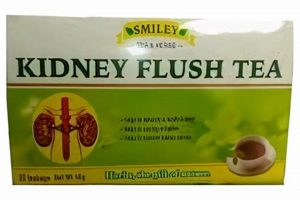
Tip 7: Avoidance of Teas Marketed for Weight Loss or Detoxification: Refrain from consuming herbal teas marketed for weight loss or detoxification during pregnancy. These preparations often contain potent ingredients that may be detrimental to maternal and fetal health.
By adhering to these guidelines, expectant individuals can make informed decisions regarding herbal infusion consumption, minimizing the potential for adverse effects and promoting a healthier pregnancy.
The subsequent sections will elaborate on specific herbs to avoid and provide resources for further information and professional guidance.
1. Abortifacient Properties

Abortifacient properties in herbal infusions represent a critical consideration during gestation. Certain plant-derived compounds possess the capacity to induce termination of pregnancy, posing a significant risk to fetal viability. This characteristic necessitates careful scrutiny of herbal tea ingredients by expectant individuals.
- Mechanism of Action: Uterine Contractions
Several herbs with abortifacient potential exert their effects by stimulating uterine contractions. These contractions can dislodge the developing embryo or fetus from the uterine lining, leading to pregnancy loss. Herbs like pennyroyal contain compounds, such as pulegone, that trigger this physiological response.
- Hormonal Interference: Progesterone Antagonism
Progesterone plays a crucial role in maintaining pregnancy. Some herbal constituents exhibit anti-progesterone activity, disrupting the hormonal milieu required for a viable gestation. This interference can destabilize the uterine lining and increase the risk of spontaneous abortion. Specific plants, though not always consumed as tea, illustrate this mechanism through compounds affecting progesterone receptor binding.
- Emmenagogue Effects: Stimulation of Menstruation
Emmenagogue herbs promote menstrual flow. While not always directly abortifacient, strong emmenagogue effects can disrupt early pregnancy when the uterine lining is still highly sensitive. The increased blood flow and uterine activity associated with emmenagogue herbs, such as mugwort, can potentially compromise the developing embryo.
- Direct Toxicity: Embryonic or Fetal Damage
Certain plant constituents exhibit direct toxicity to the developing embryo or fetus. These compounds can interfere with cellular processes, leading to developmental abnormalities or pregnancy termination. While less common in widely consumed teas, concentrated herbal preparations may pose this risk.
The presence of abortifacient properties in herbal infusions underscores the importance of thorough research and consultation with healthcare professionals before consuming any herbal product during pregnancy. Understanding the mechanisms by which these herbs can disrupt pregnancy is crucial for making informed decisions and prioritizing maternal and fetal health.
2. Emmenagogue Effects

The emmenagogue properties of certain herbal infusions are of significant concern during gestation. These properties denote an herb’s ability to stimulate or increase menstrual flow, a physiological action that can pose substantial risks to a developing pregnancy. Understanding the mechanisms and implications of emmenagogue effects is crucial when considering which herbal teas to avoid during this sensitive period.
- Stimulation of Uterine Contractions
Many herbs categorized as emmenagogues induce uterine contractions. These contractions can disrupt the implantation of a fertilized egg or, later in pregnancy, potentially lead to premature labor or miscarriage. Historically, some herbs with this effect were intentionally used to induce abortion, highlighting the inherent danger associated with their consumption during pregnancy. Examples include pennyroyal and rue, both known for their potent effect on uterine muscles.
- Alteration of Hormonal Balance
Emmenagogue herbs can influence hormonal balance, particularly by affecting estrogen levels. These hormonal shifts can destabilize the endometrial lining, creating an unfavorable environment for a developing fetus. The delicate hormonal equilibrium required for maintaining a healthy pregnancy can be easily disrupted by substances that promote menstruation. Herbs such as mugwort are thought to influence hormonal pathways, potentially compromising a pregnancy.
- Increased Pelvic Blood Flow
Emmenagogues often increase blood flow to the pelvic region, which, while beneficial in some contexts, can be problematic during pregnancy. This heightened blood flow may lead to increased uterine activity and potentially compromise the attachment of the placenta. The increased vascular activity associated with these herbs can contribute to an unstable gestational environment, particularly during the early stages of pregnancy.
- Potential for Interaction with Pregnancy Medications
The effects of emmenagogue herbs can be further complicated by potential interactions with medications commonly prescribed during pregnancy. These interactions may exacerbate the risks associated with emmenagogue activity, leading to unpredictable and potentially harmful outcomes. The combined effect of herbal emmenagogues and pharmaceutical interventions requires careful consideration and professional medical guidance.
The potential consequences of consuming herbal teas with emmenagogue properties during pregnancy underscore the necessity of thorough research and consultation with healthcare providers. The risks associated with these herbs extend beyond simply stimulating menstrual flow; they involve complex physiological effects that can compromise the viability of a pregnancy. Therefore, a conservative approach is warranted, with a clear understanding of the potential dangers inherent in the consumption of such herbal infusions.
3. Teratogenic Risks

Teratogenic risks associated with certain herbal infusions necessitate their avoidance during pregnancy. Teratogenicity refers to the capacity of a substance to cause developmental malformations in a developing embryo or fetus. The consumption of herbal teas containing teratogenic compounds during gestation can lead to a spectrum of birth defects, impacting various organ systems and potentially resulting in lifelong disabilities. Understanding the specific teratogenic risks posed by different herbs is crucial for informed decision-making and safeguarding fetal health. For example, although not strictly a tea, the historical use and documented teratogenic effects of certain plant extracts should inform caution regarding similar, potentially less well-studied, herbal preparations. The causative link between specific herbal constituents and developmental anomalies underscores the importance of rigorous safety evaluation and comprehensive labeling of herbal products intended for human consumption, particularly those marketed towards pregnant individuals.
The impact of teratogenic herbal compounds on fetal development can manifest in various ways, depending on the timing of exposure and the specific agent involved. Exposure during organogenesis, the period of active organ formation in the first trimester, carries the highest risk of major structural abnormalities. Later exposure may result in functional deficits or growth retardation. Examples of potential teratogenic effects include neural tube defects, congenital heart defects, limb malformations, and cognitive impairments. While definitive human studies are often lacking due to ethical considerations, animal studies and case reports provide evidence of the potential harm posed by certain herbal constituents. The importance of preventing exposure to these substances cannot be overstated, as the consequences can be devastating and irreversible.
In summary, teratogenic risks represent a critical aspect of the discussion surrounding herbal infusions and pregnancy. The potential for developmental malformations underscores the need for caution, research, and consultation with healthcare professionals. Challenges remain in fully characterizing the teratogenic potential of all herbal substances and in ensuring accurate labeling and regulation of herbal products. However, a proactive approach that prioritizes fetal safety and informed decision-making is essential for minimizing the risk of adverse pregnancy outcomes related to herbal tea consumption. The avoidance of herbal teas with known or suspected teratogenic properties is a fundamental aspect of prenatal care and contributes to the well-being of both mother and child.
4. Uterine Stimulants

Uterine stimulants constitute a critical component within the broader category of herbal teas to avoid during gestation. These substances, present in certain herbal infusions, possess the inherent capacity to induce or amplify uterine contractions. The connection between uterine stimulants and adverse pregnancy outcomes stems directly from this pharmacological action. Increased uterine activity can disrupt the implantation process in early pregnancy, potentially leading to miscarriage. Later in gestation, premature labor or even placental abruption may occur as a consequence of uncontrolled uterine contractions. For example, certain preparations traditionally employed to induce labor, while sometimes used under strict medical supervision, are unequivocally contraindicated without such oversight due to the unpredictable and potentially dangerous effects of uncontrolled uterine stimulation.
The practical significance of understanding the effects of uterine stimulants lies in the ability to make informed choices regarding beverage consumption throughout pregnancy. Recognizing that certain herbs, such as blue cohosh, contain compounds that directly influence uterine musculature enables expectant individuals to proactively avoid preparations containing these substances. Furthermore, an awareness of the potential for synergistic effects, where multiple herbs with mild uterine-stimulating properties combine to produce a significant pharmacological response, underscores the importance of scrutinizing ingredient lists and consulting with healthcare providers. The regulatory landscape regarding herbal products often lacks the stringent oversight applied to pharmaceuticals, necessitating a heightened level of vigilance on the part of the consumer.
In summary, uterine stimulants represent a significant category of herbal constituents to avoid during pregnancy due to their potential to induce adverse effects ranging from miscarriage to premature labor. The lack of comprehensive regulatory oversight necessitates a proactive approach based on informed decision-making and consultation with qualified healthcare professionals. The practical benefits of understanding the potential risks posed by uterine stimulants far outweigh the perceived advantages of consuming herbal infusions with unknown or poorly documented safety profiles during this critical period of fetal development.
5. Hormonal Disruptors

Hormonal disruptors found within certain herbal infusions present a significant concern during pregnancy. These substances interfere with the endocrine system, potentially affecting maternal and fetal health. Understanding the mechanisms and implications of hormonal disruption is crucial for informed decision-making regarding herbal tea consumption during gestation.
- Estrogenic Effects
Some herbal teas contain compounds with estrogenic activity, mimicking or modulating the effects of estrogen in the body. Excessive estrogenic stimulation can disrupt the delicate hormonal balance required for maintaining pregnancy, potentially leading to complications such as miscarriage or preterm labor. For instance, certain licorice extracts, while not always consumed as tea, contain glycyrrhizic acid, which can affect estrogen metabolism. The long-term implications of estrogenic disruption on fetal development are also a consideration.
- Anti-Androgenic Effects
Conversely, other herbal constituents exhibit anti-androgenic properties, blocking or inhibiting the action of androgens such as testosterone. During pregnancy, normal androgen levels are essential for the proper development of male fetuses. Exposure to anti-androgenic compounds can potentially lead to reproductive abnormalities. Examples of herbs with potential anti-androgenic activity warranting further research include those containing high concentrations of phytoestrogens.
- Thyroid Hormone Interference
Certain herbal constituents can interfere with thyroid hormone production or metabolism. Thyroid hormones play a critical role in fetal brain development, and disruptions in thyroid function can have severe consequences. Excessive iodine intake from herbal sources, for example, can lead to thyroid dysfunction in both the mother and the fetus. Prudent avoidance of herbs known to affect thyroid function is advisable during pregnancy.
- Progesterone Modulation
Progesterone is essential for maintaining the uterine lining and supporting early pregnancy. Some herbal compounds can affect progesterone levels or interfere with progesterone receptor binding, potentially destabilizing the pregnancy. Herbs traditionally used to regulate menstruation may exert effects on progesterone pathways and should be avoided. Rigorous investigation into the effects of specific herbs on progesterone function is necessary.
In summary, hormonal disruptors in herbal teas represent a multifaceted risk during pregnancy. The potential for estrogenic, anti-androgenic, thyroid-interfering, and progesterone-modulating effects underscores the need for careful consideration of herbal tea ingredients. The complex interplay between herbal constituents and the endocrine system necessitates a cautious approach, prioritizing the avoidance of teas with known or suspected hormonal disrupting properties to safeguard maternal and fetal well-being.
Frequently Asked Questions
This section addresses common inquiries and concerns regarding the consumption of herbal teas during gestation. The information provided aims to clarify potential risks and guide informed decision-making.
Question 1: Why is it necessary to avoid certain herbal teas during pregnancy?
Specific herbal teas contain compounds that can adversely affect the pregnancy, the developing fetus, or both. These compounds may possess emmenagogue, abortifacient, teratogenic, or hormonal disrupting properties, increasing the risk of complications.
Question 2: What are some specific examples of herbal teas that should be avoided during pregnancy?
Examples include, but are not limited to, teas containing pennyroyal, blue cohosh, mugwort, and high concentrations of licorice. The effects of these herbs can range from stimulating uterine contractions to interfering with hormonal balance and potentially causing developmental abnormalities.
Question 3: How can one determine if a specific herbal tea is safe to consume during pregnancy?
The safest course of action is to consult with a qualified healthcare professional, such as an obstetrician or registered herbalist, before consuming any herbal tea during pregnancy. Product labels should be carefully scrutinized, and caution should be exercised if the ingredient list is vague or incomplete.
Question 4: Are all herbal teas unsafe for consumption during pregnancy?
No, not all herbal teas are inherently unsafe. However, the risks associated with certain herbs warrant caution. Some herbal teas, such as chamomile or ginger, are often considered safe in moderation, but consultation with a healthcare provider is still recommended.
Question 5: Can even small amounts of potentially harmful herbal teas affect a pregnancy?
The effects of herbal teas depend on various factors, including the concentration of active compounds, the frequency of consumption, and individual sensitivity. While small amounts may not always cause harm, it is prudent to avoid potentially harmful herbs altogether to minimize risks.
Question 6: Where can reliable information about the safety of specific herbal teas during pregnancy be found?
Consultation with a healthcare professional is the most reliable source of information. Additionally, reputable organizations focused on herbal medicine and pregnancy may offer evidence-based guidance. Reliance on anecdotal evidence or unverified sources should be avoided.
This information is intended for educational purposes and should not be considered medical advice. Always consult with a healthcare professional regarding any health concerns or before making any decisions related to pregnancy care.
The next section will provide resources for further research and professional consultation.
Conclusion
This exploration has underscored the importance of exercising caution when considering the consumption of herbal teas during gestation. Specific preparations contain bioactive compounds with the potential to induce adverse effects on both maternal and fetal well-being. The emmenagogue, abortifacient, teratogenic, and hormonal disrupting properties of certain herbs present tangible risks that necessitate informed decision-making and, in many instances, complete avoidance. The potential consequences of consuming contraindicated herbal teas range from miscarriage to developmental abnormalities, highlighting the severity of the threat.
The absence of stringent regulatory oversight in the herbal products industry mandates a proactive approach. Expectant individuals must prioritize consultation with qualified healthcare professionals, scrutinize product labels meticulously, and exercise a healthy degree of skepticism regarding claims of safety or efficacy. While some herbal teas may be considered benign, the potential for harm outweighs any perceived benefit when the health of the developing fetus is at stake. Vigilance and informed caution remain paramount for ensuring a safe and healthy pregnancy.