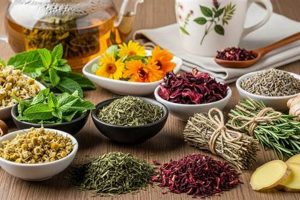
A beverage category exists that encompasses both true tea leaves, processed from the Camellia sinensis plant and oxidized to create a dark brew, alongside infusions derived from herbs, spices, flowers, and fruits. The former offers a robust flavor profile often associated with caffeine content, while the latter provides a caffeine-free alternative with diverse taste sensations depending on the botanical ingredients used.
The significance of these drinks lies in their varied consumption purposes. The oxidized-leaf variety is commonly chosen for its stimulating properties and potential health benefits linked to antioxidant compounds. Herbal infusions are often selected for relaxation, digestive support, or specific therapeutic qualities attributed to the individual herbs included in the blend. Historically, both types have played roles in cultural traditions and medicinal practices across different societies.
The following sections will explore the characteristics, production methods, and potential health implications associated with both the oxidized-leaf beverage and the diverse world of botanical infusions. Consideration will be given to variations in flavor profiles, brewing techniques, and the specific properties of common ingredients.
Preparation and Consumption Guidance
Optimizing the experience requires attention to factors such as water temperature, steeping time, and appropriate ingredient selection.
Tip 1: Source Quality Ingredients. The flavor and potential benefits are directly influenced by the quality of the Camellia sinensis leaves or the herbs included. Opt for reputable suppliers.
Tip 2: Control Water Temperature. Boiling water can scorch the oxidized-leaf beverage, leading to a bitter taste. Use water that is slightly below boiling (around 200-212F or 93-100C). Herbal infusions are generally more forgiving, but respecting recommended temperatures for specific herbs enhances flavor extraction.
Tip 3: Adhere to Steeping Times. Over-steeping results in bitterness. Generally, oxidized-leaf varieties require 3-5 minutes. Herbal infusions vary, often between 5-10 minutes, depending on the herb’s density.
Tip 4: Utilize Appropriate Vessels. Teapots made of ceramic, glass, or cast iron are suitable. Avoid reactive metals that can alter the beverage’s flavor profile.
Tip 5: Consider Water Filtration. Minerals present in tap water can impact taste. Using filtered water often results in a cleaner, more nuanced flavor.
Tip 6: Be Mindful of Caffeine Content. Oxidized-leaf varieties contain caffeine. Adjust consumption according to individual tolerance levels, particularly in the evening hours.
Tip 7: Explore Flavor Pairings. Experiment with additions like lemon, honey, or spices to enhance or complement existing flavors. Consider pairings based on the inherent flavor profiles of the beverages.
Proper sourcing, preparation, and mindful consumption contribute to a more fulfilling experience and maximize the potential benefits associated with these beverages.
The subsequent section will provide an overview of potential health considerations and relevant research findings.
1. Oxidation Levels

Oxidation level is a critical factor differentiating true tea from herbal infusions and influencing the final characteristics when these are combined. Oxidation, a chemical reaction involving enzymes and air, fundamentally alters the tea leaf’s composition, impacting its color, flavor, and chemical properties. The degree of oxidation is a primary determinant of tea categorization, specifically in the context of true teas from the Camellia sinensis plant. Understanding the role of oxidation is key to appreciating the complexities introduced when true tea with varying levels is combined with herbal infusions.
- Impact on Flavor Profile
Oxidation directly affects the flavor compounds developed in tea leaves. Unoxidized or lightly oxidized teas, such as green or white tea, exhibit grassy or vegetal notes. In contrast, fully oxidized teas, like black tea, develop richer, malty, or even slightly fruity flavors. When blended with herbal infusions, the oxidation level of the tea base will either complement or contrast with the herbal flavors, creating distinct profiles. A lightly oxidized tea might pair well with delicate floral herbs, while a fully oxidized tea may better balance robust spices.
- Influence on Color and Aroma
The color of both the dry leaf and the brewed liquor is heavily influenced by oxidation. Green teas retain a greenish hue, while black teas are dark brown or black. This visual element contributes to the overall sensory experience of the beverage. Similarly, the aroma of the tea changes with oxidation, from fresh and grassy in unoxidized teas to rich and complex in oxidized teas. When blended with herbal infusions, the resulting color and aroma become a combination of both components, offering a varied palette for sensory enjoyment.
- Effect on Chemical Composition
Oxidation alters the chemical composition of tea leaves, specifically affecting the concentration of polyphenols, tannins, and other compounds. These changes impact the beverage’s astringency, mouthfeel, and potential health benefits. For example, black tea, due to its full oxidation, contains theaflavins and thearubigins, compounds believed to have antioxidant properties. The oxidation level of the tea combined with the bioactive compounds from the herbs in the infusion creates complex interactions, influencing the overall health-related properties of the blend.
- Considerations for Blending
When blending true tea with herbal infusions, the tea’s oxidation level must be considered to achieve the desired flavor balance and effect. A fully oxidized black tea might overwhelm delicate herbal flavors if not carefully proportioned. Conversely, a green tea base might be too subtle to carry the stronger flavors of certain herbs. Therefore, understanding the oxidation level allows for intentional blending to create harmonious and balanced beverages.
The oxidation level of the tea component in true tea and herbal infusion blends is not merely a technical detail; it’s a foundational element that shapes the overall sensory experience and potential health benefits. By carefully considering the oxidation level, blenders can create beverages that offer unique and desirable characteristics, catering to a wide range of preferences and needs. Further, understanding oxidation levels helps the consumer choose a true tea that will best complement the specific herbal infusion they want to create.
2. Botanical Sources

Botanical sources constitute a critical element in defining the characteristics and diversity observed in mixtures of oxidized Camellia sinensis preparations and herbal infusions. These sources directly influence flavor profiles, potential therapeutic properties, and overall sensory experiences associated with such beverages. Understanding the origins and properties of these botanicals is essential for comprehending the complexity and potential benefits of these blends.
- Variety of Herbal Components
Herbal infusions derive their essence from a wide array of plant sources, including leaves, flowers, roots, seeds, and fruits. Examples include chamomile flowers (Matricaria chamomilla) for relaxation, peppermint leaves (Mentha piperita) for digestive support, ginger root (Zingiber officinale) for anti-inflammatory effects, and rose hips (Rosa canina) for vitamin C content. The selection of specific herbs determines the final flavor profile and intended health benefits of the infusion. When combined with oxidized Camellia sinensis, these herbal components contribute to a complex flavor profile that may exhibit floral, spicy, or fruity notes.
- Influence on Flavor Profiles
Each botanical source imparts a unique flavor to the resulting infusion. Lavender flowers (Lavandula angustifolia) contribute a floral and slightly sweet flavor, while lemon balm (Melissa officinalis) offers a citrusy and refreshing taste. The flavor profile of the herbal component can either complement or contrast with the characteristics of oxidized Camellia sinensis. A robust black tea base may be paired with spices such as cinnamon (Cinnamomum verum) or cloves (Syzygium aromaticum) to create a warming and complex beverage, while a lighter black tea could be blended with delicate floral herbs for a more subtle flavor profile.
- Therapeutic Properties of Botanicals
Beyond flavor, botanical sources often possess inherent therapeutic properties due to the presence of bioactive compounds. Peppermint, for example, contains menthol, which can help relieve digestive discomfort. Chamomile contains apigenin, a compound known for its calming effects. When combined with oxidized Camellia sinensis, which also contains antioxidants and other beneficial compounds, the resulting beverage may offer a synergistic effect, potentially enhancing the overall health benefits. The selection of specific botanicals based on their known therapeutic properties is a key consideration in crafting functional beverages.
- Geographical Origin and Cultivation Practices
The geographical origin and cultivation practices of botanical sources can significantly impact their quality and flavor. Herbs grown in optimal conditions and harvested at the right time tend to exhibit superior flavor and higher concentrations of bioactive compounds. Organic cultivation practices ensure that the herbs are free from pesticides and other harmful chemicals, further enhancing their quality. When sourcing botanicals for blending, it is essential to consider their origin and cultivation methods to ensure a consistent and high-quality product.
The careful selection and understanding of botanical sources is crucial for crafting and appreciating herbal-infused teas. By considering the variety of herbal components, their influence on flavor profiles, potential therapeutic properties, and the impact of geographical origin and cultivation practices, a more informed approach to blending oxidized Camellia sinensis with herbal infusions can be achieved, resulting in beverages that are both flavorful and potentially beneficial to health.
3. Flavor profiles
The intersection of flavor profiles and beverages involving oxidized Camellia sinensis and herbal infusions presents a complex interplay of taste sensations, driven by chemical compounds inherent to each component. The flavor profile, characterized by specific aromatic and taste attributes, is a primary determinant of consumer preference and the perceived quality of the final product. The composition of a specific mixture directly impacts the overall sensory experience, necessitating a careful consideration of flavor interactions.
The oxidized Camellia sinensis preparations exhibit flavor notes ranging from malty and robust to slightly fruity or smoky, contingent upon oxidation levels and processing techniques. In contrast, herbal infusions introduce a diverse spectrum of tastes, encompassing floral, spicy, citrusy, and earthy elements depending on the specific botanical ingredients. The strategic combination of these distinct profiles enables the creation of beverages with tailored flavor nuances. For instance, pairing a brisk Assam with warming spices such as cinnamon and cloves yields a beverage with a strong, comforting flavor, suitable for colder climates. Conversely, a lighter Ceylon blend may complement the delicate floral notes of chamomile, producing a calming and aromatic drink.
Understanding the individual flavor contributions and potential interactions is essential for successful blending. Achieving a harmonious balance requires a keen awareness of how different compounds interact, either enhancing or suppressing specific tastes. A nuanced understanding allows for the creation of beverages that cater to diverse palates and preferences. The flavor profile, therefore, becomes the guiding principle in the development and marketing of beverages incorporating oxidized Camellia sinensis and herbal infusions, influencing product formulation, consumer perception, and market success.
4. Blending techniques

Blending techniques are critical in determining the final characteristics of preparations that combine oxidized Camellia sinensis (commonly referred to as black tea) with herbal infusions. The efficacy of these techniques directly influences the flavor profile, aroma, therapeutic properties, and overall consumer acceptance of the resultant beverage. Ineffective blending can result in unbalanced flavors, muted aromas, and a reduction in the intended health benefits, while strategic blending can amplify desirable characteristics and create novel taste experiences. For example, a common practice involves adding dried peppermint leaves to a robust Assam tea. The peppermint’s cooling effect can temper the Assam’s inherent tannins, resulting in a more palatable drink. Incorrect ratios, however, can lead to an overpowering mint flavor that masks the tea’s complexity.
Several factors dictate optimal blending techniques. These include the particle size of the individual ingredients, the order in which ingredients are combined, and the application of heat or moisture during the blending process. Uniform particle size ensures consistent distribution of flavor and aroma. The sequence in which ingredients are combined can affect the integration of flavors; for instance, introducing delicate floral herbs after a base blend has been established may preserve their volatile oils. Certain techniques utilize gentle heating or the addition of moisture to promote cohesion between disparate ingredients, enhancing flavor melding. The commercial production of blended teas often employs ribbon blenders or rotating drums to achieve thorough mixing while minimizing damage to delicate components. Another consideration is the potential for ingredient stratification during storage. Proper packaging and handling are essential to maintain blend homogeneity and prevent flavor drift over time.
In summary, blending techniques represent a crucial control point in the creation of successful mixtures. Understanding the specific properties of both oxidized Camellia sinensis and the chosen herbal infusions, along with the impact of various blending methodologies, is paramount to achieving desired sensory and therapeutic outcomes. While challenges related to ingredient variability and maintaining blend consistency exist, continuous refinement of blending practices contributes to the broader availability and appeal of blended beverages. Ultimately, successful integration relies on a combination of scientific understanding and artisan skill.
5. Therapeutic properties
The therapeutic properties attributed to combinations are multifaceted, stemming from the bioactive compounds present in both the oxidized Camellia sinensis component and the specific herbal infusions included. These properties range from antioxidant and anti-inflammatory effects to potential benefits in cardiovascular health and stress reduction. The precise therapeutic impact is contingent upon the specific composition of the beverage, as the active compounds in the tea and herbs interact synergistically or antagonistically. For instance, a blend of black tea with ginger may exhibit enhanced anti-inflammatory properties compared to either ingredient consumed independently. Conversely, combining certain herbs known to interact with medications alongside black tea could pose potential risks, underscoring the need for informed consumption.
The importance of understanding these therapeutic properties lies in the potential for targeted health benefits. Consumers may select specific blends with the intention of addressing particular health concerns. For example, individuals seeking relaxation may choose combinations containing chamomile or lavender, while those aiming to boost their immune system may opt for blends with echinacea or elderberry. Real-life examples include the use of black tea with ginger for alleviating nausea or the consumption of black tea with lemon balm to promote sleep. However, it is crucial to acknowledge that scientific evidence supporting all claimed therapeutic benefits is not uniformly robust. Rigorous clinical trials are often lacking, and findings may be preliminary or conflicting, highlighting the need for cautious interpretation and reliance on evidence-based information.
In summary, the therapeutic properties of combinations are a significant consideration for both consumers and manufacturers. While these beverages offer potential health benefits due to the bioactive compounds present, it is essential to approach claims with discernment and to prioritize evidence-based information. Challenges remain in fully elucidating the complex interactions between tea and herbal components and in conducting comprehensive clinical trials to validate purported benefits. Nonetheless, the understanding and responsible utilization of therapeutic properties represent a key aspect of appreciating the value and potential of these beverages.
6. Caffeine content

Caffeine content represents a critical distinction when considering combinations of oxidized Camellia sinensis preparations and herbal infusions. This factor significantly influences the physiological effects, consumption patterns, and suitability of these beverages for specific individuals. The presence of caffeine in the oxidized Camellia sinensis component contrasts sharply with the inherently caffeine-free nature of most herbal infusions, necessitating careful consideration when blending and consuming these beverages.
- Source of Caffeine
Caffeine in these preparations originates exclusively from the oxidized Camellia sinensis leaves. The caffeine concentration varies depending on factors such as the specific Camellia sinensis cultivar, leaf grade, processing method, and brewing parameters. Herbal infusions, by definition, are derived from plants other than Camellia sinensis and do not naturally contain caffeine. Therefore, the overall caffeine content of a blend is directly proportional to the amount of oxidized Camellia sinensis present. For example, a blend with a higher proportion of black tea will have a correspondingly higher caffeine level.
- Physiological Effects
Caffeine acts as a stimulant on the central nervous system, leading to increased alertness, reduced fatigue, and enhanced cognitive function. However, excessive caffeine consumption can result in adverse effects, including anxiety, insomnia, and gastrointestinal distress. The physiological effects of preparations are thus dependent on the caffeine concentration contributed by the oxidized Camellia sinensis. Herbal infusions, being caffeine-free, offer an alternative for individuals seeking to avoid these stimulatory effects or reduce their caffeine intake. A blend of black tea with chamomile, for example, may offer a compromise, providing a mild caffeine boost alongside the calming effects of chamomile.
- Blending Strategies
Blending oxidized Camellia sinensis with herbal infusions allows for the modulation of caffeine content in the final beverage. By adjusting the ratio of tea to herbs, manufacturers and consumers can tailor the caffeine level to suit individual preferences and needs. For example, blending a small amount of strong black tea with a larger proportion of rooibos (a caffeine-free herb) can create a beverage with a reduced caffeine content while still providing some of the flavor characteristics associated with black tea. This blending strategy is particularly relevant for individuals who are sensitive to caffeine or who wish to enjoy a warm beverage in the evening without disrupting their sleep.
- Consumer Considerations
Consumers should be aware of the caffeine content in blends of oxidized Camellia sinensis and herbal infusions, especially if they have sensitivities or medical conditions that are affected by caffeine. Product labeling should accurately reflect the caffeine levels in these beverages. Individuals who are pregnant, breastfeeding, or have underlying cardiovascular conditions should consult with healthcare professionals regarding appropriate caffeine intake. Choosing caffeine-free herbal infusions provides a risk-free alternative for these individuals. A consumer with anxiety, for example, might opt for a pure chamomile infusion over a black tea blend to avoid potential exacerbation of symptoms.
The careful consideration of caffeine content is essential when blending and consuming oxidized Camellia sinensis with herbal infusions. Understanding the source of caffeine, its physiological effects, blending strategies for modulating caffeine levels, and relevant consumer considerations allows for informed choices that optimize both the flavor and health benefits of these beverages. While oxidized Camellia sinensis provides caffeine, blending with herbal infusions allows consumers to control their intake and find blends suited to their needs.
7. Brewing methods
Brewing methods significantly influence the extraction of flavor compounds and bioactive substances from both oxidized Camellia sinensis and herbal infusions. The specific parameters of brewing, including water temperature, steeping time, and the use of various brewing vessels, directly impact the resulting beverage’s taste, aroma, and potential therapeutic effects. The interactions between these parameters and the individual components dictate the overall quality and intended purpose of the final preparation. For instance, improper brewing of a black tea and chamomile blend can result in either a bitter and astringent tea, if over-steeped, or a weak and flavorless infusion, if under-steeped. Accurate control is necessary to achieve the intended balance. A practical example can be seen in using too-hot water which will make the black tea bitter. Conversely, cooler water might not properly extract the therapeutic oils from chamomile.
The selection of appropriate brewing methods extends to the equipment used. Teapots made from ceramic, glass, or cast iron are generally preferred over reactive metals such as aluminum, which can alter the flavor profile. The fineness of the grind for both the oxidized Camellia sinensis and herbal components can also impact extraction rates; finer particles typically result in faster and more complete extraction, though they may also increase the risk of over-extraction. Furthermore, water quality plays a crucial role. Filtered water, free from chlorine and other contaminants, allows the inherent flavors of the ingredients to be fully expressed. Practical applications extend to adjusting steeping times for different herbs. For example, delicate floral herbs like lavender may require shorter steeping times compared to denser roots like ginger to prevent the development of bitter notes. The same holds true for black teas. The impact of varying brewing methods has been documented in scientific research, showing significant differences in the extraction of antioxidants and other bioactive compounds under different conditions.
In conclusion, brewing methods represent a critical control point in the creation of optimal blends. Understanding the interplay between water temperature, steeping time, vessel selection, and ingredient characteristics is essential for achieving the desired flavor and therapeutic properties. Although challenges exist in standardizing brewing practices due to variations in ingredient quality and equipment, the application of informed techniques can greatly enhance the overall experience. Optimization, therefore, remains a key factor in unlocking the full potential.
Frequently Asked Questions about Black Tea Herbal Tea Combinations
This section addresses common inquiries regarding the combination of oxidized Camellia sinensis preparations (black tea) with herbal infusions, providing clarification on aspects related to composition, benefits, and potential considerations.
Question 1: What constitutes “black tea herbal tea”?
The term refers to a beverage resulting from the combination of processed leaves of the Camellia sinensis plant that have undergone full oxidation (black tea) and an infusion created from herbs, spices, flowers, or other plant materials, excluding Camellia sinensis.
Question 2: Are there potential benefits to combining black tea and herbal infusions?
Potential benefits stem from the bioactive compounds present in both the black tea and the specific herbs included. Black tea provides antioxidants, while herbal infusions may contribute properties such as relaxation, digestive support, or anti-inflammatory effects, depending on the herbs used. However, the specific benefits vary widely.
Question 3: Does combining black tea with herbal infusions alter the caffeine content?
The caffeine content of the combination is determined solely by the amount of black tea present. Herbal infusions are inherently caffeine-free. Therefore, increasing the proportion of herbal infusion will dilute the caffeine concentration, while decreasing it will increase it.
Question 4: Are there potential risks associated with drinking black tea herbal tea combinations?
Potential risks include interactions between black tea or specific herbs and medications, allergic reactions to certain herbs, and the potential for excessive caffeine intake from the black tea component. Individuals with pre-existing medical conditions should consult with a healthcare professional before consuming such combinations regularly.
Question 5: How should black tea herbal tea be prepared?
Preparation methods vary depending on the desired strength and flavor profile. Generally, black tea should be steeped in hot water (around 200-212F) for 3-5 minutes, while herbal infusions may require slightly longer steeping times. The specific steeping times and temperatures for each ingredient should be considered to optimize flavor and minimize bitterness.
Question 6: How does one choose high-quality ingredients for black tea herbal tea?
High-quality black tea is typically characterized by intact leaves, a consistent color, and a pleasant aroma. High-quality herbs should be sourced from reputable suppliers and be free from contaminants. Organic certification may provide an assurance of quality and purity.
The integration of black tea with herbal infusions offers a versatile approach to beverage creation, but careful consideration of potential benefits, risks, and preparation methods is warranted.
The following section delves into specific examples of popular black tea herbal tea blends and their characteristics.
Conclusion
The preceding exploration has dissected the multifaceted nature of “black tea herbal tea,” delineating key characteristics pertaining to oxidation levels, botanical sources, flavor profiles, blending techniques, therapeutic properties, caffeine content, and brewing methods. A comprehensive understanding of these factors is paramount for appreciating the complexity and potential benefits associated with these blended beverages.
The strategic combination of oxidized Camellia sinensis preparations and herbal infusions offers a diverse landscape of sensory experiences and potential health benefits. Continued research and informed consumer awareness will be essential in maximizing the value and appreciating the unique characteristics of these blends. Consideration should be given to the dynamic interplay between the black tea and herbal elements when formulating or selecting these blended beverages.