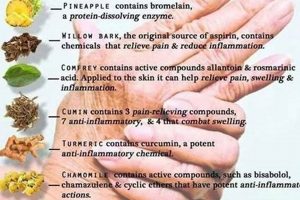
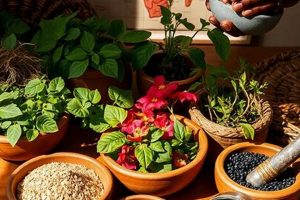
Natural substances derived from plants, utilized to mitigate the effects of immune system dysfunction where the body attacks its own tissues, represent a growing area of interest. For example, turmeric, containing curcumin, is often cited for its potential anti-inflammatory properties in conditions such as rheumatoid arthritis.
The appeal lies in the potential for gentler, more holistic management of chronic conditions, often with fewer reported side effects compared to conventional pharmaceuticals. Historically, various cultures have employed botanicals for immunological modulation, although rigorous scientific validation is frequently lacking. Understanding traditional uses provides a foundation for modern research.
The subsequent discussion will explore specific botanicals frequently considered for immunological support, examine the existing scientific evidence pertaining to their efficacy, and discuss the crucial need for consultation with qualified healthcare professionals prior to incorporating these substances into a therapeutic regimen. Further examination of safety profiles and potential interactions with conventional medications is also warranted.
Guidance on Botanical Approaches to Autoimmune Conditions
The following guidance addresses the complexities of incorporating plant-derived compounds into the management of autoimmune disorders. It emphasizes informed decision-making and the critical role of professional medical oversight.
Tip 1: Prioritize Professional Consultation: Engage with a qualified healthcare provider, including a physician or registered herbalist, before initiating any regimen. Individual autoimmune conditions vary significantly, and personalized recommendations are essential.
Tip 2: Research Individual Botanicals: Thoroughly investigate the scientific literature related to specific plants of interest. Focus on peer-reviewed studies that assess efficacy and safety in relevant contexts.
Tip 3: Understand Potential Interactions: Scrutinize potential interactions with existing medications. Certain botanicals can affect drug metabolism, either enhancing or diminishing therapeutic effects. For example, St. John’s Wort is known to interact with numerous prescription drugs.
Tip 4: Monitor for Adverse Reactions: Closely observe for any adverse reactions following the introduction of a new botanical. Discontinue use immediately if any concerning symptoms arise and consult with a healthcare professional.
Tip 5: Source High-Quality Products: Obtain plant-derived compounds from reputable suppliers that adhere to rigorous quality control standards. Adulteration and misidentification are potential concerns.
Tip 6: Manage Expectations Realistically: Recognize that botanical interventions may serve as adjunct therapies and are not necessarily replacements for conventional medical treatments. Set achievable goals in consultation with a healthcare provider.
Tip 7: Maintain Detailed Records: Document all botanicals used, dosages, and any observed effects, both positive and negative. This information facilitates informed adjustments and communication with healthcare providers.
Adherence to these guidelines promotes a safer and more effective integration of natural substances into the management of autoimmune disorders, enhancing the potential for improved well-being while minimizing risks.
The subsequent section will address the broader ethical considerations related to the promotion and marketing of unproven remedies for complex medical conditions.
1. Anti-inflammatory Potential

The anti-inflammatory potential inherent in certain plants represents a significant avenue of exploration within the context of autoimmune diseases. Chronic inflammation is a hallmark of these conditions, contributing to tissue damage and symptom exacerbation. Consequently, botanical substances possessing documented anti-inflammatory effects are often investigated for their capacity to alleviate disease burden. For instance, Boswellia serrata, traditionally used in Ayurvedic medicine, contains boswellic acids which have demonstrated the ability to inhibit inflammatory enzymes, potentially reducing joint pain and swelling in conditions such as rheumatoid arthritis. The cause-and-effect relationship here centers on the ability of specific plant constituents to interfere with inflammatory pathways, thereby mitigating the damaging effects of an overactive immune response.
However, the importance of anti-inflammatory potential as a sole therapeutic target must be viewed critically. While reducing inflammation can provide symptomatic relief, it does not necessarily address the underlying autoimmune dysfunction. Furthermore, the bioavailability and efficacy of anti-inflammatory compounds in plant extracts can vary widely, requiring careful consideration of dosage and formulation. For example, the anti-inflammatory compound curcumin, found in turmeric, has limited bioavailability, often necessitating the use of specialized formulations to enhance absorption. The practical significance of understanding this limitation lies in the need to manage expectations and to avoid relying solely on plant-based anti-inflammatories without addressing other aspects of the autoimmune process.
In conclusion, while the anti-inflammatory potential of certain plant derivatives offers a promising avenue for managing autoimmune disease symptoms, it is not a singular solution. Its practical application is contingent upon careful consideration of bioavailability, potential interactions, and the need for a comprehensive treatment strategy that addresses the underlying immune system dysregulation. Challenges remain in standardizing plant extracts and validating their long-term efficacy in clinical trials. Further research is essential to fully elucidate the role of plant-based anti-inflammatories in the management of these complex conditions.
2. Immune System Modulation

Immune system modulation, a pivotal aspect of addressing autoimmune disorders, involves recalibrating the immune response to diminish self-attack without compromising overall immunity. Select botanical compounds are hypothesized to influence various facets of immune function, including cytokine production, T-cell activity, and B-cell function. For example, Ganoderma lucidum (Reishi mushroom) has been investigated for its potential to modulate cytokine production, potentially shifting the immune balance away from pro-inflammatory states. The cause-and-effect relationship under investigation centers on the ability of specific plant constituents to interact with immune cells and signaling pathways, thereby influencing the immune response. Modulation is vital, not suppression, as complete immune suppression heightens vulnerability to infection and malignancy.
However, the precise mechanisms through which botanicals modulate the immune system are often incompletely understood. Furthermore, the effects observed in vitro do not always translate directly to in vivo efficacy. The practical significance of this understanding lies in the need for cautious interpretation of research findings and avoidance of unsubstantiated claims. For instance, while some botanicals may demonstrate promising immunomodulatory effects in preclinical studies, rigorous clinical trials are essential to confirm their efficacy and safety in human subjects with autoimmune diseases. The clinical effectiveness will rely on the correct dosage, the patient’s individual characteristics and the specific autoimmune condition that they suffer. A well-understood and targeted modulation is important to address the specific dysregulation that leads to autoimmunity.
In conclusion, the concept of immune system modulation via botanical interventions holds promise for autoimmune disease management, but requires rigorous scientific investigation and cautious implementation. The complexity of the immune system necessitates a nuanced understanding of plant-immune interactions, and the importance of clinical trials to confirm efficacy and safety cannot be overstated. Responsible application entails prioritizing professional guidance, managing expectations realistically, and acknowledging the limitations of current knowledge. The challenges involved include achieving a consistent and predictable immunomodulatory effect, identifying optimal dosages, and understanding long-term consequences, necessitating further exploration.
3. Individualized Approaches

The application of plant-derived substances in the management of autoimmune disorders necessitates an individualized approach, given the heterogeneity of these conditions and the variable responses to botanical interventions. The cause-and-effect relationship between a specific botanical and patient outcome is significantly influenced by factors such as genetic predisposition, disease severity, concurrent medications, and lifestyle. For example, two individuals diagnosed with rheumatoid arthritis may exhibit divergent responses to the same Tripterygium wilfordii extract, with one experiencing significant symptom relief and the other experiencing minimal benefit or adverse effects. The importance of this individuality lies in the recognition that a standardized, one-size-fits-all approach is unlikely to be effective and may even be detrimental. Furthermore, the practical significance of this understanding is underscored by the potential for adverse drug interactions. A compound well-tolerated by one individual may interfere with the metabolism of other medications in another, resulting in potentially serious consequences.
The design of an individualized botanical regimen necessitates a comprehensive assessment of the patient’s medical history, current health status, and specific autoimmune disease presentation. This assessment should include a thorough review of existing medications to identify potential interactions, as well as an evaluation of liver and kidney function, given the role of these organs in metabolizing and excreting botanical compounds. Moreover, careful consideration should be given to the patient’s lifestyle factors, such as diet, exercise, and stress levels, as these can significantly influence the effectiveness of botanical interventions. For instance, a patient with Crohn’s disease who adheres to a strict anti-inflammatory diet may experience a more favorable response to Aloe vera supplementation than a patient with the same condition who consumes a highly processed diet. In this context, the holistic application of herbal remedies must consider not only the specific plant, but also how it synergizes with the patient’s broader health profile.
In conclusion, the successful integration of plant-derived substances into the management of autoimmune disorders hinges upon the adoption of individualized approaches. This necessitates a thorough understanding of the patient’s unique characteristics, careful monitoring for adverse effects, and close collaboration with qualified healthcare professionals. The challenges involve navigating the complexity of individual responses and the limitations of current scientific knowledge, but the potential benefits of personalized care justify the additional effort. The future direction involves the investigation of genetic markers and metabolomic profiles that would help to predict individual responses and promote more targeted botanical therapies.
4. Scientific Evidence Gaps
The utilization of plant-derived substances for autoimmune disorders is frequently hampered by significant gaps in scientific evidence. A direct cause-and-effect relationship between specific plant extracts and clinically meaningful improvements in autoimmune disease outcomes often remains unproven. For instance, while preliminary in vitro studies may suggest immunomodulatory effects of a certain plant, rigorous, randomized, controlled trials are frequently lacking to confirm these effects in human subjects with specific autoimmune conditions. The importance of acknowledging these gaps stems from the potential for misleading claims and the risk of patients foregoing conventional medical treatments in favor of unproven botanical interventions. The practical significance of this understanding lies in the need for cautious interpretation of available evidence and avoidance of unsubstantiated claims of efficacy. The limitations in clinical trials and standardization also contribute to these scientific gaps.
Numerous examples underscore the consequences of overlooking these evidential shortcomings. Consider the case of a patient with systemic lupus erythematosus (SLE) who, based on anecdotal reports, discontinues their prescribed immunosuppressant medication in favor of a botanical regimen promoted as a “natural cure.” Should this regimen prove ineffective, the patient may experience a disease flare-up, potentially leading to irreversible organ damage. Moreover, the lack of standardized extraction and formulation methods for many botanical preparations further complicates the interpretation of research findings. Variability in product composition can lead to inconsistent results across studies, making it difficult to draw definitive conclusions about efficacy and safety. The lack of long-term studies is also an important scientific gap. This means that, in many cases, it’s difficult to assess the long-term impact of using herbal remedies for autoimmune disease.
In conclusion, addressing the scientific evidence gaps surrounding the use of botanical interventions for autoimmune disorders is paramount. Future research efforts should prioritize well-designed clinical trials, standardized extraction and formulation methods, and rigorous safety assessments. In the interim, healthcare professionals and patients alike must approach the use of these substances with caution, guided by a thorough understanding of the limitations of current scientific knowledge. Challenges still remain in translating traditional knowledge into evidenced-based medicine, and this requires a collaborative approach between researchers, herbalists, and medical practitioners. Recognizing these gaps is essential for maintaining patient safety and promoting responsible decision-making in the context of autoimmune disease management.
5. Safety and Interactions

The safety profile and potential for interactions between botanicals and conventional medications represent a critical consideration in the context of autoimmune disease management. The introduction of plant-derived substances into a treatment regimen can lead to unintended consequences if not carefully managed. For instance, a patient with rheumatoid arthritis taking methotrexate may experience altered drug metabolism upon initiating a herbal remedy, potentially reducing the efficacy of methotrexate or increasing the risk of adverse effects. The cause-and-effect relationship revolves around the ability of certain plant constituents to inhibit or induce cytochrome P450 enzymes, which play a crucial role in drug metabolism. The importance of considering safety and interactions lies in the need to minimize harm and optimize the therapeutic benefits of both conventional and botanical interventions.
Examples of potentially significant interactions are widespread. St. John’s Wort, frequently considered for its mood-enhancing properties, is known to induce cytochrome P450 enzymes, potentially reducing the effectiveness of immunosuppressant drugs used in autoimmune disease. Similarly, grapefruit juice, while not a herbal remedy per se, can inhibit cytochrome P450 enzymes, increasing the levels of certain medications and increasing the risk of toxicity. The practical significance of understanding these interactions stems from the need for proactive monitoring and dosage adjustments to mitigate potential risks. This requires open communication between patients and healthcare providers, as well as a thorough review of all medications and supplements being taken. Certain herbal remedies may exacerbate the autoimmune condition itself, leading to a negative effect on disease progression. Patients are often unaware of possible adverse drug interactions with the herbal remedies and therefore should be fully informed of the possible implications and dangers.
In conclusion, careful attention to safety profiles and potential interactions is paramount when integrating botanical interventions into the treatment of autoimmune disorders. The complexities of drug metabolism and the potential for adverse effects necessitate a cautious and informed approach, guided by qualified healthcare professionals. The challenges involve navigating the vast landscape of herbal remedies and identifying potential interactions with conventional medications. This underscores the ongoing need for research and education to promote safer and more effective utilization of plant-derived substances in the management of these complex conditions.
6. Quality and Sourcing
The efficacy and safety of botanicals employed in addressing autoimmune disorders are critically dependent on the quality of the raw materials and the rigor of sourcing practices. Variances in these aspects can significantly impact the therapeutic potential and introduce potential risks to patients.
- Botanical Identification and Authentication
Accurate identification of the plant species is paramount. Adulteration with other species or the use of incorrect plant parts can lead to diminished efficacy or adverse reactions. Reputable suppliers employ macroscopic and microscopic analysis, as well as DNA barcoding, to ensure authenticity. For example, Echinacea purpurea is often substituted with less potent or potentially allergenic Echinacea species, compromising the intended therapeutic effect.
- Geographic Origin and Growing Conditions
Environmental factors such as soil composition, climate, and altitude can influence the phytochemical profile of a plant. Plants grown in contaminated soils may accumulate heavy metals or pesticides, posing a risk to consumers. Responsible sourcing involves selecting regions known for their optimal growing conditions and implementing rigorous testing protocols to detect contaminants. An example is Astragalus membranaceus, where variations in growing region influence the concentration of key bioactive compounds.
- Harvesting and Processing Methods
The timing of harvest and the methods used for drying, extraction, and processing can significantly affect the quality and stability of the final product. Improper harvesting techniques can damage plant material, leading to degradation of active constituents. Harsh extraction methods may denature sensitive compounds. Suppliers committed to quality employ gentle processing techniques and adhere to Good Manufacturing Practices (GMP). The improper drying of Curcuma longa can reduce curcuminoid content and promote mold growth.
- Certification and Testing
Third-party certification programs, such as those offered by the United States Pharmacopeia (USP) and NSF International, provide independent verification of product quality, purity, and potency. These certifications ensure that products meet specified standards and are free from contaminants. Regular testing for heavy metals, pesticides, and microbial contamination is essential to ensure consumer safety. Obtaining certified organic herbal remedies minimizes exposure to potentially harmful chemicals. For example, certified organic milk thistle ensures that the product is free of harmful chemicals.
The interplay of botanical identification, geographic origin, harvesting methods, and third-party certifications collectively determines the quality and safety of plant-derived interventions for autoimmune conditions. Clinicians and patients should prioritize suppliers that adhere to stringent quality control standards and provide transparent documentation of their sourcing and testing practices. The challenges in guaranteeing quality and sourcing highlight the need for stricter regulations and increased consumer awareness.
7. Professional Guidance

The integration of botanical substances into autoimmune disease management necessitates professional guidance due to the complexities of these conditions and the potential for both benefit and harm. Informed decision-making is paramount, requiring expertise beyond the scope of self-diagnosis and treatment.
- Diagnosis Verification and Disease Monitoring
A qualified healthcare professional can confirm an autoimmune diagnosis, differentiating it from conditions with similar symptoms. They can also monitor disease activity and assess the effectiveness of both conventional and botanical therapies. The improper use of botanicals may mask symptoms without addressing the underlying disease progression, potentially leading to irreversible organ damage. For instance, the use of anti-inflammatory herbs may reduce pain in rheumatoid arthritis, but may not prevent joint destruction if the underlying disease is not adequately controlled. Disease progression should be monitored regularly, even when a patient reports feeling better with the use of herbal remedies.
- Medication Interaction Assessment
Many botanicals possess the potential to interact with conventional medications, either enhancing or diminishing their effects. Healthcare providers can assess the risk of such interactions and adjust treatment regimens accordingly. For example, St. John’s Wort can reduce the effectiveness of immunosuppressants, while grapefruit juice can increase the levels of certain drugs in the bloodstream, increasing the risk of toxicity. A healthcare provider will be able to consider and research possible herbal-drug interactions before advising their patient.
- Dosage and Formulation Optimization
The appropriate dosage and formulation of a botanical preparation can vary depending on the individual’s condition, physiology, and concurrent medications. Professionals can tailor treatment regimens to optimize efficacy and minimize the risk of adverse effects. For instance, curcumin, the active compound in turmeric, has low bioavailability and may require specialized formulations to enhance absorption. A professional can also assess the safety of high dosages.
- Adverse Reaction Management
Even when used appropriately, botanicals can cause adverse reactions in some individuals. Healthcare providers are equipped to recognize and manage these reactions, mitigating potential harm. For example, some patients may experience allergic reactions to certain herbs, while others may develop gastrointestinal distress. Professionals can provide guidance on how to handle any side effects from the use of herbal remedies.
The multifaceted role of professional guidance underscores its importance in ensuring the safe and effective use of botanical substances for autoimmune disease management. Integrating conventional and complementary therapies requires careful coordination and monitoring to optimize patient outcomes and minimize the risk of adverse events. Engaging professional guidance throughout a botanical-inclusive treatment plan ensures a well-rounded approach.
Frequently Asked Questions
The following addresses common inquiries regarding the use of plant-derived substances in the management of autoimmune disorders. The information presented is intended for educational purposes and does not constitute medical advice.
Question 1: Are plant-derived remedies capable of curing autoimmune diseases?
Currently, scientific evidence does not support the claim that these remedies can cure autoimmune diseases. Their role is primarily considered adjunctive, aiming to manage symptoms and modulate the immune response, rather than eliminate the underlying cause of the condition.
Question 2: What are the risks associated with using plant-derived remedies for autoimmune diseases?
Potential risks include adverse reactions, interactions with conventional medications, and the masking of disease progression, which can delay appropriate medical intervention. The quality and sourcing of plant-derived products can also pose a risk if not properly verified.
Question 3: How can potential interactions between plant-derived substances and conventional medications be avoided?
A thorough review of all medications and supplements with a qualified healthcare professional is essential. Certain plant-derived substances can significantly alter drug metabolism, impacting the efficacy and safety of conventional treatments.
Question 4: What constitutes a reputable source for botanical preparations?
Reputable sources adhere to Good Manufacturing Practices (GMP) and provide third-party certification, verifying product quality, purity, and potency. They should also provide transparent documentation of their sourcing and testing practices.
Question 5: Can plant-derived remedies replace conventional medical treatments for autoimmune diseases?
In most cases, plant-derived substances should not replace conventional medical treatments. They may be used as complementary therapies under the guidance of a qualified healthcare professional, but conventional treatments remain the cornerstone of autoimmune disease management.
Question 6: What role does diet play in the effectiveness of plant-derived remedies for autoimmune diseases?
Diet can significantly influence the effectiveness of both conventional and plant-derived therapies. An anti-inflammatory diet may enhance the benefits of certain plant-derived substances, while a pro-inflammatory diet may negate their effects. Dietary interventions should be considered in conjunction with other treatment modalities.
In summary, while certain plant-derived substances may offer potential benefits in the management of autoimmune disorders, their use should be approached with caution, informed by scientific evidence, and guided by qualified healthcare professionals. Misinformation surrounding these compounds can negatively impact a treatment plan.
The subsequent section will delve into the legal and ethical considerations pertaining to the marketing and promotion of plant-derived interventions for complex medical conditions.
Conclusion
The preceding exploration of plant-derived interventions within the context of autoimmune disease reveals a complex landscape characterized by potential benefits intertwined with significant risks. While certain compounds demonstrate promising anti-inflammatory or immunomodulatory properties, the limitations of current scientific evidence, the potential for adverse interactions, and the challenges in ensuring product quality necessitate a cautious and informed approach. The concept of herbal remedies for autoimmune disease must be approached with a balanced perspective.
The imperative, therefore, is to prioritize evidence-based decision-making, seek professional guidance, and acknowledge the limitations of botanical interventions as standalone treatments. Further rigorous research is essential to fully elucidate the efficacy and safety of these substances, ensuring that their potential benefits are realized without compromising patient well-being. Continued investigation and responsible application are paramount.